
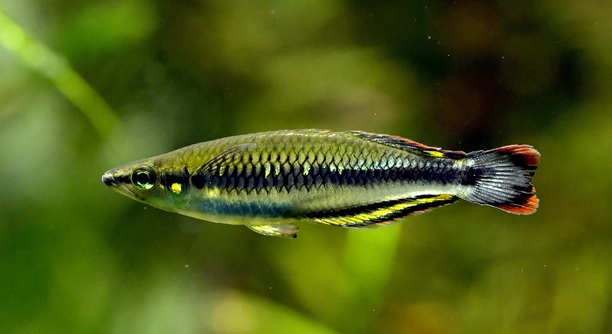
Madagascar rainbowfish are small, vibrant freshwater fish that instantly brighten any aquarium. Their shimmering colors and graceful movements make them stand out among other tropical fish, attracting both novice hobbyists and experienced aquarists alike.
Madagascar rainbowfish are unique due to their iridescent coloration, active schooling behavior, and adaptability to a range of freshwater environments. Their natural resilience and visually striking appearance make them highly sought after in the aquarium trade.
Learning about their care, habitat, and behavior can help you maintain a healthy and vibrant aquarium environment.
Natural Habitat and Origins
Madagascar rainbowfish are native to the freshwater streams and rivers of Madagascar. These fish thrive in slow-moving waters with abundant vegetation, which provides both shelter and food. Their natural habitat features slightly acidic to neutral pH levels, moderate temperatures, and shaded areas created by overhanging plants. In the wild, these fish feed on small insects, crustaceans, and algae, which help them maintain their vibrant coloration. Observing them in their natural surroundings reveals their social nature, as they often swim in groups for protection and interaction. Their adaptability allows them to handle slight variations in water conditions, making them resilient in captivity. Hobbyists who recreate aspects of this habitat in aquariums see healthier, more active fish that display their full range of colors and patterns. Maintaining proper water quality and providing hiding spots contributes significantly to their well-being and longevity, supporting their natural behaviors even outside their native environment.
These fish are highly social and display more vivid colors when kept in groups of five or more.
Replicating the natural environment is essential for keeping Madagascar rainbowfish healthy. Providing live plants, proper filtration, and consistent water parameters allows these fish to exhibit natural behaviors, including schooling and active foraging. Observing their interactions becomes more engaging, as they explore and interact with one another. Maintaining appropriate water temperature and pH helps prevent stress-related issues and promotes longevity. Even minor adjustments in lighting and substrate can influence their overall vibrancy. Ensuring a diet similar to what they consume in the wild enhances coloration and supports growth. Keeping them in a stable, enriched environment makes them more active, reduces aggression, and allows for a display of natural patterns. By understanding and replicating these conditions, caretakers create a balanced ecosystem within the aquarium, benefiting both the fish and the observer.
Physical Appearance and Coloration
Madagascar rainbowfish have elongated, slender bodies with shimmering scales. Their iridescent hues range from silver to blue, green, and red tones.
The color intensity varies between males and females, with males displaying brighter shades.
Males are typically larger and more vibrant, using their coloration to attract mates and establish territory. Females are more subdued, often showing muted tones for camouflage. The combination of slender shape, delicate fins, and reflective scales makes them visually striking in motion. Proper lighting in the aquarium enhances their natural shimmer, while diet rich in protein and carotenoids supports vibrant colors. Over time, their coloration can become more pronounced, especially when kept in a stress-free environment with adequate space to swim. Observing these variations allows caretakers to identify sex, age, and overall health. Additionally, the patterns and fin shapes differ slightly among individuals, adding uniqueness to each fish. Their subtle changes in color intensity during interactions reflect mood, dominance, and breeding readiness, offering insight into their behavior and social dynamics.
Diet and Feeding
Madagascar rainbowfish eat a mix of small insects, crustaceans, and plant matter. In aquariums, they accept flakes, pellets, and live or frozen foods like brine shrimp.
A balanced diet is essential for their health and coloration. Providing a variety of foods ensures they receive necessary nutrients, including proteins, vitamins, and carotenoids, which help maintain their iridescent scales. Feeding small amounts two to three times daily prevents overfeeding and water quality issues. Observing their eating habits helps identify any signs of illness or stress early. Supplementing with occasional live foods encourages natural hunting behavior and keeps them active. Regularly monitoring the quantity and quality of food keeps them vibrant and energetic, while also reducing the risk of obesity or nutrient deficiencies. A proper diet supports growth, breeding potential, and overall longevity, creating healthier fish that display their full range of colors.
Consistent feeding routines and high-quality food maintain energy and promote vivid coloration.
Even minor changes in diet can affect activity levels and appearance. Fresh vegetables or algae-based foods help maintain digestion and prevent bloating. Rotating between protein-rich and plant-based meals mimics their natural diet and provides variety. Avoiding overfeeding is crucial, as leftover food can harm water quality. Supplementing with live foods stimulates natural behavior, reinforcing their social interactions and keeping them alert. By closely observing their response to diet changes, caretakers can tailor feeding schedules and quantities for optimal health. A well-fed Madagascar rainbowfish exhibits brighter colors, stronger immunity, and more active schooling behavior, creating a dynamic, visually appealing aquarium display.
Tank Setup and Environment
They need a well-planted tank with open swimming space. Proper filtration and aeration maintain water quality.
Temperature should stay around 24–28°C with pH near neutral.
Providing hiding spots with driftwood, rocks, and dense vegetation helps reduce stress and allows natural behaviors to emerge. A gentle water current simulates their native streams while supporting oxygenation. Substrate choice affects plant growth and encourages foraging; sand or fine gravel works best. Lighting should highlight their coloration but avoid overly bright conditions that cause stress. Regular maintenance, including partial water changes, keeps nitrate levels low and ensures a healthy environment. Compatible tankmates reduce aggression and enhance social interactions, allowing rainbowfish to school naturally. Observing their behavior in a well-structured tank provides insight into mood, hierarchy, and overall well-being, promoting a long, active life in captivity.
Social Behavior and Temperament
Madagascar rainbowfish are peaceful and thrive in groups. They are active swimmers and interact constantly with each other, which makes them more comfortable and confident in the aquarium.
Aggressive behavior is rare but can occur if the tank is overcrowded. Keeping them in proper numbers ensures harmony and reduces stress.
Breeding and Reproduction
These fish are egg scatterers, releasing eggs among plants. Males display brighter colors to attract females. Breeding is easier in a separate tank with fine-leaved plants or spawning mops. Eggs hatch in about a week, and fry need infusoria or finely crushed food initially.
Common Health Issues
Water quality problems, poor diet, and stress can affect health. Monitoring conditions and providing proper care helps prevent illness.
FAQ
What is the ideal tank size for Madagascar rainbowfish?
A minimum of 30 gallons is recommended for a small group. Larger tanks are better for active schooling behavior and maintaining water stability. Providing enough space reduces stress and allows them to swim freely, showing off their full coloration.
How many Madagascar rainbowfish should I keep together?
They are social and do best in groups of at least five to six. Smaller numbers can lead to stress and subdued coloration. Larger groups create natural schooling behavior, improving overall activity and interaction in the tank.
What should I feed Madagascar rainbowfish?
They need a varied diet including high-quality flakes, pellets, and live or frozen foods such as brine shrimp, daphnia, or bloodworms. Occasional vegetable matter or algae-based foods supports digestion. A mix of protein and plant foods ensures vibrant colors and good health.
How often should I feed them?
Two to three small feedings daily are ideal. Overfeeding can pollute water and cause health problems. Observing their eating habits helps determine the right amount, ensuring they are active but not leaving excess food behind.
What water conditions are best for Madagascar rainbowfish?
Temperature should stay around 24–28°C with a neutral pH of 6.5–7.5. Moderate hardness and clean water are essential. Consistent water parameters reduce stress and support health, allowing these fish to display vibrant colors and natural behaviors.
Are they compatible with other fish?
Yes, they are peaceful and suitable for community tanks. Avoid aggressive or fin-nipping species. Ideal tankmates include other small, non-aggressive fish like tetras, rasboras, or peaceful catfish. Proper compatibility ensures harmony and reduces stress.
How do I encourage breeding?
Provide a separate spawning tank with fine-leaved plants or spawning mops. Males display bright colors to attract females. Maintain clean, slightly warmer water and feed high-quality, protein-rich food to encourage egg-laying and healthy fry development.
How long do Madagascar rainbowfish live?
With proper care, they live 4–6 years on average. Good water quality, a balanced diet, and a stress-free environment extend their lifespan. Observing behavior and health regularly helps detect problems early, supporting long-term well-being.
What are signs of stress or illness?
Signs include faded colors, clamped fins, lethargy, or loss of appetite. Sudden swimming changes or hiding excessively indicate stress. Water testing, proper diet, and isolation of sick fish help address issues before they worsen.
Can they adapt to different water types?
They are moderately adaptable but do best in stable, slightly acidic to neutral water. Sudden changes in pH, temperature, or hardness can stress them. Gradual adjustments and monitoring ensure health and continued activity.
Do they require special lighting or plants?
Moderate lighting enhances coloration without causing stress. Live plants provide hiding spots and encourage natural behavior. Floating plants or dense foliage help mimic their natural habitat and reduce aggression.
How can I maintain their vibrant colors?
A balanced diet rich in protein and carotenoids, stable water conditions, and social schooling support bright coloration. Stress reduction and a well-planted tank environment also contribute to their natural shimmer.
Are they difficult to care for?
They are moderately easy for hobbyists with some experience. Regular water changes, proper feeding, and monitoring behavior are key. They reward attentive care with active swimming, schooling, and striking colors.
What should I do if my fish stop eating?
Check water parameters first, then assess diet and tank conditions. Try offering live or frozen foods to stimulate appetite. Stress, illness, or poor water quality are common reasons for reduced feeding.
Can Madagascar rainbowfish live alone?
No, they are social and require a group to thrive. Isolation causes stress, reduced coloration, and abnormal behavior. A small school keeps them active, confident, and healthy.
How often should I perform water changes?
Weekly changes of 20–30% maintain water quality. Frequent monitoring of ammonia, nitrite, and nitrate levels ensures a healthy environment and reduces the risk of disease. Consistency is key for active, colorful fish.
Do they require special decorations or substrates?
Soft sand or fine gravel is preferred to protect their delicate fins. Plants, driftwood, and rocks provide hiding spots and enrich the environment. Avoid sharp or rough decorations that can injure the fish.
Can they live with bottom-dwelling fish?
Yes, peaceful bottom dwellers like Corydoras or small loaches are suitable. They occupy different tank levels, reducing competition and maintaining a balanced community. Compatibility supports natural behaviors for all species.
How do I recognize males and females?
Males are larger, with brighter, more vivid colors and elongated fins. Females are smaller and less colorful, often showing muted tones. Observing schooling behavior and color intensity helps identify sex, especially during breeding periods.
Is filtration important for their health?
Yes, a reliable filter maintains clean water, removes waste, and ensures proper oxygenation. Gentle water flow mimics their natural habitat, supporting swimming activity without causing stress. Regular filter maintenance is essential for long-term tank health.
How do I prevent disease in the tank?
Maintain stable water parameters, avoid overfeeding, and quarantine new fish. A clean, stress-free environment reduces the risk of common infections. Observing fish regularly allows early intervention if illness occurs.
What are common diseases they face?
Ich, fin rot, and fungal infections are most common. Poor water quality or stress increases susceptibility. Early detection and treatment, along with preventive care, keep the fish healthy and vibrant.
Can they coexist with plants and live algae?
Yes, they nibble lightly on algae but generally do not harm plants. Live plants provide shelter and improve water quality, creating a natural environment that supports their behavior and well-being.
Are they suitable for beginner aquarists?
Moderately suitable. They require attention to water quality, feeding, and social grouping. Beginners who commit to consistent care will find them rewarding due to their activity and bright colors.
Do they need supplements or vitamins?
Occasional supplements or high-quality foods with carotenoids enhance color and health. A varied diet usually meets their nutritional needs without extra supplementation if balanced properly.
Can they tolerate slightly colder or warmer water?
Minor fluctuations are manageable, but prolonged exposure outside 24–28°C stresses them. Maintaining stable temperatures ensures health, activity, and color vibrancy, preventing illness and behavioral issues.
What is the best way to introduce new fish?
Acclimate slowly by floating the bag and gradually mixing tank water. Proper acclimation reduces stress and prevents shock, ensuring smooth integration into the existing group.
Do they require special care during breeding?
Yes, a separate tank with plants and controlled water parameters improves spawning success. Regular observation of fry and feeding appropriate food supports early growth and survival.
Can their colors fade over time?
Yes, stress, poor diet, illness, or overcrowding can reduce vibrancy. Addressing these factors restores coloration and encourages natural shimmering patterns.
Is tank maintenance difficult?
Not if done regularly. Routine water changes, filter checks, and observation of fish behavior keep them healthy and active. Consistency prevents most common problems.
How long before juveniles display full coloration?
It may take several months for young fish to develop adult colors. Adequate diet, water quality, and social environment accelerate this process and support healthy growth.
Can they live with other rainbowfish species?
Yes, as long as species have similar temperaments and size. Schooling behavior remains natural, and aggression is minimal when tank space is sufficient.
Are they sensitive to lighting changes?
Sudden intense light can stress them. Moderate, consistent lighting encourages natural color expression and activity. Providing shaded areas allows them to regulate exposure.
How do I monitor their health daily?
Watch for changes in appetite, swimming behavior, fin condition, and coloration. Quick attention to any irregularities prevents illness and ensures a healthy, active tank environment.
Can stress affect breeding?
Yes, stress from overcrowding, poor water quality, or aggressive tankmates reduces spawning frequency. Creating a calm, well-maintained environment improves breeding success.
Do they need water movement or current?
Gentle water flow mimics natural streams and encourages active swimming. Strong currents can tire them and cause stress, so moderate filtration and aeration are preferred.
Are they suitable for planted aquariums?
Yes, dense vegetation provides hiding spots, spawning sites, and improves water quality. Plants contribute to a natural environment that supports behavior, health, and coloration.
Can they jump out of the tank?
Occasionally, especially if startled. A secure lid is recommended to prevent accidents. Ensuring calm water conditions reduces jumping behavior.
What is the best way to socialize them?
Keep in groups and avoid aggressive tankmates. Observing interactions, maintaining space, and providing visual barriers encourage natural schooling and reduce stress.
How often should I test water?
Weekly testing for ammonia, nitrite, nitrate, and pH ensures stability. Monitoring these parameters prevents sudden issues that can affect health and coloration.
Do they show personality?
Yes, individual fish display unique swimming patterns, social hierarchy, and responses to tankmates. Observing these behaviors is rewarding and reflects overall health and well-being.
What precautions should I take with new fish?
Quarantine for two weeks to prevent disease introduction. Monitor behavior and health before adding to the main tank to maintain a safe environment for existing fish.
Are they sensitive to noise or vibrations?
Excessive disturbances can stress them, causing hiding or clamped fins. Stable, quiet surroundings promote activity, schooling, and natural coloration.
Can they live in brackish water?
No, they are strictly freshwater species. Exposure to saltwater or brackish conditions can be fatal. Maintaining freshwater conditions is essential for survival and health.
What tank decorations work best?
Smooth rocks, driftwood, and live plants provide shelter and stimulation. Avoid sharp objects that can injure fins. Decorations should allow open swimming areas for schooling behavior.
Do they require specific water hardness?
Moderate hardness is ideal. Extreme soft or hard water may stress the fish and affect coloration. Testing and adjusting water helps maintain stable conditions.
How can I prevent fin damage?
Avoid aggressive tankmates, sharp decorations, and overcrowding. Good water quality also supports strong fins. Healthy fins indicate overall well-being.
Can they tolerate low oxygen levels?
No, they prefer well-oxygenated water. Proper filtration, aeration, and plant placement help maintain oxygen levels for active swimming and health.
Do they need a specific pH range?
Neutral to slightly acidic pH is preferred. Sudden changes can cause stress and illness. Consistency supports natural behavior and coloration.
Is it safe to use medication in their tank?
Yes, but follow instructions carefully. Quarantine sick fish when possible, and avoid overmedication, which can harm healthy individuals. Proper treatment preserves overall tank stability.
How do I prevent algae overgrowth?
Maintain light cycles, avoid overfeeding, and perform regular water changes. Live plants compete with algae for nutrients, helping keep growth under control.
Can they adapt to different diets over time?
Yes, they will accept a variety of foods if introduced gradually. Balanced nutrition remains essential to maintain coloration and health.
What is the best substrate for them?
Fine sand or smooth gravel works best. It protects fins, supports plants, and allows natural foraging behavior without causing injury.
How often should I clean the tank?
Partial water changes weekly and substrate cleaning as needed maintain a healthy environment. Regular observation prevents buildup of waste and debris.
Are they hardy fish?
Moderately hardy if provided stable water, proper diet, and social grouping. They are tolerant of slight variations but thrive under consistent care.
Can they live in a small desktop tank?
Not recommended. Limited space restricts swimming, reduces coloration, and increases stress. Minimum 30 gallons ensures proper schooling and well-being.
Do they require aeration?
Yes, gentle aeration improves oxygen levels and water circulation, supporting active swimming and overall health.
Can they live with shrimp or snails?
Generally yes, as long as the invertebrates are large enough to avoid predation. They usually ignore peaceful tankmates.
Is lighting important for breeding?
Moderate lighting supports plant growth for spawning and highlights male coloration to attract females, encouraging reproductive behavior.
Do they respond to human presence?
Yes, they may approach the glass when food is offered or observe movement. Regular interaction can help assess activity and health.
What is the best way to acclimate them?
Float the bag in the tank and gradually mix water over 30–60 minutes. Slow acclimation reduces stress and ensures a smooth transition to the new environment.
Can they live in tanks with fluctuating temperatures?
Frequent changes cause stress and weaken immunity. Maintaining stable temperatures within the 24–28°C range ensures health, activity, and color vibrancy.
Are they prone to obesity?
Yes, overfeeding can lead to bloating and reduced activity. Portion control and varied diet prevent health problems and support longevity.
Do they need UV sterilizers?
Not necessary, but UV sterilizers can help control free-floating pathogens and improve overall water quality, supporting fish health.
Can their scales be damaged easily?
Yes, rough decorations, aggressive tankmates, or poor water quality can harm scales. Smooth surfaces and careful handling prevent injury.
Do they require seasonal changes in care?
No, maintaining consistent water parameters, diet, and environment year-round ensures stability, reducing stress and supporting health.
How do I know if the tank is overcrowded?
Signs include aggressive behavior, hiding, reduced coloration, or poor water quality. Maintaining proper stocking levels supports natural schooling and reduces stress.
Can they tolerate tap water?
Yes, if treated to remove chlorine and chloramines. Testing pH, hardness, and temperature ensures safe conditions for healthy growth and activity.
Are they sensitive to chemical cleaners near the tank?
Yes, fumes from cleaners or strong chemicals can stress them. Avoid exposure and maintain a safe environment for health and behavior.
How long does it take to notice full coloration in adults?
Several weeks to months, depending on diet, social environment, and water quality. Proper care accelerates color development and displays natural iridescence.
Can they survive temporary neglect?
Short-term absence is usually tolerated if food and water conditions are stable, but prolonged neglect reduces health, coloration, and overall well-being.
Do they require a heater?
Yes, to maintain consistent temperatures. Sudden drops or fluctuations can stress the fish, affecting behavior and health.
How do I handle water changes?
Partial changes of 20–30% weekly maintain water quality without stressing the fish. Gradual changes prevent shock and support stability in the aquarium environment.
Are they suitable for display tanks?
Yes, their vibrant colors, active schooling, and graceful swimming make them visually appealing and a dynamic addition to planted or community aquariums.
Can they live with fast-moving fish?
They may struggle with very aggressive or fast-moving tankmates. Choose compatible species to maintain harmony and prevent stress or injury.
Do they require special breeding triggers?
Clean water, slightly warmer temperatures, and nutritious diet stimulate spawning. Proper environment and observation support fry survival and growth.
Can they live in low-light tanks?
Yes, but colors may appear less vibrant. Moderate lighting encourages natural activity, plant growth, and full expression of iridescence.
What is the best way to quarantine new fish?
Use a separate tank for two weeks, monitor health, and gradually acclimate to the main tank. Quarantine prevents disease spread and ensures a safe environment.
Are they sensitive to vibrations or tank movement?
Excessive shaking or movement can stress them. Stable, calm conditions support schooling, active swimming, and natural coloration.
Do they require water conditioners?
Yes, removing chlorine and chloramines is essential. Some conditioners also detoxify heavy metals, supporting overall health and longevity.
Can they tolerate slightly alkaline water?
Minor alkalinity is tolerated, but sudden shifts can stress the fish. Maintaining stable, near-neutral pH supports natural behavior and color vibrancy.
Are they prone to fin rot?
Yes, poor water quality or injuries can lead to fin rot. Regular maintenance and monitoring prevent infection and maintain healthy fins.
Do they need gravel vacuuming?
Yes, occasional vacuuming removes waste without disturbing plants. Clean substrate prevents ammonia buildup and supports overall tank health.
Can they live with aggressive species?
No, aggression causes stress, hiding, and reduced coloration. Peaceful tankmates are essential for healthy schooling and natural behavior.
Do they show signs of aging?
Older fish may have slower swimming, faded coloration, or reduced activity. Proper care throughout life helps maintain health and longevity.
Are they sensitive to sudden light changes?
Yes, abrupt bright lights can stress them. Gradual lighting and shaded areas reduce stress and encourage natural behavior.
Can they tolerate slightly hard water?
Yes, moderate hardness is acceptable. Extreme hardness or soft water can affect health and coloration. Testing and adjusting water ensures stability.
Do they need hiding spots?
Yes, plants, driftwood, and rocks reduce stress and provide security, especially for shy or subordinate fish.
Can they live in nano tanks?
Not recommended. Limited space reduces swimming, increases stress, and inhibits natural schooling behavior. Minimum 30 gallons is advised.
Do they require water circulation?
Gentle flow is beneficial. It simulates natural habitats, supports oxygenation, and encourages swimming without causing stress.
Can they live with larger fish?
Avoid large predatory species. Peaceful, similarly sized fish are compatible to reduce stress and prevent injury.
How do I prevent color fading?
Provide balanced diet, stable water, proper lighting, and social grouping. Stress and poor nutrition are the main causes of fading.
Are they sensitive to tank relocation?
Yes, frequent moves cause stress. Gradual acclimation to new tanks reduces shock and maintains health.
Can they survive without plants?
Yes, but plants enhance comfort, spawning, and water quality. Bare tanks may increase stress and limit natural behaviors.
Do they need UV sterilization?
Optional. It helps reduce free-floating pathogens but is not essential if water quality is maintained.
Can they live in unheated tanks?
No, stable temperatures around 24–28°C are necessary. Cold fluctuations weaken immunity and reduce activity.
Are they suitable for mixed-species tanks?
Yes, with peaceful, similarly sized fish. Avoid aggressive or fin-nipping species to maintain harmony.
**Do they require weekly observation?
Madagascar rainbowfish are small, colorful freshwater fish that bring life and movement to an aquarium. Their shimmering scales and graceful swimming make them visually appealing, while their peaceful temperament allows them to coexist with other non-aggressive species. Maintaining their health relies on creating an environment that closely mirrors their natural habitat, including stable water parameters, moderate temperatures, and adequate space to swim. They thrive in groups, as schooling behavior reduces stress and encourages active interaction. Observing their natural behaviors, from foraging to social interaction, can be rewarding, providing insight into how they navigate their surroundings. These fish are resilient if given consistent care, making them suitable for hobbyists willing to dedicate attention to their daily and long-term needs.
Diet plays a crucial role in maintaining the vibrancy and overall health of Madagascar rainbowfish. A varied diet that includes high-quality flakes, pellets, and live or frozen foods such as brine shrimp, daphnia, or bloodworms ensures that they receive the nutrients necessary for proper growth, immune system support, and color development. Occasional supplementation with plant-based foods helps maintain digestion and adds variety to their meals. Overfeeding should be avoided to prevent water quality issues and obesity, which can lead to health complications. Careful monitoring of feeding habits allows early detection of potential illness or stress, ensuring that any problems are addressed before they impact the fish’s overall well-being. A consistent diet paired with proper water care contributes to the fish’s long-term vitality and allows them to display their full range of natural colors and behaviors.
Creating the right tank setup is equally important for their well-being. Madagascar rainbowfish need a well-planted environment with open swimming areas, hiding spots, and smooth substrate to prevent injury. Driftwood, rocks, and dense vegetation provide shelter and reduce stress, while moderate lighting enhances their natural iridescence without causing discomfort. Regular water changes, proper filtration, and aeration maintain water quality and oxygen levels, supporting activity and reducing the likelihood of disease. Their social and active nature makes them ideal for observing natural interactions within a group, from schooling to establishing a hierarchy. With attention to their diet, habitat, and social needs, Madagascar rainbowfish can thrive in captivity, offering both aesthetic appeal and engaging behavior for years.

Hello,
If you enjoy the content that we create, please consider saying a "Thank You!" by leaving a tip.
Every little bit helps us continue crafting quality advice that supports the health, happiness, and well-being of pets around the world, for pets of all shapes, sizes, and species.
We really appreciate the kindness and support that you show us!