
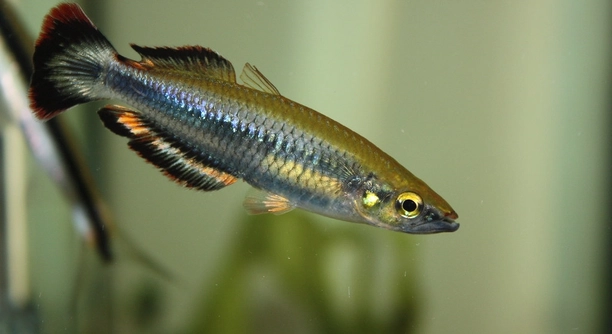
Rainbowfish are popular for their bright colors and active swimming, making them a favorite in home aquariums. Many hobbyists focus on tank size but often overlook how tank shape affects their behavior and health.
Long tanks provide more horizontal swimming space, which aligns with rainbowfish natural movement patterns. This setup reduces stress, promotes physical activity, and supports proper social interactions. Additionally, elongated tanks enhance oxygen circulation, improving overall water quality and fish well-being.
Choosing the right tank length can have a major impact on the happiness and health of your rainbowfish. Understanding these benefits will make setting up their environment much more effective.
More Swimming Space for Active Fish
Rainbowfish are naturally active swimmers, and long tanks give them room to move freely without constantly bumping into decorations or other fish. In a tall or small tank, their movement is limited, which can lead to stress or lethargy over time. Horizontal space allows them to establish territories and interact naturally with each other. When they swim freely, their colors appear brighter, and their health improves. Long tanks also reduce aggressive behavior because fish can avoid one another if needed. Providing a spacious horizontal environment mimics their natural rivers and streams, making them feel more at home. Overcrowding is less likely, and plants and decorations can be arranged without restricting swimming paths. Overall, giving rainbowfish ample horizontal room creates a more balanced and lively aquarium where their natural behaviors can flourish, and observing them becomes more enjoyable.
Long tanks offer sufficient space for swimming, which encourages natural behavior, reduces stress, and improves overall health.
This setup also makes decorating easier while ensuring each fish has its own space. Observing their colors and interactions becomes more satisfying.
Better Social Interactions
Rainbowfish are social but can become stressed in confined spaces.
In a longer tank, fish can maintain personal space while still forming small groups or pairs. This separation reduces chasing and bullying, which often occurs in cramped environments. Fish have room to swim in parallel or circle each other without constant confrontation. Long tanks allow for more natural schooling behavior, where fish move together but maintain distance. They can explore different areas of the tank, interact with various plants or rocks, and establish small territories without conflict. Social stress is minimized, which helps with breeding and overall vitality. Longer tanks also let you arrange hiding spots or low-traffic areas for shy fish, making the tank suitable for all personalities. The additional space encourages a more natural rhythm of swimming, feeding, and resting, closely resembling their native habitat conditions. With proper layout and care, long tanks enhance both social and physical well-being for rainbowfish, creating a calmer and more vibrant aquarium.
Easier Water Maintenance
Long tanks promote better water circulation, which helps prevent stagnant areas where waste can accumulate. This keeps water cleaner and reduces the need for constant maintenance. Proper flow also ensures that oxygen reaches all parts of the tank, supporting healthier fish.
A longer tank allows filtration systems to work more efficiently. Water moves across the entire tank rather than staying trapped in corners, which reduces the buildup of debris and harmful chemicals. This consistent movement also helps maintain stable temperatures throughout the aquarium. With more volume, toxins like ammonia and nitrites are diluted, giving fish a safer environment. Additionally, water changes are easier to manage because the tank’s length allows for smoother flow during siphoning. Plants benefit from the improved circulation, supporting a balanced ecosystem. Overall, the maintenance workload is lighter, and the fish stay healthier.
Long tanks also allow for layering decorations and plants without disrupting water movement. Fish can navigate through plants or open spaces freely, which enhances their natural swimming patterns. Proper flow prevents dead zones that could affect fish behavior or plant growth, creating a more harmonious aquarium setup. By arranging hardscape and flora thoughtfully, hobbyists can maintain aesthetic appeal while ensuring water quality remains high throughout the tank. The extra length gives flexibility in both maintenance routines and tank design, making it easier to sustain a thriving environment for rainbowfish.
Enhanced Display of Colors
Rainbowfish display their best colors when they are active and unstressed. Long tanks provide the space needed for this behavior.
A longer tank allows rainbowfish to swim more naturally, which enhances their vibrant hues. Bright, consistent movement exposes their full range of colors under proper lighting. Stress from confined spaces often dulls their appearance, but with adequate room, they show more intense reds, blues, and greens. Longer tanks also help spread out competing fish, so dominant individuals do not overshadow others. This separation gives every fish the chance to display its colors without being chased or hiding constantly. Plants, rocks, and open swimming areas can be arranged to highlight their colors while maintaining comfortable territories.
The horizontal space in long tanks creates a natural stage for rainbowfish, allowing them to interact, swim, and show off their full coloration. Fish can glide across open areas, reflecting light from multiple angles, which enhances visual appeal. Group swimming becomes more noticeable, and the contrast of colors among individuals is easier to appreciate. By reducing stress and providing room for natural behaviors, the tank environment supports both health and aesthetics. Well-placed decorations can emphasize movement and color, while the overall layout encourages exploration. This approach ensures rainbowfish remain vibrant and active, making the aquarium a visually engaging display that reflects their true beauty.
Reduced Aggression
Long tanks help minimize aggression among rainbowfish by providing more space to establish personal territories. Fish can avoid constant confrontations, which reduces stress and promotes peaceful interactions.
With extra horizontal space, dominant fish are less likely to chase or intimidate others. This creates a calmer environment where all individuals can thrive and display natural behaviors without fear.
Easier Breeding Conditions
Long tanks provide better conditions for breeding because fish can separate naturally into pairs or small groups. Males have space to display to females, while females can find quiet areas to lay eggs without constant interference. The added space mimics natural environments, improving chances of successful spawning.
Improved Plant Growth
The extra length of long tanks allows for more light distribution and better water flow around plants. This helps them grow evenly and stay healthy, which supports a balanced aquarium ecosystem.
FAQ
What size tank is ideal for rainbowfish?
Rainbowfish thrive in longer tanks because they need horizontal swimming space. A tank at least 36 inches long is recommended for small groups, while larger species or bigger schools may need tanks over 48 inches. Width and height matter, but length impacts swimming freedom most.
Can rainbowfish live in tall, narrow tanks?
Tall tanks are less ideal for rainbowfish. They prefer horizontal space to swim actively. Narrow tanks limit movement, which can lead to stress, dull colors, and reduced social interaction. Longer tanks better replicate their natural habitats.
How many rainbowfish can I keep in a long tank?
Stocking depends on tank length, species size, and filtration. A common rule is one inch of fish per gallon, but long tanks allow more horizontal swimming, so you can keep slightly larger groups. Avoid overcrowding to reduce aggression and maintain water quality.
Do long tanks help reduce disease in rainbowfish?
Yes, long tanks improve water circulation and oxygen distribution, which supports fish health. Better flow reduces stagnant areas where harmful bacteria can grow. With lower stress and cleaner water, rainbowfish are less prone to illness.
Are long tanks harder to maintain?
They may require slightly more water for changes, but they make maintenance easier in other ways. Filtration works more efficiently, waste is spread out, and plants grow more evenly. The extra space also allows easier cleaning without disturbing the fish.
Can long tanks improve rainbowfish breeding success?
Absolutely. Longer tanks let fish form pairs or small groups naturally. Males can display to females without overcrowding, and females have room to lay eggs safely. More space mimics their natural breeding environments, which increases the likelihood of successful spawning.
Is decoration placement easier in a long tank?
Yes, long tanks allow more flexibility. You can create zones with plants, rocks, or open swimming areas. Fish have room to navigate without obstruction, and decorations can be arranged to enhance both aesthetics and swimming patterns.
Do rainbowfish get along better in long tanks?
Generally, yes. Extra horizontal space reduces chasing and aggression. Fish can establish territories or escape from dominant individuals, creating a calmer and more balanced social environment. This helps all fish feel secure and display natural behaviors.
How does tank length affect color vibrancy?
Longer tanks encourage natural swimming patterns, which reduce stress and enhance coloration. Fish that can move freely display brighter reds, blues, and greens. Crowded or narrow tanks often dull colors due to stress and limited activity.
Are long tanks suitable for planted aquariums with rainbowfish?
Yes, long tanks offer better light distribution and water flow, which benefits plant growth. Healthy plants improve water quality and provide hiding spots for fish. This combination supports a balanced ecosystem that keeps rainbowfish active and vibrant.
Can I keep other species with rainbowfish in a long tank?
Long tanks allow more room for compatible tank mates. You can include peaceful species that occupy different swimming levels. Extra space reduces stress and territorial disputes, helping all fish coexist safely. Avoid aggressive or fin-nipping species.
Do rainbowfish need a heater in a long tank?
Yes, most rainbowfish species prefer slightly warm water between 74–78°F. A long tank may take longer to heat evenly, so a reliable heater and thermometer are essential to maintain stable conditions for optimal health.
How often should I perform water changes in a long tank?
Regular partial water changes are crucial. For long tanks, weekly changes of 20–25% are recommended to maintain water quality. This supports fish health, reduces toxins, and keeps plants thriving. The larger volume helps maintain stability between changes.
Will long tanks reduce algae growth?
Indirectly, yes. Better water circulation prevents stagnant spots where algae thrive. Healthy plants also compete for nutrients, reducing algae buildup. Consistent maintenance and balanced lighting remain important to keep algae under control.
Are long tanks expensive to set up?
They can cost more initially due to size, substrate, and filtration needs, but the benefits for rainbowfish health, social behavior, and color display often outweigh the added expense. Long-term maintenance is easier and more effective with proper setup.
Can I use a standard filter in a long tank?
It depends on tank length and fish load. Standard filters may work for smaller long tanks, but larger setups require high-capacity filters to maintain circulation and water quality. Multiple filters or additional powerheads can also help.
Do rainbowfish prefer open swimming areas in long tanks?
Yes, open areas allow active movement and schooling behavior. Fish can interact, explore, and display vibrant colors without obstruction. Long tanks make it easier to balance open space with plants or decorations.
How important is tank shape for rainbowfish?
Shape is crucial. Horizontal space impacts swimming patterns, stress levels, and social interactions. Long tanks are preferred because they accommodate natural behaviors, while tall or narrow tanks restrict movement and can cause long-term health issues.
Are long tanks better for multiple rainbowfish species?
Yes, they provide enough room for compatible species to coexist without constant competition. Extra length reduces stress, supports schooling behavior, and allows for species-specific territories, making multi-species setups more successful and visually appealing.
Can long tanks support young rainbowfish growth?
Definitely. Fry benefit from more swimming space, reduced aggression, and better water quality. Longer tanks give them room to develop naturally and interact safely with other fish, improving survival rates and overall health.
Do long tanks affect feeding routines?
Feeding is easier because fish have space to access food without overcrowding. Uneaten food spreads out more, preventing water quality issues. Fish can feed naturally, reducing competition and stress during mealtimes.
Is a long tank better for observing rainbowfish behavior?
Yes, it allows you to see natural swimming, schooling, and social interactions. Fish move freely across the tank, displaying colors and behaviors more clearly. Observation is more enjoyable, and it’s easier to monitor health and activity levels.
How does tank length influence oxygen levels?
Long tanks improve oxygen distribution because water circulates more effectively. Proper flow ensures all fish receive sufficient oxygen, which is critical for active species like rainbowfish. This also supports plant growth and reduces dead zones.
Are long tanks suitable for community aquariums?
Yes, extra horizontal space reduces conflicts in mixed-species setups. Peaceful fish have room to coexist, and rainbowfish can maintain natural schooling behavior. Careful planning of species compatibility and swimming zones ensures harmony.
Do long tanks need special lighting?
Lighting depends on plants and fish needs rather than tank length alone. However, long tanks may require multiple fixtures or evenly spaced lights to ensure consistent coverage, especially for planted sections and to highlight fish colors effectively.
How often should I check water parameters in a long tank?
Regular monitoring is essential. Test ammonia, nitrite, nitrate, and pH weekly. Larger volume provides stability, but changes can still impact fish health. Early detection of issues helps maintain a thriving aquarium environment.
Can long tanks reduce fish stress?
Yes, more horizontal space allows rainbowfish to swim freely, avoid conflicts, and establish territories. Lower stress improves immune function, color vibrancy, and overall well-being. Stress reduction is one of the main benefits of long tanks.
Are long tanks better for winter or cooler climates?
Yes, larger water volume stabilizes temperature fluctuations. Combined with a heater, long tanks maintain more consistent conditions, reducing stress for rainbowfish during seasonal changes. Stable temperatures promote better health and activity.
Can I use decorations without restricting swimming space?
Yes, plan decorations along the sides or create open swimming lanes. Long tanks provide flexibility to balance plants, rocks, or driftwood while keeping central areas free for active swimming and schooling.
Do long tanks influence lifespan of rainbowfish?
Providing sufficient horizontal space reduces stress, improves water quality, and supports natural behavior. These factors contribute to healthier, more vibrant fish, potentially extending their lifespan compared to cramped or narrow tanks.
How do long tanks affect community dynamics?
Extra space allows fish to interact without constant confrontation. Subtle social hierarchies form naturally, and shy individuals can find safe zones. This balance reduces aggression, improves social behavior, and creates a more harmonious aquarium.
Is it necessary to measure tank length for rainbowfish before purchase?
Yes, knowing the tank length helps plan stocking, decorations, and filtration. Proper measurement ensures rainbowfish have adequate horizontal space for swimming, social interaction, and overall health. It’s a simple step that prevents future problems.
Do long tanks require more electricity?
Slightly, due to longer filters or additional lighting. However, the benefits for water quality, fish health, and plant growth outweigh minor energy costs. Efficient equipment can minimize electricity use while maintaining optimal conditions.
Can long tanks improve fish activity levels?
Yes, horizontal space encourages natural swimming patterns, exploration, and schooling. Active fish display better colors, healthier appetites, and more vibrant behaviors. Long tanks allow fish to engage in full-range movements, which is essential for their well-being.
Are long tanks suitable for beginners?
Yes, if the setup is planned carefully. They are forgiving in terms of water stability and fish health. Proper filtration, heating, and monitoring make long tanks manageable while providing ideal conditions for rainbowfish.
Do long tanks reduce territorial disputes?
Extra space allows fish to establish territories without constant intrusion. Dominant individuals cannot chase others as easily, reducing aggression and stress while maintaining a balanced social environment.
Can I breed multiple pairs in a long tank?
Yes, the extra space supports multiple breeding pairs by allowing males to display and females to lay eggs safely. Careful layout with hiding spots improves success rates for more than one pair.
How does tank width factor into long tanks?
While length is most critical, moderate width ensures fish have enough vertical room to swim comfortably. Too narrow a tank may limit movement, so balancing length and width creates optimal conditions for rainbowfish.
Are long tanks better for schooling behavior?
Yes, rainbowfish prefer moving in small schools. Long tanks allow synchronized swimming and natural group dynamics without overcrowding, supporting social interaction and reducing stress.
Do long tanks affect feeding competition?
Yes, fish have more space to access food without fighting. Uneaten food is less likely to accumulate in one spot, maintaining water quality and reducing stress during feeding.
Can long tanks support varied plant species?
Absolutely. The horizontal space allows different plant types to thrive in sections of the tank. Plants provide hiding spots, improve water quality, and create a visually appealing environment for rainbowfish.
Is maintenance easier in a long tank compared to tall tanks?
Yes, filtration is more effective, water circulation is better, and cleaning is simpler. Fish are less disturbed, and water quality is more stable, making long tanks easier to manage overall.
Do long tanks help prevent fin damage?
Yes, more swimming space reduces collisions with decorations and other fish. Rainbowfish can navigate freely, minimizing stress and potential injury to delicate fins.
Can I combine long tanks with different lighting zones?
Yes, the extended length allows separate lighting for plants, open areas, or shaded spots. This supports diverse plant growth and enhances fish coloration throughout the tank.
How do long tanks impact overall tank aesthetics?
Long tanks create a pleasing horizontal view, showcasing swimming patterns and colors effectively. Proper decoration placement enhances depth and visual appeal while maintaining healthy space for rainbowfish.
Do long tanks require special substrates?
No special substrate is required, but length allows layering for planted areas, open sand zones, or decorative rocks. Substrate choice should support plant growth and complement the tank layout.
Are long tanks more stable for water parameters?
Yes, the larger volume buffers against rapid changes in temperature, pH, or chemicals. Stability reduces stress and supports long-term health of rainbowfish.
Can I keep other schooling fish with rainbowfish in long tanks?
Yes, compatible species that occupy similar or different swimming levels can coexist. Extra horizontal space reduces territorial disputes and supports harmonious group behavior.
Do long tanks affect filtration placement?
Yes, longer tanks may require multiple filter outlets or circulation points to ensure even water flow, preventing dead zones and promoting consistent water quality throughout the tank.
Can long tanks improve overall fish happiness?
Definitely. More swimming space, reduced aggression, better water quality, and natural social interactions all contribute to happier, healthier rainbowfish. The benefits of a long tank extend across physical and behavioral well-being.
How often should I trim plants in a long tank?
Regular trimming maintains open swimming areas and prevents overcrowding. With proper spacing, plants grow evenly, supporting fish activity, water flow, and overall tank aesthetics.
Do long tanks support natural behavior more effectively?
Yes, rainbowfish can swim, school, hide, and explore naturally. The space encourages physical activity, social interactions, and displays of color, closely resembling their behavior in the wild.
Can long tanks reduce water testing frequency?
The larger volume provides stability, but weekly testing is still recommended. Long tanks buffer against rapid changes, making parameters easier to maintain while supporting healthy fish and plants.
Are long tanks better for showing off rainbowfish at events or competitions?
Yes, horizontal swimming space, vibrant colors, and schooling behavior are more visible. Proper layout highlights fish naturally, making long tanks ideal for display purposes.
Do long tanks require more careful planning?
Yes, spacing, decoration, lighting, and filtration must be arranged thoughtfully. However, once set up, the benefits for fish health, behavior, and aesthetics are significant and long-lasting.
Can long tanks reduce fish stress during water changes?
Yes, more space allows fish to move away from siphoning areas. They are less disturbed, which minimizes stress and maintains normal behavior during maintenance.
Do long tanks affect fish interaction with tank mates?
Yes, extra room reduces conflicts and allows natural interactions. Fish can school, explore, or retreat as needed, creating a balanced and peaceful aquarium environment.
How does tank length influence oxygenation?
Longer tanks promote better surface agitation and circulation, increasing oxygen distribution. Fish receive sufficient oxygen throughout the tank, supporting activity, metabolism, and overall health.
Are long tanks better for observing fry growth?
Yes, fry have more space to swim, hide, and grow safely. They experience reduced stress from adults, promoting higher survival rates and healthier development.
Can long tanks reduce algae hotspots?
Yes, improved water flow prevents stagnant areas where algae thrive. Combined with healthy plants and lighting management, algae growth is easier to control.
Do long tanks require special heaters?
Not necessarily, but larger volume may need higher wattage or multiple heaters for even temperature distribution. Stable temperatures are essential for rainbowfish health.
How does long tank design affect feeding schedules?
With more space, fish can access food more easily, reducing competition. It also allows spread-out feeding areas, which prevents uneaten food from polluting the tank.
Are long tanks better for energetic fish species?
Yes, active species like rainbowfish benefit from horizontal swimming space, reduced stress, and room to interact, making long tanks ideal for maintaining energy and vitality.
Can long tanks support aquascaping effectively?
Absolutely. Horizontal space allows layering, plant sections, and open swim areas. Thoughtful aquascaping enhances aesthetics while maintaining room for natural fish behavior.
Do long tanks influence water temperature stability?
Yes, larger volume buffers against sudden changes. Combined with a reliable heater, long tanks maintain stable temperatures, supporting fish health and plant growth.
Are long tanks suitable for community tanks with different species sizes?
Yes, space allows larger and smaller species to coexist safely. Proper layout and hiding spots prevent bullying and stress, ensuring harmony in mixed-species aquariums.
Do long tanks reduce the risk of fish injury?
Yes, more room minimizes collisions with decorations and other fish. Rainbowfish can swim freely, reducing fin damage and stress-related injuries.
Can long tanks support varied swimming behaviors?
Yes, rainbowfish can glide, school, hover, or explore without restriction. Horizontal space accommodates diverse behaviors, promoting natural activity and social interactions.
Are long tanks better for displaying multiple rainbowfish species?
Yes, extra space allows different species to coexist while maintaining their natural swimming patterns, colors, and behaviors without overcrowding.
Do long tanks help with fish acclimation?
Yes, fish introduced to a long tank have more space to adjust gradually, reducing stress and improving survival during the acclimation period.
How does tank length impact water circulation?
Long tanks enhance flow across the aquarium, preventing stagnant areas, promoting even oxygenation, and improving waste management. This supports both fish and plant health.
Can long tanks reduce fin-nipping incidents?
Yes, extra swimming space allows fish to avoid each other, reducing aggression and preventing fin damage, especially in active or territorial species.
Do long tanks make tank maintenance less stressful for fish?
Yes, extra space allows fish to avoid disturbance during cleaning or water changes, reducing stress and maintaining normal behavior throughout maintenance routines.
Are long tanks better for fish growth rates?
Yes, ample swimming space and reduced stress support natural development. Fish can exercise, feed evenly, and interact socially, promoting healthier growth compared to confined tanks.
Can long tanks improve overall aquarium balance?
Yes, the combination of space, water circulation, and plant support creates a more stable ecosystem. Fish, plants, and microorganisms thrive together, maintaining a healthy and visually appealing environment.
Do long tanks require specific water flow management?
Yes, powerheads or filter outlets may be needed to ensure consistent circulation across the tank. Proper flow prevents dead zones and supports oxygenation and waste removal.
Are long tanks more visually appealing for rainbowfish?
Yes, horizontal swimming and schooling display colors and patterns effectively. Thoughtful layout enhances depth and highlights fish activity, making the aquarium enjoyable to observe.
Do long tanks make it easier to monitor fish health?
Yes, free swimming and reduced crowding allow for clear observation of behavior, coloration, and physical condition, making early detection of illness simpler.
Can long tanks support both young and adult rainbowfish together?
Yes, extra space allows fry to avoid adults and swim safely. Proper layout ensures all ages coexist without stress, supporting healthy growth and social development.
Do long tanks improve overall aquarium experience?
Yes, active fish, better colors, reduced aggression, and healthier plants create a more engaging and balanced aquarium, enhancing both fish well-being and observer enjoyment.
Are long tanks better for maintaining stable pH levels?
Yes, larger water volume buffers against sudden pH swings. Combined with proper substrate and filtration, long tanks provide more consistent water chemistry for rainbowfish.
Can long tanks reduce stress from overcrowding?
Yes, horizontal space allows fish to establish territories and move freely. This reduces stress-related issues like aggression, illness, and dull coloration, creating a calmer environment.
Do long tanks affect fish behavior during feeding?
Yes, more space reduces competition and allows all fish to access food. Uneaten food is less concentrated, maintaining water quality
Final Thoughts
Choosing the right tank for rainbowfish is one of the most important steps in creating a healthy aquarium. Long tanks provide the horizontal space these fish need to swim freely and display natural behaviors. When rainbowfish have enough room to move, they are less stressed, more active, and their colors appear brighter. A cramped tank can limit movement, increase aggression, and lead to health problems over time. By prioritizing tank length over just width or height, hobbyists give rainbowfish a better chance to thrive in a setting that resembles their natural habitat. This attention to tank design affects not only the well-being of individual fish but also the overall balance of the aquarium ecosystem, including plants and water quality.
Long tanks also support improved water circulation, which benefits both fish and plants. Water moves more evenly across the tank, reducing stagnant areas where waste can accumulate or oxygen levels may drop. This means rainbowfish can enjoy consistently clean, oxygen-rich water, which helps prevent disease and supports healthy growth. Plants also benefit from consistent water flow and light distribution, allowing them to grow evenly and contribute to a stable, natural environment. In addition, long tanks make it easier to create zones within the aquarium, such as open swimming spaces and areas with plants or decorations, which further reduces territorial disputes and stress among fish. This thoughtful setup makes maintenance simpler while also improving the overall aesthetics of the tank.
Another advantage of long tanks is the positive effect on social behavior and breeding. Rainbowfish are social creatures, and extra horizontal space allows them to establish territories, form small groups, and interact without constant conflict. Shy or smaller fish have places to hide or escape, which helps reduce stress and promotes peaceful coexistence. For those interested in breeding, long tanks allow males to display to females while females find safe spaces to lay eggs, mimicking natural conditions that encourage successful spawning. Overall, investing in a longer tank benefits rainbowfish in many ways—from physical health and color vibrancy to social interaction and breeding potential. Proper planning, regular maintenance, and attention to tank layout ensure that rainbowfish can live active, healthy lives in an environment that supports their natural behavior and enhances the aquarium experience.

Hello,
If you enjoy the content that we create, please consider saying a "Thank You!" by leaving a tip.
Every little bit helps us continue crafting quality advice that supports the health, happiness, and well-being of pets around the world, for pets of all shapes, sizes, and species.
We really appreciate the kindness and support that you show us!