
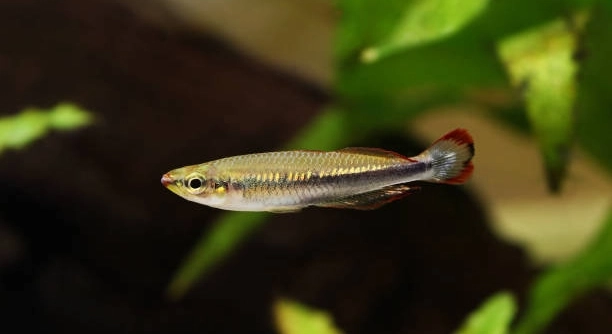
Do you enjoy watching your rainbowfish glide through the water but notice their activity varies throughout the day? Observing their patterns can be calming, yet many fish owners wonder about the timing of their sleep cycles in captivity.
Rainbowfish do not adhere to a strict daily sleep schedule. Their rest periods are influenced by light exposure, tank environment, and individual behavior. Consistent lighting and stable surroundings help regulate their natural sleep rhythms efficiently.
Learning about these patterns can improve your aquarium care and ensure your rainbowfish thrive in a comfortable environment.
How Rainbowfish Sleep Patterns Work
Rainbowfish are diurnal, meaning they are active during the day and rest at night. Their sleep is not deep like mammals but involves periods of reduced movement and responsiveness. In a well-lit aquarium, they follow light cues to determine when to rest, often settling near plants or decorations. Temperature also influences their rest patterns, with slightly cooler night temperatures encouraging more predictable quiet periods. Individual personality affects behavior, as some fish may be more active at dusk while others rest earlier. Consistency in feeding times and tank maintenance helps rainbowfish feel secure, which can make their sleep more regular. Sudden changes in environment, such as new decorations or tankmates, can disrupt their calm periods, causing them to move more frequently instead of resting. Observing them quietly without tapping the glass allows a clearer picture of their natural behavior, helping you understand when and how they sleep in your aquarium.
Providing consistent lighting and a stable environment supports their natural sleep cycles.
Monitoring these behaviors ensures rainbowfish remain healthy and less stressed, creating a peaceful tank atmosphere for both the fish and the observer.
Tips for Supporting Healthy Sleep
Maintaining a predictable light schedule is key for rainbowfish sleep. A timer can help simulate natural day-night cycles.
Ensure tank plants or hiding spots are available. These provide comfort and reduce stress during rest periods. Avoid sudden changes to water temperature or tank layout. Sudden disturbances can disrupt their sleep and overall behavior. A quiet environment encourages more consistent resting. Feeding routines should also be regular, as hunger can influence movement and activity. Observing these factors helps rainbowfish feel secure, promoting longer and calmer rest periods.
Providing stable light cycles, proper tank structure, and predictable feeding can significantly improve your rainbowfish’s rest patterns. Consistency allows them to establish predictable routines, reducing stress and promoting health. Monitor water quality and temperature closely, as fluctuations can affect both activity and sleep. Introduce changes gradually, such as new decorations or additional fish, to minimize disruption. Recognizing individual differences is important—some rainbowfish may prefer different hiding spots or rest schedules. Gentle observation helps you understand these patterns without interference. Over time, a well-maintained environment encourages a balanced day-night rhythm, keeping the fish alert during the day and calm at night. By supporting their natural behaviors, you ensure your rainbowfish thrive and maintain a healthier, more relaxed aquarium atmosphere.
Common Signs of Rainbowfish Resting
Rainbowfish often hover near plants or decorations when resting. Their fins move slightly, but overall activity slows. They remain alert to sudden movements or changes in light. Observing these subtle signs helps identify when they are in a rest period.
Resting rainbowfish may lower their swimming activity and stay near secure spots in the tank. Their coloration can become slightly duller, and gill movement slows. While they appear inactive, they remain responsive to environmental cues, ready to react if needed. Rest patterns vary among individuals, with some choosing open areas and others preferring dense foliage. Understanding these differences helps provide appropriate tank arrangements that support each fish’s comfort during rest periods.
Identifying rest signs also prevents unnecessary disturbances. Frequent tapping or sudden lighting changes can stress them, interrupting sleep. Observing quietly allows for accurate monitoring of their behavior. Offering multiple hiding spots ensures each fish has a preferred rest area. Over time, you can notice patterns in their daily activity and resting habits, improving overall care and promoting a calm, stable tank environment.
Environmental Factors Affecting Sleep
Light intensity and duration play a significant role in rainbowfish sleep. Consistent day-night cycles support predictable rest.
Water quality, including temperature and cleanliness, directly influences comfort. Poor water conditions cause stress, which disrupts sleep. Tankmates also impact resting patterns; aggressive or overly active fish may prevent calm periods. Decorations and plant coverage offer shelter, giving rainbowfish secure spots to rest. Even slight changes in environment can alter sleep timing, so keeping a stable setup is essential. Feeding schedules should remain regular to avoid rest interruptions. Observing responses to environmental adjustments helps refine tank conditions and supports healthier sleep routines.
Monitoring and adjusting these factors improves overall health and activity levels. Stable environments reduce stress, encourage predictable sleep, and support vibrant colors and natural behavior. Over time, maintaining proper lighting, water conditions, and a well-structured tank ensures rainbowfish establish reliable daily rhythms. Gentle observation of individual preferences, such as favorite resting spots or preferred light levels, allows you to accommodate differences. Consistent care creates a calm and secure environment, promoting longer and more restful periods. This approach supports both their physical well-being and mental comfort, contributing to a thriving aquarium ecosystem.
Nighttime Behavior Patterns
Rainbowfish often become less active as daylight fades. They may hover near plants or decorations, conserving energy while remaining alert to movements around them.
Some fish choose open areas for resting, while others prefer dense foliage. These choices depend on individual comfort and perceived safety within the tank.
Influence of Feeding Times
Feeding schedules can affect sleep timing. Fish that eat late in the day may remain active longer, delaying their rest period. Consistent feeding helps maintain predictable sleep cycles. Overfeeding can also cause discomfort, impacting their natural rest patterns.
Light and Temperature Effects
Proper lighting and stable temperature support healthy sleep. Sudden changes can startle rainbowfish, causing irregular resting behavior. Maintaining a gradual transition from light to dark encourages predictable sleep routines.
Observing Individual Differences
Each rainbowfish has unique preferences for resting spots and activity levels. Watching their behavior over time helps tailor the tank environment to suit their needs.
FAQ
Do rainbowfish sleep in groups or alone?
Rainbowfish can rest both individually and in groups, depending on their comfort and the tank setup. Some feel safer near others, while more confident fish may choose solitary spots. Observing their choices helps you understand their preferences and ensures each fish has a suitable resting area.
How long do rainbowfish typically rest each night?
Rest duration varies, but most rainbowfish reduce activity for several hours during nighttime. This is influenced by light cycles, water temperature, and individual energy levels. Maintaining a consistent day-night schedule helps them develop more predictable rest periods over time.
Can rainbowfish nap during the day?
Yes, brief rest periods during the day are normal. Rainbowfish may pause movement or hover quietly near plants. These short naps do not replace their main nighttime rest but help them conserve energy and maintain overall health.
What signs indicate a rainbowfish is stressed instead of resting?
Stress behaviors include frantic swimming, clamped fins, hiding excessively, or irregular breathing. Unlike normal rest, stressed fish react to disturbances even when trying to stay still. Consistent observation allows you to differentiate between natural rest and stress-induced behavior.
Do tank size and layout affect sleep?
Tank size and structure have a significant impact. Larger tanks with multiple hiding spots allow rainbowfish to rest comfortably without feeling exposed. Dense plant coverage or decorations offer secure areas, encouraging calmer behavior and more consistent sleep patterns.
Is lighting the most important factor for sleep?
Lighting plays a major role in regulating sleep cycles. Rainbowfish respond to gradual changes in light, and sudden transitions can disrupt rest. Using a timer to simulate sunrise and sunset helps maintain a predictable rhythm and supports their natural behavior.
How does water temperature influence sleep?
Slightly cooler nighttime temperatures signal rest periods, while warmer water may keep them more active. Sudden changes in temperature can startle fish and disrupt sleep, so maintaining stable conditions is essential for healthy daily rhythms.
Can different species of rainbowfish have different sleep schedules?
Yes, behavior varies among species. Some may be more active during dusk, while others prefer resting earlier. Understanding the specific type you keep helps provide the right environment to support natural sleep patterns.
Does feeding before night affect sleep?
Late feedings can extend activity, delaying rest. Feeding consistently earlier in the day encourages predictable sleep. Overfeeding can also impact comfort, leading to restless behavior at night. Maintaining a structured feeding schedule supports healthier sleep routines.
What can I do if rainbowfish seem restless at night?
Check light cycles, water conditions, and tank setup. Ensure hiding spots are available and that the environment is quiet and stable. Observing individual preferences and minimizing disturbances helps them settle and rest naturally.
Do rainbowfish dream?
While fish do enter rest states, there’s no evidence they experience dreams like mammals. Their rest focuses on conserving energy and maintaining alertness, allowing them to respond quickly if needed.
How can I tell if their sleep is healthy?
Healthy sleep involves calm hovering, reduced movement, and steady breathing. Fish should return to normal activity in the morning without signs of stress. Consistent patterns over time indicate good rest and overall well-being.
Can tankmates disturb rainbowfish sleep?
Yes, aggressive or overly active fish can interrupt rest. Observing interactions and separating incompatible tankmates helps maintain calm conditions, allowing rainbowfish to establish predictable sleep routines.
Do seasonal changes affect sleep?
Seasonal shifts in daylight and temperature can alter rest patterns. Replicating natural conditions in the tank, such as consistent light cycles and stable temperature, helps reduce disruptions and supports normal behavior.
How can I improve sleep quality for rainbowfish?
Provide consistent lighting, stable water conditions, appropriate hiding spots, and regular feeding schedules. Observing individual preferences and minimizing disturbances creates a comfortable environment. Gradual adjustments to any changes ensure they maintain predictable and healthy rest patterns.
Are there health risks if sleep is disrupted?
Chronic disturbances can increase stress, weaken the immune system, and affect growth and coloration. Ensuring stable, predictable conditions helps prevent these issues and supports overall vitality in rainbowfish.
Do juvenile and adult rainbowfish have different sleep needs?
Juveniles may rest more frequently or be more easily startled. Adults typically develop more consistent patterns. Providing a secure and consistent environment supports both age groups effectively.
Can I track sleep patterns easily?
Yes, observing activity and noting times of reduced movement over several days helps identify patterns. Quiet observation without tapping the glass or changing lights provides the most accurate understanding of their behavior.
Does the type of tank substrate matter?
Substrate itself has minimal effect, but combined with plants or decorations, it can create secure resting areas. Smooth, consistent surfaces with hiding options contribute to calmer behavior during rest periods.
How do I balance light exposure for sleep and activity?
Simulate natural day-night cycles using timers. Ensure daytime light supports activity, while gradual dimming signals rest. Avoid sudden light changes, which can startle fish and disrupt sleep. This balance encourages healthy routines and predictable behavior patterns.
Rainbowfish are fascinating little creatures, and understanding their sleep patterns can make a big difference in their care. Unlike mammals, their rest is not deep, but they do go through periods of reduced activity where they conserve energy and remain alert to their surroundings. Observing their behavior over time helps identify when they are resting versus when they are simply less active. Most rainbowfish follow light cues, with activity peaking during the day and rest occurring at night. They often hover near plants or decorations, choosing locations that feel safe. Individual personality plays a role, as some fish may prefer open areas while others seek denser hiding spots. Consistent lighting and stable tank conditions are key factors in helping them establish predictable rest cycles, reducing stress and promoting a sense of security.
Maintaining proper tank conditions can greatly influence the quality of sleep for rainbowfish. Stable water temperature and good water quality are essential, as sudden changes can disrupt their rest and cause stress. Providing adequate hiding spots and plants helps them feel safe, which encourages calmer periods of rest. Feeding schedules also play a role, with predictable feeding times allowing them to settle into regular patterns. Overfeeding or feeding too close to their rest period can delay sleep and make them more active at night. Light cycles are particularly important; using timers to simulate gradual changes from day to night supports their natural rhythms. Observing individual preferences, such as favorite resting areas or how they respond to changes, helps ensure that each fish has the environment it needs to thrive.
Understanding rainbowfish sleep is not just about observing rest; it is about creating a healthy, supportive environment for the entire tank. Quiet observation, without tapping the glass or making sudden changes, allows them to rest naturally and maintain predictable routines. Recognizing stress versus normal resting behavior ensures they remain healthy and vibrant. By balancing light, temperature, feeding schedules, and tank layout, it is possible to promote consistent sleep cycles. Over time, these adjustments contribute to overall well-being, calmer behavior, and longer, healthier lives for rainbowfish. Observing patterns carefully and maintaining stability ensures that each fish enjoys a comfortable, secure environment, supporting both their physical health and natural behavior.

Hello,
If you enjoy the content that we create, please consider saying a "Thank You!" by leaving a tip.
Every little bit helps us continue crafting quality advice that supports the health, happiness, and well-being of pets around the world, for pets of all shapes, sizes, and species.
We really appreciate the kindness and support that you show us!