
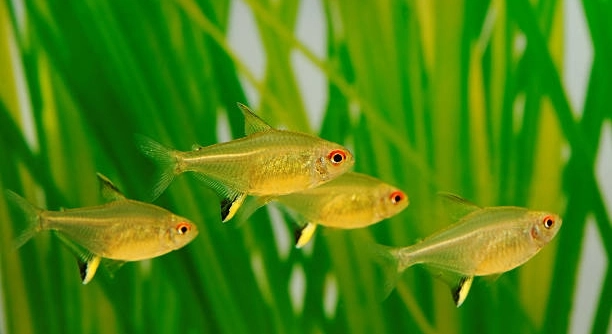
Lemon tetras are small, vibrant fish that bring life to any aquarium. Their bright yellow hue and active swimming make them appealing, yet they thrive best when their environment feels safe and predictable for their daily routines.
Lemon tetras feel secure when their tank mimics natural conditions, including stable water parameters, gentle lighting, abundant hiding spots, and consistent group dynamics. Providing these factors reduces stress and promotes normal behavior, allowing the fish to swim confidently and interact naturally.
Understanding what creates a safe space for these fish helps maintain their well-being and encourages a harmonious aquarium environment. Observing their behavior can reveal if adjustments are needed to keep them comfortable.
Tank Setup for Lemon Tetras
Creating a suitable tank for lemon tetras starts with the right size and layout. A minimum of 20 gallons is recommended to allow swimming space and to maintain stable water conditions. Adding fine gravel or sand as a substrate helps mimic their natural environment and supports beneficial bacteria growth. Plants, both floating and rooted, provide shelter and reduce stress by giving fish places to hide. Driftwood or rocks can be arranged to form small caves or crevices, which encourage natural behaviors. Avoid overcrowding the tank, as lemon tetras are active swimmers and prefer open spaces for movement. Regularly monitor water parameters, including temperature, pH, and ammonia levels, to ensure a consistent and safe environment. Gentle filtration and low to moderate water flow help maintain cleanliness without overwhelming the fish. Balanced lighting that reflects day and night cycles keeps them active while avoiding excessive stress caused by too-bright conditions.
A properly arranged tank with stable conditions encourages tetras to swim confidently and display natural behavior.
Observation of your tank’s setup is important to identify areas where improvements may enhance security. Adjusting plant placement, hiding spots, and water flow can make a significant difference. Tracking their behavior over time helps ensure that all fish remain healthy and comfortable.
Social Behavior and Group Dynamics
Lemon tetras are schooling fish and feel safer in groups of at least six.
Being in a group reduces stress and allows them to interact naturally. Their collective movements create a sense of security, while isolation can lead to lethargy and hiding.
A balanced group promotes healthy social interaction, reducing aggressive or erratic behavior. Fish that are alone often exhibit signs of anxiety, such as clamped fins or constant darting. Choosing compatible tank mates is essential; peaceful species that do not compete aggressively for food or space work best. Observing how fish interact helps identify the social balance in the tank. Over time, the group establishes a hierarchy, though lemon tetras are generally non-territorial. Maintaining a consistent group size is key, as sudden removals or additions can increase stress. Feeding routines should be predictable, offering small portions multiple times daily. Overall, creating a calm environment with ample swimming space and hiding spots enhances the sense of safety and promotes healthy growth, behavior, and coloration.
Water Quality and Temperature
Consistent water quality is crucial for lemon tetras. They thrive in temperatures between 72 and 78°F and prefer slightly acidic to neutral pH levels. Sudden changes can stress them, so monitoring and gradual adjustments are necessary to maintain a stable environment.
Regular testing of ammonia, nitrite, and nitrate levels ensures the tank remains safe. Weekly partial water changes of 20 to 30 percent help maintain clarity and remove waste buildup. Using a reliable heater and thermometer keeps temperature steady, avoiding fluctuations that can affect metabolism and immunity. Proper filtration supports beneficial bacteria growth, aiding in breaking down harmful compounds. Avoid overcrowding, as excessive waste can compromise water quality. Observing fish behavior can indicate subtle water issues before they become serious. Maintaining consistency and attentiveness ensures tetras remain healthy and confident in their habitat.
Adding live plants and gentle aeration further stabilizes water conditions. Plants help absorb nitrates and provide oxygen, while mild water movement reduces stagnation. Choosing hardy, low-maintenance plant species ensures they thrive without extensive care, creating a balanced ecosystem. By maintaining water quality and temperature, the tank supports natural behavior, vibrant colors, and long-term well-being of lemon tetras.
Feeding Habits and Diet
Lemon tetras require a balanced diet to feel secure and healthy.
High-quality flake or micro-pellet food, supplemented with frozen or live options, provides essential nutrients. Feeding small portions multiple times a day prevents overeating and maintains water quality. Variety supports their natural foraging behavior and promotes vitality.
Providing a mix of protein-rich foods and plant-based options ensures proper growth, immune function, and coloration. Live foods like brine shrimp or daphnia stimulate hunting instincts, reducing boredom and stress. Frozen alternatives, such as bloodworms, offer similar benefits without the risk of introducing parasites. Flakes or pellets fortified with vitamins help maintain energy levels. Feeding at consistent times establishes a predictable routine, which enhances their sense of security. Uneaten food should be removed promptly to prevent water contamination, supporting both health and a calm environment. Over time, a stable diet contributes to social cohesion within the school and encourages confident swimming.
Lighting and Environment
Lemon tetras feel more secure with moderate, consistent lighting. Bright or fluctuating light can stress them, while subdued lighting helps them explore, hide, and interact naturally. Providing shaded areas with plants or decorations allows them to retreat when needed.
Natural light cycles are important. Maintaining a predictable day-night rhythm of around 10–12 hours of light supports their biological clock. Floating plants or dimmable aquarium lights create a gentle transition from light to dark. This consistency reduces stress and encourages regular activity, feeding, and social behavior. Observing their reactions to lighting adjustments helps ensure comfort and well-being.
Hiding Spots and Shelter
Providing ample hiding spots reduces stress and enhances security. Dense plant clusters, driftwood, and small caves give lemon tetras areas to retreat from perceived threats.
Tank Maintenance and Cleaning
Regular tank maintenance is essential for lemon tetras’ health. Cleaning debris, performing partial water changes, and checking filtration systems keep the environment stable. Consistency prevents sudden changes in water parameters that could stress the fish and disrupt their routine.
FAQ
How many lemon tetras should be kept together?
Lemon tetras are schooling fish, so they feel safest in groups of at least six. Smaller groups may lead to stress and shy behavior. Larger groups allow them to swim naturally and interact socially, which supports confidence and reduces anxiety in the tank.
What is the ideal water temperature for lemon tetras?
The ideal temperature range is 72–78°F. Consistency is key, as sudden changes can stress them. Using a reliable heater and thermometer ensures the water remains stable, supporting their metabolism, immune system, and overall sense of security.
What pH level do lemon tetras prefer?
Slightly acidic to neutral water, with a pH between 6.0 and 7.0, is best. Maintaining this range helps them feel comfortable, reduces stress, and encourages normal behavior, including swimming patterns, feeding, and schooling interactions.
How often should I feed my lemon tetras?
Small portions two to three times a day work best. Frequent, measured feedings prevent overeating and water contamination. A balanced diet of flake, pellet, and occasional live or frozen foods supports growth, coloration, and natural foraging instincts.
Do lemon tetras need hiding spots in the tank?
Yes, hiding spots are essential. Dense plants, driftwood, or small caves provide areas to retreat when they feel threatened. These shelters reduce stress and allow them to explore the tank confidently while feeling secure in their environment.
Can lemon tetras live with other fish?
They can coexist with peaceful, similarly sized fish. Aggressive or territorial species should be avoided, as they can intimidate tetras, causing stress or injury. Observing interactions is important to ensure compatibility and maintain a calm, balanced tank environment.
How important is lighting for lemon tetras?
Moderate and consistent lighting is crucial. Too-bright or constantly fluctuating light can stress them. Floating plants or shaded areas create comfort zones, allowing the tetras to adjust naturally to the light and maintain normal activity and schooling behavior.
How often should water be changed in a lemon tetra tank?
Partial water changes of 20–30 percent weekly are recommended. This removes waste, prevents toxin buildup, and maintains water clarity. Consistent changes support stable water parameters, which are essential for the tetras’ sense of security and long-term health.
Why do lemon tetras sometimes hide?
Hiding is a natural behavior. It can indicate stress, a need for shelter, or simply resting. Proper tank setup with plants and structures ensures they have places to feel safe without negatively affecting their health or social interactions.
What are signs of a stressed lemon tetra?
Signs include clamped fins, lethargy, erratic swimming, and hiding excessively. Stress often results from poor water quality, improper temperature, insufficient group size, or lack of hiding spots. Addressing these factors promptly restores comfort and security.
Can lemon tetras adapt to new tanks quickly?
Gradual acclimation is necessary. Sudden changes in water conditions or temperature can be stressful. Using drip acclimation or floating the bag before release helps them adjust safely, supporting confidence and reducing shock during transition.
Are live plants necessary for lemon tetras?
While not strictly required, live plants enhance security by offering shelter, improving water quality, and creating a natural environment. Hardy plants like Java fern or Anubias are low-maintenance options that support healthy, confident behavior in the fish.
What is the recommended tank size for lemon tetras?
A minimum of 20 gallons is ideal for a small school. Larger tanks are better for stability, swimming space, and reducing territorial stress. Adequate space contributes to natural schooling behavior and a sense of safety for the group.
How can I reduce aggression or stress in a lemon tetra tank?
Ensure proper group size, compatible tank mates, stable water parameters, and plenty of hiding spots. Predictable feeding schedules and consistent lighting also help maintain a calm environment, allowing tetras to display natural behaviors confidently.
Is it necessary to monitor water chemistry regularly?
Yes, testing ammonia, nitrite, nitrate, and pH levels frequently prevents harmful fluctuations. Maintaining consistent water quality supports health, reduces stress, and ensures the fish feel secure and comfortable in their environment.
What types of food support their natural behavior?
A varied diet with high-quality flakes or pellets, supplemented with frozen or live foods like daphnia and brine shrimp, encourages foraging, hunting instincts, and active swimming, which are important for their sense of security and overall well-being.
How can I tell if my lemon tetras are happy?
Active swimming, vibrant coloration, regular schooling, and normal feeding behavior are signs of a content tetra. They should explore the tank confidently and interact with their group, showing minimal signs of stress or hiding.
How do I introduce new lemon tetras to an existing tank?
Acclimate them slowly to the water conditions. Adding new tetras gradually and observing interactions helps prevent aggression and stress. Providing extra hiding spots allows the newcomers to feel safe while integrating into the existing school naturally.
Do lemon tetras require special filtration?
Gentle filtration is sufficient. It should maintain water clarity and support beneficial bacteria without creating strong currents. Excessive water flow can stress the fish, while stable, mild filtration enhances comfort and security.
Can lighting changes affect their behavior?
Yes, sudden or overly bright lighting can cause stress. Consistent day-night cycles, combined with shaded areas, allow lemon tetras to adjust naturally, reducing anxiety and promoting normal activity, social behavior, and overall confidence.
What is the best way to maintain a peaceful tank environment?
Maintain stable water parameters, provide hiding spots, choose compatible tank mates, and keep a consistent feeding and lighting schedule. Monitoring behavior ensures any issues are addressed promptly, keeping the tetras secure and healthy.
How often should I check on my lemon tetras?
Daily observation is important. Watching swimming patterns, feeding behavior, and interactions helps detect stress, illness, or environmental issues early, ensuring they remain comfortable, healthy, and secure in their tank.
Are there seasonal changes that affect lemon tetras?
Temperature fluctuations during seasonal changes can stress them. Using a heater, shading, and monitoring water parameters helps maintain stability, ensuring they feel secure year-round.
Can overcrowding impact their sense of security?
Yes, too many fish reduce swimming space, increase waste, and can cause stress or aggression. Maintaining appropriate group sizes allows natural schooling and a calmer, safer environment for all tetras.
Do lemon tetras interact with their reflection?
Some may investigate reflections, which is a natural curiosity. Providing other fish or visual stimulation reduces fixation on reflections and supports normal social and schooling behavior.
What role does tank decor play in their security?
Plants, rocks, and driftwood offer shelter and retreat points. Properly placed decor reduces stress, encourages exploration, and allows tetras to feel safe while swimming and interacting naturally within their group.
How long do lemon tetras live with proper care?
With stable water, a balanced diet, and a safe environment, lemon tetras can live 3 to 5 years. Their lifespan is supported by consistent attention to tank setup, diet, and social dynamics.
Is it necessary to quarantine new fish?
Quarantining new fish prevents disease introduction and reduces stress for existing tetras. It allows observation for health issues and gradual acclimation before adding them to the main tank.
How does water hardness affect them?
Soft to moderately hard water supports natural behavior and comfort. Extreme hardness can cause stress and affect coloration, while stable conditions help maintain confidence and overall health.
Can stress affect their coloration?
Yes, stressed tetras may appear dull or faded. Maintaining water quality, proper group size, hiding spots, and a stable environment ensures vibrant colors and natural activity.
What are common mistakes that reduce security?
Overcrowding, incompatible tank mates, sudden water changes, lack of shelter, and inconsistent feeding schedules all increase stress. Addressing these factors helps tetras feel secure and display natural behaviors.
How can I encourage exploration in the tank?
Providing plants, open swimming areas, and small hiding spots encourages tetras to explore safely. Balanced lighting and predictable routines support confident, natural movement.
Is tank size more important than decor?
Both matter. Adequate swimming space supports schooling, while plants and hiding spots reduce stress. Combining proper tank size with thoughtful decor creates a safe and stimulating environment.
Do lemon tetras require a nighttime routine?
Yes, dimmed lights or natural night cycles allow them to rest. Predictable day-night transitions reduce stress and maintain natural behavior patterns.
How do I know if my diet plan is sufficient?
Healthy tetras are active, vibrant, and maintain normal growth. Balanced feeding, variety, and consistent schedules support energy, coloration, and secure behavior.
Can tank placement in the room affect them?
Yes, tanks in noisy or high-traffic areas can stress tetras. A quiet, stable location with minimal disturbances enhances comfort and confidence.
Are temperature fluctuations the main cause of stress?
They are a significant factor. Consistent temperature with a reliable heater reduces stress, supports immune function, and maintains normal swimming and social behavior.
Should I remove uneaten food immediately?
Yes, uneaten food can foul water, impacting quality and stressing fish. Removing it promptly supports a clean, safe environment for confident, healthy behavior.
Do lemon tetras recognize their tank mates?
They recognize group members through schooling interactions. Consistent group composition reduces stress and promotes natural social behavior, enhancing their sense of security.
Is filtration maintenance important?
Absolutely. Clean filters prevent debris buildup, maintain water clarity, and support beneficial bacteria. Stable conditions reduce stress and encourage confident, natural behavior in the tank.
How do I balance social and environmental needs?
Provide sufficient group size, compatible tank mates, hiding spots, and stable water conditions. Observing behavior helps fine-tune the environment, ensuring tetras feel safe and secure.
Can stress lead to illness?
Yes, chronic stress lowers immunity, making tetras susceptible to disease. Maintaining water quality, group stability, diet, and shelter helps prevent stress-related illnesses.
How do I maintain consistency when traveling or moving tanks?
Gradual acclimation, stable water parameters, and temporary hiding spots during relocation minimize stress. Monitoring behavior ensures tetras remain comfortable throughout changes.
Are there visual cues that indicate comfort?
Active swimming, bright colors, normal schooling, and regular feeding show contentment. Fish that explore confidently without excessive hiding are indicators of a secure, healthy environment.
Do tank decorations need regular cleaning?
Yes, debris and algae buildup should be removed. Clean decorations maintain water quality and provide safe, comfortable hiding spots without stressing the tetras.
What is the best way to introduce environmental changes?
Make small, gradual adjustments. Sudden changes in plants, lighting, or layout can stress tetras. Incremental modifications help them adapt while maintaining a sense of security.
Can lemon tetras adapt to community tanks?
Yes, with peaceful, compatible species. Proper group size, hiding spots, and stable water conditions help them adjust while preserving natural behavior and confidence.
Do lemon tetras require supplemental vitamins?
A varied diet usually provides sufficient nutrients, but fortified flakes or occasional supplements support growth, immune function, and vibrant coloration, enhancing overall health and security.
How long should acclimation take for new fish?
Two to three hours using drip or floating methods ensures gradual adjustment to temperature and water chemistry, reducing stress and supporting a smooth transition.
Is water movement important?
Moderate water flow supports filtration and oxygenation without stressing the tetras. Too-strong currents can cause fatigue, while calm, consistent flow enhances comfort and natural swimming.
Can seasonal changes in lighting affect behavior?
Yes, consistent day-night cycles are important. Adjusting light gradually or using timers prevents stress and helps maintain normal activity and social interactions.
Do lemon tetras need specialized tanks for breeding?
Breeding requires soft, slightly acidic water, plants for egg-laying, and separation from adults. Proper conditions reduce stress and increase chances of successful spawning.
How often should I observe my tetras?
Daily monitoring of swimming, feeding, and social behavior helps detect stress, illness, or environmental issues early, keeping them secure and healthy.
What common mistakes reduce their sense of security?
Overcrowding, aggressive tank mates, sudden water changes, poor hiding spots, inconsistent feeding, and fluctuating lighting all cause stress. Addressing these maintains comfort, natural behavior, and overall well-being.
How can I encourage healthy schooling?
Provide adequate group size, swimming space, and stable conditions. Observing interactions ensures social balance, reducing stress and encouraging natural coordinated movements.
Are tank plants more for comfort or filtration?
Both. Plants offer hiding spots and reduce stress while improving water quality by absorbing nitrates and supporting oxygen levels, contributing to a secure, balanced environment.
How can I reduce sudden stress triggers?
Maintain stable water, consistent feeding, proper lighting, hiding spots, and compatible tank mates. Gradual changes and careful observation prevent shocks and support confidence.
Do lemon tetras show signs of happiness?
Yes, vibrant colors, active swimming, normal feeding, and schooling indicate contentment. Fish that explore confidently and interact with their group feel secure in their environment.
How important is tank placement?
Quiet, low-traffic areas reduce stress. Tanks placed away from vibrations, sudden noises, or direct sunlight help tetras remain comfortable and display natural behavior.
Can dietary variety impact behavior?
Yes, varied foods stimulate foraging, reduce boredom, and support natural activity patterns. Balanced diets contribute to confidence, energy, and social cohesion in the school.
Do lemon tetras need temperature adjustments for different seasons?
Maintaining a consistent 72–78°F prevents stress. Seasonal fluctuations can be mitigated with a heater or shading, keeping conditions stable for secure, healthy behavior.
What are early signs of stress to watch for?
Clamped fins, hiding, lethargy, erratic swimming, or dull coloration indicate stress. Prompt adjustments to water, tank setup, or social dynamics help restore comfort.
How can I integrate new decorations safely?
Introduce one change at a time. Gradual placement of plants or rocks avoids sudden stress, allowing tetras to explore and adapt without fear.
Is quarantine necessary for new tank mates?
Yes, it prevents disease introduction and allows observation of behavior before joining the main tank, supporting overall security and health.
Do lemon tetras respond to human presence?
They may watch or swim near glass but are sensitive to sudden movements. Consistent, calm observation avoids stress while allowing interaction.
How can I monitor water consistently?
Regular testing for ammonia, nitrite, nitrate, pH, and temperature ensures stable conditions. Keeping records helps identify trends and prevent stress-related problems.
Can overcrowding cause disease outbreaks?
Yes, excess waste and stress weaken immunity. Proper group size, filtration, and routine maintenance reduce the risk of illness and support a secure environment.
Are certain tank mates better for security?
Peaceful, similarly sized fish complement schooling behavior. Aggressive or fast-moving species can intimidate tetras, increasing stress and disrupting social harmony.
What is the effect of sudden noise or vibration?
Lemon tetras are sensitive to external disturbances. Loud sounds or vibrations can cause hiding, erratic swimming, or stress-related illness. Stable surroundings improve confidence and reduce anxiety.
Can overfeeding impact behavior?
Yes, leftover food affects water quality, leading to stress and disease. Feeding small portions consistently prevents issues and supports natural foraging and swimming activity.
Do lemon tetras need separate tanks for breeding?
Yes, a dedicated breeding tank with soft, slightly acidic water and plants increases success rates while reducing stress on adult fish.
How do I maintain calm during tank cleaning?
Partial water changes and gentle handling prevent stress. Avoid sudden removal of fish or decorations, and maintain stable water parameters throughout the process.
Is temperature more important than tank decor?
Both are crucial. Stable temperature supports health and comfort, while plants and hiding spots reduce stress and provide security for natural behaviors.
How can I encourage natural feeding behavior?
Offer a variety of foods, scatter feed, or use live/frozen options. This simulates foraging and hunting instincts, supporting mental stimulation and confidence.
Do lemon tetras need constant supervision?
Daily observation is sufficient. Monitoring swimming, feeding, and social behavior helps identify issues early and maintain a secure environment without unnecessary interference.
Can sudden light changes harm them?
Yes, abrupt transitions cause stress. Using timers or gradual dimming maintains predictable lighting, supporting natural activity patterns and comfort.
What are signs of illness caused by stress?
Lethargy, clamped fins, faded coloration, loss of appetite, and unusual swimming indicate stress-related illness. Quick intervention restores health and security.
How often should I trim plants?
Regular pruning prevents overcrowding, maintains hiding spots, and ensures open swimming space. Proper maintenance supports a balanced environment and reduces stress.
Do lemon tetras need specialized lighting for color?
Moderate, consistent lighting enhances natural coloration but avoids excessive brightness. Shaded areas and gradual transitions reduce stress and support normal behavior.
Can they adapt to community tanks easily?
Yes, with peaceful species, proper group size, and secure hiding spots. Stable conditions support confidence and natural schooling within a community setup.
Are reflections in the tank harmful?
Not usually. Some tetras may investigate reflections out of curiosity. Providing other fish or visual stimulation prevents fixation and encourages normal social behavior.
How do I handle a sick fish without stressing others?
Isolate the affected fish in a quarantine tank with similar water parameters. Monitor recovery while maintaining stable conditions in the main tank to reduce stress on healthy tetras.
Is plant density important for security?
Yes, dense areas provide hiding spots, reduce stress, and allow confident exploration, enhancing both safety and social interaction within the school.
Do lemon tetras need special supplements?
Varied food generally suffices, but occasional fortified flakes or vitamins support growth, immune function, and vibrant coloration, contributing to overall health and sense of security.
How does water hardness affect them?
Soft to moderately hard water supports natural behavior and comfort. Extreme hardness can stress them and dull coloration, while stable conditions enhance confidence.
Can tank size impact stress levels?
Yes, adequate swimming space reduces aggression and supports schooling. Overcrowded tanks increase stress and hinder natural behavior. A minimum of 20 gallons for small groups is recommended.
Do lemon tetras respond to temperature drops?
Sudden drops can cause stress, lethargy, or illness. Maintaining a stable 72–78°F range with a heater ensures comfort and consistent activity.
Are floating plants beneficial?
Yes, they provide shade, reduce light intensity, and offer shelter, supporting natural behavior and
Lemon tetras are small, vibrant fish that respond strongly to the conditions of their environment. Their sense of security depends on multiple factors working together, from stable water parameters to proper tank setup and social interactions. A consistent temperature, slightly acidic to neutral pH, and reliable filtration form the foundation of a safe habitat. When these elements are maintained, lemon tetras display natural behaviors such as schooling, exploring, and feeding confidently. Sudden changes or poor water quality can lead to stress, which often manifests through hiding, clamped fins, or erratic swimming. Observing these behaviors regularly helps identify potential issues before they become serious. The combination of physical environment and careful monitoring ensures that the fish remain healthy and comfortable over time, making their tank a stable and secure place to thrive.
The social structure of lemon tetras is also a significant part of their sense of security. They are schooling fish and benefit from being kept in groups of at least six. Being part of a cohesive group reduces stress, allows for natural interactions, and encourages confidence in swimming and exploration. Introducing new fish should be done gradually, with attention to group dynamics and providing hiding spots to reduce anxiety. Tank decorations, plants, and gentle lighting also contribute to their well-being, giving them spaces to retreat when they feel threatened and helping them establish a predictable routine. Balanced feeding schedules and a varied diet reinforce stability and promote healthy behavior. Over time, these factors work together to create a comfortable environment where the tetras can display their natural colors, movements, and interactions without fear or stress.
Maintaining a secure and healthy habitat requires regular attention, but it is manageable with a straightforward approach. Partial water changes, consistent feeding, proper tank placement, and monitoring of behavior are essential tasks that support long-term health. Providing adequate swimming space, hiding spots, and calm surroundings reduces tension and encourages natural schooling behavior. The combination of environmental stability, social cohesion, and attentive care allows lemon tetras to thrive in captivity. When all these elements are in place, the tank becomes more than just a display—it becomes a safe space that meets their physical and behavioral needs. Observing their daily routines and responses to the environment provides insight into their comfort levels, allowing adjustments as necessary. By focusing on stability, routine, and a supportive environment, it is possible to create a space where lemon tetras feel secure, remain healthy, and display their natural, lively behaviors consistently over time.

Hello,
If you enjoy the content that we create, please consider saying a "Thank You!" by leaving a tip.
Every little bit helps us continue crafting quality advice that supports the health, happiness, and well-being of pets around the world, for pets of all shapes, sizes, and species.
We really appreciate the kindness and support that you show us!