
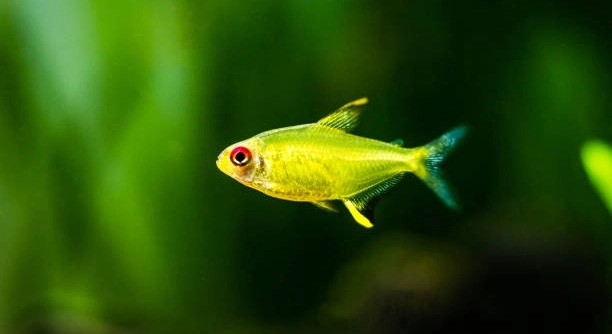
Lemon tetras are small, vibrant fish that brighten any aquarium. Many hobbyists enjoy keeping them, but even minor changes in their environment can affect their well-being. Awareness of potential risks is key to maintaining healthy fish.
Unexpected factors can harm lemon tetras, including poor water quality, sudden temperature changes, overcrowding, improper diet, aggressive tank mates, stress from frequent handling, and exposure to chemicals. Each factor can compromise their health and reduce lifespan if not managed properly.
Knowing these risks will help you create a safer environment for your tetras. Understanding how small changes affect them ensures happier, healthier fish in your aquarium.
Poor Water Quality
Maintaining clean water is essential for lemon tetras. High levels of ammonia, nitrites, or nitrates can stress fish and cause illness. Even slight changes in pH or hardness can affect their health. Regular testing and water changes help maintain a stable environment. Dirty filters or leftover food can quickly degrade water quality, putting tetras at risk. I’ve noticed that even experienced fishkeepers sometimes overlook weekly water checks. Keeping the tank clean isn’t just about appearance—it directly impacts the fish’s lifespan. Removing uneaten food promptly, avoiding overfeeding, and monitoring water parameters ensures that the fish remain active and vibrant. Many health issues can be prevented simply by paying attention to the water. Using a reliable water test kit and performing consistent partial water changes creates a stable habitat. Observing the fish for signs of stress, like clamped fins or lethargy, also helps catch water problems early before they become serious.
Clean, stable water is vital for lemon tetras. Regular testing, partial water changes, and careful feeding prevent stress and disease.
Even when the tank looks clear, invisible toxins may build up over time. Ammonia and nitrite spikes often go unnoticed until fish show signs of illness. I’ve seen healthy tetras suddenly weaken because water parameters shifted too quickly. Using a combination of filtration, water conditioners, and frequent monitoring keeps these small fish safe. Setting a consistent cleaning schedule helps avoid surprises and allows for early detection of problems. A well-maintained tank encourages natural behavior, bright coloration, and reduces stress-related diseases.
Sudden Temperature Changes
Lemon tetras are sensitive to temperature fluctuations. Rapid changes can shock their system and weaken their immune response. Consistent heating and gradual adjustments protect their health and ensure stable tank conditions.
Sudden temperature shifts can stress fish and increase vulnerability to infections. Even small changes from room drafts or heater malfunctions may cause problems.
It’s important to keep the tank within the ideal range of 74–80°F. Using a reliable heater with a thermostat minimizes sudden swings. Avoid placing tanks near windows, vents, or doors where temperatures can fluctuate. When performing water changes, ensure the new water matches the tank’s temperature closely. I’ve found that slowly acclimating new fish before introducing them reduces stress significantly. Stress from cold or warm spikes can cause tetras to hide, stop eating, or develop diseases. Maintaining a steady environment with minimal disturbances promotes active swimming, feeding, and social behavior. Observing the fish daily helps detect temperature-related issues early, allowing adjustments before serious health problems occur. Consistency in temperature is one of the simplest ways to ensure lemon tetras thrive in captivity.
Overcrowding
Too many fish in a tank reduces oxygen levels and increases waste buildup, which can harm lemon tetras. Crowding creates stress, weakens their immune system, and can lead to aggressive behavior among tank mates.
Overcrowding often goes unnoticed until fish show signs of stress, such as hiding or loss of color. I’ve experienced a tank where adding just a few extra tetras caused noticeable tension. The extra waste from overstocking quickly affected water quality, requiring more frequent cleaning. Each tetra needs space to swim freely and maintain normal behavior. Proper stocking ensures every fish has room to thrive. Limiting the number of fish according to tank size keeps the environment stable, reducing disease risk. It also allows the filtration system to work efficiently without being overloaded, preventing harmful chemical spikes.
When tanks are overcrowded, feeding becomes challenging. Dominant fish may eat more while weaker ones go hungry. Stress from constant competition can trigger illness and shortened lifespans. Providing adequate space and hiding spots helps reduce conflict and promotes healthier, calmer fish. Maintaining proper numbers also simplifies maintenance and water management, which benefits everyone in the tank. Regular observation ensures that overcrowding issues are addressed before they escalate.
Aggressive Tank Mates
Lemon tetras are peaceful fish and do not tolerate aggressive companions well. Larger or nippy species can injure them, leading to stress and illness. Choosing compatible tank mates is essential for a safe environment.
Aggressive fish cause constant stress, which weakens tetras’ immune systems. Even minor fin nipping can result in infections or behavioral changes. I once added a single aggressive species to a community tank, and the tetras became timid and stopped feeding properly. Observing interactions helps identify harmful behavior early. Separating aggressive species or selecting calm companions prevents injuries and ensures all fish can swim and feed without fear.
Compatibility also extends to swimming levels and feeding habits. Lemon tetras are mid-to-top swimmers and prefer calm surroundings. Aggressive fish competing for food or territory can dominate resources, leaving tetras malnourished. Providing plenty of hiding spots, plants, and visual barriers reduces stress and helps peaceful fish maintain normal routines. Choosing tank mates carefully and monitoring behavior supports long-term health and vibrant activity. In a harmonious tank, lemon tetras exhibit bright colors, active swimming, and natural social interactions, making the aquarium enjoyable and safe.
Improper Diet
Lemon tetras require a balanced diet with protein, vegetables, and occasional treats. Feeding only flakes or one type of food can cause nutrient deficiencies and weaken their health. Consistency and variety are important to maintain their energy and coloration.
Overfeeding can be just as harmful as underfeeding. Excess food decays quickly, affecting water quality and causing digestive issues. I’ve noticed that tetras thrive when given small portions multiple times a day rather than one large feeding. Rotating between flakes, frozen, and live foods ensures they get essential vitamins and minerals. A proper diet keeps them active, healthy, and visually vibrant in the aquarium.
Stress from Frequent Handling
Handling lemon tetras often causes stress. Even brief netting or moving between tanks can disrupt their routine and make them vulnerable to illness.
Exposure to Chemicals
Household cleaners, aerosols, or unconditioned tap water introduce harmful chemicals into the aquarium. Chlorine, heavy metals, and residues can damage gills and internal organs, reducing lifespan and health.
FAQ
What are the signs that my lemon tetras are stressed?
Lemon tetras show stress through clamped fins, faded color, hiding, or reduced appetite. They may swim erratically or stay near the surface. I’ve noticed that even minor changes in water or tank setup can trigger these behaviors. Monitoring their routine daily helps detect stress early.
How often should I change the water?
A partial water change of 20–30% weekly keeps the tank stable. Over time, even clean-looking water accumulates toxins. I find a consistent schedule prevents sudden spikes in ammonia or nitrates, which can harm tetras. Testing water parameters alongside changes is essential.
Can I keep lemon tetras with other fish?
Yes, but they need peaceful companions. Avoid aggressive or large species that nip fins or dominate space. I’ve seen tetras thrive with small rasboras, guppies, or dwarf gouramis. Proper tank planning and observation ensure compatibility and reduce stress.
What is the ideal temperature range?
Lemon tetras do best between 74–80°F. Sudden shifts outside this range weaken their immune system. I always use a reliable heater and thermometer to maintain steady temperatures, especially during seasonal changes. Stable warmth supports active swimming, feeding, and natural behavior.
How can I prevent fin damage from other fish?
Providing enough space, hiding spots, and selecting calm tank mates reduces fin injuries. Overcrowding often worsens aggression, so careful stocking is important. I add plants and decorations to break line-of-sight and allow tetras to retreat, which minimizes stress and fin nipping.
What should I feed my lemon tetras?
A mix of high-quality flakes, frozen, and live foods ensures proper nutrition. Rotating diet prevents deficiencies and promotes vibrant coloration. I feed small amounts two to three times daily, observing that tetras remain active and healthy. Avoid overfeeding to protect water quality and digestion.
How can I reduce stress during water changes or tank maintenance?
Always match new water temperature to the tank and move fish gently if needed. I minimize handling and perform changes consistently. Gradual adjustments and careful attention to timing help tetras adapt without unnecessary stress.
Are lemon tetras sensitive to chemicals?
Yes, chlorine, heavy metals, and cleaning residues are harmful. I always treat tap water with a conditioner and keep cleaning products away from the tank. Even small exposures can affect gills, skin, and overall health. Preventing chemical contact is easier than treating sickness later.
How do I know if my tank is overcrowded?
Signs include increased aggression, uneaten food, cloudy water, and tetras hiding frequently. I calculate tank capacity based on the rule of one inch of fish per gallon, then adjust for plants and decorations. Maintaining space ensures healthier, calmer fish.
Can lemon tetras live in a bare tank?
They can survive, but a planted or decorated tank reduces stress and mimics natural habitat. I’ve seen tetras thrive with plants, rocks, and hiding areas, which encourage normal swimming patterns, feeding behavior, and social interaction. A thoughtful setup promotes long-term health and color vibrancy.
How do I introduce new fish safely?
Quarantine new fish for at least two weeks to prevent disease spread. I acclimate them slowly to the tank water, monitoring behavior closely. Gradual introduction reduces stress and prevents outbreaks that could harm existing tetras.
What is the best way to monitor tank conditions?
Regular testing for ammonia, nitrites, nitrates, and pH is essential. I also observe fish behavior and water clarity daily. A consistent schedule combined with testing ensures stable conditions, early detection of problems, and a healthy environment for lemon tetras.
How do I prevent aggression in a community tank?
Choosing compatible species, providing sufficient space, and adding hiding spots help. I avoid aggressive or territorial fish and monitor interactions closely. Breaking line-of-sight with plants or decorations reduces conflicts and keeps tetras calm and active.
What should I do if a tetra falls ill?
Isolate the sick fish in a quarantine tank. I check water parameters, ensure proper nutrition, and, if needed, use appropriate medication. Early detection and action prevent disease from spreading and improve chances of recovery.
How often should I clean the filter?
Cleaning depends on filter type, but generally once a month is sufficient. I rinse filter media in tank water to preserve beneficial bacteria. Over-cleaning can disrupt the biological balance, while under-cleaning leads to buildup and water quality issues.
What causes faded colors in lemon tetras?
Stress, poor diet, illness, or poor water quality often dull their color. I monitor feeding, tank conditions, and fish behavior to identify causes. Maintaining a stable environment and proper nutrition restores brightness over time.
How important are hiding spots?
Very important. Hiding places reduce stress, allow rest, and prevent aggression. I use plants, rocks, and decorations to create retreats. Even a few well-placed areas help tetras feel secure, promoting natural swimming and social behaviors.
Can lemon tetras live in soft water?
Yes, but sudden changes can be harmful. I maintain consistent water hardness and avoid abrupt shifts. Soft water should be monitored carefully for pH and mineral levels to prevent stress and health issues.
How long do lemon tetras live?
With proper care, they typically live 5–8 years. I’ve found consistent water quality, balanced diet, and stress-free environments greatly influence lifespan. Attention to detail ensures that tetras remain healthy and active throughout their life.
How do I recognize early signs of disease?
Look for unusual swimming, clamped fins, spots, or reduced appetite. I check water parameters and behavior daily. Early detection allows timely treatment, preventing severe illness and loss of fish. Prompt response maintains overall tank health and stability.
How can I encourage natural behavior?
Provide plants, swimming space, and a calm environment. I observe tetras schooling, exploring, and feeding actively. Mimicking natural conditions promotes healthy social interactions, reduces stress, and keeps them vibrant and energetic.
What should I avoid placing near the tank?
Avoid cleaners, sprays, or chemicals nearby. Even minor exposure can affect gills and health. I keep all products at a distance and use treated water. Preventing contamination is simpler than managing sickness caused by chemicals.
How do I acclimate new tetras properly?
Float the sealed bag in the tank for 15–20 minutes, gradually mixing tank water with the bag water. I monitor behavior closely. Slow acclimation prevents shock, reduces stress, and helps new tetras adapt safely to their environment.
How do I prevent algae growth from harming tetras?
Control lighting and nutrient levels. I remove excess food and debris promptly. Overgrown algae can reduce oxygen and trap waste, creating a less healthy environment. Regular maintenance ensures tetras have clean, safe water and plenty of swimming space.
Can I use tap water directly?
Never use untreated tap water. I always add a conditioner to remove chlorine and heavy metals. Properly treated water protects gills and overall health. Using conditioned water consistently prevents unnecessary stress and disease.
How can I tell if my tank is too small?
Frequent stress, fin damage, and crowded swimming patterns indicate insufficient space. I calculate fish size versus tank volume and provide ample swimming areas. Adequate space ensures healthy growth, reduces stress, and allows natural behaviors.
What is the best way to feed multiple tetras?
Distribute food evenly across the tank. I watch to ensure all fish eat and remove uneaten portions. This prevents overfeeding, reduces water contamination, and ensures each tetra receives proper nutrition without competition or stress.
How do I maintain stable pH levels?
Monitor regularly and avoid sudden changes. I use buffers or substrates that help maintain consistent pH. Stable conditions prevent stress, disease, and long-term health issues, supporting vibrant and active lemon tetras.
Can stress shorten their lifespan?
Yes. Constant stress from poor water, aggressive tank mates, or handling reduces immune function. I focus on stability, safe companions, and gentle care to maximize health and longevity. Preventing stress keeps tetras active, colorful, and thriving for years.
How often should I observe my fish?
Daily observation is ideal. I watch for behavior changes, color shifts, or unusual swimming. Consistent monitoring helps detect problems early and ensures a healthy, stable environment for lemon tetras.
What is the safest way to clean the tank?
Use gentle methods and remove uneaten food or debris carefully. I rinse decorations and filter media in tank water to preserve beneficial bacteria. Avoid harsh chemicals to maintain a safe, stable habitat for tetras.
How do I prevent diseases from spreading?
Quarantine new fish, maintain water quality, and avoid overcrowding. I also monitor for early signs of illness. Prompt action, proper feeding, and stress reduction reduce the chance of outbreaks and maintain a healthy community tank.
Are lemon tetras sensitive to light changes?
Yes, sudden bright or flashing light can stress them. I use a consistent day-night cycle and avoid abrupt changes. Stable lighting supports normal behavior, feeding, and coloration.
What is the best way to handle water parameter fluctuations?
Make gradual adjustments. I slowly correct pH, temperature, or hardness over hours rather than sudden changes. This approach prevents stress and maintains immune function, keeping tetras healthy and active.
How can I encourage schooling behavior?
Keep at least six tetras together. I observe them swimming in coordinated groups, which reduces stress and promotes natural behavior. Proper space and calm companions enhance social interaction and overall well-being.
Can decorations harm lemon tetras?
Sharp or rough objects can injure fins. I choose smooth rocks and plants, ensuring safe hiding spots. Proper decoration reduces stress and prevents physical damage while maintaining a natural-feeling habitat.
How do I deal with floating debris?
Remove uneaten food and plant matter promptly. I skim the surface daily and perform partial water changes. Clean water reduces toxin buildup and keeps tetras active and healthy.
Is regular testing really necessary?
Yes, it prevents unseen problems. I test ammonia, nitrites, nitrates, and pH weekly. Consistent monitoring detects early issues before they impact fish health, ensuring a stable, safe environment.
What is the role of oxygen in the tank?
Adequate oxygen supports metabolism and activity. I use proper filtration, aeration, and avoid overcrowding. Low oxygen levels stress tetras and increase disease risk, so monitoring and maintaining good water movement is critical.
Can sudden noise affect lemon tetras?
Yes, loud vibrations or constant noise stress them. I place tanks away from speakers or high-traffic areas. Calm surroundings help tetras swim freely, feed, and display natural behaviors without fear.
How can I prevent tank algae from harming fish?
Control light exposure, nutrients, and debris. I remove excess algae manually and ensure balanced feeding. Proper maintenance prevents oxygen depletion, maintains water clarity, and protects tetras’ health.
What temperature adjustments are safe for water changes?
Gradually match new water to tank temperature. I mix slowly over 15–20 minutes before adding it. Sudden shifts stress tetras and can trigger illness, so careful adjustment is essential.
How do I introduce plants safely?
Rinse plants thoroughly and avoid pesticides. I check for pests or chemicals before adding them. Healthy plants improve water quality, provide hiding spots, and support natural behavior without risking tetra health.
What should I avoid feeding?
Avoid bread, processed human foods, or large pellets. I stick to fish-specific flakes, frozen, or live foods. Unsafe foods harm digestion, water quality, and overall health. Consistent proper feeding keeps tetras active and colorful.
How do I maintain social harmony in a community tank?
Provide space, hiding areas, and calm companions. I monitor interactions daily. Proper stocking and environmental management prevent aggression and stress, keeping lemon tetras healthy and thriving together.
Can tap water fluctuations affect their health?
Yes, changes in pH or hardness from tap water can stress them. I always use conditioners and test water regularly. Stable parameters prevent illness, color loss, and behavior issues.
What should I do if a fish stops eating?
Check water parameters, tank mates, and diet. I observe for illness or stress and isolate if needed. Early intervention often restores appetite and prevents serious health decline.
How do I keep the tank safe from household chemicals?
Store cleaners and aerosols away from the tank. I always treat tap water and prevent accidental contamination. Even minor exposure can harm gills, skin, and overall fish health.
How much space does each tetra need?
At least one gallon per inch of fish is recommended, with extra space for swimming and plants. I ensure proper spacing to reduce stress, aggression, and overcrowding. Proper space encourages activity, social behavior, and long-term health.
How do I avoid sudden disease outbreaks?
Maintain water quality, quarantine new fish, and reduce stress. I observe daily and act early at signs of illness. Consistent care and monitoring are the best defense against sudden health problems.
Can frequent handling affect their lifespan?
Yes, constant handling stresses fish and weakens their immune system. I minimize movement and only handle when necessary, ensuring tetras remain healthy and active over the years.
How do I know if my tetra is sick?
Look for unusual swimming, discoloration, clamped fins, or inactivity. I test water and isolate sick fish immediately. Early identification allows treatment before the illness spreads.
How important is a stable environment?
Very important. Fluctuations in water, temperature, or light increase stress. I maintain consistency in all conditions, which supports immune function, coloration, activity, and longevity.
What are the easiest ways to keep water safe?
Regular testing, partial water changes, and proper feeding prevent toxins. I remove debris and avoid chemical exposure. These practices maintain a healthy habitat and reduce stress or disease risk for lemon tetras.
Can stress affect breeding?
Yes, stressed tetras rarely spawn. I maintain calm conditions, proper diet, and stable water parameters. Reducing stress improves reproductive behavior and overall vitality.
How do I encourage healthy growth?
Provide balanced nutrition, stable water, and appropriate tank mates. I monitor for stress and overcrowding. Proper conditions support growth, color development, and long-term well-being.
Are lemon tetras sensitive to light flicker?
Yes, sudden or flickering light can stress them. I use consistent lighting schedules and avoid unstable bulbs. Stable illumination supports natural activity, feeding, and schooling behavior.
How can I maintain consistent water parameters?
Test weekly and make gradual adjustments when necessary. I use buffers and conditioners to prevent abrupt shifts. Stability reduces stress, prevents disease, and ensures vibrant, healthy fish.
How do I know if my tank is safe after cleaning?
Check water clarity, temperature, pH, and observe fish behavior. I ensure no chemical residues remain. Safe post-cleaning conditions prevent stress, illness, and maintain a healthy environment for tetras.
Can diet influence coloration?
Yes, varied foods with essential nutrients enhance brightness. I feed a mix of flakes, frozen, and live foods. Proper diet keeps lemon tetras vibrant, active, and visually healthy.
What happens if a tetra is isolated?
Isolation causes stress since they are schooling fish. I keep groups together for social interaction. Being alone reduces activity, feeding efficiency, and overall health.
How do I prevent parasites?
Quarantine new fish, maintain water quality, and observe daily. I treat promptly if parasites are detected. Prevention is easier than curing infestations in a community tank.
How can I encourage active swimming?
Provide open space, plants, and calm companions. I maintain proper water conditions. Active swimming improves health, coloration, and natural social behavior.
How do I monitor for early illness signs?
Watch behavior, appetite, and coloration. I test water regularly and separate sick fish immediately. Early detection prevents disease spread and supports healthy tank management.
What should I do during power outages?
Keep the tank in a stable, shaded area. I avoid sudden water changes and ensure aeration if possible. Minimizing temperature fluctuations and stress helps fish survive short outages.
How important are tank decorations?
Decorations reduce stress, provide hiding spots, and encourage natural behavior. I choose smooth, safe items to prevent injury and maintain a comfortable environment for lemon tetras.
How do I prevent aggression from increasing?
Maintain proper stocking, hiding spots, and calm companions. I observe daily. Reducing competition for space or food keeps tetras peaceful and healthy.
Can overfeeding affect water quality?
Yes, uneaten food decomposes and raises ammonia levels. I feed small portions multiple times daily and remove leftovers promptly. Proper feeding protects water quality and fish health.
How do I maintain healthy gills?
Stable water, low toxins, and proper oxygenation support gill function. I avoid chemical exposure and overcrowding. Healthy gills are essential for oxygen intake, activity, and long-term survival.
How can I tell if water is unsafe?
Test for ammonia, nitrites, nitrates, and pH. I also observe fish behavior for signs of stress or illness. Unsafe water conditions require immediate adjustments to protect tetras.
What is the best way to acclimate multiple new fish?
Float the bags together, gradually mix tank water, and release slowly. I monitor all fish closely for stress or aggression. Careful acclimation prevents illness and supports harmonious integration.
Can temperature fluctuations cause disease?
Yes, rapid changes weaken immunity and increase infection risk. I maintain steady temperatures and monitor daily. Stability protects health, coloration, and activity.
How do I reduce stress from aggressive fish?
Provide hiding spots, maintain proper stocking, and separate if necessary. I observe interactions and adjust the environment. Reducing stress improves immune function and long-term health.
Can small water changes be harmful?
Minor, consistent changes are safe. I avoid large, sudden replacements. Gradual adjustments maintain stable water parameters and prevent stress or shock in lemon tetras.
How important is consistent feeding?
Regular, balanced feeding keeps tetras healthy and active. I feed small portions multiple times daily and rotate foods to ensure nutrition. Consistency prevents stress, malnutrition, and water contamination.
How do I prevent water parameter swings?
Test regularly, perform gradual changes, and avoid overstocking. I use conditioners and buffers to stabilize conditions. Maintaining balance reduces stress and promotes long-term health.
Can sudden tank moves stress tetras?
Yes, moving a tank or rearranging decorations abruptly can trigger fear. I make changes gradually and carefully. A stable environment supports natural behavior, feeding, and social interaction.
How do I manage algae growth safely?
Control light, nutrients, and debris. I manually remove algae and maintain balanced feeding. Proper management prevents oxygen depletion and keeps the environment safe for tetras.
Can poor water circulation harm them?
Lemon tetras are small, delicate fish that bring color and movement to any aquarium. Keeping them healthy requires attention to their environment, diet, and social needs. Small changes in water quality, temperature, or tank setup can have a big impact on their well-being. Many of the problems tetras face, such as stress, illness, or reduced lifespan, are preventable with consistent care and observation. Monitoring water parameters regularly, feeding a varied and balanced diet, and providing enough space and hiding spots helps ensure they remain active and vibrant. Even experienced keepers can overlook small factors that affect health, so developing a routine and paying attention to the details is important.
Stress is one of the most significant challenges for lemon tetras. Aggressive tank mates, overcrowding, sudden temperature changes, and frequent handling all contribute to stress, which can weaken their immune system and make them vulnerable to disease. Maintaining a calm and stable environment is crucial. I’ve noticed that even minor disturbances, like moving decorations too often or introducing new fish without proper acclimation, can lead to temporary behavioral changes or hiding. Providing plants, decorations, and open swimming areas allows tetras to feel secure while also encouraging natural schooling and feeding behavior. Regular observation of their behavior, color, and appetite can reveal early signs of stress or health problems, giving the caretaker the chance to make adjustments before issues escalate.
Water quality and tank maintenance are foundational for the health of lemon tetras. Clean, well-filtered water reduces the risk of disease, maintains proper oxygen levels, and supports overall vitality. Even with a small group of tetras, partial water changes, filter cleaning, and monitoring of ammonia, nitrite, nitrate, and pH levels are essential. Treating tap water, removing uneaten food promptly, and avoiding chemicals near the tank prevent harmful exposures. A well-maintained aquarium creates a stable and supportive environment that allows tetras to display their natural behaviors, vibrant colors, and active schooling patterns. By keeping these factors in mind and establishing consistent routines, caretakers can help their lemon tetras thrive and enjoy a long, healthy life in the aquarium.

Hello,
If you enjoy the content that we create, please consider saying a "Thank You!" by leaving a tip.
Every little bit helps us continue crafting quality advice that supports the health, happiness, and well-being of pets around the world, for pets of all shapes, sizes, and species.
We really appreciate the kindness and support that you show us!