
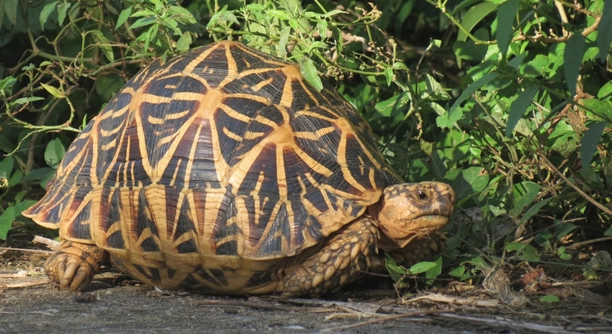
Indian Star Tortoises are known for their distinctive appearance and are a popular species among turtle enthusiasts. Understanding what sets them apart from other tortoises can provide insight into their unique characteristics.
Indian Star Tortoises have a striking appearance, featuring a star-patterned shell, which makes them stand out from other species. Native to India and Sri Lanka, they are known for their docile nature and slow growth rate, making them highly valued as pets.
Their unique features, including their star-patterned shell and peaceful temperament, are only some of the aspects that make them fascinating. Understanding their specific care needs is essential for anyone interested in keeping them as pets.
Physical Characteristics of Indian Star Tortoises
Indian Star Tortoises are easily recognizable due to their unique star-shaped markings on their domed shells. These patterns are not just for show; they serve as camouflage in the wild. The dark markings blend with the environment, helping them avoid predators. The shells are also quite strong, offering protection against threats. Adult Indian Star Tortoises usually grow to about 12 inches long, with females being slightly larger than males. Their legs are thick and sturdy, built for navigating rocky, dry landscapes in their native regions. Additionally, their slow movement adds to their protective strategy, allowing them to stay hidden in plain sight.
The shell’s design is one of the main features that make them stand out. Unlike some other tortoises, their shell has a smooth, glossy finish. This feature adds to their overall appeal as exotic pets. Their attractive appearance makes them a popular choice for those interested in reptiles.
A fully grown Indian Star Tortoise has a beautiful, smooth, and rounded shell that can range in color from yellow to brown. Their vivid star patterns emerge as they mature. This makes them even more striking over time. Their slow, deliberate movement and unique look make them highly sought after by reptile lovers. Keeping them in a proper habitat is essential to maintaining their health and appearance.
Habitat and Care for Indian Star Tortoises
Creating the right environment is key to the well-being of an Indian Star Tortoise. They thrive in warm, dry conditions similar to their native habitat in India and Sri Lanka. It’s crucial to provide a spacious enclosure that allows them to move around freely.
To keep them healthy, maintain a temperature range of 80 to 90°F during the day, with a slight drop at night. They also require UVB lighting to simulate natural sunlight, promoting proper shell and bone development. A substrate like sand or soil will give them a more natural feel, allowing them to burrow and dig as they would in the wild. Offering a variety of plants and vegetation is also important for their diet. It’s best to provide them with leafy greens, such as dandelions and collard greens. Avoid feeding them too much fruit, as it can cause digestive issues.
Indian Star Tortoises are not the most social animals, but they still need regular interaction. Handling them gently and frequently will help them become accustomed to human presence. Additionally, providing a shallow water dish for drinking and soaking is essential for their overall health.
Diet of Indian Star Tortoises
Indian Star Tortoises are herbivores, requiring a diet that consists mainly of grasses, weeds, and leafy greens. Providing a balanced diet is important for their long-term health and shell growth. Offering a variety of foods ensures they receive all the necessary nutrients.
In the wild, they feed on grasses, fruits, and flowers. However, in captivity, a varied diet of leafy greens, such as kale, dandelion greens, and clover, is best. Avoid feeding them too much fruit, as it can cause digestive issues. High-protein foods should also be limited to avoid kidney problems. Occasionally, they may also consume edible flowers, adding variety to their meals.
Indian Star Tortoises may also benefit from occasional calcium supplements to support their shell development. Dusting their food with calcium powder can help prevent shell deformities and support overall bone health. Fresh water should always be available for hydration and soaking. Ensuring proper hydration is key to maintaining their skin and shell condition.
Common Health Issues
Indian Star Tortoises are generally healthy, but like any pet, they are susceptible to certain health problems. Poor diet, improper temperatures, or lack of UVB lighting can lead to various issues. Common problems include respiratory infections and shell rot.
Respiratory infections are often caused by exposure to cold or damp conditions, so keeping them in a warm, dry environment is essential. Shell rot, another common issue, is typically caused by fungal or bacterial infections. It is often a result of prolonged exposure to wet conditions. Regularly cleaning their habitat and ensuring it remains dry can help prevent these issues. If shell rot is detected, it is important to seek veterinary care immediately to avoid further complications.
Additionally, calcium deficiency can result in soft or malformed shells. This can be prevented by providing proper UVB lighting and calcium supplementation. Regular vet check-ups are essential to monitor their overall health, ensuring they remain strong and disease-free.
Lifespan of Indian Star Tortoises
Indian Star Tortoises have a relatively long lifespan compared to other species. In the wild, they can live up to 50 years, with some individuals even reaching 60 years. In captivity, with proper care, they can live similarly long lives.
A healthy environment, combined with proper nutrition, can contribute to their longevity. Their growth is slow, so patience is required when keeping them as pets. Consistent care, like maintaining proper temperature, diet, and hydration, will ensure they reach their full lifespan potential. Regular veterinary check-ups will help prevent potential health issues as they age.
Breeding Indian Star Tortoises
Breeding Indian Star Tortoises in captivity can be challenging but rewarding. The first step is ensuring the tortoises are in good health and have a suitable environment for mating. They require a warm, spacious enclosure with access to UVB lighting for proper reproduction.
Once the tortoises are mature, the male will often display courtship behaviors, such as chasing the female and nipping at her. After mating, the female will lay her eggs in a secure, incubated area, where the temperature needs to be maintained at around 85°F for successful hatching. The eggs can take several months to hatch.
Behavior of Indian Star Tortoises
Indian Star Tortoises are generally peaceful and non-aggressive. They are solitary animals and prefer to spend time on their own. Although they are not social creatures, they will tolerate human interaction, especially if handled gently and regularly.
These tortoises have a slow and steady pace, which can be part of their charm. They typically spend their days foraging for food, basking in the warmth, and occasionally digging. Understanding their behavior helps in creating an ideal environment where they can feel secure and comfortable.
FAQ
How much space do Indian Star Tortoises need?
Indian Star Tortoises require ample space to move around and exercise. In captivity, a minimum of a 4-foot by 8-foot enclosure is recommended for a single tortoise. This space allows them to roam freely, which is essential for their physical and mental well-being. For multiple tortoises, a larger enclosure is required to prevent territorial disputes. The enclosure should include areas for hiding, basking, and foraging, along with a substrate like soil or sand that allows them to dig and burrow. An outdoor enclosure can also be suitable, provided it is secure and protects them from predators.
What should I feed my Indian Star Tortoise?
Indian Star Tortoises are herbivores, and their diet should consist of a variety of grasses, leafy greens, and edible flowers. Dandelion greens, clover, and grasses are great options. You can also offer them other leafy greens like kale and collard greens, but avoid feeding them iceberg lettuce, as it lacks nutritional value. Fruits should be given sparingly due to the high sugar content, and only occasional treats like papaya or apple should be provided. It is also essential to ensure they have access to fresh water for drinking and soaking. Providing a variety of food helps mimic their natural diet.
How do I maintain the proper temperature for my tortoise?
Indian Star Tortoises thrive in warm temperatures. During the day, the enclosure should be kept between 80-90°F, with a basking spot that reaches around 95°F. At night, temperatures can drop to around 70°F. A heat lamp can be used to create the necessary warmth, while a UVB light will provide the necessary ultraviolet radiation for their health. It’s important to monitor the temperature regularly with a thermometer and adjust lighting as needed. Too cold of an environment can cause health problems like respiratory infections, while improper heat can cause dehydration.
Do Indian Star Tortoises need UVB light?
Yes, UVB lighting is crucial for Indian Star Tortoises. In the wild, they would be exposed to natural sunlight, which helps them synthesize vitamin D3, crucial for calcium absorption. Without UVB light, they can develop metabolic bone disease, leading to weak or deformed shells and bones. Providing a UVB light in their enclosure ensures they receive the necessary ultraviolet radiation for their well-being. The light should be placed close to the tortoise’s basking area to allow them to absorb it effectively. A fluorescent bulb designed for reptiles is ideal, and it should be replaced every six months for maximum effectiveness.
How often should I clean the enclosure?
Cleaning the tortoise’s enclosure is essential for preventing bacterial growth and maintaining a healthy environment. Spot cleaning should be done daily, removing any uneaten food, waste, and soiled bedding. A full cleaning of the enclosure should be done at least once a week, including washing the substrate, cleaning the water dish, and sanitizing surfaces. Use non-toxic cleaning solutions to avoid exposing the tortoise to harmful chemicals. Regular cleaning will also help prevent shell rot and other diseases that can arise from a dirty habitat.
Can Indian Star Tortoises live with other tortoises?
Indian Star Tortoises can live with other tortoises, but it’s important to ensure that their enclosure is large enough to accommodate multiple individuals. Aggression can occur if they are housed together in too small of a space, especially between males. It’s also crucial to monitor their behavior regularly to make sure that there are no signs of bullying or territorial disputes. If you plan to house multiple tortoises, ensure each one has enough space, hiding spots, and access to food and water to avoid competition. In some cases, it may be better to house them separately.
How do I know if my tortoise is sick?
If your Indian Star Tortoise is sick, there are several signs to look out for. Common symptoms include lack of appetite, lethargy, nasal discharge, wheezing, or difficulty breathing. Shell abnormalities, such as soft spots or irregular growth, are also a sign of potential health issues. If the tortoise is having trouble moving, it may indicate a problem with its legs or shell. If you notice any of these symptoms, it’s important to take your tortoise to a reptile vet for an examination. Early detection and treatment are key to ensuring their recovery and preventing more serious issues.
How do I breed Indian Star Tortoises?
Breeding Indian Star Tortoises in captivity requires careful planning and an understanding of their needs. The first step is ensuring the tortoises are of appropriate age and health. Males and females typically reach sexual maturity between 5 to 7 years of age. The mating process begins when the male engages in courtship behaviors, such as chasing and nipping the female. Once mating occurs, the female will lay eggs, usually in a secluded area within the enclosure. The eggs should be incubated at a temperature of around 85°F for successful hatching. Make sure to monitor the humidity and temperature closely during the incubation period to ensure the best chance of hatching.
Do Indian Star Tortoises make good pets?
Indian Star Tortoises can make excellent pets for the right owner. They are low-maintenance reptiles that require a consistent habitat with proper temperature, lighting, and diet. Their peaceful nature makes them an enjoyable addition to a household, but they do require patience due to their slow growth and long lifespan. These tortoises are best suited for individuals who are committed to providing long-term care. Keep in mind that they have specific habitat and dietary needs that must be met to ensure their health and well-being. If you can provide a stable environment and regular attention, they can be a rewarding pet.
Final Thoughts
Indian Star Tortoises are unique and fascinating creatures that require careful attention to thrive in captivity. Their distinct markings and peaceful nature make them an appealing choice for many reptile enthusiasts. However, owning one is not without its challenges. They need an appropriate environment that mimics their natural habitat, including space to roam, proper lighting, and a balanced diet. Meeting these needs ensures that the tortoise can live a healthy and happy life.
It’s important to remember that Indian Star Tortoises can live for several decades, with some reaching up to 50 years or more in captivity. This long lifespan requires a commitment to providing consistent care throughout their lives. Proper enclosure size, temperature regulation, and UVB lighting are critical to their health. Additionally, keeping them hydrated and providing a variety of food options helps prevent nutritional deficiencies. These tortoises also need regular vet check-ups to monitor their health, especially as they age.
If you’re considering bringing an Indian Star Tortoise into your home, make sure you understand the responsibilities involved. They are low-maintenance pets compared to others but require attention and care to ensure their well-being. Their calm temperament and long lifespan can make them rewarding companions, but only if their needs are met. With proper care, they can be a unique and cherished part of your home for many years.

Hello,
If you enjoy the content that we create, please consider saying a "Thank You!" by leaving a tip.
Every little bit helps us continue crafting quality advice that supports the health, happiness, and well-being of pets around the world, for pets of all shapes, sizes, and species.
We really appreciate the kindness and support that you show us!