
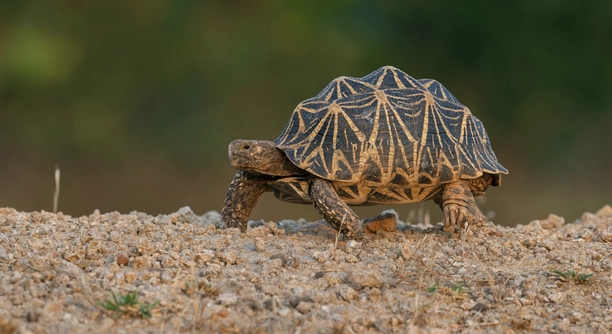
Handling Indian Star Tortoises requires care and attention. These unique reptiles need proper handling to stay healthy and happy. In this article, we’ll discuss common mistakes that people often make while caring for them.
The most common mistakes in handling Indian Star Tortoises include improper temperature management, overfeeding, infrequent cleaning, incorrect habitat setup, handling them too roughly, lack of variety in their diet, and not providing enough space for them to roam.
Understanding these mistakes will help you improve your care routine and ensure your tortoise’s well-being.
Mistake 1: Improper Temperature Management
Maintaining the right temperature for your Indian Star Tortoise is crucial. These tortoises require a warm environment to thrive. The basking area should be around 90-95°F (32-35°C), while the cooler side of the enclosure should stay between 75-85°F (24-29°C). Without these proper temperature gradients, your tortoise may become stressed, leading to health issues like poor digestion or a weakened immune system.
A common mistake is using heat sources that don’t provide the correct temperature or using an inconsistent heat source. Heat lamps or ceramic heat emitters can be good choices, but it’s important to monitor their effectiveness regularly. Failing to maintain these temperatures can also cause your tortoise to become lethargic, affecting its natural behaviors.
A simple solution is to invest in a thermometer and humidity gauge to ensure the temperature stays balanced. Monitoring the temperature and adjusting accordingly will help maintain your tortoise’s comfort and overall health.
Mistake 2: Overfeeding
Overfeeding your Indian Star Tortoise can lead to obesity, which causes a variety of health concerns. Avoid feeding your tortoise too much high-calcium food, which might lead to kidney problems over time.
Portion control is essential when feeding them, especially with fruits, which should only be given in moderation. A balanced diet with enough greens and grasses will keep your tortoise healthy and at an ideal weight. The right balance will support its natural growth, keeping it active and happy without the risks of obesity or related illnesses.
Mistake 3: Incorrect Habitat Setup
An incorrect habitat setup can affect your Indian Star Tortoise’s health. A small or poorly designed enclosure makes it difficult for them to move around and can lead to stress.
Your tortoise needs enough space to roam and hide. Providing hiding spots and creating a natural environment with proper bedding will help your tortoise feel secure. They also need access to both a warm basking area and a cooler area. Failing to design the enclosure with these needs in mind can result in an unhappy, unhealthy tortoise.
Creating an enriching habitat will keep your tortoise active and reduce stress, helping to prevent behavioral problems and health issues. Adding live plants, varying terrain, and shallow water dishes can also mimic their natural environment. A well-designed habitat will keep your tortoise content and healthy.
Mistake 4: Handling Too Roughly
Handling your Indian Star Tortoise too roughly is a mistake that can cause stress. These tortoises are naturally shy and need gentle handling.
Constant rough handling can damage their delicate shells or cause psychological stress, leading to unwanted behaviors. A common issue is trying to pick them up by their shells, which is uncomfortable and damaging. Instead, always handle them with care by supporting their body gently and allowing them to feel secure.
Limiting physical contact to when necessary will help your tortoise remain calm. A tortoise that is not stressed is more likely to thrive in its environment. So, treat your tortoise gently to foster a positive relationship and healthy habits.
Mistake 5: Infrequent Cleaning
Infrequent cleaning of your tortoise’s enclosure can lead to bacteria buildup. Dirty bedding or food scraps can cause infections or digestive issues.
It’s important to clean the enclosure regularly, removing waste and soiled bedding. Spot cleaning daily will help maintain hygiene, while deep cleaning every few weeks keeps everything fresh.
Proper sanitation ensures your tortoise stays healthy and prevents issues like respiratory infections. Regular cleaning also helps maintain the proper humidity levels in the habitat, supporting your tortoise’s overall well-being.
Mistake 6: Lack of Variety in Diet
A lack of variety in your Indian Star Tortoise’s diet can lead to nutritional deficiencies. Feeding the same food repeatedly doesn’t provide all the necessary vitamins and minerals they need.
Offering a variety of greens, grasses, and occasional fruits will ensure your tortoise receives a balanced diet. This helps with digestion, boosts immunity, and supports healthy growth.
You can include different vegetables like dandelion greens, collard greens, or hibiscus flowers. Offering new foods not only keeps your tortoise interested but also ensures they get a full spectrum of nutrients for optimal health.
Mistake 7: Not Providing Enough Space
Lack of space can limit your tortoise’s activity level, leading to stress and obesity. Without enough room to explore, your tortoise may become lethargic and more prone to health issues.
A spacious enclosure allows for natural behaviors like basking, burrowing, and foraging. It also reduces stress by giving them room to hide and retreat when needed. Ensuring your tortoise has enough space is key to keeping them physically and mentally healthy.
FAQ
What temperature should I keep my Indian Star Tortoise?
Maintaining the right temperature is essential for your tortoise’s health. The basking area should range between 90-95°F (32-35°C), while the cooler side of the habitat should stay between 75-85°F (24-29°C). This temperature gradient helps them regulate their body temperature, which is necessary for digestion and overall well-being. Invest in a thermometer to monitor the temperature regularly and adjust heating elements accordingly. Without proper temperature control, your tortoise may become lethargic or suffer from digestive issues.
Can I feed my Indian Star Tortoise only lettuce?
Feeding only lettuce is not recommended as it lacks the essential nutrients needed for your tortoise’s health. While lettuce can be a part of their diet, it should not be the primary food source. Opt for a variety of leafy greens like collard greens, dandelion greens, and mustard greens. These offer a wider range of vitamins and minerals. Including grasses, edible flowers, and occasional fruits will help maintain a balanced diet that supports your tortoise’s immune system and growth.
How often should I clean my Indian Star Tortoise’s enclosure?
You should spot clean the enclosure daily, removing any waste, uneaten food, and soiled bedding. Full cleanings, which include changing the bedding and disinfecting the surfaces, should be done every two to four weeks, depending on the size of the enclosure. A clean environment is crucial for your tortoise’s health, as dirty conditions can lead to respiratory issues, infections, or other health concerns.
Is it okay to handle my Indian Star Tortoise every day?
It’s best to avoid daily handling, as constant physical interaction can stress your tortoise. Handling should be limited to essential times, like when cleaning the enclosure or taking your tortoise for a check-up. When you do handle them, make sure it’s gentle, supporting their body properly without lifting them by their shell. Excessive handling can cause anxiety and disrupt their natural behaviors.
Can I keep more than one Indian Star Tortoise together?
It’s possible to house multiple Indian Star Tortoises together, but it’s important to consider their space requirements. They should have enough room to establish their own territory to avoid territorial disputes. Ensure the enclosure is large enough to accommodate all the tortoises without overcrowding. Also, keep an eye out for aggressive behavior, especially during feeding time. If you notice any signs of aggression or stress, it may be best to house them separately.
Do Indian Star Tortoises need UVB lighting?
Yes, UVB lighting is crucial for Indian Star Tortoises. They need it to properly absorb calcium and prevent metabolic bone disease, a common issue in reptiles. UVB lights should be on for 10-12 hours a day, and they should be replaced every 6 months, as their effectiveness diminishes over time. Place the UVB light within the basking area, as your tortoise needs access to it directly.
How long can Indian Star Tortoises live?
Indian Star Tortoises can live for several decades, often reaching 50 years or more with proper care. Some individuals may even live up to 100 years. To ensure your tortoise lives a long and healthy life, focus on providing the right diet, habitat, and regular veterinary care. Their lifespan can be significantly impacted by factors like diet, temperature, and stress levels.
Can I feed my Indian Star Tortoise fruits?
Fruits can be offered to your tortoise, but only in moderation. Too much fruit, especially sugary ones like apples and bananas, can lead to obesity or digestive issues. Fruits should make up no more than 10-15% of their diet. Stick to fruits that are high in fiber and low in sugar, such as papaya or melons, and always remove seeds and pits to avoid choking hazards.
What should I do if my Indian Star Tortoise isn’t eating?
If your tortoise isn’t eating, it could be due to stress, improper temperatures, or illness. First, check the temperature in their habitat, as a temperature drop or incorrect setup can cause them to stop eating. If the environment is fine, consider whether your tortoise is stressed from handling, changes in routine, or the presence of other animals. If the problem persists for more than a few days, consult a veterinarian to rule out any health issues.
How often should I bathe my Indian Star Tortoise?
Indian Star Tortoises benefit from occasional baths, especially to help with hydration and to encourage urination. You can bathe your tortoise once a week or more if needed. Fill a shallow container with lukewarm water, ensuring the water level is low enough that your tortoise can stand comfortably. Never leave them in water unsupervised. Bathing can also help with shell maintenance by loosening dirt and debris.
Do Indian Star Tortoises need a specific type of bedding?
Yes, it’s important to use the right bedding for your tortoise. Avoid using pine or cedar shavings, as these can cause respiratory issues. Opt for bedding like coconut coir, organic soil, or grass hay, which are natural and safe for your tortoise. Bedding should be kept clean and dry, as damp or soiled bedding can promote bacterial growth.
Can my Indian Star Tortoise be outside?
Indian Star Tortoises can be kept outside in a secure, enclosed area during warm weather, but they should never be exposed to extreme temperatures. Ensure that their outdoor enclosure has enough shade and a safe, escape-proof barrier. The area should also have a basking spot and a cool retreat. Always supervise your tortoise while outside, and make sure they have access to clean water and food.
How do I know if my Indian Star Tortoise is healthy?
A healthy Indian Star Tortoise will be active, eat regularly, and move about its enclosure without difficulty. Look for clear, bright eyes, smooth, intact shells, and normal breathing. If you notice any signs of illness, such as lethargy, excessive shell shedding, or a lack of appetite, consult a veterinarian. Regular health checks can help identify any issues before they become serious.
Final Thoughts
Caring for an Indian Star Tortoise requires dedication and attention to detail. Ensuring their habitat is properly set up with the right temperatures, UVB lighting, and ample space is key to keeping them healthy. Regular cleaning, a balanced diet, and periodic health checks are all essential parts of their care. By providing these basic needs, you create an environment where they can thrive.
It’s important to remember that every tortoise is unique. While there are general guidelines to follow, you may need to adjust based on your tortoise’s individual needs and behavior. For instance, some may enjoy more time outside while others prefer staying indoors. Observing their habits and adjusting accordingly will help you build a stronger bond with your pet. Understanding the signs of stress or illness is crucial for providing immediate care when needed.
Overall, with patience and the right care, your Indian Star Tortoise can live a long and healthy life. While they require attention, the rewards of watching them grow and flourish make the effort worthwhile. Whether you’re a first-time tortoise owner or have experience, the joy of caring for these creatures is both fulfilling and educational.

Hello,
If you enjoy the content that we create, please consider saying a "Thank You!" by leaving a tip.
Every little bit helps us continue crafting quality advice that supports the health, happiness, and well-being of pets around the world, for pets of all shapes, sizes, and species.
We really appreciate the kindness and support that you show us!