
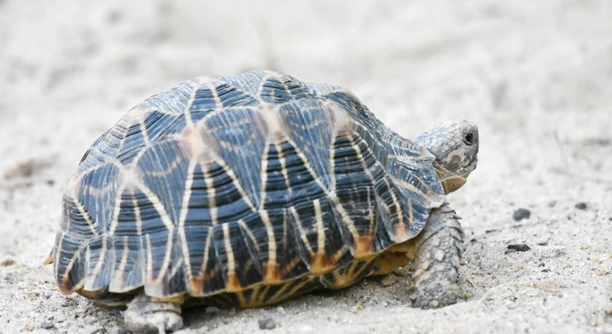
Indian Star Tortoises are calm creatures, but they can sometimes display aggression. Understanding why they act this way is key to creating a better environment for them. In this article, we’ll explore the causes and solutions to their behavior.
Aggression in Indian Star Tortoises is often caused by territorial disputes or stress. To manage this, ensure they have enough space, avoid overcrowding, and provide a calm, secure environment. Monitoring their behavior and adjusting care can reduce aggressive tendencies.
Learning about their behavior is the first step to making them feel more comfortable in their surroundings. The following tips will help you create a more peaceful habitat for your tortoise.
Understanding Aggression Triggers
Aggression in Indian Star Tortoises often stems from stress, territorial behavior, or even frustration. When they feel threatened or confined, they can react by hissing, biting, or becoming more defensive. The stress can be caused by improper habitat conditions, such as lack of space, too much noise, or even changes in their environment. Understanding the root cause of aggression will help you address it more effectively.
Even seemingly small factors like a change in temperature or humidity can make them uncomfortable. Providing a stable, quiet environment is key to reducing these stressors. They tend to be more aggressive if they feel crowded or don’t have enough room to move around. It’s also important to note that male tortoises can sometimes display aggression toward each other, especially during mating season.
Addressing their stressors early on can prevent the escalation of aggressive behavior. Ensuring that the living area is spacious, clean, and quiet will go a long way in keeping your tortoise calm. Knowing what triggers your tortoise’s aggression allows you to adjust its surroundings accordingly and improve their well-being.
Ways to Manage Aggression
One way to handle aggression is by providing adequate space. Aggressive tortoises often feel cramped, which leads to stress.
Creating an environment that mimics their natural habitat is essential. Providing hiding spots, like rocks or plants, allows them to retreat when they feel threatened. It’s important to keep their living space free of loud noises or sudden movements. Tortoises are more likely to be calm when they feel safe and unthreatened. Feeding them in a separate, quiet area also reduces competition and territorial disputes.
In addition to environmental factors, handling your tortoise with care can make a difference. Avoid rough handling, as this can lead to stress and cause defensive reactions. If they show signs of aggression, it is best to give them space and allow them to calm down on their own. With patience and the right environment, your tortoise will likely become more at ease over time.
Proper Diet and Nutrition
Feeding your tortoise the right diet helps prevent stress and aggression. A well-balanced diet contributes to its overall health and mood. Lack of proper nutrition can make them irritable and more prone to aggressive behavior. Make sure to feed them leafy greens, vegetables, and occasional fruits.
In addition to regular food, providing the right balance of calcium and vitamin D3 is essential. These nutrients support strong bones and overall well-being. An inadequate diet can lead to health issues, which may increase aggression. Ensure fresh water is available at all times to keep them hydrated, as dehydration can also lead to behavioral issues.
Supplementing their diet with foods like dandelion greens, clover, and hibiscus flowers not only offers variety but also mimics their natural food sources. Offering these foods will keep your tortoise mentally stimulated and help in maintaining a calm demeanor. A healthy diet is crucial for reducing aggression and ensuring long-term health.
Creating the Right Habitat
A proper habitat will make all the difference. Tortoises require a space that is secure and free from disruptions. Avoid overcrowding the enclosure, as this can cause territorial disputes. Each tortoise should have ample space to move freely without feeling confined.
Creating a habitat with plenty of hiding spots and basking areas can reduce stress. These features provide your tortoise with the opportunity to retreat when it feels threatened. Substrate such as coconut coir or organic topsoil allows them to dig and behave more naturally. The right lighting and temperature are critical too. Make sure to replicate their natural environment to keep them comfortable. Keeping the habitat clean and adjusting the environment as needed will ensure your tortoise feels safe and secure, reducing the chance of aggressive behavior.
Handling Aggression with Care
If your tortoise shows aggression, it’s important to stay calm. Abrupt movements or loud noises can make them feel threatened. Gently handling them, while maintaining patience, allows them to feel more comfortable. Avoid picking them up too often to minimize stress.
When handling them, make sure both hands are supporting their body to avoid causing discomfort. If your tortoise displays aggression, set them down in their enclosure and let them calm down in their space. Don’t force interaction if they seem upset. Letting them adjust at their own pace reduces further stress.
Monitor Behavior Closely
Consistent monitoring helps you understand your tortoise’s behavior patterns. If aggression becomes frequent, consider whether environmental factors might be influencing their mood. The key is to address the triggers early. If necessary, separate them from others to prevent aggression from escalating.
Watch for signs such as hissing, biting, or excessive pacing. These behaviors often indicate stress or territorial disputes. Tracking these patterns will help you adjust their environment accordingly and avoid unwanted situations. Understanding these signals enables you to create a more peaceful setting for your tortoise.
Socialization and Interaction
Socializing your tortoise can reduce aggressive tendencies over time. However, be cautious with interactions, especially with other tortoises. If you have multiple, consider monitoring their behavior closely during introductions. Some tortoises may not get along well, leading to territorial fights.
FAQ
Why is my Indian Star Tortoise suddenly aggressive?
Aggression in Indian Star Tortoises can be triggered by a variety of factors. Stress is one of the most common causes, often due to overcrowding, a change in their environment, or improper living conditions like incorrect temperature or humidity. Males may also become more aggressive, especially during mating seasons when territorial instincts kick in. If your tortoise’s aggression is a recent development, try assessing its environment to ensure it’s comfortable and secure.
How can I prevent my tortoise from being aggressive?
To reduce aggression, it’s important to create a calm and spacious environment for your tortoise. Ensure that the enclosure is large enough for them to move freely and includes hiding spots to help them feel secure. Providing a steady routine, appropriate diet, and avoiding overcrowding are key factors in preventing aggression. Handling your tortoise gently and minimally will also help them feel safe and less stressed. Monitoring their behavior for any signs of aggression and adjusting the habitat when needed will ensure that they remain calm.
Can I house multiple Indian Star Tortoises together?
Housing multiple Indian Star Tortoises together can lead to territorial disputes, especially if they don’t have enough space. If you want to keep more than one tortoise, make sure each has its own designated area and room to move around. Some tortoises may coexist peacefully, while others may become more territorial and show aggression toward each other. It’s important to monitor their interactions closely. If you notice frequent fighting or aggression, it’s better to house them separately to avoid stress and injuries.
What should I do if my tortoise bites me?
If your tortoise bites, it’s essential to remain calm. Tortoises may bite when they feel threatened or stressed. Avoid pulling your hand away quickly, as this may cause injury. Gently remove the tortoise’s mouth from your skin and place it back in its enclosure. Afterward, assess the situation to understand why the tortoise bit you—was it due to fear, irritation, or handling issues? To prevent future bites, try handling your tortoise more gently and less frequently, allowing them time to adjust and feel secure.
How do I know if my tortoise is stressed?
Stressed tortoises often show signs like excessive pacing, hiding, or aggressive behavior. If your tortoise is pacing or trying to escape its enclosure, it may be indicating stress due to lack of space or discomfort. Stress can also manifest in a loss of appetite or changes in their behavior, such as hissing or biting. By observing your tortoise’s behavior, you can better identify stressors and make necessary changes to their environment, such as providing more space, reducing handling, or adjusting the habitat’s conditions.
How much space does an Indian Star Tortoise need?
Indian Star Tortoises require plenty of space to roam and explore. A general guideline is to provide at least 10 square feet of space per tortoise, though larger enclosures are always better. The enclosure should be big enough to allow them to walk around comfortably without feeling confined. A larger space also reduces the likelihood of territorial aggression. Be sure to include plenty of hiding spots, basking areas, and access to fresh water. A spacious environment encourages natural behaviors, keeping your tortoise healthier and calmer.
How often should I feed my Indian Star Tortoise?
Indian Star Tortoises generally eat once a day or every other day, depending on their age and activity level. Younger tortoises may require daily feeding, while adults can typically eat every other day. Their diet should consist of a variety of leafy greens, flowers, and occasional fruits. Avoid feeding them too many high-protein foods, as this can cause health issues. Regular, balanced meals are important for maintaining a calm and healthy tortoise. If you’re unsure about the frequency, it’s always best to consult a veterinarian who specializes in reptiles.
Can aggression in Indian Star Tortoises be trained out?
While it’s difficult to “train” aggression out of a tortoise in the way you might train a dog, you can reduce it by addressing the causes of the aggression. Aggression often stems from stress, lack of space, or improper handling. By adjusting your tortoise’s environment and improving their diet and care, you can help them feel more comfortable and less inclined to show aggression. Patience and consistency in creating a peaceful habitat, along with careful, gentle handling, are the best ways to reduce aggressive behavior over time.
Is it safe to handle my tortoise when it’s aggressive?
Handling an aggressive tortoise is generally not recommended, as it can increase their stress and lead to defensive behavior, such as biting. If your tortoise shows signs of aggression, it’s better to give them some space to calm down. Handling them too much during this time can reinforce negative behavior. If you need to handle them, do so gently and avoid forcing interaction. Allow the tortoise to approach you on its own terms. In cases of severe aggression, it might be necessary to separate them from other tortoises or adjust their living environment to minimize stress.
How do I know if my tortoise is in pain or just aggressive?
It can be challenging to differentiate between aggression and pain, but there are signs to look for. If your tortoise is acting aggressively without any apparent environmental triggers, it might be experiencing discomfort. Look for signs of injury or illness, such as swelling, limping, or abnormal behavior like lethargy. A tortoise that is in pain might become more withdrawn or stop eating. If you’re unsure, consult a veterinarian who can assess whether the aggression is due to health issues or simply behavioral.
Final Thoughts
Understanding and managing aggression in Indian Star Tortoises requires patience and observation. These animals are naturally peaceful, but their behavior can change due to stress, discomfort, or territorial instincts. It is important to regularly assess their environment to ensure it is comfortable and stress-free. Providing the right amount of space, proper temperature, and humidity levels, along with a balanced diet, can reduce the chances of aggression. Pay attention to your tortoise’s behavior patterns, as this can help you understand the root cause of any aggression.
Handling your tortoise gently and minimally is also crucial in preventing stress. If your tortoise becomes aggressive, avoid handling it too much. Instead, allow it time to calm down in its enclosure. When necessary, separate them from other tortoises to prevent further conflicts. Overcrowding can lead to territorial disputes, which often result in aggression. A peaceful environment with plenty of space and resources, such as hiding spots and basking areas, will help minimize stress and promote healthy behavior.
In conclusion, managing aggression in Indian Star Tortoises is about creating the right conditions and being patient. These animals are resilient and adaptable, but they need a safe and stress-free environment to thrive. By understanding their behavior, providing appropriate care, and making necessary adjustments when needed, you can reduce aggression and ensure your tortoise remains happy and healthy. Regular observation and gentle handling are key to preventing issues, so take the time to bond with your tortoise and create a comfortable space for it.

Hello,
If you enjoy the content that we create, please consider saying a "Thank You!" by leaving a tip.
Every little bit helps us continue crafting quality advice that supports the health, happiness, and well-being of pets around the world, for pets of all shapes, sizes, and species.
We really appreciate the kindness and support that you show us!