
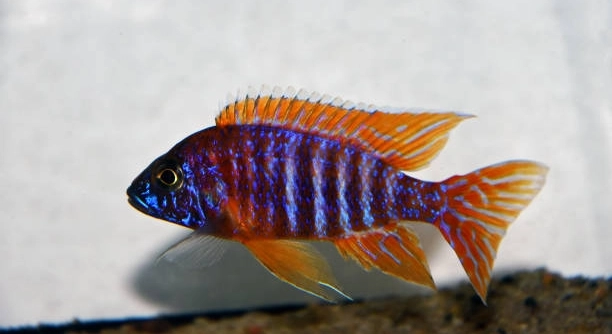
Convict cichlids are known for their constant digging, rearranging the substrate of their tanks without pause. Many aquarium enthusiasts find this behavior fascinating and sometimes challenging, as it can change the entire look of their setup.
Convict cichlids dig nonstop primarily to create and maintain their territories and nesting sites. This behavior is driven by instinctual reproductive needs, environmental exploration, and stress management, allowing the fish to establish safe spaces for themselves and their offspring.
Observing their persistent digging can reveal important insights into their habits and tank needs, helping owners maintain a healthier, more suitable environment.
Why Convict Cichlids Dig Constantly
Convict cichlids dig continuously because it is a natural behavior essential to their survival. In the wild, they move rocks and substrate to create safe areas for spawning and to protect their eggs. This digging also helps them explore their environment, find food, and maintain a sense of security. In aquariums, this behavior can seem excessive because their space is limited, but it reflects their instinct to control territory. The substrate type, tank size, and presence of hiding spots influence how much they dig. Providing sand or fine gravel makes digging easier and reduces stress. Additionally, digging can indicate reproductive readiness. When a pair is preparing to breed, they intensify this behavior, clearing areas for nesting. Observing these actions can help owners understand their fish better, adjust tank layout, and provide a more comfortable habitat that respects their natural instincts.
This behavior also helps convict cichlids reduce stress and establish social hierarchies.
A tank setup that mimics natural conditions encourages healthy digging without disrupting plants or decorations. Using smooth rocks, sandy substrate, and proper hiding spots allows cichlids to express instincts safely. Overcrowded tanks or rough substrate can lead to aggressive digging or substrate damage. Adjusting water conditions and ensuring a balanced diet reduces excessive stress-driven digging. Watching their patterns provides clues to reproductive cycles, territorial claims, and environmental preferences, allowing for more effective tank management while keeping the fish healthy and active.
Signs Your Convict Cichlids Are Digging for Reproduction
Convict cichlids intensify digging when preparing to spawn, often moving large amounts of substrate and clearing flat areas.
During breeding, digging behavior becomes more purposeful. Pairs select a nesting site, remove debris, and sometimes even carry substrate in their mouths to shape a suitable area. This activity ensures eggs are laid in a safe environment and increases the survival rate of fry. Nesting sites are often near rocks, plant roots, or tank walls. Males may guard the perimeter, while females focus on arranging the nest. Observing these signs helps identify potential breeding pairs and allows timely adjustments to tank setup. Providing additional hiding spots, gentle water flow, and a nutrient-rich diet supports both the parents and eventual fry. Ignoring these behaviors can stress the fish, reduce breeding success, and sometimes result in territorial aggression. Understanding these natural instincts helps maintain a balanced, thriving aquarium environment where convict cichlids can express essential behaviors safely and visibly.
Managing Excessive Digging in Tanks
Providing the right substrate and hiding spots can reduce destructive digging. Sand or fine gravel allows cichlids to dig comfortably, while rocks and caves give them safe areas to explore. Limiting decorations that are easily moved prevents constant tank disruption.
Excessive digging often occurs when tanks are too small or lack enrichment. Convict cichlids need space to claim territory and express natural behaviors. Overcrowding increases stress, leading to more digging. Adjusting tank size, adding plants, and creating distinct zones for each fish helps manage this behavior. Observing patterns can indicate which areas are overused or triggering stress, allowing precise adjustments to layout and environment. Maintaining stable water conditions also reduces anxiety-driven digging.
Regularly monitoring tank setup and fish behavior is key. Rotating decorations and periodically changing substrate depth can satisfy digging instincts while keeping the tank organized. Avoid sharp or unstable objects to prevent injury. Feeding strategies can also influence digging, as scattering food encourages natural foraging without damaging the layout. A well-planned tank balances the cichlids’ need to dig with a clean, safe, and visually appealing environment.
Encouraging Natural Behavior Safely
Providing a mix of substrate types and safe hiding spots supports healthy digging behavior and reduces aggression among fish.
Convict cichlids benefit from environments that mimic natural conditions. Using sand in combination with small gravel patches allows them to dig without harming plants or decorations. Rocks, caves, and driftwood provide shelter and territory markers, which prevent conflicts. Maintaining moderate water flow and stable temperature further encourages calm, natural behavior. Feeding in scattered patterns stimulates foraging while reducing concentrated digging in one area. Observing these patterns helps adjust tank elements over time, creating an environment where fish remain active and display instincts without damaging the aquarium. Careful planning balances their need to dig with overall tank health, allowing them to thrive safely and visibly.
Adjusting Tank Conditions
Stable water temperature and proper filtration help reduce stress-related digging. Convict cichlids are sensitive to sudden changes, so maintaining consistent conditions keeps them calmer and less likely to dig destructively.
Lighting also influences behavior. Moderate, evenly distributed light encourages normal activity patterns, while harsh or uneven lighting can trigger unnecessary digging or hiding.
Substrate Selection and Placement
Choosing the right substrate is essential for convict cichlids. Fine sand or small, smooth gravel allows comfortable digging without harming their bodies. Avoid sharp or large gravel pieces that can injure fins or mouths. Placing substrate in layered areas or mounds encourages natural digging behavior and provides visual interest in the tank. Alternating soft and firmer areas allows cichlids to select preferred digging spots, which reduces stress and aggression. Substrate placement near rocks, caves, or plant roots creates natural boundaries, helping fish establish territories safely. Proper substrate management also prevents excessive turbidity, keeping the water cleaner and healthier for all tank inhabitants.
Feeding Habits
Scattering food across the substrate can satisfy digging instincts and promote foraging while keeping the tank organized.
FAQ
Why do convict cichlids dig so much in my tank?
Convict cichlids dig constantly because it is part of their natural behavior. In the wild, they move substrate to create nesting sites, protect eggs, and claim territory. In an aquarium, digging reflects instinct, exploration, and stress relief. Providing soft sand or fine gravel and hiding spots allows them to dig safely without harming themselves or decorations.
Is digging a sign of stress?
Not always, but excessive digging can indicate stress. Overcrowded tanks, sudden changes in water temperature, or lack of hiding spaces can make cichlids dig more aggressively. Monitoring their behavior and adjusting tank conditions can help reduce stress-related digging. Stable water parameters and enrichment areas encourage normal, healthy digging habits.
Will digging harm plants or decorations?
Yes, digging can disturb plants, uproot them, or move lighter decorations. Using heavier rocks, securely planting vegetation, and selecting durable decorations can reduce damage. Layering substrate in specific zones gives cichlids areas to dig safely without disrupting fragile items. This approach satisfies their instincts while protecting the tank layout.
How can I encourage natural digging safely?
Use fine sand or smooth gravel and create mounds or soft patches. Scatter food in the substrate to encourage foraging. Adding rocks, caves, or driftwood provides safe areas for digging while helping them establish territories. Rotating decorations occasionally keeps their environment engaging and prevents boredom-driven digging.
Does digging indicate breeding behavior?
Yes, digging often intensifies during breeding. Pairs clear flat areas for nests and move substrate around rocks or plant roots. Females focus on shaping the nest while males patrol and guard the territory. Observing this behavior helps identify potential breeding pairs and allows you to adjust the tank setup to support safe reproduction.
Can I stop digging completely?
No, digging is instinctual and cannot be fully stopped. You can manage it by providing appropriate substrate, safe hiding spots, and tank enrichment. Allowing them to express natural behaviors in controlled areas keeps the tank organized while maintaining fish health and reducing stress-driven destructive digging.
Does tank size affect digging?
Yes, smaller tanks increase digging intensity due to limited space. Larger tanks allow territory establishment and reduce conflicts. Providing enough room for multiple digging areas ensures cichlids feel secure and can express natural behavior without constant disruption of the entire tank.
Should I use a substrate other than sand?
Sand or fine gravel is ideal. Coarser gravel or sharp substrates can injure their mouths and fins. Mixing soft and firm areas provides variety, encourages natural choices, and reduces stress. Proper substrate selection helps maintain water clarity and keeps digging safe for both the fish and tank environment.
Does feeding influence digging?
Yes, scattering food encourages natural foraging behavior and keeps them occupied. Avoid dropping all food in one spot, which can lead to excessive substrate disturbance. Feeding multiple times in small amounts reduces stress and helps manage digging without interfering with tank cleanliness.
How do I balance digging with tank aesthetics?
Create designated digging zones with soft sand, rocks, or caves. Secure plants and decorations to prevent uprooting. Alternating digging areas and layering substrate provides variety while keeping the tank visually organized. Observing fish behavior allows adjustments to maintain both natural habits and a clean, appealing aquarium.
Can digging cause aggression?
Yes, territorial disputes can occur during digging, especially in crowded tanks or during breeding. Providing enough space, hiding spots, and defined territories reduces aggression. Monitoring interactions and separating overly aggressive individuals ensures a calmer, more balanced tank environment while letting natural behaviors continue.
How often should I monitor digging behavior?
Daily observation is ideal. Watching their patterns helps identify stress, health issues, or breeding activity. Regular checks allow you to adjust substrate, tank layout, or feeding strategies. Consistent monitoring ensures the tank remains safe, organized, and supportive of their natural instincts without constant disruption.
Do all convict cichlids dig the same amount?
No, digging varies by individual, age, and gender. Males often dig more during breeding preparation, while younger fish may explore frequently. Personality and environmental factors also play a role. Adjusting the tank to accommodate different behaviors ensures all fish can express instincts safely.
Can I reduce digging by adding plants?
Yes, live or artificial plants can provide cover, reduce stress, and create boundaries. Secure plants well to prevent uprooting. Plants also encourage natural behaviors like hiding and exploring, which can balance digging activity and make the tank more stable and visually appealing.
What signs show digging is excessive or harmful?
Excessive digging that uproots most plants, creates constant cloudiness, or injures fish indicates a problem. Overcrowding, poor substrate, or lack of hiding spots may be the cause. Adjusting tank layout, adding enrichment, and monitoring water quality helps manage digging without stopping natural behaviors completely.
How do I prepare for convict cichlids’ nesting habits?
Provide flat areas, secure rocks, and smooth substrate. Observe their selection process and avoid moving their chosen nesting site. Feeding nutritious food supports reproductive health. Proper preparation ensures safe breeding and allows cichlids to express instincts naturally while keeping the tank organized.
Can digging indicate health problems?
Occasionally, abnormal digging or lethargic digging can signal illness or parasites. Pair digging behavior with other signs like loss of appetite, faded colors, or abnormal swimming. Promptly addressing water quality and consulting resources or experts ensures their health while maintaining natural activity levels.
Is it normal for digging to continue after breeding?
Yes, even after eggs are laid, digging may continue to reinforce territory, rearrange the substrate, or explore. Providing safe areas and monitoring interactions ensures ongoing digging does not harm eggs, fry, or other tank elements. Natural behavior persists beyond reproduction.
Do environmental changes increase digging?
Yes, sudden water changes, new tankmates, or moved decorations can trigger more digging. Maintaining stability, gradual adjustments, and predictable routines helps manage stress-induced digging while still allowing natural behavior. Regular observation ensures tank conditions remain safe and comfortable for all fish.
Can digging affect water clarity?
Yes, moving substrate clouds water temporarily. Using sand or fine gravel reduces turbidity. Layering substrate and providing defined digging areas limits constant disturbance. Routine filtration and partial water changes maintain clarity while allowing convict cichlids to dig safely.
Are there alternative ways to satisfy digging instincts?
Providing soft mounds, feeding in scattered areas, and rotating decorations can satisfy their instincts. Safe caves, rocks, and driftwood create boundaries, while substrate variety encourages exploration. These methods allow natural digging without disrupting the tank or harming the fish.
How long does digging behavior last daily?
Digging varies by activity level, breeding stage, and tank conditions. Some fish dig briefly for exploration, while breeding pairs may dig for hours. Observation helps identify patterns and allows adjustment of feeding, enrichment, and tank layout to balance digging with tank maintenance.
Does tank lighting impact digging?
Yes, moderate lighting encourages normal activity, while harsh or uneven lighting can stress fish and increase unnecessary digging. Even, natural-like lighting supports calm behavior and allows convict cichlids to dig safely without feeling threatened or overstimulated.
What should I do if digging becomes destructive?
Assess tank size, substrate, decorations, and enrichment. Adjust layout, secure plants, and add safe digging zones. Ensure water conditions are stable and feed appropriately. By managing the environment, destructive digging can be reduced while still allowing cichlids to display natural instincts.
Can digging be used to monitor tank health?
Yes, consistent digging patterns indicate comfort and normal behavior. Sudden changes in digging intensity may signal stress, illness, or environmental issues. Monitoring behavior alongside water quality and tank conditions provides insight into both fish well-being and aquarium stability.
How do I balance multiple cichlids’ digging?
Provide enough space, substrate, and hiding spots for each fish. Create distinct zones or territories. Monitoring interactions and separating overly aggressive individuals prevents conflicts while allowing natural digging behavior. A carefully structured environment balances instincts with tank management.
Does age affect digging habits?
Yes, younger fish explore more frequently, while adults focus on territory and nesting. Breeding pairs show the most intense digging. Understanding age-specific behavior helps adjust tank setup and substrate management to accommodate all fish safely.
Can substrate depth control digging intensity?
Yes, deeper substrate encourages longer digging, while shallow substrate limits excessive activity. Layering areas with varying depths satisfies natural instincts and helps manage activity levels. Careful planning prevents injury, reduces mess, and provides suitable conditions for all fish.
How do I maintain tank hygiene with digging fish?
Regular water changes, proper filtration, and strategic substrate layering prevent debris buildup. Scattering food and creating defined digging zones minimize cloudiness. Monitoring water parameters ensures healthy conditions while allowing convict cichlids to dig naturally.
Are there signs digging is excessive during breeding?
If substrate is constantly disturbed, decorations are moved, or aggression escalates, digging may be excessive. Providing additional hiding spots, separating aggressive fish, or temporarily adjusting substrate depth can reduce destructive behavior while supporting natural reproductive instincts.
Can digging reduce aggression?
Yes, giving fish space and defined digging areas allows them to express territory and instincts without direct conflict. Multiple zones, hiding spots, and secure decorations reduce disputes while supporting healthy, natural behavior patterns.
Does diet influence digging intensity?
A balanced diet reduces stress-driven digging. Scattering food across the substrate encourages foraging while occupying fish naturally. Overfeeding or concentrated feeding in one area may lead to destructive digging, while regular, moderate meals help maintain calm and controlled activity.
How do I prevent injuries from digging?
Use smooth substrates, avoid sharp decorations, and secure rocks and plants. Layering substrate and creating safe digging zones protects fins, mouths, and eyes. Monitoring interactions ensures fish do not harm each other during territorial or breeding-related digging.
Can digging damage filtration systems?
Yes, loose substrate can clog filters or cause debris buildup. Using layered substrate, careful placement of decorations, and regular maintenance prevents damage. Proper filter positioning and routine cleaning ensure both tank hygiene and safe digging conditions.
What role does water flow play in digging?
Moderate flow encourages normal activity without stressing fish. Strong currents can disrupt substrate and increase destructive digging. Proper flow balances oxygenation, fish comfort, and substrate stability, supporting safe expression of natural behaviors.
Is it normal for fish to dig at night?
Yes, some digging occurs during low light or nighttime. It may involve rearranging substrate, exploring territory, or minor nesting behavior. Observing patterns helps distinguish normal nocturnal activity from stress-related digging.
How can I track changes in digging behavior?
Keep a log of daily activity, substrate movement, and feeding response. Note changes after tank adjustments, new fish introductions, or breeding cycles. Tracking patterns helps identify stress, environmental issues, or health concerns early.
Do water parameters affect digging?
Yes, unstable pH, temperature fluctuations, or poor water quality can increase stress, leading to excessive digging. Maintaining stable conditions supports normal activity and prevents behavior linked to environmental discomfort.
Can digging indicate social hierarchy?
Yes, dominant fish may control preferred digging areas, while submissive fish adapt. Providing multiple zones, hiding spots, and territorial markers prevents aggression while allowing natural hierarchy expression.
Should I separate aggressive diggers?
Occasionally, yes. If one fish consistently displaces others or causes injury, temporary separation prevents harm while maintaining overall natural behavior in the tank. Adjusting layout and enrichment reduces the need for separation over time.
How does breeding season affect daily digging?
During breeding, digging intensifies, focusing on nest preparation and territory. Both male and female contribute, with males guarding and females shaping the nest. Recognizing this pattern allows adjustments to substrate and decorations to support safe reproduction.
Can decorations reduce destructive digging?
Yes, heavy or secured decorations provide boundaries and prevent uprooting. Using rocks, caves, and driftwood guides digging behavior into safe areas while maintaining tank structure. Rotating or adding decorations occasionally keeps the environment stimulating.
Is it normal for fish to dig near tank walls?
Yes, convict cichlids often use walls to shape nesting sites or define territory. Securely placed walls and substrate near edges reduce injury risk and encourage controlled, purposeful digging while supporting natural instincts.
How do I manage cloudiness from digging?
Regular filtration, partial water changes, and defined substrate areas reduce turbidity. Using fine sand or layering substrate prevents excessive clouds while allowing normal digging behavior. Observing water clarity helps adjust feeding and maintenance routines.
Can digging indicate tank enrichment needs?
Yes, excessive or bored digging suggests the tank may lack stimulation. Adding hiding spots, substrate variety, and rocks or caves encourages healthy exploration and reduces stress-driven substrate disturbance.
Do convict cichlids ever dig for fun?
Yes, digging can be exploratory or playful, helping them navigate the environment. Providing safe zones and substrate variety lets them express instincts without disrupting plants, decorations, or tank health.
How long does breeding-related digging last?
It varies from days to weeks. Digging is most intense during nest preparation and early egg guarding. Observing patterns helps anticipate behaviors and allows adjustments to substrate, decorations, and tank zones for safety and organization.
Can digging interfere with tank filtration?
Yes, loose substrate can clog filters or reduce efficiency. Using layered substrate, secure decorations, and routine filter cleaning ensures both tank health and safe expression of natural behaviors.
How do I balance multiple breeding pairs?
Provide ample space, substrate, and hiding spots. Separate pairs if needed, create distinct territories, and monitor interactions. Proper management ensures all fish can express digging instincts safely while minimizing aggression and protecting tank layout.
Are there signs that digging is normal versus abnormal?
Normal digging is focused, consistent, and associated with exploration or breeding. Abnormal digging is erratic, destructive, or paired with stress indicators like fading color or aggression. Observing patterns, substrate movement, and fish interactions helps distinguish healthy behavior from potential problems.
Can digging indicate readiness to spawn?
Yes, increased substrate movement and nest shaping indicate reproductive readiness. Recognizing this behavior allows preparation of safe areas and supportive tank conditions to maximize breeding success.
Do males and females dig differently?
Yes, males often focus on territory defense, while females shape nesting areas. Both contribute to nest preparation, but their roles differ. Observing these patterns helps identify breeding behaviors and adjust the tank setup accordingly.
Can I train fish to dig in certain areas?
Indirectly, yes. Layering substrate, adding rocks or mounds, and scattering food encourages digging in safe zones. While instinct cannot be fully controlled, these strategies guide behavior without restricting natural expression.
Does temperature affect digging activity?
Yes, warmer water often increases activity and digging intensity, while cooler temperatures may reduce movement. Maintaining stable, species-appropriate temperatures ensures natural digging without stress or erratic behavior.
Can digging indicate water quality problems?
Yes, sudden increases in digging may signal poor water conditions. Monitoring ammonia, nitrite, nitrate levels, and pH stability ensures the tank remains safe, preventing stress-induced digging and maintaining overall fish health.
Is digging more frequent in new tanks?
Yes, new environments often trigger exploratory digging. Fish are assessing territory, substrate, and hiding spots. Providing stable conditions, enrichment, and gradual adjustments reduces stress and helps them adapt safely.
How do I prevent digging from harming fry?
Create protected nesting areas with rocks or caves. Monitor parental behavior and ensure substrate is soft but stable. Providing extra hiding spots for fry reduces risk while allowing adults to maintain natural digging habits.
Do convict cichlids stop digging when satisfied?
They may reduce intensity but rarely stop entirely. Digging is instinctual and continues for territory maintenance, foraging, and exploration. Ensuring safe substrate and enrichment allows ongoing behavior without tank disruption.
Can digging signal aggression toward tankmates?
Yes, territorial disputes often involve digging. Providing space, hiding spots, and clearly defined zones reduces conflict while allowing natural behaviors to occur safely.
Does diet impact digging patterns?
Balanced feeding reduces stress-driven digging. Scattering food across the substrate encourages natural foraging while occupying fish productively. Regular, moderate meals maintain calm activity and reduce destructive behavior.
How often should substrate be adjusted?
Occasionally adjusting depth, mounds, or zones helps manage digging, refresh the environment, and encourage exploration. Too frequent changes can stress fish, while periodic adjustments maintain interest and safe behavior.
Can substrate layering prevent injuries?
Yes, layering soft sand with firmer areas protects fins and mouths. Providing defined digging zones reduces collisions and substrate-related injuries while allowing natural behaviors to continue safely.
Is digging more intense during certain times of day?
Yes, activity peaks often occur during daylight when feeding or exploring. Nighttime digging may happen but is usually less intense. Observing these patterns allows better tank management and feeding schedules.
Can tankmates influence digging behavior?
Yes, territorial or aggressive tankmates can increase digging as a defensive or stress response. Proper selection of compatible species, adequate space, and hiding spots reduces unnecessary digging and maintains harmony.
How do I differentiate between play and stress digging?
Play digging is controlled, exploratory, and repeated without causing injury or tank damage. Stress digging is erratic, destructive, and paired with aggression, hiding, or rapid breathing. Observation over time distinguishes the two behaviors.
Does water chemistry affect substrate movement?
Yes, unstable pH, high ammonia, or low oxygen levels increase stress and can trigger more digging. Maintaining stable parameters supports calm, natural digging behavior and overall fish health.
Can substrate type affect territorial behavior?
Yes, soft sand or fine gravel allows comfortable territory marking and nest shaping. Coarser substrate may deter natural digging or cause aggression due to discomfort, impacting breeding and social hierarchy.
How do I monitor digging in larger tanks?
Observe zones separately, note substrate changes, and track interactions. Larger tanks require attention to multiple territories and hiding spots to ensure all fish can dig safely and express natural instincts.
Can substrate layering improve breeding success?
Yes, varied substrate depth and mounds create safe, attractive nesting sites. This supports natural behavior, encourages successful spawning, and reduces conflicts between breeding pairs in the same tank.
Does tank location influence digging?
Yes, tanks in high-traffic or noisy areas can stress fish, increasing digging intensity. Placing the aquarium in a stable, quiet environment reduces stress-driven substrate disturbance while supporting natural behavior.
Are there signs digging is excessive in juvenile fish?
Yes, constant substrate upheaval, uprooted plants, or aggressive interactions indicate overactive behavior. Providing soft, safe substrate, enrichment, and adequate space helps juveniles develop normal patterns without damaging the tank.
Can digging indicate feeding issues?
Yes, hungry fish may dig more to search for food. Adjusting feeding frequency, scattering food, or using sinking pellets satisfies foraging instincts while preventing excessive substrate disruption.
How do I prevent digging from uprooting plants?
Secure roots deeply, use plant weights, or place plants in protected areas. Layer substrate to create stable zones and allow fish to dig safely without damaging vegetation
Final Thoughts
Convict cichlids are naturally active diggers, and their behavior is deeply rooted in instinct. Digging serves multiple purposes, from creating nesting sites and claiming territory to exploring their surroundings and foraging for food. Observing this behavior can be both interesting and informative, as it provides insight into their reproductive habits, social interactions, and environmental needs. While constant digging may seem disruptive at first, it is an essential part of their natural lifestyle. Trying to stop it completely is neither practical nor beneficial, as it would prevent the fish from expressing important instincts that contribute to their overall well-being. Understanding why they dig and what encourages this behavior helps aquarium owners provide a healthier, more comfortable environment.
Proper tank setup plays a crucial role in managing and directing digging activity. Using soft substrates such as sand or fine gravel allows cichlids to dig without causing harm to themselves. Layering the substrate in shallow and deeper areas creates zones where digging can occur safely. Adding rocks, caves, and driftwood not only provides secure hiding spots but also helps fish establish clear territories, reducing conflict and stress. Plants, whether live or artificial, offer additional cover and visual boundaries. Scattering food across the substrate encourages foraging behavior, keeping the fish occupied while still allowing them to dig naturally. Maintaining stable water conditions, consistent temperature, and moderate lighting further supports calm behavior and reduces unnecessary or destructive digging. By observing patterns of substrate movement, aggression, and nesting preparation, owners can adjust the tank layout to meet the fish’s physical and behavioral needs.
Breeding is another factor that significantly influences digging behavior. During preparation for spawning, cichlids intensify their digging to create suitable nesting sites, shape the substrate, and mark their territory. Males often patrol and guard the area, while females focus on arranging the nest. Even after eggs are laid, digging continues to reinforce territories and ensure the safety of fry. Recognizing these behaviors allows owners to provide appropriate conditions for breeding, such as secure hiding spots, flat substrate areas, and minimal disturbances. Beyond breeding, consistent digging activity helps maintain natural social hierarchies and mental stimulation, which contributes to healthier, more active fish. By balancing tank design, substrate management, and environmental stability, it is possible to support convict cichlids’ natural digging instincts while keeping the aquarium organized, safe, and visually appealing. Observing their habits with attention and care ensures both the fish and the tank thrive together harmoniously.

Hello,
If you enjoy the content that we create, please consider saying a "Thank You!" by leaving a tip.
Every little bit helps us continue crafting quality advice that supports the health, happiness, and well-being of pets around the world, for pets of all shapes, sizes, and species.
We really appreciate the kindness and support that you show us!