
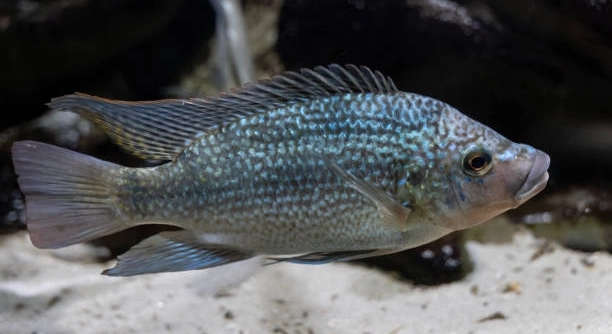
Many aquarium enthusiasts enjoy keeping convict cichlids, but misinformation about their behavior and care is common. These small, striped fish have earned a reputation that is often based on exaggerations or misunderstandings in the hobby.
Convict cichlid myths persist due to their aggressive reputation, breeding habits, and adaptability. Clarifying these misconceptions involves examining their actual behavior, dietary needs, and tank dynamics, allowing owners to make informed decisions and provide proper care.
Understanding these myths will improve how you care for your cichlids and create a healthier, more harmonious aquarium environment for them.
Convict Cichlids Are Always Aggressive
Convict cichlids are often labeled as aggressive, but this reputation is exaggerated. While they can be territorial, aggression is mostly linked to breeding or overcrowded tanks. In a properly sized aquarium with adequate hiding spots, they tend to establish boundaries and coexist peacefully. Aggression decreases when the tank is balanced with compatible species. Most conflicts occur when the environment is stressful or when food is scarce. Observing their behavior carefully helps in identifying warning signs early, preventing serious fights. Over time, cichlids can become accustomed to tank mates, showing social behaviors that contradict their aggressive label. Tank design, proper spacing, and consistent feeding schedules significantly reduce hostile encounters, making them manageable. Understanding their natural instincts allows owners to anticipate interactions rather than overreact to minor displays of dominance. Adjusting conditions is often all that is needed to maintain a calm aquarium.
Aggression is situational and largely influenced by environment and breeding status. Proper care minimizes issues.
With patience and the right setup, convict cichlids can live harmoniously. Observing their patterns teaches valuable lessons about managing territorial fish and creating a balanced tank.
Convict Cichlids Don’t Require Much Care
Some believe convict cichlids are completely low-maintenance, but they still need attention to thrive. Proper water quality, regular feeding, and sufficient space are essential for their health. Neglecting these basics can lead to stress, illness, and unwanted aggressive behavior.
Although hardy, their resilience should not be mistaken for indifference. They need clean water and routine monitoring of temperature, pH, and tank size. A small tank may seem convenient, but it can quickly become overcrowded, increasing aggression and stress. Feeding requires balance; overfeeding causes poor water quality, while underfeeding impacts growth and behavior. Providing hiding spots and structured territories encourages natural behaviors and reduces stress. Even simple maintenance like partial water changes every week can prevent disease outbreaks. Breeding pairs need extra care, as they guard eggs and fry, which increases territorial behavior. Their apparent hardiness should be matched with consistent observation, ensuring the tank environment supports both health and social balance.
Attention to environment and feeding habits ensures long-term health. Proper care transforms a simple tank into a thriving home for these cichlids.
Convict Cichlids Are Hard to Breed
Breeding convict cichlids is often seen as difficult, but they are actually prolific. With proper conditions, pairs will spawn frequently, and raising fry can be straightforward if water quality and space are maintained.
Providing a suitable environment is key. A flat rock or similar surface encourages egg laying, and maintaining stable water parameters supports development. Once eggs are laid, parents naturally guard them, reducing the need for human intervention. Feeding fry small, protein-rich foods helps them grow quickly. Even in community tanks, breeding can succeed if aggression is managed and hiding spaces are available. Observing their behavior closely allows adjustments to ensure eggs and fry survive. Breeding requires consistency, but with preparation, it is far from impossible.
Fry require careful attention during early weeks. Removing uneaten food and monitoring water quality prevents illness. Overcrowding must be avoided to give them the best chance at survival and growth.
Convict Cichlids Can Eat Anything
Convict cichlids are sometimes thought to accept any food, but a balanced diet is essential. Protein and vegetable matter should be included for optimal growth and health.
Feeding only flakes or pellets is not sufficient for long-term health. They benefit from occasional live or frozen foods, such as brine shrimp or bloodworms, which support coloration, growth, and vitality. Vegetables like peas or spinach provide fiber and prevent digestive problems. Consistent feeding schedules reduce stress and aggressive competition over food. Overfeeding can lead to obesity and poor water quality, so careful portion control is important. Observing how much they consume in a few minutes helps maintain balance. A varied diet not only improves health but also encourages natural foraging behaviors, making daily care more engaging and productive.
Diet directly impacts health, growth, and behavior. Proper feeding ensures strong, vibrant cichlids that thrive in a controlled tank environment.
Convict Cichlids Are Too Small for Aggression
Despite their size, convict cichlids can defend territories vigorously. Aggression is more about establishing dominance than causing serious harm.
Small tanks or crowded conditions amplify their territorial behavior. Providing space and hiding spots keeps disputes minimal and allows them to coexist peacefully with compatible species.
Convict Cichlids Only Stay in Freshwater
Convict cichlids primarily thrive in freshwater environments, but they can tolerate slight variations in salinity.
They are naturally found in rivers and lakes, adapting well to stable freshwater conditions. Slight brackish tolerance exists, but long-term health depends on maintaining consistent, appropriate water chemistry tailored to freshwater needs.
Convict Cichlids Are Not Intelligent
Convict cichlids display learning and memory abilities that challenge this misconception. They can recognize tank mates and remember feeding schedules.
Their behavior shows adaptability, including territory management, breeding strategies, and problem-solving during feeding or environmental changes. Observing them reveals clear patterns of learning that contradict the idea of low intelligence.
Convict Cichlids Don’t Need Hiding Spots
Even hardy cichlids benefit from shelters and hiding spaces. Rocks, caves, and plants reduce stress and prevent unnecessary fights.
FAQ
How often should I feed my convict cichlids?
Feeding should be done once or twice a day, giving only what they can consume in a few minutes. Overfeeding leads to poor water quality, while underfeeding slows growth and affects behavior. A balanced mix of flakes, pellets, and occasional live or frozen foods ensures proper nutrition.
Can convict cichlids live with other fish?
Yes, but tank size and species choice are important. Avoid very small or overly passive fish, as cichlids may bully them. Adding hiding spots and creating territories reduces aggression, allowing multiple species to coexist. Observing interactions regularly helps prevent conflicts.
What water conditions do they prefer?
Convict cichlids thrive in stable freshwater with a pH of 6.5 to 8.0 and temperature between 24–28°C (75–82°F). Sudden changes in temperature or pH can stress them and lead to illness. Regular monitoring ensures a healthy environment.
How do I manage aggression during breeding?
Aggression increases when pairs guard eggs or fry. Providing extra hiding spots for other fish and maintaining a spacious tank reduces conflicts. If aggression becomes severe, temporarily separating overly aggressive fish can protect tank mates.
How can I tell if my cichlids are healthy?
Healthy convict cichlids are active, have clear eyes, vibrant stripes, and eat well. Signs of stress or illness include lethargy, faded color, clamped fins, or unusual behavior. Promptly addressing water quality and diet helps prevent serious health issues.
Do they need special decorations or plants?
Yes, rocks, caves, and artificial or hardy live plants provide shelter, reduce stress, and allow natural behaviors like hiding or establishing territories. Decorations also help prevent fights and give the tank a structured layout.
How often should I clean the tank?
Partial water changes of 20–30% once a week are ideal. Cleaning the substrate and checking filters prevents waste buildup. Regular maintenance keeps water parameters stable, supporting overall fish health.
Can convict cichlids jump out of the tank?
Yes, especially during breeding or if the tank is overcrowded. A tight-fitting lid or cover prevents escapes and protects them from harm. Observing their behavior helps anticipate jumping tendencies.
What should I do if two males fight?
Separate them immediately if fighting causes injury. Providing more space, hiding spots, or additional females can reduce competition. Constant monitoring prevents prolonged stress and ensures the health of all fish.
Are convict cichlids easy to breed?
Yes, they are prolific breeders. Providing a flat surface for egg laying and stable water conditions encourages spawning. Parents guard eggs and fry, making natural breeding relatively simple when the environment is well-maintained.
How can I raise fry successfully?
Feed fry small protein-rich foods like baby brine shrimp or finely crushed flakes. Maintain clean water and avoid overcrowding. Observing parental care is important, as some adults may eat fry under stress, so provide hiding spaces.
Do convict cichlids recognize their owners?
They can recognize feeding routines and familiar movements around the tank. While not affectionate in the traditional sense, their responses show learning and memory, reflecting intelligence that is often underestimated.
Can they live long in captivity?
With proper care, convict cichlids can live up to 8–10 years. Maintaining clean water, balanced nutrition, and a stress-free environment ensures longevity and healthy behavior. Regular observation helps identify and correct issues early.
What is the best tank size for them?
A minimum of 30 gallons for a pair is recommended, with larger tanks needed for community setups. More space reduces aggression, allows proper territory establishment, and supports healthy growth. Hiding spots further improve coexistence.
How do I prevent disease?
Maintaining clean water, proper diet, and avoiding overcrowding are key. Quarantining new fish before introduction reduces the risk of infections. Observing behavior and appearance regularly allows early detection and treatment if needed.
Can they tolerate different water hardness levels?
They are adaptable but prefer moderately hard water. Sudden changes can stress them. Consistent parameters and gradual adjustments prevent health issues and promote well-being.
Do they need a heater in the tank?
Yes, especially in cooler climates. Stable temperatures between 24–28°C (75–82°F) are necessary for metabolism, breeding, and overall health. Fluctuating temperatures increase stress and susceptibility to disease.
Is it okay to keep just one cichlid?
Single fish can be kept, but they may become bored or stressed without companions. Pairs or small groups with enough space are ideal, as social interaction is part of their natural behavior.
How do I know if my cichlid is stressed?
Signs include hiding excessively, loss of appetite, rapid gill movement, or faded colors. Stress is often caused by poor water quality, overcrowding, or aggressive tank mates. Addressing the root cause quickly improves their health.
Are convict cichlids compatible with plants?
Yes, but they may dig around roots or uproot plants while establishing territories. Using hardy plants or anchored decorations protects them while allowing natural behaviors to continue. Proper placement reduces damage and keeps the tank visually appealing.
Can they survive without a filter?
Filters are strongly recommended. While they can survive temporarily without one, waste buildup quickly deteriorates water quality, leading to stress, disease, and shorter lifespans. A reliable filter supports consistent, healthy conditions.
How often do they spawn?
With good conditions, convict cichlids can spawn multiple times a year. Stable water parameters, balanced diet, and suitable surfaces for eggs encourage frequent reproduction and healthy fry development.
Do they need light in the tank?
Moderate lighting is beneficial for establishing day-night cycles. It supports plant growth and allows observation of fish behavior. Excessive light can stress them, while too little may disrupt normal activity patterns.
How can I reduce aggression without separating fish?
Provide enough space, hiding spots, and visual barriers. Adding compatible species to diffuse focus or breaking line-of-sight between aggressive individuals reduces conflicts. Maintaining proper feeding and tank balance also prevents unnecessary stress.
Can convict cichlids change color?
Yes, color changes occur due to stress, breeding, or health. Bright stripes indicate good health, while faded colors suggest stress, illness, or suboptimal water conditions. Monitoring these changes helps detect issues early.
Are they good for beginner aquariums?
Yes, with proper preparation. Their hardiness and adaptability make them suitable for those willing to maintain water quality, feeding schedules, and tank structure. Awareness of aggression and breeding behaviors ensures a manageable experience.
Do they need special water flow?
Moderate water flow is sufficient. They do not require strong currents, but gentle circulation supports oxygenation, reduces waste buildup, and maintains a healthier tank environment overall.
Can they coexist with larger cichlids?
It depends on temperament and tank size. Larger cichlids may bully or eat smaller convict cichlids. Providing separate territories or choosing compatible mid-sized species reduces conflict. Observation is key to maintaining balance.
What is the best diet for vibrant colors?
A mix of high-quality flakes, pellets, and protein-rich foods like bloodworms or brine shrimp enhances color. Occasional vegetables add nutrients and fiber. Variety in diet improves health, growth, and overall appearance.
Do they recognize their tank mates individually?
Convict cichlids can distinguish between familiar and unfamiliar fish. They remember interactions and establish social hierarchies, showing adaptability and intelligence often overlooked in small aquarium species.
How do I acclimate new cichlids?
Float the bag in the tank for 15–20 minutes to equalize temperature, then gradually mix tank water into the bag over 30–60 minutes. This reduces stress and prevents shock from sudden changes in water chemistry.
Are they sensitive to pH changes?
Yes, sudden pH shifts can cause stress, illness, or aggression. Keeping the water stable and testing regularly ensures healthy conditions. Gradual adjustments are safer if modifications are needed.
Do they need frequent tank rearrangements?
Minimal changes are best. Rearranging too often stresses them and triggers territorial aggression. Small additions or rearrangements for hiding spots are sufficient while maintaining stability.
Can they adapt to new tankmates quickly?
Adaptation depends on species, tank size, and environment. Gradual introductions, visual barriers, and monitoring reduce stress. Even then, some individuals may take weeks to fully adjust.
Are convict cichlids noisy?
They are relatively quiet. Sounds are limited to soft clicking during breeding or territorial displays. Noise is not a concern in home aquariums.
Do they need frequent water testing?
Regular testing of pH, ammonia, nitrites, and nitrates ensures stability. Frequent checks prevent sudden problems, keeping the tank safe and supporting long-term health.
How can I tell a male from a female?
Males are larger with longer fins and brighter stripes, while females are smaller with rounder bodies and more subdued colors. Observing behavior during breeding also helps differentiate them.
Can they tolerate different lighting schedules?
A consistent day-night cycle supports health and natural behavior. Too much light causes stress, while too little can disrupt activity patterns. Gradual changes are safer than sudden shifts.
Do they benefit from tank mates of the same species?
Yes, social interaction and natural behaviors are enhanced with compatible tank mates. Proper spacing and hiding spots reduce conflicts and allow peaceful coexistence.
How long does it take for fry to mature?
Fry grow quickly under proper conditions, typically reaching maturity in 6–8 months. Diet, water quality, and space affect growth rate and survival.
Are they affected by water hardness?
Moderately tolerant, but extreme softness or hardness can cause stress and health issues. Gradual adjustments prevent shock and maintain a healthy environment.
What signs indicate breeding readiness?
Pairs clean a flat surface, display courtship behavior, and become more territorial. Females show darker belly coloration, signaling readiness to lay eggs. Proper environment encourages successful spawning.
Do they need supplements or vitamins?
High-quality flakes and pellets generally meet nutritional needs. Occasional live or frozen foods provide additional nutrients. Over-supplementing is unnecessary and can degrade water quality.
Can they adapt to seasonal temperature changes?
Gradual shifts are tolerated, but sudden temperature drops or spikes are harmful. Stable conditions support metabolism, breeding, and overall health. Heaters or chillers may be needed depending on climate.
Is it safe to keep them in planted tanks?
Yes, but expect digging behavior. Anchoring plants or choosing hardy species minimizes damage. Their activity supports natural behaviors without harming the tank long-term.
How do I prevent fry from being eaten?
Provide hiding spots, breeding traps, or separate tanks. Ensuring plenty of space reduces stress on parents and increases fry survival rates. Observing parental behavior is crucial.
Can they live in community tanks?
Yes, with careful selection of compatible species, proper tank size, and hiding places. Monitoring interactions ensures harmony and reduces aggression.
Do they need specific lighting for health?
Moderate lighting helps regulate day-night cycles and supports plant growth. Avoid intense or constant lighting to prevent stress and unnatural behavior.
How can I identify illness early?
Watch for lethargy, faded color, clamped fins, rapid breathing, or loss of appetite. Early detection allows prompt treatment and prevents spread in the tank.
Do they require air stones or additional oxygenation?
Not usually, but moderate aeration improves circulation and oxygen levels. Strong currents are unnecessary and can stress them.
Are convict cichlids territorial only during breeding?
Mostly, but some may defend established spaces even outside breeding periods. Adequate territory and hiding spots minimize unnecessary aggression.
How do I introduce new cichlids safely?
Quarantine new fish, use gradual water mixing, and provide visual barriers. Observe interactions closely during the first days to prevent aggression or stress.
Can they tolerate tap water?
Yes, if treated to remove chlorine or chloramine. Conditioning the water ensures safe, stable conditions suitable for long-term health.
Do they recognize feeding times?
Yes, they quickly learn schedules and respond to movement near the tank, demonstrating memory and pattern recognition.
How fast do they grow?
Growth depends on diet, tank size, and water quality. Proper care allows steady development, with fry reaching maturity within several months.
Are convict cichlids noisy during spawning?
They make soft clicking sounds, but noise levels remain low. This behavior is part of courtship and territory defense, not disruptive.
What is the lifespan in captivity?
With consistent care, they can live 8–10 years. Stable conditions, proper diet, and stress management maximize longevity.
Can they be aggressive toward humans?
No, aggression is directed at tank mates. They may nip when handled or stressed, but careful handling prevents harm.
How can I reduce stress in my tank?
Maintain clean water, stable temperature, hiding spots, proper feeding, and compatible tank mates. Monitoring behavior ensures a calm environment.
Do they need supplemental heating in winter?
Yes, to maintain 24–28°C (75–82°F). Gradual heating prevents stress and supports metabolism and breeding.
Can they adapt to different tank sizes?
They adapt, but small tanks increase aggression and stress. Adequate space improves health, growth, and behavior.
Are they compatible with snails or shrimp?
Small invertebrates may be eaten. Larger, armored species are safer. Observation is necessary to protect tank inhabitants.
Do they need regular tank rearrangement?
Minimal changes reduce stress. Providing stable territories supports natural behavior and reduces conflict.
Can they survive if neglected for short periods?
They are hardy, but prolonged neglect leads to stress, disease, and poor growth. Regular care is necessary.
Do they recognize the tank layout?
Yes, they learn territories, hiding spots, and feeding locations, showing spatial memory and awareness of their environment.
How do I prevent overbreeding?
Separate pairs, control tank population, or limit surfaces for egg laying. Monitoring reproduction prevents overcrowding and stress.
Are convict cichlids sensitive to chemicals?
Yes, medications, cleaners, or pesticides can harm them. Avoid exposure and always follow safe procedures when treating the tank.
Do they need a varied diet daily?
Yes, combining flakes, pellets, live or frozen foods, and occasional vegetables maintains health, coloration, and growth.
Can they recognize other fish individually?
Yes, they remember interactions, establishing social hierarchies and adapting behavior based on past encounters.
How important is water movement?
Moderate circulation is enough. Too strong currents cause stress, while still water may reduce oxygenation.
Can they thrive without plants?
Yes, but hiding spots are still needed. Decorations or artificial structures provide security and reduce stress.
Do they require special filtration?
Standard aquarium filters are sufficient. Good mechanical, chemical, and biological filtration maintains water quality and fish health.
How do I encourage natural behavior?
Provide hiding spots, structured territories, a varied diet, and stable water conditions. Observing their instincts helps them thrive.
Are convict cichlids affected by lighting intensity?
Yes, excessive light causes stress. Moderate, consistent lighting supports natural activity and health.
Can they adapt to a new tank quickly?
Gradual acclimation, visual barriers, and consistent water parameters allow adjustment. Full adaptation may take days to weeks depending on individual temperament.
Do they need regular observation?
Yes, monitoring behavior, feeding, and appearance helps detect early signs of stress or illness, ensuring timely intervention.
How do I identify compatible tank mates?
Choose species of similar size, temperament, and water requirements. Avoid overly passive or very small fish to reduce aggression.
Can they live in brackish water?
They tolerate slight brackish conditions briefly, but long-term health depends on stable freshwater environments.
Do they need special care during molting or growth?
Not specifically, but stable water, balanced diet, and space support healthy development and reduce stress during growth periods.
Are they prone to specific diseases?
Common issues include ich, fin rot, and bacterial infections. Maintaining clean water, balanced nutrition, and quarantine practices reduces risks.
Can they adapt to sudden changes in tank conditions?
Sudden changes in temperature, pH, or water chemistry stress them. Gradual adjustments prevent illness and aggression.
Do they show social hierarchy?
Yes, they establish territories and recognize dominant individuals, especially in breeding or community tanks.
Are they affected by overcrowding?
Yes, overcrowding increases aggression, stress, and disease risk. Adequate space and hiding spots are essential for a healthy tank.
How do I prevent fin damage?
Provide smooth decorations, avoid overcrowding, and monitor aggression. Proper care prevents injury and maintains overall health.
Can they survive without hiding spots?
Survival is possible, but stress and aggression increase without shelters, negatively impacting health and behavior.
Do they recognize humans feeding them?
Yes, they quickly associate movement near the tank with feeding, demonstrating memory and learning abilities.
Are convict cichlids sensitive to noise?
They are generally tolerant. Sudden vibrations may cause brief stress, but normal household noise rarely affects them.
Do they require special tank shapes or layouts?
No, but rectangular tanks provide better territory division. Structured hiding spots improve behavior and reduce conflicts.
Can they live with aggressive species?
Aggressive tank mates may lead to injuries or stress. Separation or careful selection of compatible species is necessary.
How do I handle water changes?
Partial changes of 20–30% weekly maintain water quality. Matching temperature and chemistry reduces stress during the process.
Are convict cichlids intelligent enough to learn tricks?
They show pattern recognition, memory, and learned responses to feeding routines. While not trained like mammals, their behavior demonstrates intelligence.
Do they need quarantine when introducing new fish?
Yes, quarantining prevents disease introduction and allows observation of behavior before adding to the main tank.
Can they tolerate tap water without treatment?
No, chlorine or chloramine must be removed. Using water conditioners ensures safe, stable conditions for long-term health.
Do they benefit from tank mates of different species?
Yes, compatible species can reduce boredom and aggression, but space and hiding spots are necessary to maintain harmony.
How long can fry survive without special care?
Early weeks are critical. Clean water, proper feeding, and protection from adults ensure survival. Neglect reduces growth and increases mortality.
Do convict cichlids need seasonal adjustments in diet?
Not required, but maintaining
Final Thoughts
Convict cichlids are often misunderstood, and many myths surround their behavior, care, and breeding. While they are known for being aggressive, their behavior is mostly influenced by environment, tank size, and breeding conditions. Properly setting up a tank with adequate space, hiding spots, and compatible species can reduce aggression and make them easier to manage. Their territorial displays are natural instincts, and understanding these behaviors helps prevent unnecessary stress for both the fish and the owner. Observing how they interact with their environment and each other provides valuable insight into their social dynamics, making care more predictable and manageable.
These fish are hardy and adaptable, which contributes to their popularity, but that does not mean they require minimal attention. Stable water parameters, balanced nutrition, and regular maintenance are critical to their health. They benefit from a varied diet that includes flakes, pellets, live, or frozen foods, along with occasional vegetables to support growth, coloration, and overall well-being. Overfeeding or underfeeding can create health problems, and neglecting water quality can lead to disease or stress. Even though they can tolerate some variations in water hardness or slight changes in salinity, consistent conditions are always best. Providing a stable environment ensures they thrive, and it makes daily care easier to maintain over time.
Breeding convict cichlids is straightforward under the right conditions, but it also requires monitoring. Pairs will spawn naturally, and parents typically guard eggs and fry. Providing flat surfaces, adequate space, and hiding spots ensures successful reproduction while minimizing conflicts with other fish. Observing their behavior during breeding also offers a deeper understanding of their instincts and social structures. In a well-prepared tank, convict cichlids display natural behaviors that are both fascinating and manageable. By addressing misconceptions, maintaining proper care, and providing a suitable environment, these fish can live healthy, long lives. Understanding their needs and tendencies allows owners to enjoy a balanced and harmonious aquarium while supporting the fish’s natural behaviors.

Hello,
If you enjoy the content that we create, please consider saying a "Thank You!" by leaving a tip.
Every little bit helps us continue crafting quality advice that supports the health, happiness, and well-being of pets around the world, for pets of all shapes, sizes, and species.
We really appreciate the kindness and support that you show us!