
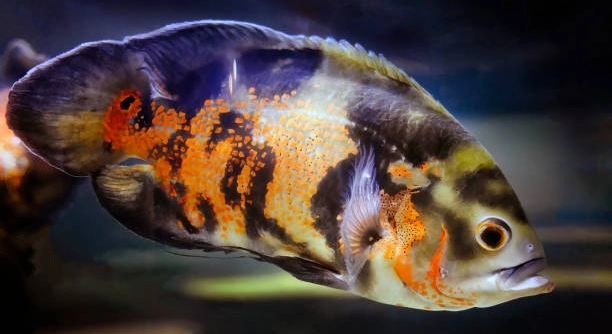
As a long time aquarist, I observe convict cichlids displaying focused behavior, yet reacting quickly to changes around them, which shapes daily care decisions and expectations within home aquariums for attentive owners today and hobbyists.
Convict cichlids are not easily distracted, as they maintain strong attention to territory, mates, and food sources. However, sudden environmental changes, poor tank conditions, or frequent disturbances can temporarily shift their focus without altering their naturally vigilant behavior patterns overall.
This article explains environmental triggers, attention cues, and care practices that influence focus, helping owners manage healthier, convict cichlid habitats.
Environmental Factors That Affect Focus
Convict cichlids rely heavily on their environment to maintain steady focus throughout the day. Tank size, layout, lighting, and water quality all play important roles in how attentive they appear. When decorations shift often or lighting changes abruptly, these fish redirect energy toward monitoring their surroundings. Consistent layouts help them recognize territory and feel secure. Water parameters also matter, as unstable temperature or poor filtration forces them to focus on survival rather than routine behavior. External movement near the tank can also pull attention away, especially in busy rooms. Placing the aquarium in a calm location reduces constant stimulation. A stable environment allows convict cichlids to display their natural confidence, territorial awareness, and predictable patterns without appearing scattered or restless during daily activity periods. Owners who maintain consistency often notice calmer behavior, stronger feeding responses, and fewer stress signs developing over time within well planned, thoughtfully maintained aquarium setups overall.
Minor distractions are normal, yet they rarely disrupt long term behavior. Most attention shifts resolve quickly once the tank returns to familiar conditions and predictable routines. Maintaining steady schedules for lighting, feeding, and cleaning helps reinforce stability and prevents unnecessary alert responses that interrupt normal swimming and resting patterns regularly.
From personal experience, I have noticed convict cichlids settle best when changes are intentional and spaced out. Sudden redecorating or frequent hands entering the tank often leads to pacing and increased observation. Allowing time between adjustments helps them reestablish boundaries. Even simple habits, such as feeding at similar times, build trust and reduce constant scanning behavior. When surroundings feel predictable, convict cichlids conserve energy, show stronger coloration, and maintain consistent interactions with tank mates and objects, creating a calmer, more controlled presence within the aquarium over extended observation periods.
Managing Distractions Through Proper Care
Proper care reduces attention shifts by meeting basic needs consistently. Clean water, balanced diets, and appropriate tank mates prevent overstimulation and unnecessary alert behavior. When needs are met, convict cichlids focus on normal routines rather than reacting to every change around them within their enclosed aquatic living space daily routines.
Managing distraction starts with thoughtful planning and observation. Convict cichlids thrive in tanks that balance stimulation and security. Providing defined territories with rocks and caves allows them to focus on familiar zones instead of scanning constantly. Tank mates should be chosen carefully, as overly active fish can increase alert responses and redirect attention. Feeding practices also matter. Offering food at consistent times prevents frantic behavior and helps reinforce routine. I have noticed calmer swimming patterns when tanks remain uncluttered and maintenance follows predictable schedules. Limiting tapping on glass and sudden movements near the aquarium further reduces unnecessary focus shifts. Even lighting plays a role, as gradual transitions prevent startle responses. Over time, these small adjustments support stable behavior and allow convict cichlids to engage naturally with their environment, displaying confidence, territorial awareness, and steady activity levels without appearing distracted or restless during normal daily cycles.
Behavioral Signs of Distraction
Convict cichlids show distraction through pacing, rapid darting, or frequent hiding. These behaviors often appear after sudden changes in decor, lighting, or tank activity. Brief attention shifts are normal, but repeated patterns suggest overstimulation or discomfort within their environment that affects daily routines and territorial focus over time periodically observed.
Visual awareness is a strong trait in convict cichlids, making movement outside the tank a common attention trigger. Walking past the aquarium repeatedly or placing it near televisions increases alert behavior. I noticed calmer fish after relocating my tank to a quieter corner. Consistent backgrounds and reduced reflections also help limit constant scanning. When distractions remain low, convict cichlids return quickly to guarding territory, exploring substrate, and interacting predictably with their surroundings. This stability supports healthier behavior patterns and lowers stress responses that may otherwise affect feeding, coloration, and long term vitality during daily care routines and observation periods consistently.
Internal tank dynamics also influence attention. Aggressive tank mates force convict cichlids into constant monitoring mode, dividing focus between defense and survival. Providing compatible species reduces unnecessary vigilance. I have seen improved behavior after reducing stocking levels. Clear territory boundaries created by rocks or caves give them defined spaces to monitor. When social pressure decreases, attention becomes purposeful rather than reactive. This allows convict cichlids to conserve energy, maintain stable routines, and display confident behavior that reflects comfort rather than distraction over extended periods in stable, well maintained aquarium conditions with consistent care and minimal external disturbance from surroundings nearby.
Reducing Attention Shifts Long Term
Long term focus depends on routine and restraint. Avoid frequent redecorating, excessive handling, or constant tank traffic. I learned that less interaction often produces calmer fish. Predictable schedules for feeding, lighting, and maintenance reinforce familiarity. Over time, convict cichlids recognize patterns, reducing constant alertness and allowing behavior to stabilize naturally within the aquarium. This approach supports balanced attention without suppressing natural instincts and encourages steady confidence during daily activity cycles observed consistently by attentive keepers over time.
Distraction management is not about eliminating stimulation but controlling it thoughtfully. Convict cichlids benefit from environments that feel secure yet engaging. Gentle water flow, stable temperatures, and proper filtration reduce survival driven attention. I adjust changes slowly, spacing them across weeks rather than days. This gives fish time to adapt without constant reassessment. Visual barriers between tanks or room movement also help limit overstimulation. When care remains consistent, convict cichlids show focused feeding responses, steady swimming paths, and reduced stress behaviors. These outcomes reflect an environment where attention serves purpose, not reaction. Over time, maintaining balance becomes easier as fish respond predictably to familiar conditions and established care habits. This consistency supports long term health and behavioral stability within well managed home aquariums for owners.
Feeding and Maintenance Influence
I noticed feeding time reveals attention patterns clearly. Convict cichlids lock onto food quickly, ignoring most movement. Scattered feeding or inconsistent timing causes roaming and surface scanning. Using the same feeding spot daily keeps focus controlled, reduces agitation, and supports calmer responses during routine care and observation periods overall consistently.
Tank maintenance can briefly shift attention when done too often. I space cleanings to avoid repeated disturbances. Gentle movements and slow equipment placement prevent panic responses. When maintenance feels predictable, convict cichlids resume normal behavior faster, conserving energy and maintaining territorial awareness without prolonged alert states over longer periods overall.
Tank Placement and Visual Stimuli
Tank placement within the home strongly influences focus. Aquariums near doors, speakers, or constant foot traffic create ongoing visual stimulation. I moved my tank away from hallways and noticed steadier swimming. Backgrounds reduce reflections that pull attention outward. Stable placement allows convict cichlids to monitor their territory instead of reacting to shadows, motion, and sudden light changes. This consistency supports predictable behavior, calmer feeding, and reduced stress responses during daily observation. Over time, focus becomes purposeful, centered on survival, hierarchy, and routine rather than external distraction within controlled home environments designed for stability, balance, comfort, and long term care practices.
Social Dynamics Within the Tank
Tank mates influence attention more than many realize. Hyperactive species force constant monitoring. I limit companions to calm fish or species tolerant of boundaries. When social pressure drops, convict cichlids stop scanning constantly and return to focused behaviors tied to territory, feeding, and rest cycles within stable aquarium environments daily.
FAQ
Are convict cichlids distracted by movement outside the tank?
Yes, external movement can pull their attention quickly. Convict cichlids rely on visual cues to monitor potential threats. Passing people, pets, or flashing screens can cause repeated scanning behavior. I noticed reduced pacing after moving my tank away from heavy foot traffic. When external motion decreases, their attention returns to territory and routine activity.
Does tank size affect how focused convict cichlids appear?
Tank size plays a direct role in attention and behavior. Smaller tanks force convict cichlids to monitor boundaries constantly, which increases alertness. Larger tanks allow clearer territories and reduce unnecessary vigilance. In my experience, added space leads to steadier swimming and fewer reactive movements during normal daily activity.
Can lighting changes distract convict cichlids?
Sudden lighting changes can disrupt focus immediately. Abrupt on and off cycles trigger startle responses and increased scanning. Gradual lighting schedules help prevent this. I use timers to maintain consistency. Stable lighting allows convict cichlids to follow predictable patterns without shifting attention toward sudden brightness or shadows repeatedly.
Do convict cichlids get distracted during feeding time?
Feeding actually sharpens focus when routines are consistent. Convict cichlids quickly associate specific locations and times with food. Inconsistent feeding leads to wandering and surface scanning. I feed in the same area daily, which keeps attention controlled and prevents frantic behavior that disrupts tank balance.
Does tank decor influence attention span?
Decor directly affects how convict cichlids allocate attention. Too many objects create constant reassessment. Too few remove security. Balanced layouts with defined caves and rocks reduce scanning behavior. When decor remains unchanged, convict cichlids recognize territory faster and settle into focused routines tied to defense and rest.
Are convict cichlids distracted by other fish?
Yes, tank mates strongly influence attention. Active or aggressive species demand constant monitoring. I saw calmer behavior after reducing tank population. Compatible fish reduce defensive focus. When social pressure decreases, convict cichlids redirect attention toward feeding, exploration, and resting instead of constant alert behavior.
Can frequent maintenance cause long term distraction?
Frequent maintenance can interrupt focus if done aggressively. Repeated hand movement and equipment noise trigger alert responses. I space cleanings and move slowly during care. Predictable maintenance reduces stress. Convict cichlids resume normal behavior faster when disturbances follow consistent patterns rather than random timing.
Do reflections inside the tank affect behavior?
Reflections can pull attention away from internal territory. Glass glare causes convict cichlids to display defensive responses toward their own reflection. Adding backgrounds reduces this issue. After applying a solid background, I noticed fewer aggressive displays and steadier movement patterns throughout the day.
Is distraction a sign of poor health?
Occasional distraction is normal, but constant restlessness may signal stress. Poor water quality, temperature swings, or overcrowding force survival based attention. Regular testing helps rule this out. When conditions stabilize, convict cichlids shift focus back to predictable behaviors rather than constant scanning.
Can convict cichlids adapt to busy environments over time?
They can adapt to mild activity, but constant stimulation limits full adjustment. I found gradual exposure works best. Sudden changes overwhelm attention. With time and consistency, convict cichlids learn which signals matter. This allows focus to remain internal rather than reacting to every external movement.
Final Thoughts
Convict cichlids are often described as bold, alert, and highly aware of their surroundings. Their behavior can sometimes appear distracted, but in most cases, it reflects strong instincts rather than poor focus. From my experience, these fish respond directly to what happens around them. When the environment feels stable, their attention remains steady and purposeful. Sudden changes, constant motion, or inconsistent care habits shift that attention toward monitoring and defense. This does not mean they lack focus. It means they are responding to perceived changes that matter to them. Understanding this difference helps set realistic expectations. Convict cichlids are not passive fish. They observe, react, and adjust based on patterns they learn over time. When those patterns remain predictable, their behavior becomes easier to read and manage.
Care consistency plays the largest role in how focused convict cichlids appear long term. Simple habits such as regular feeding times, stable lighting schedules, and gentle maintenance routines create familiarity. Familiarity reduces unnecessary alert behavior. I have found that doing less, but doing it consistently, produces better results than frequent changes meant to improve appearance or activity. These fish thrive when their environment feels reliable. Tank placement, decor stability, and compatible tank mates all work together to support attention balance. When these factors align, convict cichlids spend less time scanning and more time engaging in normal behaviors like exploring, guarding territory, and resting. This balance supports both physical health and behavioral stability, which benefits the entire aquarium.
Observing convict cichlids closely reveals how adaptable they truly are. They learn quickly and respond to patterns with impressive accuracy. While they may never ignore movement entirely, they can distinguish between meaningful and harmless activity when given time. I have noticed that patience often produces the calmest results. Allowing them to adjust without constant interference builds confidence and reduces reactive behavior. Convict cichlids reward consistent care with predictable routines and strong presence within the tank. Their focus becomes a reflection of the environment provided. By understanding how attention works for these fish, owners can make thoughtful choices that support long term stability rather than temporary control. This approach leads to healthier fish and a more balanced aquarium experience overall.

Hello,
If you enjoy the content that we create, please consider saying a "Thank You!" by leaving a tip.
Every little bit helps us continue crafting quality advice that supports the health, happiness, and well-being of pets around the world, for pets of all shapes, sizes, and species.
We really appreciate the kindness and support that you show us!