
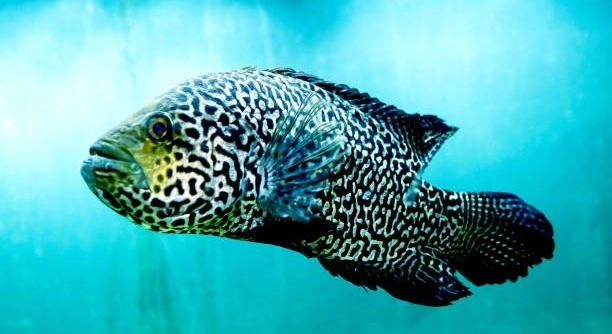
Dempsey fish are colorful and lively additions to home aquariums. Watching their behavior can be fascinating, especially when they display unique movements. One common action that catches attention is when these fish flare their gills in certain situations.
Gills flaring in Dempsey fish is primarily a display of territorial or defensive behavior. This action communicates dominance, signals stress, or responds to perceived threats, allowing the fish to establish boundaries and assert control within their environment.
Observing gill flaring can help owners better understand their fish’s mood and social dynamics in the tank. This behavior offers insights into maintaining a harmonious aquatic environment for Dempseys.
Why Dempsey Fish Flare Their Gills
Dempsey fish flare their gills as a natural way to communicate with other fish. This behavior usually occurs when they feel threatened, are establishing territory, or encounter new tank mates. The flaring makes the fish appear larger, which can discourage potential challengers or rivals. It is more common in males, especially when they are protecting their space. Even in a peaceful tank, Dempseys may flare their gills occasionally if something sudden catches their attention, like a shadow or movement near the tank. While it can look aggressive, it is often a normal expression of their instincts. Observing these moments helps you understand their personality and stress levels. Avoiding overcrowding and providing hiding spots can reduce frequent flaring and keep the fish calmer. This behavior is an essential part of their social interaction and survival instincts.
Gills flaring is mainly about communication and showing dominance. It is a normal and natural behavior in Dempseys.
Watching these flares closely allows owners to respond appropriately. Tank setup, water quality, and companion fish all influence the frequency and intensity of gill flaring. Understanding triggers can improve harmony and reduce stress.
Signs Your Dempsey Is Stressed
Frequent gill flaring, lethargy, or hiding often indicates stress in Dempsey fish.
Stress in Dempseys can result from changes in water temperature, poor water quality, overcrowding, or aggressive tank mates. Even subtle shifts in environment can trigger repeated flaring and other stress behaviors. Monitoring water parameters like pH, temperature, and ammonia levels helps maintain stability and reduces stress. Providing decorations, plants, or caves offers the fish safe spaces to retreat, which minimizes constant display behaviors. Adjusting tank size and carefully selecting compatible species can also improve their comfort. If the fish continues flaring excessively or shows signs of illness, separating them temporarily may be necessary. Understanding these stress indicators early allows for timely intervention, ensuring the Dempseys remain healthy, calm, and active. Consistent observation and small environmental adjustments often resolve most stress-related flaring without complications. With attention, owners can create a stable environment that supports natural behaviors while preventing unnecessary aggression or tension.
How Tank Setup Affects Gill Flaring
A crowded or poorly arranged tank can cause Dempsey fish to flare their gills more often. Open spaces without hiding spots make them feel exposed and defensive.
Tank size and decoration directly influence Dempsey behavior. Smaller tanks increase territorial disputes, while a tank with plenty of plants, rocks, and caves allows fish to claim personal areas. Clear divisions reduce constant flaring, as each fish can establish its own territory. Even rearranging decorations occasionally can help prevent dominance battles by disrupting rigid territorial patterns. Proper layout ensures that flaring happens naturally but not excessively, keeping the tank environment calmer.
Lighting and visibility also affect flaring. Bright, unshaded tanks can make fish feel exposed, while dimmer areas or shaded zones help them relax. Observing how fish interact with their space provides clues about adjustments needed. Simple changes, like adding a few more hiding spots, can significantly reduce stress-driven gill flaring, improving overall behavior and harmony in the tank.
Feeding and Flaring Behavior
Overfeeding or irregular feeding schedules can trigger defensive displays like gill flaring.
Dempsey fish may flare when competing for food or when they feel their feeding territory is threatened. Feeding smaller, controlled portions reduces aggression and lowers stress levels. Fish that are hungry or anticipating food often display more frequent flaring, especially around feeding times. Adjusting feeding routines to a consistent schedule keeps the fish calmer. Providing multiple feeding points also minimizes conflicts, allowing each fish to eat without feeling challenged. A stable feeding environment encourages natural behavior while reducing excessive flaring.
Quality of food also matters. High-protein diets support energy levels and reduce irritability, while poor nutrition can heighten aggression. Observation during feeding helps identify which fish are most prone to flare, allowing owners to implement strategies like separating aggressive individuals or rearranging feeding zones. Consistency, nutrition, and thoughtful feeding strategies together create a calmer tank atmosphere, reducing unnecessary stress displays and promoting healthier social interactions among Dempseys.
Interactions With Other Fish
Dempsey fish flare their gills when meeting new tank mates or asserting dominance. This behavior is more noticeable with aggressive or territorial species.
Peaceful cohabitants can help reduce flaring, while aggressive fish may trigger constant displays. Observing pairings helps maintain balance in the tank.
Water Quality and Its Role
Poor water quality, including high ammonia, nitrite, or nitrate levels, can stress Dempsey fish and increase gill flaring. Regular water changes and filtration maintenance keep the environment stable. Temperature fluctuations also affect comfort levels, making consistent conditions essential. Healthy water reduces unnecessary aggression and defensive behavior, allowing fish to interact naturally without excessive flaring. Monitoring water parameters closely ensures the fish remain calm, active, and less prone to stress-related displays, supporting overall well-being.
Recognizing Normal vs. Excessive Flaring
Occasional flaring is normal, but constant displays may indicate stress or environmental issues that need attention.
FAQ
Why do Dempsey fish flare their gills at me?
Dempsey fish often flare when they see movement outside the tank. They may perceive your hand or shadow as a potential threat. This is a defensive instinct, not aggression toward you personally. Flare responses usually decrease as the fish becomes familiar with your presence.
Is gill flaring a sign of illness?
Not always. Occasional flaring is normal, but if it is constant and combined with lethargy, loss of appetite, or labored breathing, it may indicate health problems. Poor water quality, parasites, or infections can trigger excessive flaring. Regular observation and testing water parameters can prevent complications.
Do male and female Dempseys flare differently?
Yes. Male Dempseys flare more frequently to assert dominance or defend territory, especially during mating season. Females may flare occasionally, but it is usually less intense and less frequent. Observing these differences can help you manage tank dynamics.
Can flaring harm my Dempsey fish?
Occasional flaring is harmless. Constant flaring can lead to stress and weaken the immune system over time. Stress also increases vulnerability to disease. Providing enough space, hiding spots, and proper tank mates reduces excessive flaring. Monitoring behavior ensures fish remain healthy and active.
Will rearranging the tank reduce gill flaring?
Yes. Rearranging decorations or adding plants and caves can break up established territories and reduce dominance disputes. This gives fish multiple areas to claim, decreasing aggressive displays. Small adjustments can make a significant difference in minimizing constant flaring and keeping fish calmer.
How does feeding affect gill flaring?
Feeding time often triggers flaring, as fish compete for food or defend their feeding spots. Smaller, frequent feedings help reduce competition. Offering food at multiple points allows all fish to eat without feeling threatened. Consistent feeding routines keep fish calm and minimize stress-driven flaring.
Can tank size influence gill flaring?
Absolutely. Crowded tanks increase territorial disputes and lead to more frequent flaring. Larger tanks with adequate hiding spaces allow each fish to establish a personal area. Ensuring enough swimming room and visual barriers reduces stress and aggression. Tank size plays a key role in overall behavior management.
Is gill flaring related to stress or fear?
Yes. Flaring is a natural defense mechanism triggered by stress, fear, or perceived threats. Environmental changes, new tank mates, or sudden movements can cause this behavior. Reducing stress factors, like overcrowding or sudden changes, helps fish feel secure and lowers excessive flaring.
Can Dempsey fish flare at each other without fighting?
Yes. Flaring is often a warning display rather than a precursor to a fight. Fish use it to establish hierarchy and boundaries. If the tank is properly arranged and fish are compatible, flaring can occur without resulting in injuries, serving as a natural social behavior.
How can I tell normal flaring from aggressive flaring?
Normal flaring is brief and situational, usually in response to specific triggers like feeding or new tank mates. Aggressive or stress-related flaring is prolonged, frequent, and often accompanied by chasing or biting. Observing patterns helps determine whether behavior is natural or requires intervention.
Does lighting affect gill flaring?
Yes. Bright or harsh lighting can make fish feel exposed, increasing defensive flaring. Providing shaded areas or dimmer zones in the tank helps Dempseys feel secure. Balanced lighting reduces stress and minimizes unnecessary flaring, supporting calmer interactions among fish.
Should I separate fish that flare excessively?
Separation is sometimes necessary if one fish is constantly flaring and causing stress or injury to others. Temporary isolation allows fish to recover and reduces tension in the tank. Observing behavior during separation helps identify compatibility issues and prevent ongoing disputes.
Can water temperature changes trigger gill flaring?
Yes. Sudden temperature shifts can stress fish, causing flaring as a defensive response. Keeping water temperature stable within recommended ranges reduces unnecessary stress and helps maintain normal behavior. Consistency in tank conditions is essential for healthy fish.
Do Dempseys flare more during breeding?
Yes. Breeding increases territorial behavior, especially in males. Flare displays become more frequent as fish defend nesting sites or attract mates. Providing separate breeding areas or tanks can reduce stress for other fish and allow natural breeding behaviors to occur safely.
Is frequent flaring a sign of poor tank management?
It can be. Constant flaring often reflects overcrowding, poor water quality, incompatible tank mates, or lack of hiding spaces. Evaluating tank conditions and making adjustments usually resolves excessive flaring. Observing behavior regularly helps maintain a balanced and healthy environment for all fish.
Can adding plants reduce gill flaring?
Yes. Live or artificial plants provide hiding spots and visual barriers. They help fish feel secure and reduce territorial disputes. Well-placed plants encourage natural behavior while limiting excessive gill flaring. Strategic tank decoration is a simple, effective way to maintain calmer fish.
What should I do if flaring persists despite changes?
Persistent flaring may indicate stress, illness, or compatibility problems. Testing water, adjusting tank conditions, and separating aggressive fish are essential steps. Consulting with an experienced aquarist or veterinarian can provide guidance for long-term solutions, ensuring the health and well-being of your Dempsey fish.
How long does gill flaring usually last?
Normal flaring is brief, typically a few seconds to a minute. Extended or repeated flaring is a sign of stress or environmental issues. Tracking frequency and duration helps owners identify patterns and make necessary adjustments to tank conditions or fish care routines.
Can flaring affect other fish in the tank?
Yes. Frequent flaring can stress or intimidate other tank mates, leading to hiding, reduced feeding, or aggression. Observing interactions and providing enough space, barriers, and compatible companions helps minimize negative effects, ensuring a balanced and peaceful aquarium environment.
Final Thoughts
Understanding why Dempsey fish flare their gills is important for keeping them healthy and happy. Gill flaring is a natural behavior used to communicate with other fish, show dominance, or respond to stress. While it can look aggressive, it is usually not harmful if it happens occasionally. Observing how and when your Dempsey flares can give valuable insight into its mood and overall well-being. Regularly watching your fish helps you notice changes in behavior that may signal stress, illness, or environmental issues. By paying attention to these signs, you can take action before problems escalate, ensuring your fish remain calm and active.
Tank conditions play a key role in managing gill flaring. Overcrowding, poor water quality, sudden temperature changes, and lack of hiding spots all increase the likelihood of frequent flaring. Providing a well-structured tank with plants, caves, and visual barriers allows fish to claim personal space and reduces conflicts. Proper tank size and careful selection of compatible tank mates also help minimize stress. Even small adjustments, like rearranging decorations or creating shaded areas, can significantly reduce unnecessary displays of dominance. Consistency in water parameters, feeding routines, and environmental stability supports natural behavior and keeps Dempseys relaxed. Maintaining a stable and supportive tank environment benefits all fish, not just the Dempseys, promoting harmony and reducing tension.
Feeding habits and social interactions also influence gill flaring. Fish may flare during feeding as they compete for food or defend their territory. Offering food at multiple locations and in smaller portions can limit competition and reduce stress-driven displays. Similarly, observing social behavior helps identify overly aggressive or stressed fish that may need temporary separation. Breeding periods can increase flaring in males, so providing dedicated spaces for breeding can prevent disturbances to other fish. Understanding these patterns allows owners to manage behavior effectively while still allowing natural instincts to occur. By combining proper tank setup, feeding practices, and careful observation, Dempsey fish can live in a peaceful, balanced environment. Focusing on these factors ensures your fish remain healthy, active, and able to express natural behaviors without excessive stress or aggression.

Hello,
If you enjoy the content that we create, please consider saying a "Thank You!" by leaving a tip.
Every little bit helps us continue crafting quality advice that supports the health, happiness, and well-being of pets around the world, for pets of all shapes, sizes, and species.
We really appreciate the kindness and support that you show us!