
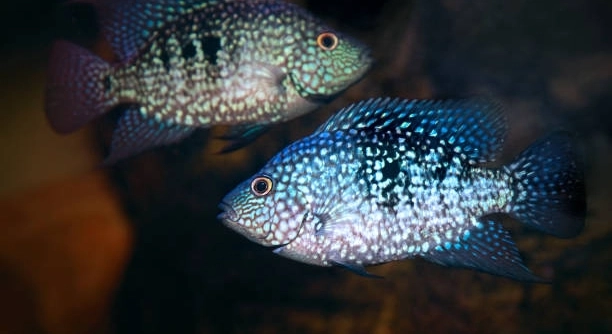
Are your aquarium tanks louder than they should be, creating stress for your fish? Excessive noise can affect their behavior, appetite, and overall well-being. Managing noise is important for maintaining a calm and healthy aquatic environment.
Reducing noise stress in tanks involves several practical techniques, including optimizing filter and pump placement, using sound-absorbing materials, maintaining equipment regularly, and minimizing vibrations. These methods collectively help create a more stable and comfortable environment for aquatic life.
Applying these strategies can improve fish health and tank harmony. Each step contributes to a quieter, calmer, and more enjoyable aquatic setup.
Identify the Sources of Noise
Many tank noises come from equipment like filters, pumps, and air stones. Sometimes, vibrations from stands or nearby furniture can amplify these sounds. Observing when and where the noise occurs helps pinpoint the source. Water movement itself can create sound, especially if it splashes or hits surfaces. Loose parts on equipment or improper fitting can increase unwanted noise. Even decorations or substrate can contribute if water flow hits them repeatedly. Understanding these sources is the first step in managing noise stress. A simple checklist of equipment placement and water flow patterns often reveals easy fixes. Fish are sensitive to sudden or constant loud noises, so identifying the main contributors allows you to address them effectively. Regular inspection of all tank components ensures that nothing is causing unnecessary disturbance. Paying attention to subtle noises can also prevent long-term stress on aquatic life and keep the tank environment stable and calm.
Pinpointing noise sources makes it easier to take targeted actions and reduce stress effectively in your tank setup.
Addressing noise sources starts with observing the tank closely. Note any rattling, humming, or splashing sounds and trace them to specific equipment or locations. Ensure that filters and pumps are properly installed and not loose. Check that hoses, tubing, and air stones are correctly positioned and secured. Inspect decorations, rocks, and substrate for spots where water hits directly, causing repeated noise. Consider the tank stand or surrounding furniture that may vibrate with running equipment. Sometimes, moving equipment slightly or adding a mat beneath the tank can reduce amplified sounds. Regular maintenance, such as cleaning filters and ensuring pumps are functioning smoothly, also prevents new noises from developing. A well-organized tank with stable water flow will minimize sudden splashes or gurgles. By addressing each source step by step, you can significantly reduce overall noise levels. Consistent monitoring ensures that fish remain comfortable and stress-free.
Optimize Equipment Placement
Placing equipment correctly reduces vibrations and prevents unnecessary noise. Pumps and filters should be positioned to minimize contact with the tank glass or stand.
Proper placement of filters, heaters, and pumps can dramatically reduce noise. Filters should be elevated slightly or placed on rubber pads to absorb vibration. Pumps should not be pressed against the glass, and tubing should have minimal bends to prevent gurgling. Heaters should be secured firmly but without pressure that can cause clicking noises. Air stones work better with stable tubing, and filters with adjustable flow can prevent splashing against surfaces. Sometimes repositioning decorations to redirect water flow also helps. The goal is a smooth, calm operation where equipment functions efficiently without transmitting sound to the tank walls or stand. Each small adjustment, like cushioning a pump or rerouting tubing, contributes to a quieter environment. Proper layout not only reduces noise but also improves water circulation and oxygenation, benefiting the fish directly. Attention to these details ensures a more peaceful and stress-free tank environment.
Use Sound-Absorbing Materials
Placing foam pads or mats under the tank and equipment absorbs vibrations effectively. Soft materials around pumps, filters, and tubing reduce transmitted noise. Even small adjustments, like cushioning decorations, can make a noticeable difference in tank calmness.
Foam pads beneath the tank stand or equipment prevent vibrations from transferring to furniture or floors. Rubber gaskets or silicone strips around pumps and filters can further isolate noise. These materials act as buffers, minimizing humming and rattling. Air stones and tubing benefit from soft supports to reduce gurgling sounds. Sound-absorbing materials are inexpensive and easy to install, yet they provide measurable results. Combining multiple methods ensures quieter operation. Fish respond positively to reduced vibration and constant hums, leading to calmer behavior and improved feeding patterns.
Cushioning equipment and decorations creates a more peaceful environment. Even minor adjustments, like padding the filter base or securing tubing, reduce stress noticeably. Using multiple soft materials strategically enhances results.
Maintain Equipment Regularly
Cleaning and inspecting pumps, filters, and air stones prevents buildup that increases noise. Regular maintenance ensures smooth operation and reduces unexpected vibrations or gurgles.
Clogged filters or worn-out pumps often generate loud noises as they struggle to function. Removing debris, replacing worn parts, and checking tubing connections improves performance and reduces stress for fish. Lubricating moving parts where appropriate prevents squeaks and friction sounds. Scheduled maintenance helps detect early problems before they escalate into persistent noise. Air stones may require replacement over time to maintain gentle, consistent bubbles rather than harsh gurgling. Ensuring heaters are clean and securely mounted prevents clicking or ticking noises. A well-maintained tank runs quietly, allowing fish to thrive without constant disturbances. Keeping records of maintenance also helps identify patterns if noise reappears.
Regular upkeep protects equipment efficiency and fish well-being. Routine inspection and cleaning minimize vibration, prevent splashing, and maintain a calm environment.
Reduce Water Flow Noise
Adjusting filter or pump flow can decrease splashing and gurgling. Slower, steady water movement creates a calmer environment for fish and reduces constant noise.
Directing water flow away from tank walls or decorations prevents repeated impacts. Properly angled outlets reduce sound while maintaining circulation and oxygenation efficiently.
Check Tank Lid and Covers
Loose lids or covers can rattle with equipment vibrations. Ensuring they are secure reduces unnecessary noise and prevents disturbances for aquatic life.
Minimize External Vibrations
Keep the tank away from high-traffic areas or appliances that create vibrations. Even subtle external movements can transmit noise into the tank. Proper placement and stable stands help maintain a quieter environment.
Use Larger or Heavier Decorations
Heavier rocks, driftwood, or ornaments stay in place better, preventing movement that generates noise. Strategically placed items absorb impact from water flow, reducing gurgling sounds.
FAQ
What causes excessive noise in aquarium tanks?
Excessive noise usually comes from equipment like filters, pumps, and air stones. Loose parts, improper placement, and vibrations from the tank stand or nearby surfaces can amplify sounds. Water splashing on decorations or tank walls also contributes. Identifying the main sources is the first step in reducing stress. Regular inspection ensures nothing develops into a persistent noise problem. Even small noises matter because fish are sensitive to constant or sudden sounds.
How can I reduce vibrations from pumps and filters?
Using foam pads, rubber gaskets, or silicone strips under or around equipment isolates vibrations. Proper placement, like avoiding direct contact with the glass, also helps. Tubing and air stones benefit from soft support to prevent gurgling. Sometimes cushioning decorations or redirecting water flow can further minimize vibrations. These adjustments create a calmer tank environment and reduce fish stress.
Should I adjust the water flow to reduce noise?
Yes. Slowing down filter or pump flow can decrease splashing and gurgling sounds. Properly angled outlets and steady water movement prevent water from hitting decorations or walls repeatedly. This ensures circulation and oxygenation remain efficient while maintaining a quieter environment. Minor adjustments often make a noticeable difference.
How often should I maintain my tank equipment?
Equipment should be cleaned and inspected regularly, ideally once a month or as needed depending on tank size and fish load. Cleaning filters, pumps, and air stones prevents debris buildup, reduces noise, and maintains smooth operation. Worn parts should be replaced promptly. Lubricating moving parts where appropriate and checking tubing connections prevent friction sounds and vibrations. Consistent maintenance keeps both equipment and fish healthy.
Can tank decorations reduce noise?
Yes. Heavier and stable decorations prevent movement that generates splashing or clattering. Positioning rocks, driftwood, or ornaments strategically absorbs impacts from water flow and keeps noise minimal. Even smaller decorations can be cushioned to reduce repeated contact. A well-organized tank with stable decor contributes to a calmer, quieter environment.
Does the tank stand affect noise levels?
Absolutely. Weak or uneven stands can amplify equipment vibrations. Using a solid, level stand or adding a mat beneath the tank can absorb some vibrations. Avoid placing tanks on high-traffic areas or near appliances that create additional movement. Stability in the tank’s base reduces transmitted noise and protects fish from stress.
Are there any simple, low-cost solutions to reduce noise?
Yes. Foam pads, rubber strips, and repositioning equipment are inexpensive ways to cut down on noise. Adjusting flow, securing lids, and cushioning decorations require minimal investment but significantly improve tank quietness. Combining multiple methods often produces the best results and creates a stress-free environment for fish.
Will quieter tanks improve fish behavior?
Yes. Fish are sensitive to constant or sudden noise. Reducing vibrations, splashes, and humming helps them feed, swim, and rest calmly. A quieter tank lowers stress levels, which supports better health and reduces aggressive or erratic behavior. Noise management is as important as water quality for overall fish well-being.
Is it necessary to replace noisy equipment?
Sometimes. If a filter, pump, or air stone continues to generate loud sounds despite adjustments and maintenance, replacing it with a quieter model is the most effective solution. Modern equipment often includes built-in noise reduction features, making them ideal for sensitive fish and creating a peaceful tank environment.
Can multiple techniques be combined for better results?
Definitely. Using sound-absorbing materials, adjusting equipment placement, maintaining proper flow, and stabilizing decorations together produces the best reduction in noise. Each step addresses different sources, and combining them ensures the tank is quieter, fish are calmer, and long-term stress is minimized.
Reducing noise stress in aquarium tanks is essential for maintaining a healthy environment for fish. Excessive noise can cause stress, affect appetite, and lead to unusual behavior, making it important to address the sources of sound in your tank. Equipment such as filters, pumps, and air stones are the main contributors to noise, especially if they are improperly installed or poorly maintained. Vibrations from the tank stand or surrounding furniture can amplify these sounds, creating constant hums or rattling that disturb fish. Even water splashing against decorations or walls can add to overall noise. Identifying these sources carefully is the first step in creating a calmer and more stable environment. By paying attention to the tank setup and observing fish behavior, you can determine which noises need the most immediate attention and begin to take practical steps to reduce them. Small changes often make a noticeable difference in the overall atmosphere of the tank.
One of the most effective ways to reduce noise stress is through proper equipment placement and maintenance. Filters and pumps should be positioned in ways that minimize direct contact with the tank glass, and rubber pads or foam mats can absorb vibrations. Slower, steady water flow reduces splashing and gurgling sounds, while securing tubing and air stones prevents repeated noise from bubbles and water movement. Regular cleaning of filters, pumps, and air stones ensures they function smoothly and quietly, preventing wear that could increase sound. Heavier or more stable decorations help absorb impacts and reduce clattering from water flow, while securing the tank lid prevents rattling caused by vibrations. Combining these techniques addresses multiple sources of noise at once, creating a calmer, quieter environment for fish. By consistently monitoring equipment and adjusting placement as needed, it is possible to maintain a peaceful aquatic space that supports fish health and well-being.
Creating a quiet tank environment benefits fish behavior, health, and overall longevity. Fish respond positively to reduced stress, which helps maintain natural activity levels, encourages proper feeding, and minimizes aggressive or erratic behavior. Simple adjustments such as cushioning equipment, repositioning decorations, and maintaining proper water flow contribute significantly to reducing noise. Even small steps, like adding foam pads under pumps or using silicone strips on air stones, can have measurable results. Combining multiple strategies ensures the tank remains quiet and stable over time. By taking proactive measures to manage noise, it is possible to create a more comfortable and stress-free environment that supports both the fish and the enjoyment of maintaining the tank. Attention to noise management is a practical part of aquarium care that enhances the overall quality of the aquatic habitat.

Hello,
If you enjoy the content that we create, please consider saying a "Thank You!" by leaving a tip.
Every little bit helps us continue crafting quality advice that supports the health, happiness, and well-being of pets around the world, for pets of all shapes, sizes, and species.
We really appreciate the kindness and support that you show us!