
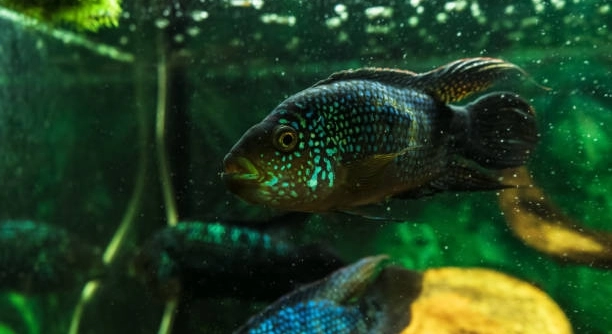
Jack Dempsey fish are known for their vibrant colors and lively behavior, but even experienced aquarium owners notice moments of confusion in their daily activities. These fish react in unexpected ways that can surprise many hobbyists.
Jack Dempsey fish often become confused in situations involving sudden changes in their environment, unfamiliar tank mates, irregular feeding schedules, or shifts in water conditions. Understanding these triggers helps maintain their well-being and supports a stable aquarium habitat.
Observing these behaviors closely can improve your care routines and help your Jack Dempsey fish feel more secure and comfortable in their tank.
Sudden Changes in Water Temperature
Jack Dempsey fish are sensitive to sudden shifts in water temperature. Even a small change can make them pause, hide, or swim erratically. Rapid heating or cooling disrupts their comfort zone and can stress them. Maintaining a stable temperature is essential. Use a reliable heater and thermometer, and avoid placing the tank near windows or vents. Gradual adjustments are better when you need to change the temperature. These fish rely on consistent conditions to feed, rest, and interact with their surroundings. Stress from temperature changes can affect their appetite and immune system. Regular monitoring ensures they remain active and healthy.
Sudden temperature swings can make Jack Dempseys act nervous or sluggish, showing clear signs of confusion and discomfort in their tank environment.
Keeping the water temperature stable not only prevents stress but also supports normal behavior patterns. When changes are necessary, adjust the heat gradually. Observing their reactions during these moments allows you to respond quickly and maintain their overall health. A calm and consistent environment reduces anxiety and helps them interact normally with tank mates. This consistency also supports growth and color vibrancy, which are important indicators of their well-being. Simple steps, like checking the heater daily and avoiding drafts, make a big difference in preventing confusion caused by temperature fluctuations. Over time, you will notice they become more confident and predictable in their daily routines.
Introduction of New Tank Mates
Adding new fish can unsettle Jack Dempseys, as they are territorial and cautious. New arrivals change the dynamics, triggering defensive or confused behavior.
They may chase, hide, or refuse food temporarily while adjusting to new companions.
Observing interactions between your Jack Dempsey and new tank mates is crucial to ensure harmony. Introduce one fish at a time and provide plenty of hiding spots. This allows them to establish territories without constant confrontation. Separation nets or dividers can help during the first few days to minimize stress. Recognizing body language, like flared fins or sudden retreats, indicates when tension is high. Gradual introduction encourages adaptation and reduces aggressive or anxious behavior. Over time, the fish learn to coexist, but patience is key. Watching their responses carefully ensures you can intervene if necessary, creating a balanced tank where both old and new fish feel secure.
Irregular Feeding Schedules
Jack Dempsey fish become uneasy when feeding times are inconsistent. They notice when meals are skipped or delayed and may swim anxiously or linger near the feeding area, showing confusion about when food will arrive.
Consistency in feeding helps maintain their health and reduces stress. Overfeeding or underfeeding can lead to aggression or lethargy. Feeding them at the same times each day creates a sense of routine. Using a measured portion ensures they receive proper nutrition without polluting the tank. Observing their eating behavior helps detect early signs of illness. A predictable feeding schedule supports their growth and encourages normal activity patterns, making them more comfortable and confident in the tank environment.
Sudden changes in diet can also confuse them. Introducing new food gradually allows the fish to adapt while monitoring for allergies or rejection. A steady routine reinforces their natural habits and prevents unnecessary stress.
Changes in Tank Decorations
Rearranging tank decorations can disorient Jack Dempsey fish. Moving rocks, plants, or hiding spots causes them to explore cautiously and sometimes appear confused about their surroundings.
They rely on familiar landmarks for comfort and navigation, so sudden changes disrupt their sense of security.
Gradual changes work best when you want to refresh the tank. Introduce one new decoration at a time, leaving some familiar areas untouched. This approach allows them to adjust without panic. Provide plenty of hiding spots so they can feel secure while exploring. Observing how they react to new objects helps gauge stress levels. Removing decorations abruptly can trigger defensive behavior or aggression toward tank mates. Maintaining some consistent areas while updating parts of the tank ensures balance between stimulation and stability, allowing Jack Dempseys to remain confident in their environment.
Poor Water Quality
Dirty water can confuse Jack Dempsey fish, causing them to swim erratically or hide more than usual. High ammonia or nitrate levels disrupt their comfort and can make them appear stressed.
Regular water changes and proper filtration keep their environment stable. Monitoring water parameters ensures the fish remain healthy and confident.
Overcrowded Tank
Too many fish in one tank can overwhelm Jack Dempseys. Crowding limits their space and makes them anxious, often leading to aggression or withdrawal. Observing their behavior helps determine if the tank is too full.
Providing adequate space and hiding spots reduces tension. Each fish needs room to establish territory. Overcrowding not only affects behavior but can also impact water quality, increasing stress and susceptibility to illness. Maintaining a balanced fish-to-tank ratio is essential. Careful planning when adding new fish prevents confusion and aggression, allowing Jack Dempseys to feel secure while interacting normally.
Sudden Loud Noises
Jack Dempseys react strongly to sudden, loud noises near the tank. These sounds startle them, making them dart around or hide.
Keeping the aquarium in a quieter area helps minimize stress and confusion.
FAQ
Why does my Jack Dempsey fish hide all the time?
Hiding is often a response to stress or discomfort. Changes in water quality, sudden tank rearrangements, or aggressive tank mates can make them seek shelter. Providing consistent conditions, proper hiding spots, and a calm environment helps them feel secure and reduces excessive hiding.
How can I tell if my Jack Dempsey is stressed?
Signs of stress include erratic swimming, loss of appetite, faded color, and constant hiding. They may also show aggression toward other fish or display unusual lethargy. Monitoring behavior closely and maintaining stable tank conditions can prevent long-term stress.
Is it normal for Jack Dempsey fish to chase other fish?
Yes, they are naturally territorial. Chasing can be a way to establish dominance or protect their area. Adequate space, hiding spots, and observing interactions when introducing new fish can help reduce tension.
What should I do if my Jack Dempsey refuses food?
Food refusal can indicate stress, illness, or sudden changes in environment or diet. Try offering familiar foods at regular times and check water parameters. Gradually introducing new foods can help them adapt without causing further stress.
Can Jack Dempseys live with other fish?
They can, but careful selection is important. Tank mates should be of similar size and temperament. Avoid very small or passive fish, as Jack Dempseys may bully them. Providing plenty of space and hiding areas ensures peaceful coexistence.
Why does my Jack Dempsey flare its fins often?
Flaring is a sign of territorial behavior or mild agitation. It can occur when they encounter new fish, unfamiliar reflections, or changes in the tank. Observing context and making adjustments to the environment can reduce frequent flaring.
How often should I clean my Jack Dempsey tank?
Partial water changes of about 20-30% weekly are ideal. Regular cleaning keeps ammonia and nitrate levels low, maintaining health and reducing stress. Avoid complete tank overhauls, as sudden changes can confuse or unsettle your fish.
Why does my Jack Dempsey look dull or faded?
Faded colors often indicate stress, poor diet, or illness. Ensuring stable water conditions, providing a balanced diet, and minimizing disturbances helps restore their vibrant appearance.
What’s the best way to introduce a new Jack Dempsey to an existing tank?
Use a divider or quarantine period for new arrivals. Introduce one fish at a time and observe interactions. Gradual exposure prevents aggression and allows both the new and established fish to adapt safely.
Can Jack Dempsey fish recognize their owners?
They can respond to familiar movements or feeding routines. While not emotionally attached, they recognize patterns and associate owners with food, often swimming to the front during feeding times.
How do I prevent my Jack Dempsey from getting stressed during water changes?
Perform gradual water changes and maintain temperature consistency. Avoid sudden large adjustments, and keep equipment movements calm. Providing hiding spots during maintenance allows the fish to feel safe while the environment is altered.
Why does my Jack Dempsey sometimes bump into tank walls?
Bumping can indicate poor lighting, unclear water, or stress from reflections. Ensuring proper lighting, clean water, and covering reflective surfaces can reduce this behavior. Sometimes, it’s just exploration or curiosity, especially after changes in the tank.
How can I tell if my Jack Dempsey is aggressive or just confused?
Confusion usually shows as hesitation, erratic swimming, or hiding. Aggression is directed at other fish, chasing, nipping, or flaring fins. Observing the behavior in context, such as new tank mates or environmental changes, helps distinguish between the two.
Is it normal for Jack Dempsey fish to sleep at the bottom of the tank?
Yes, resting near the bottom is normal, especially at night or after feeding. Ensure the tank has soft substrate and hiding places so they can rest comfortably without feeling threatened.
What water conditions are best for Jack Dempsey fish?
Stable temperature between 75-80°F, pH around 6.5-7.5, and low ammonia and nitrate levels are ideal. Consistent monitoring and proper filtration help maintain these conditions, keeping the fish healthy and minimizing stress.
Can Jack Dempsey fish change behavior suddenly?
Yes, sudden behavior changes often signal stress, illness, or environmental shifts. Observing tank conditions, water parameters, and social dynamics helps identify the cause and allows for timely adjustments.
Why does my Jack Dempsey follow me around the tank?
Following movements is often linked to feeding patterns. They associate your presence with food, making them appear curious or interactive. It’s a normal response to routine and recognition, not necessarily social attachment.
How long can Jack Dempsey fish live in captivity?
With proper care, they can live up to 10-15 years. Maintaining stable water conditions, a nutritious diet, and a stress-free environment supports their longevity and overall health.
What should I do if my Jack Dempsey becomes aggressive suddenly?
Check for new tank mates, changes in water quality, or territorial disputes. Providing additional space, hiding spots, and monitoring interactions closely can help manage aggression effectively and restore calm in the tank.
How do I encourage my Jack Dempsey to explore its tank?
Introduce decorations gradually, provide hiding spots, and avoid overcrowding. Observing their behavior during changes helps ensure they explore without becoming confused or stressed. Encouragement comes from a safe and stimulating environment that respects their territorial instincts.
This FAQ addresses common situations that confuse Jack Dempsey fish and offers practical steps to maintain a stable, comfortable tank. Understanding their behavior and environment improves care and promotes a healthy, stress-free life.
Final Thoughts
Jack Dempsey fish are vibrant, interesting, and sometimes unpredictable creatures. Their behaviors can be confusing, especially for new aquarium owners. These fish react strongly to changes in their environment, water quality, or tank dynamics. Understanding these reactions is essential to maintaining their health and ensuring they thrive. Even small adjustments, like moving a decoration or changing the feeding schedule, can affect their comfort and confidence. Paying attention to their behavior and observing patterns over time helps owners identify what may be causing stress or confusion. By recognizing these signals, you can take proactive steps to create a stable and supportive environment.
Maintaining a consistent and calm environment is one of the most effective ways to prevent confusion in Jack Dempsey fish. Stable water temperature, proper filtration, and regular monitoring of water parameters are fundamental. Providing adequate space, hiding spots, and a predictable feeding routine gives them a sense of security. Introducing new tank mates or decorations gradually reduces stress and helps the fish adapt more easily. Avoid sudden changes in diet or environment, as these can trigger unusual behaviors. Understanding their territorial nature and individual personality helps you manage interactions between fish. Observing their responses closely and making gradual adjustments promotes a healthier, calmer aquarium.
Taking care of Jack Dempsey fish requires patience, observation, and attention to detail. They may appear aggressive, confused, or hesitant at times, but these behaviors often have simple explanations. Stress from environmental changes, overcrowding, or poor water quality can be reduced with proper care and planning. By creating a consistent and supportive habitat, you encourage natural behaviors and reduce confusion. Over time, you will notice your Jack Dempsey becoming more confident, active, and vibrant. Learning to recognize signs of stress, aggression, or discomfort allows you to respond effectively and maintain a healthy, balanced tank. With careful observation and a stable environment, these fish can thrive for many years, providing both visual appeal and an interesting, interactive presence in your aquarium.

Hello,
If you enjoy the content that we create, please consider saying a "Thank You!" by leaving a tip.
Every little bit helps us continue crafting quality advice that supports the health, happiness, and well-being of pets around the world, for pets of all shapes, sizes, and species.
We really appreciate the kindness and support that you show us!