
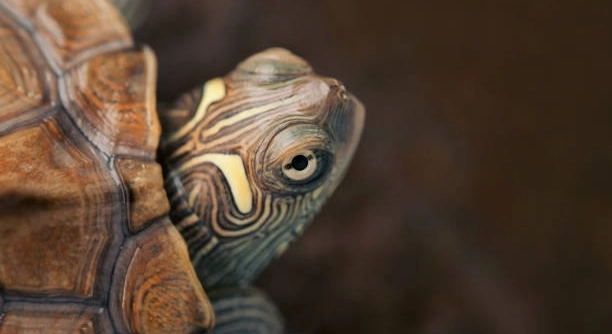
Male and female map turtles may look similar at first, but there are some distinct differences between them. These turtles have unique features that can help you identify their gender, especially if you know where to look.
Male map turtles are typically smaller than females and have longer, thinner tails. Males also possess claws that are more developed, which they use to attract females during mating displays. Females, in contrast, are larger with shorter tails.
Understanding these differences can help you appreciate the variety within this species. By recognizing the traits of male and female map turtles, you’ll gain a deeper understanding of their natural behavior.
Size Differences Between Male and Female Map Turtles
When it comes to size, male and female map turtles show a noticeable difference. Males are generally smaller, with adult males growing to around 4 to 6 inches in length. Females, on the other hand, are much larger, typically reaching sizes of 8 to 10 inches. This size difference is one of the most obvious ways to tell the sexes apart.
In most species of turtles, this size difference is common. It helps females to carry and protect their eggs more effectively, as a larger size gives them more space. Males, being smaller, are built for agility and speed, which helps them during mating seasons when they need to compete for attention.
While size plays a large role in distinguishing males from females, other characteristics should also be considered. These physical traits can make it easier for you to identify the gender if you’re ever curious about the turtles in your care or observation.
Tail Length
Another key difference between male and female map turtles is their tail length. Males possess long, thick tails that extend far beyond the edge of their shells. Females, however, have shorter, stubby tails. This feature is another indicator of their gender, particularly when they are in the same environment.
During mating seasons, male map turtles use their tails more actively. The longer tail helps males align themselves with the female’s shell during mating, while the shorter tail of the female aids in protecting her eggs once fertilized.
Understanding tail length is another simple method to tell the sexes apart. The next time you observe map turtles, take note of their tails—it will help you spot whether you’re looking at a male or a female.
Claw Length and Shape
Males also have longer and more curved claws than females, a characteristic that helps them attract females. During courtship, the males use these claws to gently stroke the females’ faces or shells as a way of signaling interest. The claws are not only functional for mating but also serve as a way for the males to stand out during this important time.
The claws of females, by comparison, are shorter and straighter. While females may use their claws to dig and navigate, they don’t play as important a role in mating behavior. These differences in claw size and shape are subtle but critical when trying to determine whether you’re looking at a male or a female map turtle. Males use their long claws as part of their unique mating display.
Behavior Differences
Beyond physical traits, map turtles also show differences in behavior. Male map turtles are more active, especially during the mating season. They are constantly on the lookout for females and are often seen swimming around in search of potential mates. Females, however, tend to be more passive and spend more time basking in the sun or resting in quiet areas.
The behavior of map turtles can be an indicator of their sex, especially if you observe them in the wild or in captivity. Males are likely to be more mobile and may engage in behaviors such as trying to impress females with their movements or offering their claws during courtship.
In contrast, females are more focused on staying still and resting. This difference in energy levels and actions can be helpful in identifying their sex when physical traits are harder to distinguish.
Mating Behavior Differences
Male map turtles are highly active when it comes to mating. During the breeding season, they will swim rapidly around females and often exhibit courtship behavior. This includes the use of their long claws, which they extend and gently stroke the female’s face or neck.
Females, on the other hand, do not display these behaviors. Instead, they remain still while males attempt to court them. Once mating occurs, females typically move away from the males and focus on finding a suitable place to lay their eggs. The differences in mating behavior help highlight the gender of each turtle.
Mating behaviors in map turtles are not only driven by physical differences but also by the turtles’ instincts. Male turtles often demonstrate aggression towards one another, especially if multiple males are vying for the attention of a female. During this period, males can be seen displaying competitive behaviors, while females maintain a more passive role. These behaviors are essential for reproduction and can help you understand the nature of the map turtles in your care.
Habitat Preferences
Map turtles, both males and females, share similar habitat preferences but tend to use these environments differently. They favor slow-moving rivers, ponds, and lakes where they can bask on logs or rocks. These areas provide both food and shelter for them to thrive.
Despite sharing the same habitats, females often seek out deeper waters where they can rest away from males. Males, however, are typically found closer to the shore, where they are more likely to encounter females. This difference in behavior highlights how map turtles adapt to their environments based on their needs, such as foraging or mating.
In captivity, it’s important to consider these preferences when setting up enclosures. Providing shallow basking spots near the water’s edge works best for males, while females may benefit from deeper sections to feel more comfortable. Understanding their habitat choices can lead to a more natural and comfortable environment for your turtles.
Physical Markings
Male and female map turtles often have different physical markings. Males typically have more vibrant colors and distinct patterns on their shells and skin. These markings serve to attract females during mating season.
Females, in contrast, have more muted colors, with less noticeable markings. Their shell patterns tend to be more subdued, providing better camouflage in their natural environment. These differences help males stand out when trying to attract mates, while females blend in more easily with their surroundings for protection.
Over time, these visual differences become more apparent, especially as the turtles grow older. While the differences may not be easily noticeable at a young age, they become clearer as the turtles mature. The unique patterns and colors are essential not just for mating but for survival in the wild.
Diet Differences
Male and female map turtles generally share similar diets, consisting of aquatic plants, insects, and small fish. However, females may eat more in order to support egg development. Their increased food intake helps them store energy needed for egg production.
Males, on the other hand, are more likely to remain more active and require slightly less food. Their diet is still high in protein and plant matter, but they do not need the extra calories that females require during the breeding season. This difference in diet is not drastic but is crucial for ensuring successful reproduction.
Females typically consume food that will aid in the development of their eggs, ensuring they remain healthy throughout the incubation process. Males may appear to have more irregular feeding patterns as they focus on courtship behaviors during mating season.
Lifespan
Map turtles tend to live long lives, but females generally outlive males. Females may live anywhere from 30 to 40 years, while males tend to live a bit shorter, around 15 to 25 years.
This difference in lifespan is mainly due to the different roles each gender plays in the species’ reproduction process. The more demanding physical conditions females experience during egg-laying contribute to their longer lives. Males, being smaller and more active in mating, face greater risks and dangers during their shorter lives.
These lifespan differences are something to consider if you’re keeping map turtles as pets. Ensuring that the environment is suited to their life expectancy can contribute to their overall health and well-being.
FAQ
What is the primary way to tell if a map turtle is male or female?
The easiest way to distinguish male and female map turtles is by their size. Males are smaller, typically around 4 to 6 inches long, while females are larger, usually between 8 and 10 inches. Additionally, males have longer, thinner tails compared to females, whose tails are shorter and more stubby.
Do male and female map turtles have different patterns?
Yes, males tend to have brighter, more vibrant patterns and markings on their shells and skin. These colors and patterns are used during courtship to attract females. Females, however, usually have duller and more muted markings, which help with camouflage, making them blend in better with their environment.
Do female map turtles lay eggs every year?
Female map turtles do lay eggs annually. They usually deposit their eggs in sandy or muddy areas close to water, where they will incubate. Females might lay between 5 and 15 eggs at a time, depending on their size and health. The eggs typically hatch after several months, and the young turtles are left to fend for themselves once they emerge.
Do male map turtles ever show aggressive behavior?
Males can be quite aggressive, especially during the mating season. They will compete with other males for the attention of females. This behavior often includes chasing and posturing, sometimes involving pushing or nudging the rival males out of the way to get closer to a female. Males are also known to fight using their long claws.
How do the diets of male and female map turtles differ?
While both sexes share similar diets, females often consume more food to support their reproductive needs. Females require extra energy for egg production and may eat larger quantities of aquatic plants, insects, and small fish. Males, on the other hand, eat similar foods but in smaller amounts, as they don’t need the extra calories for egg production.
How long do map turtles live?
Female map turtles generally live longer than males. Females can live between 30 to 40 years, while males typically live around 15 to 25 years. This difference in lifespan is related to the females’ larger size and the fact that they don’t face the same level of physical stress that males do during mating seasons.
Are there any health differences between male and female map turtles?
Generally, both male and female map turtles have similar health needs, but the stress of egg production can sometimes make females more susceptible to certain health issues, such as egg retention or complications during the laying process. Males, while more active and sometimes more aggressive, typically don’t face these specific health challenges.
Do male and female map turtles behave differently in captivity?
Yes, male map turtles are often more active and aggressive, especially during the mating season. They tend to swim around more and may display more territorial behavior. Females, being larger, are generally more laid-back and less prone to aggressive actions. They often spend more time basking and resting.
What type of habitat do male and female map turtles prefer?
Both male and female map turtles prefer slow-moving rivers, ponds, or lakes. However, males are often found in shallower waters where they can easily encounter females. Females typically prefer deeper areas where they can rest away from males and other potential threats. If kept in captivity, it’s important to mimic these habitat preferences for each gender.
Do male and female map turtles have different behaviors when basking?
Yes, males are more likely to actively search for basking spots, often competing with other males for the best spots. Females, being larger, tend to be more patient and will typically rest in areas that are further from the main activity, where they can enjoy a more peaceful environment. Their basking habits reflect their different needs and roles in the species.
Final Thoughts
Understanding the differences between male and female map turtles can help you appreciate these creatures on a deeper level. While they may look similar at first, the variations in size, tail length, behavior, and markings are important indicators of their gender. These distinctions play key roles in their survival and reproduction, shaping how they interact with their environment and each other. Knowing what to look for can make it easier to identify males and females, whether you are observing them in the wild or caring for them in captivity.
Map turtles, like many other species, exhibit differences in behavior that align with their biological roles. Males are more active, especially during mating seasons, as they actively seek out females and compete with other males. Their courtship displays and use of claws highlight their role in reproduction. Females, in contrast, are more passive and focused on finding a safe place to lay their eggs. Their larger size and more subdued markings help them stay protected in their environments. The behaviors of these turtles are crucial for their reproductive success and provide an interesting dynamic to observe.
If you’re keeping map turtles as pets, understanding these differences is also beneficial for creating a comfortable habitat. Males may prefer shallow waters near basking spots, while females thrive in deeper areas. Paying attention to their unique behaviors and habitat preferences will help ensure they remain healthy and stress-free. Whether you’re a turtle enthusiast or simply curious about their natural traits, recognizing the distinctions between male and female map turtles can enhance your understanding and care for them.

Hello,
If you enjoy the content that we create, please consider saying a "Thank You!" by leaving a tip.
Every little bit helps us continue crafting quality advice that supports the health, happiness, and well-being of pets around the world, for pets of all shapes, sizes, and species.
We really appreciate the kindness and support that you show us!