
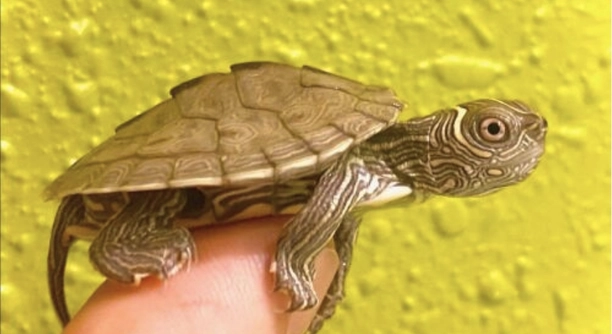
Map turtles are popular pets for their unique appearance and calm nature. However, caring for them in a small tank requires some extra attention. Providing proper enrichment is key to their well-being, ensuring they thrive despite limited space.
Enrichment for map turtles in small tanks can be achieved through carefully selected objects and activities. Providing hiding spots, varied water levels, and objects for climbing and basking can keep your turtle active and engaged, preventing boredom.
Creating an enriching environment can make a significant difference in your turtle’s health and happiness. By following some simple tips, your turtle will benefit from a more stimulating habitat, promoting both physical and mental well-being.
Creating a Comfortable Habitat
When caring for map turtles in small tanks, the space limitations can be a challenge. To help your turtle feel secure and comfortable, it’s essential to offer a setup that mimics their natural environment. Map turtles enjoy areas where they can bask, swim, and hide. A shallow section of water for easy access to swimming and a dry basking spot will help create a balanced habitat. Including rocks or logs for climbing can give them the stimulation they need, encouraging physical activity. Simple yet effective additions, like plants, offer hiding spaces, making your turtle feel safe and secure.
A proper tank setup not only supports physical health but also reduces stress.
It’s important to remember that while small tanks limit space, thoughtful arrangement makes a big difference. Keeping the tank clean and ensuring it has proper filtration for water quality is crucial for long-term health. Regularly checking water temperature and humidity helps ensure the environment stays optimal for your map turtle’s well-being.
Engaging Activities and Toys
Adding engaging toys or activities can keep your map turtle active.
Map turtles enjoy moving around and exploring, and adding floating objects like logs or toys can encourage movement. Providing different textures for climbing will also motivate your turtle to explore its habitat. A variety of safe, chewable items, such as aquatic plants or turtle-safe branches, can be incorporated. Adding objects to interact with helps mimic the turtle’s natural behaviors, reducing the chances of them becoming sedentary or stressed. Interactive features, like a gentle current or water filter, can encourage your turtle to swim more actively, mimicking the flow of a river.
Regular changes in the setup can also keep the turtle’s environment fresh and interesting. Changing the tank layout or swapping out objects can introduce new challenges, giving your turtle an incentive to explore again.
Maintaining a Healthy Environment
A clean tank is essential for your map turtle’s health.
Regular water changes and proper filtration prevent the buildup of waste and harmful bacteria. This helps avoid water quality issues that can harm your turtle’s skin and shell. Keeping the water at the right temperature also supports your turtle’s immune system and digestion. Testing water parameters such as pH, ammonia, and nitrate levels is also a good practice. Regular cleaning of tank decorations and accessories helps keep the environment safe and comfortable.
Keeping track of water quality is important for your turtle’s long-term health.
Investing in a good filtration system will save you time on water changes and help maintain a healthy balance. Regular cleaning of the filter and water testing should be part of your routine to ensure the tank remains clean and clear. Adding a water heater to maintain the right temperature range ensures that your map turtle feels comfortable. By paying attention to these details, you can create an ideal environment for your turtle’s well-being.
Temperature and Lighting
Map turtles rely on appropriate temperature and lighting for their health.
A basking area with proper lighting is key. Map turtles need both UVB and UVA light to help metabolize calcium, preventing shell deformities and promoting overall health. A heat lamp placed over the basking area provides warmth. Ensure the water temperature is comfortable but not too hot, typically between 75-80°F.
UVB lighting should be placed close enough to the basking area so your turtle can absorb it properly. The right amount of light helps in calcium absorption and supports overall metabolism. Keeping the tank at an appropriate temperature and lighting level helps your turtle maintain healthy habits. Changing bulbs regularly is essential for maintaining light intensity. Without the proper lighting and heat, map turtles may experience poor shell growth and weakened immune systems.
Feeding Your Map Turtle
Providing a balanced diet is essential for your map turtle’s health.
Map turtles are omnivores, so they require both animal and plant-based foods. Offer a mix of high-quality pellets, leafy greens, and occasional protein sources like insects or small fish. Avoid overfeeding, as it can lead to health problems like obesity.
A varied diet helps your turtle get the right nutrients, including vitamins and minerals.
Make sure to offer a mix of vegetables such as collard greens, kale, and dandelion leaves. You can also add some fruits like strawberries or melon for variety. Protein can come from worms, crickets, or feeder fish. The right diet promotes a healthy shell and strong bones.
Shell Care and Maintenance
Regular shell care is necessary to prevent infections and other issues.
Ensure your turtle’s shell remains clean by gently scrubbing it during water changes. Any signs of peeling or soft spots should be addressed immediately to avoid infections. A balanced diet with proper calcium intake helps maintain a healthy, strong shell.
Healthy shells are crucial for your turtle’s overall well-being.
In addition to diet, proper UVB lighting plays a role in shell health. If your turtle spends too much time without access to light, their shell may become brittle. Keeping the environment clean and well-maintained prevents common shell problems.
FAQ
How often should I change the water in my map turtle’s tank?
You should change the water in your map turtle’s tank at least once a week. The frequency may increase depending on the size of the tank and the number of turtles you have. If your tank is small or you have multiple turtles, it’s a good idea to change 25-50% of the water every few days. Regular water changes ensure that the water remains clean, preventing harmful bacteria build-up and maintaining a healthy environment for your turtle. A good filtration system can help extend the time between water changes but should not replace regular cleaning.
What size tank does my map turtle need?
The minimum recommended tank size for a single map turtle is 40 gallons. Larger tanks are always better for providing more swimming space and allowing the turtle to move around. As the turtle grows, it may need an even larger tank, especially since they can grow up to 10 inches long. A larger tank also helps maintain water quality by diluting waste, which is crucial for keeping your turtle healthy. Remember that a bigger tank also provides more opportunities for enrichment and better temperature control.
Can I keep multiple map turtles in the same tank?
Yes, you can keep multiple map turtles in the same tank, but it requires careful consideration. Ideally, each turtle should have enough space to avoid territorial disputes. It’s best to have at least 10 gallons of water per turtle, so a 100-gallon tank would be ideal for 10 map turtles. However, it’s important to monitor their behavior. Some turtles may become aggressive or stressed when housed together. If you notice biting, excessive hiding, or other signs of stress, it may be better to separate them.
Do map turtles need a basking area?
Yes, map turtles need a basking area to dry off and regulate their body temperature. A basking spot can be created with a ramp, rocks, or a floating dock. Ensure the area is accessible and dry, with a heat lamp above it to provide warmth. The basking area should be located outside of the water, so the turtle can climb out and rest. Without a basking area, your turtle might struggle to maintain proper body temperature, which can affect digestion and overall health.
What is the best diet for map turtles?
Map turtles require a balanced diet that includes both plant and animal-based foods. You can feed them high-quality commercial turtle pellets, leafy greens like collard greens, kale, and dandelion leaves, and occasional treats like crickets, worms, or small feeder fish. Protein is important for growth, while vegetables provide necessary vitamins and minerals. Avoid overfeeding, as map turtles can become obese. It’s also important to vary their diet to ensure they receive all the necessary nutrients for strong bones and a healthy shell.
How do I prevent my map turtle from getting sick?
To keep your map turtle healthy, provide a clean environment, a balanced diet, proper lighting, and temperature control. A regular cleaning routine, including water changes and shell care, helps prevent infections. Make sure the tank has a good filtration system, and monitor water parameters to keep them within safe ranges. Offering both UVB and UVA lighting supports your turtle’s immune system and helps with calcium metabolism, preventing shell deformities. A well-maintained habitat, combined with the right diet, reduces the chances of illness and supports long-term health.
Can I add plants to my map turtle’s tank?
Yes, adding plants can help create a more natural and enriching environment for your map turtle. Live plants provide hiding spots and some even offer additional food sources. However, it’s important to choose plants that are safe for turtles. Some common aquarium plants that are safe for map turtles include anacharis, hornwort, and java fern. Be sure to avoid any plants that are toxic or harmful. Plants can also help maintain water quality by absorbing excess nutrients, but they should be maintained properly to avoid overgrowth or decay.
How can I tell if my map turtle is stressed?
Signs of stress in map turtles include a lack of appetite, hiding for extended periods, excessive basking, aggression toward tank mates, and lethargy. Stress can be caused by various factors, such as a small tank, poor water quality, overcrowding, or improper lighting. If your turtle is showing signs of stress, it’s essential to address the root cause, such as improving water quality, providing more space, or adjusting the temperature. Reducing stress helps prevent further health issues and promotes better overall well-being for your turtle.
What temperature should the water be for my map turtle?
The ideal water temperature for a map turtle is between 75-80°F (24-27°C). This range supports healthy digestion and metabolism. The basking area should be warmer, typically around 85-90°F (29-32°C), so your turtle can regulate its body temperature. A water heater is often necessary to maintain a stable temperature, especially in cooler environments. Be sure to check the temperature regularly with an aquarium thermometer to avoid fluctuations that could affect your turtle’s health. Proper temperature control is essential for your turtle’s immune system and overall well-being.
How long do map turtles live?
Map turtles can live for several decades with proper care. On average, they live between 20 to 30 years, though some can live even longer. Providing a healthy environment, a balanced diet, and proper veterinary care can help extend their lifespan. Regular tank maintenance, such as water changes and keeping the habitat clean, plays a key role in their longevity. If you take good care of your map turtle, they can remain a healthy companion for many years.
Final Thoughts
Caring for a map turtle in a small tank comes with its own set of challenges, but with the right setup, it is possible for your turtle to thrive. The key is ensuring that their environment meets their physical and mental needs. Even in a smaller space, you can create a habitat that supports their natural behaviors, such as basking, swimming, and exploring. Proper tank maintenance, along with the right temperature, lighting, and food, is essential for your turtle’s health and happiness.
Regular attention to water quality and cleanliness plays a major role in the well-being of your turtle. Keeping the tank filtered, changing the water regularly, and maintaining a stable environment will help prevent issues such as infections or shell problems. It’s also important to create an environment that encourages your map turtle to be active, with enough space and enrichment to keep them engaged. Whether it’s providing climbing surfaces or adding safe objects to explore, these additions can go a long way in promoting physical and mental health.
By focusing on these aspects, you ensure that your map turtle will have the best chance for a long, healthy life. Though small tanks can be limiting, proper care can make a big difference. From providing a balanced diet to offering enough lighting and warmth, each step you take to improve your turtle’s habitat will enhance their overall quality of life. With patience and attention, you can create an environment where your turtle feels safe, comfortable, and happy.

Hello,
If you enjoy the content that we create, please consider saying a "Thank You!" by leaving a tip.
Every little bit helps us continue crafting quality advice that supports the health, happiness, and well-being of pets around the world, for pets of all shapes, sizes, and species.
We really appreciate the kindness and support that you show us!