
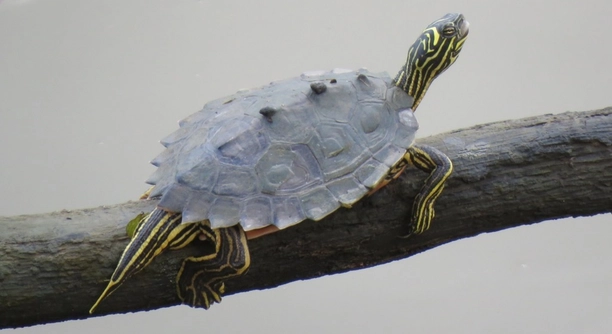
Is your map turtle tank starting to develop an unpleasant smell? If you’ve noticed a stinky odor coming from your pet’s habitat, there could be several reasons behind it. Let’s explore the causes and ways to fix the issue.
A smelly map turtle tank is often the result of poor water quality, excess waste, or improper tank cleaning. If not properly maintained, bacteria and algae can thrive, leading to foul odors. Regular cleaning and filtration are essential to keeping the environment fresh.
There are simple steps you can take to improve your tank’s conditions. Learning the common causes of odor will help you make necessary adjustments, leading to a healthier and more comfortable home for your map turtle.
1. Overfeeding Your Map Turtle
Overfeeding your map turtle is one of the most common reasons for a stinky tank. Leftover food that isn’t eaten decomposes in the water, causing bacteria to grow and create unpleasant smells. It’s easy to think that giving your turtle more food is helpful, but it can actually make the situation worse. When food is left uneaten, it breaks down and releases toxins into the tank. These toxins pollute the water, making it harder to maintain clean conditions.
It’s crucial to feed your turtle the right amount of food based on their size and age. By doing so, you’ll prevent excess food from rotting in the tank.
Feeding your turtle too much not only affects water quality but can also lead to other health problems. It’s important to clean up any uneaten food immediately. This will help keep the water clear and reduce the chances of unpleasant odors building up. Stick to a feeding schedule and monitor the amount of food given to ensure your turtle’s health and the cleanliness of their tank.
2. Poor Water Filtration
A low-quality or underpowered filter can’t properly clean the water, which results in waste and debris lingering in the tank. Without adequate filtration, your turtle’s environment can quickly turn foul, and the smell becomes noticeable.
Investing in a good filter for your tank will help prevent unpleasant odors by ensuring the water stays clean.
Choose a filter that matches your tank’s size and your turtle’s needs. A filter with both mechanical and biological filtration works best to remove physical debris and break down harmful toxins. The more effective the filtration, the less likely it is that bacteria will flourish in the water. Regularly changing filter media and cleaning the filter will keep it working properly and help maintain a fresh-smelling tank.
3. Infrequent Tank Cleaning
If you’re not cleaning the tank often enough, waste can build up and cause foul smells. Turtles can create a lot of mess, and it’s easy for waste to settle in hard-to-reach places.
To keep the tank fresh, do a full cleaning every 2-4 weeks. This includes removing old water, scrubbing surfaces, and cleaning decorations.
When cleaning, be sure to change the water completely, wipe down the sides, and clean the tank’s substrate. Don’t forget to disinfect all tank accessories like rocks and plants. Regular cleaning removes accumulated waste and keeps harmful bacteria from growing, making the environment much healthier for your turtle.
4. Algae Growth
Excessive algae growth can also be a reason for the smell in your tank. Algae thrive in conditions where there’s too much light or nutrients, particularly from uneaten food.
Keep the lighting in check to avoid encouraging algae blooms. If you notice algae growing on your tank walls, clean it off right away.
Algae can create a musty smell that’s hard to ignore. If algae growth is out of control, consider reducing the amount of light your tank gets each day. You can also invest in algae-eating creatures like snails or shrimp to naturally help control it. The goal is to maintain a balance in your tank’s ecosystem to avoid this smelly issue.
5. Dirty or Old Substrate
The substrate at the bottom of your tank can trap waste and food particles. If you haven’t cleaned or replaced it regularly, it can begin to smell.
Over time, old substrate can break down and release odors into the water. Change it out regularly to prevent this.
To keep your tank smelling fresh, vacuum the substrate when doing water changes. Every few months, replace the substrate entirely to avoid the buildup of waste and bacteria. A clean, fresh substrate is essential for maintaining good water quality and minimizing odors.
6. Improper Tank Size
If your tank is too small for your map turtle, it can quickly become overwhelmed by waste and food particles.
A smaller tank makes it difficult to maintain water quality, which leads to strong odors.
To give your turtle the best environment, make sure the tank is large enough to support both the turtle and any filter system. A larger tank allows better water circulation and easier waste removal. A tank that is too small for your turtle’s size and activity level can make tank maintenance more challenging and increase unpleasant smells.
FAQ
How often should I clean my map turtle tank?
You should aim to clean your map turtle tank at least once every 2-4 weeks. This includes changing the water completely, scrubbing the tank surfaces, and cleaning the decorations. However, depending on the size of your tank and the number of turtles, you may need to clean it more often. Regular cleaning prevents waste and bacteria buildup, helping to keep the tank fresh and your turtle healthy.
What is the best way to feed my map turtle without causing a mess?
To avoid food waste, feed your turtle in a separate container or feeding dish. This way, any uneaten food can be easily removed before it has a chance to break down in the tank. Additionally, ensure you are only feeding the right amount of food for your turtle’s size. Monitor the feeding schedule and adjust portions as needed. This helps reduce excess food that can pollute the tank and cause odors.
How do I prevent algae growth in my map turtle tank?
To control algae, limit the amount of light your tank receives each day. Ensure your tank isn’t exposed to direct sunlight, and consider using a timer for artificial lights. Additionally, keep the water clean and avoid overfeeding your turtle. Algae feed on nutrients found in waste and uneaten food, so reducing these factors can help control algae growth. Adding algae-eating creatures like snails or shrimp can also help manage algae in your tank.
Can I use chemicals to clean my tank?
It’s best to avoid using harsh chemicals in your tank. Many chemicals can harm your turtle, disrupt the tank’s ecosystem, or leave behind harmful residues. Instead, use safe aquarium cleaners or a vinegar solution to clean surfaces and decorations. Always rinse everything thoroughly before putting it back in the tank. Regular water changes and substrate cleaning will help maintain a fresh environment without relying on chemicals.
Why does my map turtle tank still smell after cleaning?
If the tank continues to smell after cleaning, it could be due to poor filtration, excess food or waste, or improper substrate maintenance. Make sure your filter is working properly and is the right size for your tank. Also, check the substrate for debris and replace it if necessary. If there’s an issue with your turtle’s waste not breaking down, consider using a stronger filtration system or adding more filtration media to help keep the water clean.
How can I prevent my map turtle’s tank from smelling without constant cleaning?
To reduce the frequency of cleaning, invest in a high-quality filtration system suited for your tank size. A good filter will help remove waste and keep the water clean for longer. Also, monitor feeding amounts to avoid overfeeding, which can lead to food waste and odors. Regularly remove uneaten food and replace the substrate when necessary. These measures can help maintain a fresh tank without requiring frequent deep cleanings.
Is it necessary to replace the tank water completely every time I clean it?
It’s not always necessary to replace all the water every time you clean the tank, but it’s highly recommended. Changing out the water completely ensures that toxins and waste are removed, helping to maintain a healthy environment for your turtle. If you choose to only do partial water changes, make sure to clean the substrate and decorations thoroughly to prevent the buildup of waste. Aim for at least a 25% water change every week if you’re not changing it completely.
What should I do if my map turtle is getting sick due to tank conditions?
If your map turtle shows signs of illness, such as a lack of appetite, lethargy, or unusual behavior, poor water quality could be to blame. Make immediate adjustments by improving filtration, changing the water, and cleaning the tank thoroughly. If the symptoms persist, it’s best to consult a veterinarian specializing in reptiles. Regular maintenance and proper water conditions will help prevent illness and keep your turtle healthy in the long run.
Can I add other animals to my map turtle tank without causing odor issues?
It’s possible to add other creatures like snails or shrimp to help manage algae and clean up uneaten food. However, be mindful of the tank size and the compatibility of different species. Overcrowding the tank can lead to poor water quality and odors, so always ensure that each animal has enough space. Additionally, monitor their waste production to avoid creating more work for your filtration system.
How do I control waste buildup in my map turtle tank?
Control waste buildup by feeding your turtle in a feeding dish or separate area, cleaning uneaten food immediately, and using a good filtration system. Additionally, keep the tank clean by doing regular partial water changes and vacuuming the substrate to remove debris. Proper filtration and water circulation will also help waste break down more effectively, reducing odors.
Final Thoughts
Keeping your map turtle’s tank clean and fresh is essential for their health and well-being. There are several factors that contribute to tank odor, including overfeeding, inadequate filtration, and infrequent cleaning. Regular maintenance, such as cleaning the tank, changing the water, and removing uneaten food, is crucial to prevent unpleasant smells. By being mindful of your turtle’s feeding habits and using proper filtration, you can greatly reduce the chances of odors building up.
When it comes to the tank environment, a larger space and proper equipment can make a significant difference. A well-sized tank with the right filtration system allows for better water quality and reduces the chances of waste accumulating. By investing in a quality filter and ensuring your turtle has enough space, you’ll be able to manage waste more effectively, which can prevent many common odor-related issues. It’s also important to pay attention to the light exposure and algae growth in the tank. Too much light or nutrients can encourage algae blooms, which can lead to a musty smell.
Lastly, addressing tank smells requires consistency. Regular tank maintenance, including water changes, substrate cleaning, and monitoring your turtle’s health, will keep your turtle’s environment clean and free from odors. Even though it may take a little effort, maintaining a fresh tank is vital for the long-term happiness and health of your map turtle. With a few simple adjustments and habits, you can enjoy a clean, odor-free tank while ensuring your turtle remains happy and healthy.

Hello,
If you enjoy the content that we create, please consider saying a "Thank You!" by leaving a tip.
Every little bit helps us continue crafting quality advice that supports the health, happiness, and well-being of pets around the world, for pets of all shapes, sizes, and species.
We really appreciate the kindness and support that you show us!