
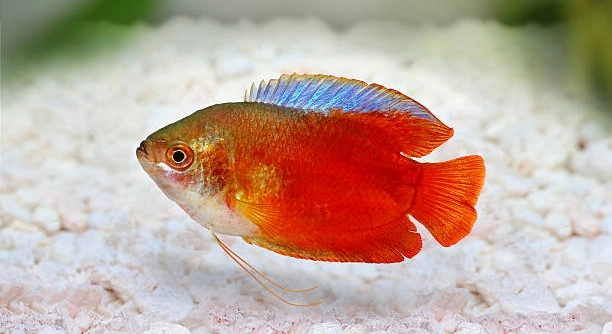
Do you ever notice your gourami lingering in a corner of the tank, barely moving while the other fish swim around freely? It can feel worrying when a usually active fish seems withdrawn or unusually still.
A gourami that refuses to leave the corner is often experiencing stress, illness, or environmental discomfort. Factors such as poor water quality, inadequate tank conditions, or aggression from tank mates can significantly affect its behavior and movement.
Observing your fish closely and understanding its needs can reveal simple changes that improve its comfort and activity. Small adjustments often make a big difference in a gourami’s well-being.
Common Reasons Gouramis Stay in the Corner
Gouramis often retreat to corners due to stress or discomfort in their environment. Poor water quality is a frequent factor, as high ammonia or nitrite levels can make them sluggish. Overcrowding in the tank can also create tension, especially with more aggressive fish nearby. Gouramis are territorial, and feeling threatened may push them to hide. Lighting and temperature play a role as well. If the tank is too bright or the water too cold, your fish may remain in a corner to feel safe. Diet can influence behavior too, since underfed or overfed gouramis may lack the energy to swim actively. Sometimes illness is the main reason. Signs like faded colors, clamped fins, or unusual breathing indicate health issues. Observing changes in behavior and physical appearance is essential to identifying problems early and ensuring your gourami’s comfort and safety.
Water changes and proper feeding routines often help a cornered gourami regain normal behavior.
Adjusting tank conditions gradually can have a major impact on your fish. Correcting temperature, light, and water parameters creates a stable environment. Adding plants or hiding spots offers security, encouraging movement and interaction. Regular monitoring helps detect stress early, allowing timely adjustments.
Health Checks and Tank Maintenance
Regular health checks prevent long periods of inactivity in gouramis.
Inspect your fish for physical signs of illness like fin damage, pale colors, or bloating. Ensure the tank’s water parameters are within safe ranges: temperature, pH, and hardness should match the species’ needs. Clean the tank regularly to remove debris, uneaten food, and waste that can compromise water quality. Consider the behavior of other fish, as bullying can push gouramis into corners. Adjusting diet can also improve vitality, providing balanced nutrition with protein and plant matter. Tracking changes in your gourami’s behavior daily allows you to detect subtle signs of stress or sickness.
Maintaining the right environment goes beyond cleaning and feeding. Over time, equipment like filters, heaters, and lights may need adjustments or replacements. Observe interactions between tank mates and rearrange decorations to reduce stress. Plants, rocks, and hiding spots give gouramis secure areas without isolating them completely. Water testing kits help maintain optimal parameters consistently, reducing the risk of illness. A careful balance of light, temperature, and flow supports active swimming and natural behavior. Gradual changes in conditions prevent shock, ensuring your fish adapt comfortably. Consistent care strengthens the overall health of the tank, helping gouramis stay vibrant, active, and engaged with their surroundings.
Tank Environment Adjustments
Adding plants or decorations gives gouramis places to hide and feel secure. Gentle water flow and moderate lighting help reduce stress. Rearranging tank features occasionally prevents territorial conflicts and encourages exploration.
Proper tank setup directly influences your gourami’s comfort. Live plants not only provide hiding spots but also improve water quality by absorbing nitrates. Floating plants can create shaded areas, giving your fish control over its environment. Avoid overcrowding by limiting the number of aggressive or fast-moving tank mates. Smooth decorations prevent injury while encouraging swimming. Temperature stability is important, as sudden fluctuations can cause stress. Observing your fish daily helps identify areas of the tank it prefers and where adjustments may be needed.
Behavioral enrichment can further improve activity. Adding varied textures, such as rocks or driftwood, encourages natural behaviors like exploring and resting. Periodic rearrangement stimulates curiosity and reduces boredom. Feeding in different areas of the tank also promotes movement. Introducing slow-moving tank mates reduces stress while maintaining social interaction. These changes create a dynamic environment that keeps your gourami engaged without overwhelming it. Consistency in water quality and care supports long-term health and ensures your fish feels safe and active.
Feeding and Nutrition
A balanced diet is essential to restore activity in a cornered gourami. Include both protein and plant matter.
Feeding quality flakes, pellets, and occasional live or frozen foods provides the nutrients gouramis need. Overfeeding can cause lethargy, while underfeeding leaves them weak. Small, frequent meals are better than one large portion. Watch how your fish responds to food. Appetite changes often indicate stress or illness. Avoid sudden diet changes, which can upset digestion. Variety keeps them interested and ensures complete nutrition. Supplements like spirulina or vitamins can support color and energy levels. Proper feeding helps the fish regain normal swimming and confidence.
Water quality is closely linked to feeding. Uneaten food must be removed quickly to prevent decay, which raises ammonia levels. Rotating protein sources, such as brine shrimp or daphnia, with plant-based options keeps digestion healthy. Observing the gourami’s behavior during feeding can indicate health and stress levels. Maintaining a feeding routine while keeping the tank clean ensures a stable environment. Over time, balanced nutrition encourages activity, strengthens immunity, and reduces the likelihood of recurring cornering behavior. Attention to these details supports both physical health and natural behavior patterns.
Monitoring Behavior Patterns
Keep track of when your gourami stays in the corner. Note time of day, tank activity, and interactions with other fish. Patterns reveal stress triggers and comfort zones.
Sudden changes in movement or appetite often indicate health issues. Observing closely helps you respond quickly to problems before they worsen. Consistent monitoring improves overall care.
Identifying Signs of Illness
Watch for clamped fins, faded colors, labored breathing, or unusual swimming. Illness often shows before major symptoms appear. Early detection allows faster treatment and prevents worsening conditions.
Maintaining a clean tank and balanced diet reduces risk of disease. Separating sick fish in a quarantine tank prevents spreading infection to healthy tank mates. Quick attention preserves both health and normal activity.
Water Quality Checks
Regularly test water for ammonia, nitrite, nitrate, and pH levels. Stability supports your gourami’s comfort and activity.
Reducing Stress in the Tank
Minimize sudden movements near the tank and loud noises. Stress-free environments encourage exploration and normal behavior.
Why does my gourami stay in the corner all the time?
Gouramis often hide in corners due to stress, illness, or environmental discomfort. Poor water quality, strong tank currents, or aggressive tank mates can make them feel unsafe. Cornering is their way of finding a secure spot until they feel comfortable enough to move.
Is it normal for a gourami to be inactive?
Some periods of low activity are normal, especially at night or after feeding. However, prolonged inactivity or constant hiding can indicate stress, illness, or poor water conditions. Monitoring behavior and checking tank conditions helps determine if intervention is needed.
How do I know if my gourami is sick?
Signs of illness include clamped fins, faded colors, bloating, erratic swimming, and loss of appetite. Rapid gill movement or labored breathing may also appear. Observing these signs early allows for faster treatment and prevents more serious health problems.
Can water quality affect my gourami’s behavior?
Yes, water quality directly affects health and behavior. High ammonia, nitrite, or nitrate levels can cause stress and lethargy. Maintaining stable temperature, pH, and hardness within recommended ranges encourages activity and supports overall well-being. Regular testing is essential.
How often should I clean the tank?
Cleaning frequency depends on tank size, fish population, and filtration. Partial water changes once a week are common. Remove uneaten food and debris regularly. A clean tank reduces stress and prevents disease, helping gouramis stay active and healthy.
Should I separate my gourami if it stays in the corner?
If aggression from tank mates is causing hiding, temporary separation can help. Use a quarantine tank or divider. This allows your gourami to recover without stress and ensures it regains normal swimming behavior before reintroduction.
Does diet impact cornering behavior?
Yes, poor nutrition can make gouramis lethargic. Provide balanced food, including flakes, pellets, and occasional live or frozen options. Small, frequent meals encourage energy and activity. Avoid overfeeding, which can lead to digestive issues and reduce swimming activity.
Can lighting affect my gourami’s comfort?
Bright lighting can stress gouramis, causing them to hide. Providing shaded areas or floating plants allows them to control exposure. Moderate lighting encourages natural activity while maintaining a sense of security.
Are tank decorations important for gourami behavior?
Decorations like plants, rocks, and hiding spots reduce stress and promote exploration. Gouramis are territorial and benefit from defined spaces. Rearranging decorations occasionally prevents boredom and encourages movement. Proper layout improves confidence and reduces cornering.
How long does it take for a gourami to return to normal activity?
Recovery time varies depending on the cause. After correcting water quality, reducing stress, or treating illness, most gouramis regain activity within a few days to a couple of weeks. Patience and consistent care are key for full recovery.
Can I use medications if my gourami seems sick?
Yes, but only after identifying the problem. Overuse or incorrect medications can harm your fish and tank. Follow instructions carefully and isolate the fish if needed. Monitoring for improvement ensures treatment is effective and safe.
Is it possible for my gourami to permanently hide in the corner?
In rare cases, chronic stress or illness can cause prolonged hiding. Proper environment, diet, and tank mates usually prevent this. Early intervention and attentive care significantly reduce the risk of long-term cornering behavior.
How do I prevent my gourami from hiding in the future?
Maintain stable water conditions, balanced nutrition, and stress-free tank mates. Regular tank maintenance, observing behavior, and providing hiding spots help your gourami feel secure. Preventing overcrowding and aggressive interactions reduces hiding and encourages healthy activity.
What role does tank size play in cornering behavior?
Small tanks can increase stress due to limited swimming space and territorial disputes. Larger tanks provide room for hiding and exploration. Adequate space supports natural behavior and reduces the likelihood of a gourami retreating to a corner.
Can multiple gouramis in one tank increase cornering behavior?
Yes, overcrowding can lead to competition for space and dominance issues. Monitor interactions closely and provide sufficient hiding spots. Proper stocking density and compatible species reduce stress and encourage normal swimming behavior.
Does water temperature affect activity levels?
Gouramis are sensitive to temperature fluctuations. Too cold or too warm water can make them lethargic and cornered. Maintaining a stable, species-appropriate temperature encourages swimming and natural behavior. Sudden changes should be avoided.
How can I tell if tank mates are stressing my gourami?
Signs include constant hiding, darting, or fin nipping. Aggressive fish or fast movers can intimidate gouramis. Observing interactions and separating problem fish temporarily or permanently helps reduce stress and restores normal behavior.
Are floating plants helpful for shy gouramis?
Yes, floating plants provide shade and security, helping shy gouramis feel safe. They allow control over exposure to light and other fish, reducing stress and promoting confidence to explore the tank freely.
What small changes can encourage a cornered gourami to swim?
Gradual changes like adding plants, adjusting light, rearranging decorations, and feeding in different areas stimulate movement. Consistent water quality, gentle currents, and compatible tank mates help the fish regain normal swimming and reduce cornering.
A gourami staying in the corner of its tank can be worrying, but it is often a sign that the fish is trying to cope with stress or discomfort. Observing your fish closely is the first step in understanding why it behaves this way. Noticing patterns in movement, appetite, or interactions with other fish can provide important clues. Gouramis are naturally territorial and cautious, so temporary cornering is not always a problem. However, consistent hiding usually points to environmental issues, health concerns, or stress from other tank inhabitants. Paying attention to these details helps you respond effectively and ensures the fish’s safety and comfort over time.
Maintaining a stable tank environment is key to preventing prolonged cornering. Water quality, temperature, and lighting all play a significant role in your gourami’s behavior. Regular water testing, partial water changes, and careful monitoring of parameters like ammonia, nitrite, nitrate, and pH support a healthy habitat. Adding plants, rocks, and other hiding spots creates a sense of security and encourages natural exploration. Tank size and compatible tank mates also affect comfort levels. Overcrowding or aggressive species can push a gourami into hiding, while a calm and appropriately stocked tank promotes confidence and activity. Small, consistent adjustments often produce noticeable improvements in behavior.
Nutrition and health care are equally important. Providing a balanced diet that includes both protein and plant-based foods helps maintain energy and supports overall health. Watching for early signs of illness, such as clamped fins, pale coloration, bloating, or unusual swimming, allows for quick intervention. If stress or disease is identified, temporary separation or a quarantine tank may be necessary. Daily observation, gentle handling, and consistent routines reduce stress and support recovery. By combining careful tank maintenance, proper diet, and attentive observation, your gourami can gradually regain normal activity and enjoy a safe, comfortable environment where it feels confident to explore rather than retreat to the corner.

Hello,
If you enjoy the content that we create, please consider saying a "Thank You!" by leaving a tip.
Every little bit helps us continue crafting quality advice that supports the health, happiness, and well-being of pets around the world, for pets of all shapes, sizes, and species.
We really appreciate the kindness and support that you show us!