
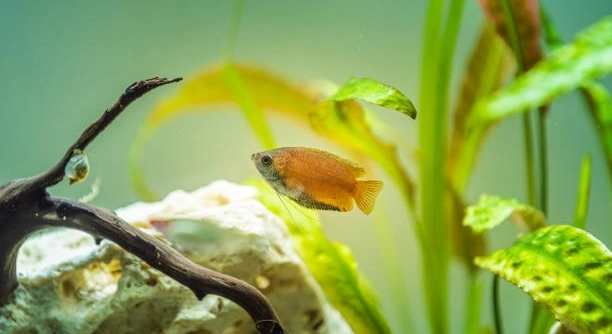
Gouramis are gentle fish often admired for their calm movements and colorful appearance. Many owners enjoy watching them swim and interact with their tank environment. Over time, people can notice patterns in their behavior and responses.
Gouramis can show subtle forms of recognition and comfort toward their owners. They may approach the glass when someone is near, respond to feeding routines, and display calmer movements around familiar people, indicating a level of bonding and familiarity.
Observing these small behaviors can reveal the ways gouramis connect with their owners. Each action in the tank may carry more meaning than it first appears.
Signs Gouramis Recognize Their Owners
Gouramis often develop familiarity with the people who care for them. Over time, they may swim closer when someone approaches the tank or follow hand movements during feeding. Some gouramis display subtle changes in behavior, like pausing near the glass or lingering around certain spots, signaling recognition. They may also exhibit calmer swimming patterns when a familiar person is nearby, contrasting with more erratic movements when strangers are present. This behavior is not as obvious as a dog’s greeting, but consistent observation can reveal patterns. Watching these responses regularly helps owners understand individual fish personalities. Noticing these signs can make feeding and interaction more rewarding, as the fish may respond differently based on comfort levels and prior experiences. Temperature, lighting, and tank setup also affect how openly gouramis interact, but recognition cues tend to remain noticeable under stable conditions. Observing their subtle cues offers insight into their behavior and preferences.
Recognition of their owner is most noticeable during feeding and routine activities.
Gouramis learn quickly to associate hand movements or tapping with food. They may swim closer or show heightened activity when daily care begins. This conditioning strengthens recognition and trust, making interactions more predictable. Over time, the fish can distinguish who regularly feeds them, responding with less stress and more curiosity. Simple gestures, like hand placement near the tank or slow movements, can encourage interaction. These fish also remember where food usually appears and adjust their swimming patterns accordingly. Consistent care builds familiarity, and subtle cues like lingering near a specific side of the tank or following a hand indicate they have formed some level of recognition. Observing these behaviors provides a small but meaningful connection between the owner and the fish. Understanding their responses allows owners to interact in ways that reduce stress and encourage comfort.
Affectionate Behaviors in Gouramis
Affection in gouramis is subtle but present in certain behaviors.
Some gouramis may hover near the tank’s front or follow your movements with steady, calm swimming.
Gouramis show comfort and mild affection through consistent patterns and proximity. They may linger near glass areas where people stand, seem to anticipate feeding times, or swim closer when familiar hands approach. These actions indicate trust, as fish usually avoid sudden disturbances or unfamiliar figures. Other signs include gentle interactions with objects in the tank during human presence or slower, fluid swimming that suggests relaxation. While they do not express affection like mammals, these consistent responses reflect recognition and a positive association with the person caring for them. Their behavior may change depending on health, tank conditions, and lighting, but familiar routines strengthen their comfort level. Paying attention to these subtle cues helps owners notice how their fish responds emotionally and physically, making everyday care more engaging and informed.
Building Trust with Your Gourami
Consistent feeding schedules help gouramis feel safe and familiar with their owner. They often respond to gentle tapping or hand movements near the tank, showing they recognize routine signals. Calm environments strengthen this trust over time.
Trust develops as gouramis associate owners with safety and food. Frequent, predictable interactions reduce stress and encourage the fish to explore the tank more openly when people are near. Slow movements and minimal sudden disturbances help reinforce comfort, allowing them to swim closer or linger near the glass. Over weeks, these repeated experiences create a bond based on recognition and positive association. This trust is not dramatic but shows through steady, calm behaviors and increased activity around familiar caretakers.
A stable tank environment also reinforces trust. Temperature, lighting, and hiding spaces influence how comfortable gouramis feel, and they are more likely to show recognition when they feel secure. Observing their reactions to daily routines provides insight into their comfort level and helps owners adjust care to support consistent positive interactions.
Subtle Signs of Affection
Gouramis often show affection through proximity and attentive swimming. They linger near glass or follow movements quietly, indicating comfort and familiarity.
They may approach during feeding times or swim closer when someone stands near the tank, signaling a sense of security. Watching their behavior reveals patterns that show trust, such as calm, fluid swimming instead of sudden bursts of movement. Subtle interactions with objects during human presence, like investigating decorations slowly, can also indicate comfort. Over time, the fish may anticipate feeding routines and respond with minimal stress. These behaviors suggest that, while not openly affectionate like mammals, gouramis can form gentle, recognizable bonds with their caretakers. Consistent observation allows owners to notice these small but meaningful signs.
Interaction Patterns in Gouramis
Gouramis often respond to gentle tapping or hand movements near the tank. They may swim closer or linger around areas where interaction usually happens, showing familiarity.
Feeding times create predictable patterns. Fish begin to associate specific gestures or locations with food, strengthening recognition and subtle engagement over time.
Learning Your Gourami’s Behavior
Observing daily routines helps identify individual preferences. Some gouramis react to specific hand movements or slow approaches, while others prefer quiet observation. Recognizing these tendencies allows owners to interact in ways that reduce stress and encourage calm, consistent engagement, making the fish more comfortable over time.
Maintaining a Calm Environment
A stable tank environment helps gouramis feel safe. Proper temperature, lighting, and hiding spaces influence how openly they respond to human presence.
FAQ
Do gouramis really recognize their owners?
Yes, gouramis can recognize the people who care for them. They may respond to familiar hand movements, linger near the front of the tank, or become more active when feeding time approaches. These behaviors show recognition, though it is subtle compared to mammals. Over time, they associate regular care with safety and food.
How can I tell if my gourami trusts me?
Trust is visible in calm swimming and consistent proximity. A gourami that moves slowly toward the glass when someone approaches or follows hand movements during feeding is showing comfort. Erratic swimming or hiding often signals stress or unfamiliarity, while steady behavior near familiar caretakers reflects growing trust.
What signs indicate affection in gouramis?
Affection in gouramis is subtle. They may hover near glass, follow slow movements, or linger in areas where humans frequently interact with them. Calm, fluid swimming and anticipation during feeding routines also suggest comfort. Investigating decorations slowly during human presence shows positive association with familiar people.
Can gouramis form bonds with multiple people?
Yes, they can. Gouramis recognize individuals through repeated interactions and patterns of care. They may show similar recognition and calm behaviors toward anyone who feeds them regularly. Bonding depends on consistency, calm movements, and predictable routines, allowing the fish to develop familiarity with multiple caregivers.
How does feeding affect recognition?
Feeding is one of the strongest ways gouramis learn to recognize humans. Repeated feeding routines link specific gestures or locations with food. Over time, the fish may approach quickly or show increased activity when these cues occur. This creates a positive association, reinforcing trust and comfort.
Do gouramis respond differently to strangers?
Yes. While they may swim calmly around familiar people, strangers often trigger cautious or erratic behavior. The fish might hide, move quickly, or avoid certain areas of the tank. This response shows their ability to distinguish between familiar and unfamiliar individuals, reflecting their recognition skills.
What tank conditions help gouramis feel comfortable around owners?
Stable water temperature, proper lighting, and hiding spaces are key. A calm environment reduces stress, encouraging fish to approach the glass or respond to human presence. Sudden changes in water quality or bright, fluctuating lights can cause fear and limit interaction. Maintaining stable conditions supports recognition and subtle bonding.
Can gouramis remember past interactions?
Yes, gouramis have memory that allows them to recall feeding routines, tank locations, and familiar caretakers. They can distinguish between people who provide consistent care and those who are unfamiliar. This memory helps them respond predictably, showing comfort and trust over time.
How often should I interact with my gourami?
Daily, calm interactions are best. Regular feeding, gentle hand movements near the tank, and predictable routines strengthen recognition and trust. Over-interaction or sudden movements can stress the fish, so consistency and patience are key. Short, repeated sessions are more effective than sporadic or intense contact.
Do all gourami species show the same level of recognition?
Not exactly. Different species vary in temperament and activity levels. Some gouramis are more curious and responsive, while others may be shy or reserved. Understanding the specific species’ behavior helps predict interaction patterns and adjust care accordingly, ensuring the fish feel safe and comfortable.
How long does it take for a gourami to show recognition?
It varies by individual and species. Some may respond within days to a week of consistent care, while others take several weeks to display noticeable behavior changes. Patience and steady routines are essential, as recognition develops gradually and subtly over time.
Can gouramis form emotional attachments?
While they do not feel affection in the human sense, gouramis show comfort and trust through behavior. Calm swimming, lingering near humans, and anticipating feeding routines are signs of a positive association, which can be considered a form of mild emotional connection within their capabilities.
What mistakes should be avoided when interacting with gouramis?
Avoid sudden movements, tapping on the glass, or changing tank conditions abruptly. Overfeeding or inconsistent routines can stress the fish and limit recognition. Gentle, predictable actions and maintaining a stable environment support trust, comfort, and subtle bonding between gouramis and their owners.
Are there any behaviors that indicate a gourami dislikes interaction?
Yes. Erratic swimming, hiding constantly, or avoiding certain tank areas during human presence suggests discomfort. These behaviors indicate stress or lack of recognition. Adjusting interactions, slowing movements, and ensuring a calm environment can help the fish feel more comfortable over time.
How can I encourage my gourami to interact more?
Use predictable feeding schedules, calm hand movements near the tank, and a quiet, stable environment. Offer hiding spots and maintain consistent care. Over time, the fish may approach the glass, follow movements, or linger in areas where humans are present, showing increased comfort and subtle engagement.
Is it possible for a gourami to lose trust?
Yes, sudden changes in the environment, rough handling, or inconsistent care can reduce comfort and trust. They may retreat or become more cautious. Re-establishing routines, gentle movements, and patience can gradually rebuild recognition and positive association with caretakers.
Do gouramis enjoy being petted or touched?
No, they do not enjoy direct physical contact. Affection is shown through behavior, proximity, and calm interactions rather than touch. Attempting to handle them can cause stress. Observing and interacting from outside the tank is the safest and most effective way to build trust and recognition.
Can recognition help with feeding or tank management?
Yes. Fish that recognize their caretaker may approach quickly during feeding, making portion control easier. They may also cooperate during tank maintenance by remaining calm in familiar routines. Recognition reduces stress-related behaviors, making everyday care smoother and more predictable.
Do gouramis show recognition through body language?
Yes. Subtle movements like hovering near glass, slow swimming toward a hand, or investigating decorations calmly during human presence indicate familiarity. Body posture, swimming speed, and proximity provide cues about their comfort level and trust toward their owner.
How long do recognition behaviors last?
Behaviors persist as long as routines and tank conditions remain consistent. Interruptions, stress, or changes in care can reduce or alter these behaviors. Maintaining predictable care ensures long-term recognition and comfort, reinforcing subtle bonds over months or years.
Can multiple gouramis recognize the same person?
Yes, each fish can develop recognition individually. They respond based on consistent care and exposure, so multiple gouramis in a tank may each show familiarity, though reactions can vary depending on personality and hierarchy within the tank.
Are there ways to measure a gourami’s recognition?
Observation is key. Track responses to hand movements, approach patterns during feeding, and calm behavior near glass. Note differences in reaction to familiar versus unfamiliar people. Consistent, repeated observations over time reveal patterns indicating recognition and comfort.
Do gouramis communicate recognition to each other?
Indirectly. Comfort and calm behavior around humans can influence tankmates, but direct communication of recognition is limited. Each fish responds individually, though observing interactions can show how familiarity and trust affect group dynamics within the tank.
Can recognition behaviors be enhanced?
Yes. Gentle, consistent care, predictable feeding routines, and a stable environment strengthen recognition. Limiting stressors, maintaining proper water conditions, and observing subtle behavioral cues help the fish feel secure and more likely to show familiarity over time.
Do gouramis remember negative experiences with people?
Yes. Rough handling, sudden movements, or stressful events can cause avoidance behavior. They may become cautious or hide more frequently. Gradual reintroduction through calm interactions and consistent care can rebuild trust, but negative memories can influence behavior for weeks or months.
Is it normal for recognition to vary day to day?
Yes. Factors like mood, health, water quality, and lighting affect behavior. A fish may be more active and responsive some days and quieter on others. Observing long-term patterns rather than single instances gives a better understanding of recognition and comfort.
How does age affect recognition in gouramis?
Younger gouramis may learn patterns more quickly, while older fish may take longer to respond or show subtle behaviors. Age, experience, and temperament influence how recognition develops, but consistent care supports trust and familiarity at any stage of life.
Can recognition improve overall fish health?
Indirectly, yes. Reduced stress from familiarity and trust improves appetite, swimming behavior, and immune response. Comfortable fish are more likely to maintain regular feeding and activity patterns, which supports overall well-being and tank harmony.
Are there differences between male and female gouramis in recognition?
Some subtle differences may exist. Males may show more active or territorial behaviors, while females may be calmer. Recognition develops in both sexes through consistent care, though individual personality plays a larger role than gender in how they interact with caretakers.
Does tank size affect recognition behaviors?
Yes. Smaller tanks make interactions more frequent, so fish may respond faster. Larger tanks require more patience, as the fish has more space to swim away. Regardless of size, consistent feeding routines and calm interactions foster recognition.
Can gouramis show signs of excitement when seeing their owner?
Yes, in their way. Increased swimming speed, approaching the front of the tank, or attentive hovering during feeding indicates anticipation and recognition. This is a mild, observable form of excitement linked to familiarity and positive association.
Is it possible to overstimulate a gourami while interacting?
Yes. Rapid movements, tapping, or frequent sudden interactions can stress the fish. Overstimulation may reduce recognition behaviors, cause hiding, or trigger erratic swimming. Calm, predictable engagement is the safest approach to maintain trust and comfort.
Can recognition lead to improved social interactions among tankmates?
Yes, indirectly. Fish that feel safe around humans may also behave more calmly toward other gouramis. Reduced stress and predictable routines support stable social dynamics, though individual personality and species behavior still influence group interactions.
How long does it take for a gourami to forget a person?
It depends on time and experience. Extended absence or inconsistent interactions can reduce familiarity. Negative experiences may also accelerate avoidance behavior. Regular care and calm interactions help maintain recognition over time, even after brief interruptions.
Do gouramis show different recognition behaviors at night?
They may be less active and responsive at night due to reduced light and natural rhythms. Recognition is easier to observe during active periods, usually during daylight hours, when feeding and movement patterns are more apparent.
Are there ways to document my gourami’s recognition?
Yes. Keep a simple journal noting behaviors during feeding, interaction responses, and reactions to different people. Over weeks, patterns emerge showing comfort, recognition, and subtle affection, helping adjust care routines for better interaction.
Can recognition reduce aggression in gouramis?
Yes. Familiarity with a caretaker can lower stress, which may reduce aggressive interactions among tankmates. Calm fish respond better to their environment and maintain steadier social dynamics, supporting overall tank health.
Do gouramis interact differently with multiple owners in the same household?
Yes. Each fish may respond based on exposure and routine with each person. Consistent care and gentle movements from all caretakers ensure the fish feel secure and recognize multiple familiar individuals effectively.
Can recognition affect how gouramis respond to new tank items?
Yes. Fish familiar with a caretaker may investigate new objects calmly, reflecting comfort and trust. Unfamiliar or stressed fish may hide or avoid new items, showing that recognition and confidence influence exploratory behavior.
Is it normal for recognition to fade over time without interaction?
Yes. Prolonged absence or inconsistent care can weaken recognition. Fish may become cautious or less responsive. Regular, gentle interaction restores familiarity and trust, gradually bringing back observable recognition behaviors.
Do gouramis respond differently to feeding versus non-feeding interactions?
Yes. Feeding triggers stronger recognition due to learned associations. Non-feeding interactions may result in slower approaches or observation from a distance. Over time, even non-feeding gestures, like hand movements near the tank, can elicit calm, familiar responses.
Can recognition be used to train gouramis for certain behaviors?
Yes, through repeated routines. Associating gestures with feeding or environmental cues encourages predictable behavior. While not formal training like mammals, fish can learn patterns and respond reliably, reflecting recognition and trust toward their caretaker.
How can I tell if my gourami is stressed despite recognizing me?
Stress indicators include rapid breathing, hiding, erratic swimming, loss of appetite, or clamped fins. Even a familiar caretaker cannot eliminate stress caused by poor water quality, illness, or sudden environmental changes. Monitoring these signs ensures timely care and reduces discomfort.
Does recognition differ between solitary and community gouramis?
Solitary gouramis may focus more on their human caretaker, showing stronger recognition cues. In community tanks, attention may be divided among tankmates, but individual recognition still develops through consistent interaction and calm routines with the owner.
Can recognition influence breeding behavior?
Indirectly. Fish that feel safe and unstressed around familiar humans may be more likely to display natural behaviors, including courtship and nest building. Comfort and stable routines support overall well-being, which can encourage reproductive activity in some species.
Are there behaviors that indicate a gourami is happy with interactions?
Calm, fluid swimming, lingering near glass, attentive hovering, and anticipation during feeding all suggest comfort and satisfaction. Gentle investigation of decorations and relaxed body posture further indicate the fish feels secure in its environment and with its caretaker.
Can recognition affect how gouramis explore their tank?
Yes. Fish that trust their caretaker often explore more openly, investigating objects and swimming confidently. Those that are stressed or unfamiliar may stay hidden, move erratically, or avoid areas near human presence. Recognition supports calmer, more predictable exploration patterns.
Do gouramis recognize pets in the household besides humans?
They may notice movement or presence of other pets, but recognition is primarily linked to humans who provide care. Reactions to other animals vary, often showing caution or curiosity depending on previous exposure and temperament.
Can seasonal changes impact recognition behaviors?
Yes. Light levels, temperature fluctuations, and activity cycles can alter how fish respond to familiar people. During seasonal adjustments, behaviors may appear less active or attentive, but recognition usually returns under stable conditions.
Is it normal for recognition to differ among siblings or tankmates?
Yes. Individual personality, temperament, and prior experiences influence recognition. Even genetically similar fish may react differently to the same person, showing varying levels of comfort, curiosity, or attentiveness.
Can recognition behaviors be subtle enough to miss?
Absolutely. Slow swimming toward the glass, gentle hovering, or minor adjustments in position during human presence may be easy to overlook. Consistent observation is necessary to detect these small but meaningful behaviors over time.
Do gouramis respond differently to children versus adults?
Yes. Children’s quick or unpredictable movements may cause caution, while adults’ slower, calmer actions often encourage approach and recognition. Patience and consistent gestures help fish respond positively to all age groups.
Can recognition influence feeding order in multiple gouramis?
Yes. Fish that recognize the caretaker may approach first or show anticipation. Hierarchy and temperament also play a role, but familiarity with the human providing food often gives certain fish priority during feeding sessions.
Do gouramis respond to voices or sounds?
They are more sensitive to vibrations than to specific voices. Consistent sounds associated with feeding, like tapping lightly or moving near the tank, may be recognized over time, eliciting calm, familiar responses.
How does tank decor affect recognition behaviors?
Familiar hiding spots and open swimming areas encourage calm interaction. Fish may linger near glass or explore confidently if the environment feels safe. Overly complex or unfamiliar decor may reduce visible recognition behaviors until the fish adjusts.
Are there signs a gourami prefers observation over interaction?
Yes. Some fish watch calmly from a distance rather than approaching. Hovering in a secure spot or swimming slowly near familiar humans without direct approach indicates comfort without active interaction, which is still a positive recognition sign.
Can recognition help in preventing tank aggression?
Yes. Fish that feel safe with their caretaker are less likely to display stress-driven aggression. Calm, familiar interactions reduce tension, supporting peaceful coexistence and more predictable social behavior in community tanks.
Do gouramis show signs of excitement without food involved?
Yes. Increased attention, hovering near glass, or following movements can indicate recognition even without feeding cues. Anticipation of interaction alone can trigger subtle excitement and engagement.
Can recognition fade if the fish is ill?
Yes. Illness or stress may reduce responsiveness. Fish may hide, swim less, or avoid interaction. Recovery and stable care can restore familiar behaviors gradually, though observation and patience are essential.
Is it possible for gouramis to recognize a person after long periods apart?
Yes, especially if prior care was consistent. Memory helps fish respond positively, though initial cautious behavior may appear. Gentle routines and calm gestures help reestablish comfort and recognition after absence.
Do gouramis ever “ignore” their owner?
Yes, depending on mood, health, or environmental conditions. Temporary avoidance does not mean lack of recognition but reflects natural variation in activity, energy levels, or comfort with current conditions.
Can recognition influence social hierarchy in a tank?
Indirectly. Fish confident in human presence may assert themselves more calmly, while stressed fish may become submissive. Recognition promotes stable interactions and reduces tension, though individual personality still shapes hierarchy.
How can I tell if recognition is improving over time?
Observe responses during feeding, proximity to the glass, and swimming patterns around familiar people. Gradual increases in calm engagement, anticipation, or attentive hovering indicate growing recognition and comfort.
Do gouramis ever communicate recognition through color changes?
Some may show subtle color intensification when comfortable or calm, but this varies by species and individual temperament. These changes are minor and usually paired with relaxed behavior and swimming patterns.
Can recognition reduce stress during tank cleaning?
Yes. Familiarity with a caretaker’s presence and calm movements helps gouramis stay composed during maintenance. Predictable routines, slow hand movements, and minimal disruption support comfort and reduce stress during necessary tasks.
Is it normal for recognition behaviors to vary with tank mates?
Yes. Presence of other fish affects attention and approach. Some gouramis may focus on tankmates, while others maintain attention on humans. Individual personality and social dynamics influence the visibility of recognition behaviors.
Do gouramis show recognition differently when in a planted tank versus bare tank?
Planted tanks provide hiding spots, allowing fish to feel secure and approach humans more confidently. Bare tanks may make fish more cautious, but consistent care and calm interactions still support recognition, though subtle behaviors may be harder to notice.
Can recognition influence how gouramis explore new areas in the tank?
Yes. Fish that trust their caretaker often investigate decorations or new objects calmly. Stress or lack of familiarity may cause hiding or erratic swimming, showing that comfort with humans supports exploratory behavior.
Do gouramis respond differently when multiple people interact simultaneously?
Yes. Attention may divide among individuals, but consistent, calm gestures from any familiar person elicit recognition. Fish may prioritize those providing routine care, though overall responses depend on temperament and past interactions.
**Can recognition behaviors be used to monitor fish health
Gouramis are subtle but interesting fish when it comes to forming recognition and trust with their owners. Unlike mammals, they do not show affection in obvious ways, yet they display gentle signs of familiarity and comfort over time. Observing these behaviors requires patience and careful attention, as actions like lingering near the glass, following hand movements, or swimming calmly during feeding are small but meaningful indicators of recognition. These behaviors often develop gradually, influenced by consistent care, calm interactions, and a stable tank environment. Even small daily routines, such as maintaining a predictable feeding schedule or approaching the tank gently, help gouramis feel secure and more willing to respond to human presence. Over weeks or months, these subtle signs can become noticeable patterns, allowing owners to feel a quiet sense of connection with their fish.
Understanding how gouramis respond to humans also highlights the importance of maintaining proper tank conditions. Comfortable fish are more likely to interact and display recognition behaviors, whereas stress caused by poor water quality, sudden movements, or abrupt environmental changes can make them withdraw. Providing hiding spots, keeping water temperature stable, and limiting sudden disturbances helps build a safe environment that encourages positive interactions. Gouramis respond best when they feel secure, and recognizing their natural rhythms and behavior patterns is key. It is important to remember that every fish is an individual, and even within the same species, some may be more curious and responsive while others remain shy or reserved. By observing their unique tendencies, owners can adjust their approach to support comfort, engagement, and subtle bonding.
Ultimately, building a relationship with gouramis is about patience, consistency, and observation. Their recognition and trust may not be as expressive as in other pets, but the small cues they give reflect a meaningful connection that grows over time. Paying attention to how they respond during feeding, calm hand movements, and interaction with tank items provides insight into their comfort level and temperament. Regular care routines and a calm, stable environment reinforce recognition, reduce stress, and encourage gentle engagement. While they will never demand attention or show affection in the way mammals do, the quiet, steady responses of gouramis offer a unique way to understand and appreciate their personalities. Observing these behaviors not only strengthens the bond but also ensures the fish remain healthy, content, and comfortable in their home.

Hello,
If you enjoy the content that we create, please consider saying a "Thank You!" by leaving a tip.
Every little bit helps us continue crafting quality advice that supports the health, happiness, and well-being of pets around the world, for pets of all shapes, sizes, and species.
We really appreciate the kindness and support that you show us!