
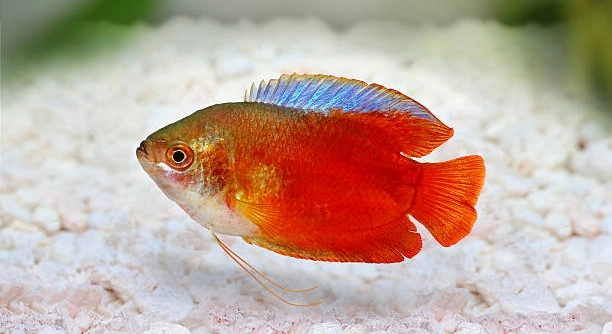
Gourami fish are fascinating pets that display unique behaviors, especially when it comes to caring for their young. One of the most interesting actions they perform is creating bubble nests in the aquarium. Observing these nests can reveal a lot about their health and breeding habits.
Gourami bubble nests are structures made of air bubbles coated in saliva, usually built by male fish to protect eggs and fry. These nests indicate breeding readiness and overall well-being, serving as a safe environment for offspring development.
Learning more about the building, maintenance, and meaning of these nests can improve your care routine and deepen your appreciation for gourami behavior.
What Are Gourami Bubble Nests
Gourami bubble nests are delicate clusters of bubbles created by male gouramis at the water surface. These bubbles are coated with saliva, making them sticky and long-lasting. The male builds these nests to house eggs after spawning, providing protection and oxygen to developing fry. Nests can range in size, from small clusters to large floating mats, depending on the fish’s health, age, and environment. They usually form near plants, decorations, or tank edges where the water is calmer, reducing the risk of bubbles breaking apart. Observing how your gourami builds and maintains its nest can give insight into its overall well-being. Changes in nest size or structure may signal stress or environmental issues. A healthy, active male will continuously repair and expand the nest, showing strong parental instincts. These nests are fascinating to watch, reflecting a combination of natural behavior and careful attention to their surroundings.
Bubble nests are essential for egg protection, providing a stable and oxygenated environment that supports successful hatching and early fry development.
Understanding the factors that influence bubble nest building, like water temperature, tank cover, and compatible tank mates, can help you maintain a thriving aquarium. Consistent observation allows you to notice subtle changes in behavior, signaling when adjustments are needed. This makes caring for gouramis more rewarding and ensures their reproductive success.
How to Encourage Bubble Nest Building
Male gouramis build nests more readily in calm, stable tanks with clean water and minimal disturbances.
Providing floating plants or soft surfaces encourages nest formation, giving males a base to attach bubbles. Maintaining consistent water temperature between 75–82°F and keeping tank mates peaceful reduces stress, making males more confident in creating nests. Avoid sudden changes or tapping on the glass, as disturbances can destroy delicate structures. Feeding a varied diet rich in protein supports overall health, giving the male energy to maintain the nest. Observing these behaviors can be very satisfying, showing the fish’s natural instincts in action.
Healthy gouramis need proper care to thrive and display natural behaviors like nest building. Tanks should have gentle filtration, stable water chemistry, and enough space for swimming. Regular water changes reduce ammonia and nitrite levels, creating a safer environment for eggs and fry. Watching the male repair and expand his nest demonstrates his investment in offspring survival. Bubble nests also attract female attention, which can lead to successful breeding if the environment is suitable. Recognizing early signs of nest abandonment or stress, such as erratic swimming or neglect of the nest, helps prevent losses. By adjusting feeding schedules, tank setup, and environmental conditions, you support the male’s ability to maintain a strong nest. Observing these behaviors enhances understanding of gourami reproduction and encourages responsible care, ensuring your fish remain healthy and active.
Signs Your Gourami Is Ready to Breed
Male gouramis start building bubble nests when they are ready to breed. Increased activity near the water surface and frequent blowing of bubbles are clear signals. The nest is usually carefully maintained and repaired over time.
Before breeding, the male gourami will patrol the tank and show more interest in female movement. He may display flaring fins and brightened colors, indicating readiness. The nest becomes larger and more structured as he adds bubbles consistently. Observing these behaviors helps ensure the fish are in good health and the environment is suitable for reproduction. Female gouramis may show hesitation or curiosity near the nest, which signals natural courtship behaviors. Maintaining calm water conditions during this period supports successful spawning and reduces stress for both fish.
Female gouramis will approach the nest gradually. If the male is healthy, he will guide her gently to lay eggs in the nest. After spawning, the male takes over, protecting the eggs and tending to the nest. Disturbances or sudden changes in the tank can cause him to abandon the eggs. Providing hiding spots and stable conditions encourages the male to continue caring for the eggs until they hatch, ensuring higher survival rates for the fry.
Maintaining a Bubble Nest
Stable water conditions are essential for keeping bubble nests intact. Fluctuations in temperature or strong currents can easily destroy them.
Filtration should be gentle to prevent bubbles from breaking, and water should be kept clean to support the male’s efforts. Avoid adding aggressive or large tank mates that may disturb the nest. Regular feeding with high-protein foods keeps the male energetic and attentive to nest maintenance. Observing the nest frequently allows for early detection of problems, such as collapsed sections or eggs falling out, so corrective measures can be taken quickly.
The male continually repairs damaged sections, ensuring bubbles remain buoyant and clustered. Providing floating plants or soft surfaces near the nest helps reinforce its structure and reduces bubble loss. Keeping water temperature stable between 75–82°F supports metabolic activity, allowing the male to maintain the nest effectively. Minimal disturbances are crucial; even tapping on the glass or sudden movements can stress him and disrupt care. Close observation of the nest’s condition over days helps track progress and ensures eggs are safe. Supporting the male in these ways increases the likelihood of successful hatching and healthier fry.
Common Mistakes to Avoid
Overcrowding the tank can stress the male, causing him to abandon the nest. Strong currents or rough handling may also damage the bubbles.
Using poor water quality or sudden temperature changes can weaken the male’s ability to maintain the nest, reducing egg survival and fry development.
Feeding During Nesting
During nest building, males need a protein-rich diet to stay energetic. High-quality live or frozen foods like brine shrimp, daphnia, or bloodworms provide essential nutrients. Regular feeding helps the male repair and maintain the nest, supporting egg and fry care. Avoid overfeeding, which can pollute the tank and stress the fish.
Removing Fry
Once the fry are free-swimming, they should be separated from the male and adults. This prevents accidental eating and ensures they have space to grow safely.
FAQ
What is a bubble nest and why do gouramis build it?
A bubble nest is a collection of air bubbles coated in saliva created by male gouramis at the water surface. They build it to protect eggs after spawning. The bubbles keep the eggs together, provide oxygen, and give the fry a safe place until they are free-swimming. The nest also signals the male’s readiness to breed and attracts females. Observing how a male maintains and repairs the nest can indicate his overall health and comfort in the tank environment.
How can I tell if my male gourami is ready to breed?
Male gouramis show several behaviors when ready to breed. They become more active near the water surface and start blowing bubbles consistently. Flaring fins and brightened colors are also signs of readiness. The male may patrol the tank and focus on female movements. If he builds a nest and continually repairs it, it’s a strong indication that he is prepared for breeding. Maintaining calm water conditions and proper nutrition supports these natural behaviors and improves the likelihood of successful spawning.
What environmental conditions support nest building?
Calm, stable water is essential for bubble nest formation. Gentle filtration prevents bubbles from breaking, and water temperature should stay between 75–82°F. Floating plants or soft surfaces give males a base to attach bubbles. Avoid sudden changes, overcrowding, or aggressive tank mates. Clean water and regular feeding with high-protein foods ensure the male has enough energy to maintain the nest. Minimal disturbances allow him to focus on egg care and nest repair, improving the chances of successful hatching.
How do I maintain a bubble nest once it’s built?
Once the nest is formed, the male constantly repairs and adds bubbles. Gentle filtration and stable water chemistry are important. Providing floating plants helps reinforce the nest structure. Keep tank activity low to avoid stress, which could lead the male to abandon the nest. Feeding high-quality protein-rich food supports energy levels. Observation is key; small collapses or missing eggs can be corrected by adjusting tank conditions. Proper maintenance increases the likelihood that eggs will develop safely and hatch successfully.
When should the fry be separated from the male?
Fry should be separated once they become free-swimming, usually 3–5 days after hatching. At this stage, the male may eat them if they remain in the nest. Use a separate rearing tank with gentle filtration and stable water parameters. Feeding small live or powdered foods in appropriate amounts helps the fry grow strong. Separation ensures their safety and gives them enough space to develop without stress or competition from adults.
Can all gouramis build bubble nests?
Not all gouramis are equally skilled at nest building. Males are the primary builders, and their ability depends on health, age, and tank conditions. Younger or stressed males may struggle to maintain a stable nest. Observing multiple males can show differences in technique, patience, and energy. Providing a proper environment and nutrition improves success, but it’s normal for some males to be less active or irregular nest builders.
Why do bubble nests sometimes collapse?
Bubble nests can collapse due to strong water currents, poor water quality, or disturbances in the tank. Sudden movements, tapping on the glass, or aggressive tank mates can break bubbles. Low temperatures or lack of energy from inadequate feeding also weaken the nest. Repairing damage promptly and keeping conditions stable supports the male’s effort and increases the chances of successful egg and fry development.
Do female gouramis help with the nest?
Female gouramis usually do not help build or maintain the nest. They are primarily involved in spawning, laying eggs in the male’s nest. After spawning, the male takes full responsibility for protecting eggs and repairing the nest. Females may show interest in the nest during courtship, but their role ends once the eggs are deposited. Understanding this division of labor helps manage tank conditions and ensures both male and female behavior is natural and stress-free.
How long does it take for eggs to hatch?
Eggs typically hatch within 24 to 36 hours after spawning, depending on temperature and water conditions. The male continues to guard the nest and tend to the eggs during this period. Once hatched, the fry remain near the nest for a few days before swimming freely. Maintaining stable water parameters and minimal disturbances during this time supports healthy development and reduces the risk of egg loss.
What should I feed the fry after hatching?
Newly hatched fry need tiny, easily digestible foods. Infusoria, newly hatched brine shrimp, or powdered fry foods are ideal. Feed small amounts multiple times a day to ensure proper growth without fouling the water. As fry grow, gradually introduce larger foods. Providing proper nutrition in early stages sets the foundation for healthy development and reduces mortality.
This FAQ section covers the most common concerns about gourami bubble nests, helping you care for your fish effectively while ensuring eggs and fry remain safe and healthy.
Final Thoughts
Gourami bubble nests are a fascinating part of keeping these fish, showing how instinct drives their behavior. Observing a male building, repairing, and maintaining his nest provides insight into his health and comfort. These nests are not just decorative; they serve an important purpose in protecting eggs and providing oxygen. Understanding the role of bubble nests makes caring for gouramis more intentional and rewarding. Simple actions like keeping the water stable, providing floating plants, and feeding high-quality food can make a significant difference. Seeing a healthy, well-maintained nest indicates the fish are thriving and that the environment supports their natural behaviors.
Caring for gouramis during breeding periods requires attention to detail, but it does not have to be complicated. Males are the primary caretakers of the nest, and disturbances can cause them to abandon it. Maintaining calm water conditions, gentle filtration, and a quiet tank environment supports successful nest building and egg care. Feeding high-protein foods regularly gives males the energy to repair and expand the nest. Over time, observing their behavior teaches a lot about their habits and preferences. Even small adjustments in the tank, such as adding floating plants or removing aggressive tank mates, can improve the likelihood of successful spawning.
Watching a gourami bubble nest develop and eventually see fry swim freely is rewarding. Each nest tells a story about the fish’s instincts, health, and environment. Being patient and attentive during this process ensures better survival for the eggs and fry. Understanding the timing, maintenance, and needs of the nest also helps in making informed decisions about separating fry, feeding schedules, and tank setup. Proper care and observation create a balanced environment where gouramis can thrive naturally. Over time, this awareness strengthens the connection between caretaker and fish, providing both satisfaction and confidence in managing breeding behaviors responsibly.

Hello,
If you enjoy the content that we create, please consider saying a "Thank You!" by leaving a tip.
Every little bit helps us continue crafting quality advice that supports the health, happiness, and well-being of pets around the world, for pets of all shapes, sizes, and species.
We really appreciate the kindness and support that you show us!