
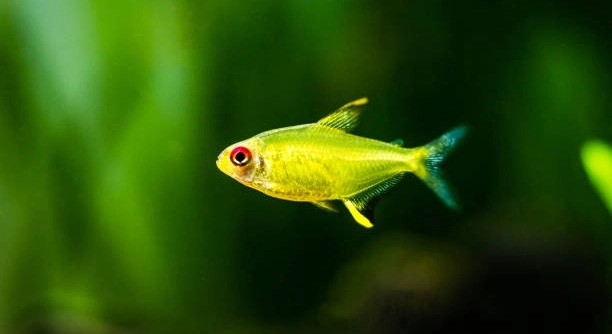
Arowanas are fascinating fish that often develop a bond with their owners over time. Many people enjoy watching them respond to feeding or movement, finding their reactions both engaging and rewarding. Observing these behaviors can be comforting.
If an arowana stops reacting to its owner, it is usually due to stress, illness, or changes in its environment. Maintaining proper water quality, feeding routines, and minimizing sudden disturbances can help restore normal behavior.
Understanding the reasons behind an arowana’s unresponsiveness is important for its health. Simple adjustments can make a significant difference, ensuring your fish remains active and engaged in its environment.
Common Reasons Arowanas Become Unresponsive
Arowanas can stop reacting for several reasons. Changes in water temperature, pH, or hardness can stress them, making them avoid interaction. Illnesses like infections, parasites, or internal problems may also reduce activity. Overfeeding or underfeeding impacts their energy levels and interest in surroundings. Tank size and overcrowding can affect comfort and willingness to move. Sometimes, sudden noises, strong lighting, or frequent handling can cause anxiety, prompting the fish to hide or stay still. Even new decorations or rearrangements may temporarily confuse them. Monitoring their swimming patterns, appetite, and overall appearance helps identify issues early. Observing subtle signs, such as color changes or slow movement, can indicate health concerns before they worsen. Consistent care routines, including regular water checks and stable feeding schedules, contribute to keeping an arowana alert. By understanding these factors, owners can adjust conditions and encourage the fish to resume normal behavior in the tank.
Stress, illness, and environmental changes are primary reasons arowanas stop responding. Observing them carefully can reveal the issue quickly.
Addressing these problems involves consistent maintenance. Regular water testing and partial water changes prevent harmful chemical buildup. Feeding small, balanced portions ensures proper nutrition without overloading the fish. Checking for signs of infection, parasites, or physical injuries allows early intervention. Tank setup should offer enough space and hiding spots, reducing anxiety. Limiting sudden noises and abrupt handling helps the fish feel secure. Introducing new items gradually lets the arowana adjust comfortably. Maintaining temperature, filtration, and pH within optimal ranges supports overall health. Small behavioral changes often signal problems before they become severe. Recording observations in a notebook or on a phone helps track patterns and notice deviations. With steady care, most arowanas regain responsiveness within days or weeks. Regular attention to both physical and environmental factors strengthens the bond between the owner and the fish, keeping it active and engaged in its habitat.
Monitoring Arowana Behavior
Keeping track of daily activity is essential. Observe swimming patterns, feeding response, and color changes regularly.
Paying attention to minor changes in behavior helps prevent serious health issues. Logging observations allows identification of trends or sudden shifts. Noting how the fish interacts with surroundings, how quickly it eats, and whether it explores the tank provides a baseline. Environmental stressors like temperature fluctuations, poor water quality, or lighting changes often manifest in behavior before affecting health. Tracking these factors can guide adjustments to tank conditions and care routines. Observing over weeks gives a clearer picture than short-term checks. Monitoring consistently allows you to recognize improvements or declines, which is useful if you consult a veterinarian. Regular attention ensures problems are addressed early, keeping the arowana active and responsive. These small efforts enhance the fish’s well-being, making the tank a safer and more engaging environment for it to thrive.
Adjusting Tank Conditions
Proper tank conditions help arowanas feel comfortable. Water temperature, pH, and cleanliness should remain stable. Avoid sudden changes, which can stress the fish and reduce responsiveness.
Maintaining water quality involves regular testing for ammonia, nitrites, nitrates, and pH levels. Partial water changes weekly keep the environment stable and healthy. Filtration should be adequate for tank size, and substrate should be cleaned regularly to prevent debris buildup. Temperature stability is crucial; fluctuations can cause stress and illness. Providing hiding spots or gentle décor changes can help the fish feel secure. Avoid overcrowding the tank, as competition and limited space reduce activity. Observing the fish after adjustments helps determine if conditions meet its needs. Consistent care keeps the arowana active and engaged, reducing periods of unresponsiveness.
Lighting and placement in the room also affect behavior. Avoid overly bright or direct sunlight, which may cause stress. Soft, consistent lighting mimics natural conditions and encourages normal activity. Proper water flow and aeration support oxygen levels and overall comfort. Arowanas respond to calm, predictable environments, so limit sudden disturbances near the tank. Small, incremental changes in tank setup prevent startling the fish and allow gradual adaptation.
Feeding and Nutrition
Balanced nutrition keeps arowanas energetic and interactive. Offer a variety of protein-rich foods suitable for their species to maintain health and vitality.
Feeding should include live, frozen, or high-quality pellet options. Varying diet prevents nutritional deficiencies and keeps the fish interested in food. Portion sizes should match the fish’s appetite, avoiding overfeeding, which can lead to obesity and poor water quality. Feeding at consistent times helps establish routine and trust. Observe eating habits carefully; hesitation or refusal may indicate illness or stress. Supplements like vitamins can be added if recommended, but quality and source matter. Providing enrichment, such as floating or sinking food, encourages natural hunting behavior. Balanced nutrition strengthens immunity, energy levels, and responsiveness to the environment. Maintaining a feeding schedule and monitoring intake ensures long-term health and activity.
Reducing Stress
Minimizing stress is essential for arowanas to stay responsive. Avoid loud noises, sudden movements, or frequent handling near the tank. A calm environment encourages normal swimming and feeding behaviors.
Providing hiding spots and stable décor helps the fish feel secure. Gradual changes to the tank reduce anxiety and improve overall health.
Recognizing Early Signs of Illness
Early detection of illness can prevent severe health problems. Watch for changes in appetite, color, or swimming patterns. Odd spots, frayed fins, or rapid gill movement may indicate infection, parasites, or internal issues. Quick action can improve recovery chances and prevent worsening conditions.
Maintaining Water Quality
Regular testing of water parameters is crucial. Ammonia, nitrite, nitrate, and pH levels must be monitored. Stable, clean water prevents stress, illness, and inactivity, keeping the arowana healthy and active.
FAQ
Why is my arowana not reacting to me anymore?
Arowanas may stop responding due to stress, illness, or environmental changes. Poor water quality, sudden temperature shifts, and overcrowding can make them withdrawn. Illnesses like parasites or infections also reduce activity. Observing their appetite, swimming patterns, and color helps identify the cause. Consistent care and a stable environment usually restore normal behavior over time.
How can I tell if my arowana is sick?
Look for changes in swimming, appetite, or appearance. Frayed fins, discolored patches, rapid gill movement, or lethargy are signs of illness. Sudden hiding, floating near the surface, or staying at the bottom may indicate stress or disease. Regular observation helps catch problems early and allows timely treatment.
Can water conditions affect my arowana’s behavior?
Yes, water conditions are crucial. Ammonia, nitrite, and nitrate levels must remain low, and pH should be stable. Temperature fluctuations or poor filtration can stress the fish. Regular water testing and partial water changes maintain a safe and comfortable environment, supporting active and responsive behavior.
What foods are best for keeping an arowana active?
A balanced diet of high-quality pellets, frozen or live food, and occasional vitamins supports health. Varying protein sources keeps them interested in feeding. Overfeeding can reduce energy and cause poor water quality. Feeding small, consistent portions at the same time daily encourages natural activity and responsiveness.
How can I reduce stress for my arowana?
Stress can be minimized by limiting sudden noise, movement, or handling near the tank. Gradually introducing decorations and providing hiding spots helps the fish feel secure. Stable lighting, water temperature, and consistent feeding routines also reduce anxiety, encouraging normal swimming and interaction with the environment.
Is tank size important for responsiveness?
Yes, tank size impacts comfort. Arowanas need plenty of space to swim freely. Overcrowding or a too-small tank can make them feel confined and less interactive. Providing adequate room and hiding spots improves confidence and encourages natural movement and alertness.
How often should I check my arowana’s behavior?
Daily observation is best. Monitoring swimming patterns, feeding habits, and general appearance helps spot early signs of stress or illness. Keeping a log of changes can track trends and guide adjustments in tank care, ensuring your arowana remains healthy and responsive.
Can changes in lighting affect my arowana’s reactions?
Yes, lighting plays a role. Too bright or direct sunlight can stress the fish. Consistent, soft lighting mimics natural conditions, helping maintain normal behavior. Gradual adjustments to lighting prevent sudden stress, keeping the arowana calm and more interactive in its environment.
Should I consult a vet if my arowana stops reacting?
If unusual behavior persists despite proper care, consulting a veterinarian specializing in fish is recommended. A professional can identify illness or nutritional deficiencies, prescribe treatments, and provide guidance to restore normal activity and responsiveness safely.
What are small signs that indicate recovery?
Increased swimming activity, responding to movement near the tank, regular feeding, and brighter coloration signal improvement. Gradual engagement with surroundings and curiosity toward food or objects shows the fish is regaining confidence and comfort in its environment.
Final Thoughts
Arowanas are sensitive and intelligent fish that respond to their environment and the care they receive. When they stop reacting, it can feel worrying, but it is usually a sign that something in their habitat or routine needs attention. Paying close attention to water quality, temperature, and pH levels is critical. Even small fluctuations in these conditions can stress the fish, making it less responsive. Overcrowding or sudden changes in the tank can also contribute to withdrawal. Providing ample space and stable conditions allows the arowana to feel safe, which encourages it to regain its natural behaviors. Observing the fish daily helps detect subtle changes before they develop into serious problems, making proactive care far more effective than reacting after a major issue appears.
Feeding and nutrition play an equally important role in keeping an arowana active. A balanced diet that includes high-quality pellets, frozen or live food, and occasional supplements ensures the fish receives necessary nutrients. Overfeeding can harm both the fish’s health and the tank’s water quality, while underfeeding reduces energy and interest in surroundings. Maintaining a consistent feeding schedule helps the arowana recognize routines, which can encourage interaction with its environment and with you as an owner. Watching how the fish eats and noting any changes in appetite can reveal early signs of stress or illness. Small adjustments in feeding practices, combined with proper tank care, often lead to noticeable improvements in responsiveness within days.
Stress reduction is another key factor in maintaining arowana responsiveness. Loud noises, sudden movements near the tank, or frequent handling can make the fish anxious, leading it to hide or remain still. Adding hiding spots or gentle decorations helps the arowana feel secure while gradual changes in the tank allow it to adapt comfortably. Stable lighting, temperature, and a calm environment promote normal swimming and alert behavior. Even subtle signs of improvement, such as exploring the tank, responding to feeding, or showing brighter coloration, indicate that the fish is becoming more comfortable. Consistent attention to these factors, along with patience and observation, ensures that the arowana remains healthy, active, and interactive over time, strengthening the overall well-being of the fish in its environment.

Hello,
If you enjoy the content that we create, please consider saying a "Thank You!" by leaving a tip.
Every little bit helps us continue crafting quality advice that supports the health, happiness, and well-being of pets around the world, for pets of all shapes, sizes, and species.
We really appreciate the kindness and support that you show us!