
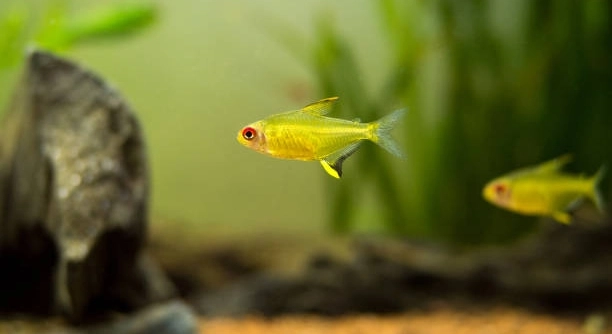
Do you ever find yourself caring for lemon tetras and wanting clearer guidance on tank cleaning routines that keep them healthy and comfortable throughout the year, helping you feel more confident about maintaining their home.
Regular maintenance of a lemon tetra tank typically involves partial water changes every week, along with monthly substrate care and filter upkeep to maintain stable parameters that support the species sensitive nature and promote consistent health within their aquatic environment.
Learning how small cleaning habits shape water quality will guide you toward a routine that keeps your lemon tetras thriving.
Understanding Lemon Tetra Tank Needs
Keeping a lemon tetra tank in good condition starts with understanding how each part of the system affects the overall stability of the water. I like to think of it as a calm routine that gives you steady results without unnecessary stress. The fish depend on predictable conditions, so regular care helps them stay active and comfortable. Good lighting, a balanced diet, and steady temperatures all support cleaner water over time. When waste builds up or food settles in the substrate, the quality can slip quickly, so knowing what to look for makes a difference. It also helps to observe the tank daily because small changes can warn you when something needs attention. A stable setup will respond well to consistent maintenance, and your lemon tetras will show brighter color and steady behavior when their needs are met. With simple habits, the tank becomes easier to manage each week regularly.
Maintaining the tank becomes much smoother when you focus on steady routines that prevent issues before they grow. Regular cleaning, gentle feeding habits, and awareness of changes help keep conditions balanced and supportive for lemon tetras throughout the week, giving you a more predictable and comfortable environment that stays stable.
A clean tank supports healthier behavior and reduces stress for your lemon tetras, so keeping up with simple habits is worth the effort. Weekly tasks like wiping glass, removing debris, and refreshing part of the water keep everything moving in the right direction. As you get used to the routine, you will notice patterns that make the work feel easier. Small adjustments often make the biggest difference, especially when you respond early to any shifts in clarity or smell. Over time, these consistent steps help the tank remain steady and prevent larger problems from developing, making the environment safer overall.
Cleaning Frequency Guidelines
Setting a clear cleaning schedule helps maintain stable conditions that support the well being of lemon tetras. Regular attention to water quality, filter function, and visible waste keeps the tank steady and prevents sudden shifts that could affect their comfort while allowing you to stay ahead of any emerging issues.
A structured cleaning routine helps protect the stability of the tank and keeps lemon tetras comfortable throughout changing conditions. Weekly partial water changes remove dissolved waste that builds slowly and can alter the balance of the tank if left unattended. Cleaning the substrate each month prevents excess debris from settling too deeply, which helps maintain clarity and reduces the risk of unwanted odors. The filter also needs monthly care because it collects fine particles that influence circulation and water quality. I find that checking equipment during these sessions helps catch minor problems before they grow. Observing the fish while you work gives you helpful clues about how they respond to the environment, since changes in color or movement can be early signs of stress. Keeping records of what you clean and when you do it can make future tasks easier and more predictable. When these steps are followed with steady timing, the tank becomes simpler to manage and provides a safe space for the fish while maintaining a consistent routine that supports long term health and keeps stress levels low during seasonal changes in your home, helping the tank remain reliable and comfortable on a daily basis for the fish.
Spotting When Your Tank Needs Extra Care
Changes in water clarity, unusual smells, or a light film on the glass usually signal that the tank needs more attention. These small shifts often appear before bigger issues, so noticing them early helps keep the environment steady and comfortable for lemon tetras.
When the water begins to look slightly dull or develops a faint haze, it often means dissolved waste is rising faster than usual. I like to check the filter right away because buildup there can slow circulation and affect oxygen levels. If the substrate looks darker or more compact, gentle cleaning helps remove debris that settled too deeply. Observing the fish also gives helpful clues since slower movement or hiding can indicate stress from shifting conditions. These early signs guide you toward quick adjustments that prevent larger problems, keeping the tank balanced with minimal extra work and giving lemon tetras a healthier space.
If algae starts spreading across surfaces faster than normal, it usually means the tank needs a stronger cleaning routine. Reducing leftover food and adjusting the lighting schedule can slow the growth. I also find that removing algae early prevents it from forming thicker patches that require more scrubbing. When the aquarium smells a bit musty, a partial water change often clears it up quickly. Watching how the fish behave after cleaning helps confirm whether conditions are improving, especially if their colors brighten or they swim more steadily. These reactions show that even small changes can make a noticeable difference in their comfort.
Adjusting Care for Different Tank Sizes
Smaller tanks usually need more frequent cleaning since waste builds up faster and parameters shift quickly. Larger tanks offer more stability, but they still benefit from steady routines. Matching your cleaning schedule to the tank size helps maintain balanced conditions for lemon tetras.
A small setup often requires weekly attention to keep everything stable. Even light feeding can create noticeable changes, so checking the water quality regularly becomes important. Medium sized tanks handle waste better, but they still need consistent partial water changes to prevent slow buildup. Larger tanks stay more stable thanks to higher water volume, yet the filter and substrate still need their monthly care. I like to adjust the cleaning tasks based on how much debris collects in each section of the tank. Observing the fish helps confirm whether the routine matches their needs since their behavior often reflects how well the environment is holding steady.
xxxxxxxxxxxxxxxxxxx
Regular feeding habits influence how often the tank needs attention, so keeping portions small helps prevent leftover waste from clouding the water. I like to watch how quickly the fish finish their food because it shows whether the routine is balanced and keeps the environment stable for them each day.
When leftover food settles into the substrate, it breaks down and affects the water faster than you might expect, so removing any visible pieces makes a difference. I find that feeding smaller amounts keeps everything cleaner, which reduces how often deeper maintenance is needed in the tank each week regularly.
xxxxxxxxxxxxxxxxxxx
Using the right tools makes routine care smoother and helps maintain consistent conditions for lemon tetras. A simple siphon removes debris without disturbing the fish too much, while a soft sponge keeps the glass clear without scratching it. I also like to keep a small bucket dedicated to tank work since it prevents contamination from cleaners used elsewhere in the home. Clean towels help with drips, and a basic test kit lets you confirm whether the water remains balanced after each change. With these items ready, maintenance becomes easier to manage and encourages steady habits that support a healthier environment.
xxxxxxxxxxxxxxxxxxx
Consistency shapes how well lemon tetras respond to changes in their environment, so keeping a simple routine helps them feel secure. I like to space out each task evenly since predictable care reduces stress and keeps the tank stable even when small fluctuations occur around the home each and gently
FAQ
How often should I do partial water changes for my lemon tetra tank?
Partial water changes should be done weekly, typically replacing 20–25% of the water. This helps remove dissolved waste and maintains stable water parameters. I like to time it the same day each week because keeping a routine makes it easier to remember and helps the fish stay comfortable. Smaller tanks may need more frequent changes since waste accumulates faster, while larger tanks can handle a slightly longer interval without serious effects. Observing the fish after a water change is helpful; brighter colors and steady swimming usually indicate the water quality is improving.
What signs show my tank needs cleaning beyond regular maintenance?
Cloudy water, a film on the glass, or a slight odor often indicates that more attention is needed. I notice the substrate can also look darker or have trapped food, which means it’s time for a deeper cleaning. Algae buildup on decorations or glass, if it spreads quickly, is another clear signal. Even small changes in fish behavior, like hiding or swimming slower, can suggest that water quality is dropping. These signs usually appear before major issues, so acting quickly prevents stress and keeps the tank stable.
Can overfeeding affect how often I need to clean the tank?
Yes, overfeeding increases waste, which accelerates debris accumulation and water quality decline. I keep feeding small portions that the fish finish within a few minutes. Leftover food breaks down, creating ammonia spikes and cloudy water. Adjusting feeding amounts reduces maintenance demands and keeps the environment healthier. I also observe how much the fish eat to fine-tune the routine, which prevents unnecessary cleaning and supports long-term water stability.
How should I clean the filter without harming beneficial bacteria?
The filter should be rinsed gently in a bucket of tank water rather than tap water to preserve beneficial bacteria. I prefer to do this once a month unless the flow slows noticeably. Avoid scrubbing the media too aggressively because bacteria colonies are essential for processing waste. Checking the filter intake and output helps spot debris buildup early, which keeps it running efficiently without disrupting the tank’s balance.
Does tank size change how often I should clean it?
Smaller tanks need more frequent maintenance because waste accumulates faster, leading to rapid changes in water quality. Larger tanks offer more stability, but the filter and substrate still need regular attention. I adjust my cleaning schedule based on how quickly debris appears and monitor the fish for stress, which tells me whether the routine matches the tank’s capacity.
What is the best way to remove algae without harming fish?
Algae can be scraped gently with a soft sponge or algae scraper. I like to remove it before it forms thick layers because stubborn patches require more intensive cleaning that could disturb the fish. Controlling light exposure and avoiding overfeeding also slows algae growth naturally. Regular partial water changes help reduce nutrients that algae feed on, keeping the tank cleaner overall.
Can I skip substrate cleaning if the water looks clear?
Even if the water is clear, waste can accumulate under gravel or sand. I usually vacuum the substrate monthly to prevent buildup, which keeps water quality stable and avoids sudden ammonia spikes. Skipping this step occasionally may be fine, but consistent care helps maintain a healthy environment for the fish and reduces stress over time.
How do I know if my cleaning routine is working?
The fish are usually the best indicators. Bright colors, normal swimming patterns, and minimal hiding show that conditions are stable. I also check water clarity, the absence of odors, and steady filter performance. If the tank stays balanced with minimal visible debris and the fish remain healthy, it’s a good sign that the routine is effective and sustainable.
Can temperature changes affect how often I need to clean the tank?
Yes, fluctuations in temperature can speed up waste breakdown and increase algae growth, which may require more frequent water changes and substrate cleaning. I keep the heater stable and monitor seasonal shifts in the room. Stable conditions reduce stress on the fish and prevent rapid declines in water quality, keeping the tank easier to maintain consistently.
Should I adjust cleaning if I add more fish?
Adding fish increases waste, so I usually increase water changes and substrate checks to maintain balance. I observe how the fish respond to the new density and adjust feeding accordingly. Keeping an eye on water parameters ensures that the tank doesn’t become overwhelmed, and regular maintenance continues to provide a safe, comfortable environment for all lemon tetras.
Keeping a lemon tetra tank clean is simpler than it might seem once a routine is established. Regular partial water changes, substrate care, and filter maintenance all work together to maintain stable water conditions. I have found that scheduling tasks on the same days each week or month helps prevent them from piling up, which makes the process feel manageable rather than overwhelming. Observing the fish while performing these tasks is also useful because their behavior often shows whether the environment is healthy. Bright, active fish generally indicate that the tank is balanced, while slower swimming or hiding can signal that attention is needed. Establishing small habits, like feeding appropriate portions and checking the water weekly, makes long-term care much easier and keeps the tank stable for the fish. Over time, these routines become natural and give confidence in maintaining a healthy environment for lemon tetras without extra stress or uncertainty.
The size of the tank and the number of fish it contains also influence cleaning frequency. Smaller tanks tend to need more attention because waste accumulates more quickly and water parameters can shift faster. Larger tanks have more stability due to their greater water volume, but they still require consistent care to prevent gradual buildup of debris and algae. Adjusting maintenance based on tank size and observing how the fish respond is essential for keeping conditions steady. Even small adjustments, like removing leftover food promptly or lightly cleaning surfaces that accumulate algae, make a noticeable difference in water quality. By paying attention to these factors and keeping tools like siphons, sponges, and test kits ready, routine maintenance becomes more straightforward, less time-consuming, and effective at keeping the tank healthy for the fish over the long term.
Consistency is key to providing a safe and comfortable home for lemon tetras. Following a schedule for water changes, substrate cleaning, and filter care reduces stress on the fish and helps maintain clear water and stable chemical levels. Early signs of imbalance, such as cloudy water, odors, or algae growth, are easier to manage when regular maintenance is practiced. Monitoring the tank and adjusting care as needed, whether for seasonal changes, adding fish, or responding to unusual behavior, ensures that the environment stays supportive and reliable. Over time, maintaining these habits creates a healthy and predictable ecosystem that allows lemon tetras to thrive. By keeping cleaning routines simple, consistent, and attentive, it becomes possible to enjoy a vibrant, balanced tank that supports the fish’s long-term well-being while making care feel approachable and manageable.

Hello,
If you enjoy the content that we create, please consider saying a "Thank You!" by leaving a tip.
Every little bit helps us continue crafting quality advice that supports the health, happiness, and well-being of pets around the world, for pets of all shapes, sizes, and species.
We really appreciate the kindness and support that you show us!