
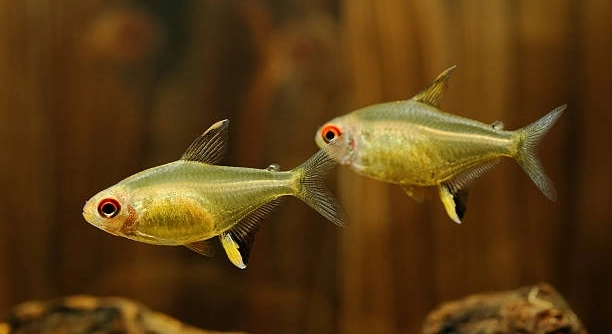
Lemon tetras are small, bright fish that often bring life to any aquarium. Their cheerful yellow color can make them stand out, but each fish has its own way of moving and interacting in the tank.
Lemon tetras can be distinguished by personality through consistent behaviors such as swimming patterns, social interactions, and response to food. Observing these traits over time allows owners to identify individual fish with accuracy and reliability.
Noticing these unique habits can help you understand each fish better and create a more harmonious environment in your aquarium.
Observing Swimming Patterns
Watching lemon tetras swim can reveal a lot about their personality. Some are bold, moving confidently across the tank, while others stay closer to the plants or corners, showing a more cautious nature. Bold fish often lead when the group moves, while shy ones follow quietly, rarely making sudden movements. Their speed also varies; faster swimmers may be more curious and active, while slower fish tend to be relaxed and calm. Observing how they interact with decorations or explore new spaces can also indicate confidence levels. Even feeding time shows differences—some dart quickly for food, others wait and observe. Paying attention to these small behaviors can help identify each fish individually. These differences are subtle, so consistent observation over days or weeks gives the best understanding. Each fish’s personality is unique, and noting these traits helps create a balanced tank environment where all can thrive comfortably.
Individual swimming habits make it easier to distinguish each tetra within a group and understand their preferred spaces.
Tracking patterns daily gives insight into interactions, helping anticipate conflicts or support shy fish in adapting to their tank. Observing multiple sessions shows consistent traits and helps identify which fish lead and which fish prefer staying in the background. Group dynamics shift slightly over time, and some fish may occasionally change behavior, especially with new additions or changes in the tank. Documenting these patterns helps maintain harmony and ensures no fish is left stressed or isolated. Small details, like circling a favorite decoration or returning to a hiding spot after food, are signs of comfort and preference. Recognizing these subtle cues builds a better understanding of each tetra’s personality.
Social Interactions
Lemon tetras show personality through their interactions with tank mates. Some are naturally more social and swim together closely, while others prefer staying slightly apart.
Observing how they interact can reveal dominance, shyness, and curiosity. Some fish actively approach new additions, investigating cautiously or boldly, while others retreat to the safety of plants. Their response to sudden movements or changes in light also shows temperament. Pairing behavior is another indicator—some prefer consistent partners, while others shift between different tank mates. During feeding, social tetras may share space and compete gently for food, while more reserved fish hang back and wait. Understanding these interactions is useful for creating a peaceful tank setup and arranging decorations or hiding spots to reduce stress. It also helps when adding new fish, ensuring compatibility and avoiding unnecessary conflict. Recognizing individual personalities through social behaviors enhances overall tank harmony.
Watching interactions carefully over time reveals patterns of leadership, bonding, and avoidance. This information helps tailor tank conditions and feeding routines for each tetra.
Tracking social behavior over weeks allows owners to notice which fish are dominant or more submissive, which enjoy proximity to others, and which prefer solitary spaces. These observations are critical for managing group dynamics, especially in small tanks where space is limited. Fish that are shy may need extra hiding spots to feel secure, while more outgoing fish benefit from open swimming areas. Social tendencies also affect feeding—dominant fish may need monitoring to prevent others from being outcompeted. Changes in behavior can indicate stress or health issues, so noting shifts in interactions is important. By understanding these social patterns, you can make adjustments that reduce aggression, increase comfort, and promote natural behaviors. Observing these differences over time creates a stable, stress-free environment where each lemon tetra can express its personality fully, contributing to a lively and harmonious tank overall.
Response to Feeding
Some lemon tetras are quick to grab food, while others wait patiently. Their approach to feeding often reflects their confidence and position in the group.
During feeding time, bold tetras dart forward immediately, sometimes nudging others aside, showing assertiveness. Shy or cautious fish hang back, picking up leftover flakes or pellets once the commotion settles. This difference in behavior is consistent and can help identify individual fish over time. Observing feeding patterns also reveals hierarchy, as dominant fish often get the first access, while submissive fish adjust their timing. These habits provide insight into personality and allow owners to plan feeding strategies that reduce stress and ensure all fish are well-fed.
Some tetras may focus solely on food, ignoring other fish, while others balance eating with maintaining awareness of their surroundings. This dual approach shows a mix of curiosity and caution. Monitoring these habits regularly helps predict their reactions to changes and highlights their comfort levels within the tank environment.
Interaction with Environment
Lemon tetras interact with plants, decorations, and hiding spots differently. Some explore freely, while others stick to familiar areas.
Observing how each fish approaches decorations or plants can reveal personality traits like boldness or caution. Active explorers swim through open spaces and inspect every corner, showing confidence. Shy fish may linger near plants or corners, preferring safety over exploration. Their response to new objects is also telling—curious fish investigate quickly, while reserved fish retreat and watch from a distance. These patterns are consistent over time and can help distinguish individual tetras. Understanding these tendencies helps design a tank that meets each fish’s comfort and activity preferences, reducing stress and promoting natural behaviors.
Environment interaction also includes reactions to water flow, lighting, and substrate. Fish that tolerate higher currents or bright light tend to be more adaptable, while sensitive tetras may avoid these areas. By observing which spots each fish frequents, owners can provide optimal spaces for both exploration and retreat. This careful attention ensures all tetras remain comfortable and active, supporting their health and well-being in a shared tank environment.
Reactions to Tank Changes
Some lemon tetras adapt quickly to changes in their tank, while others show caution. New decorations, lighting adjustments, or water flow variations can trigger different responses.
Shy tetras may hide or stay near familiar spots, whereas bolder fish explore immediately. Observing these reactions over time helps identify their comfort levels and stress responses.
Activity Levels
Lemon tetras vary in how active they are throughout the day. Some constantly swim across the tank, while others rest near plants or decorations. Tracking daily activity helps distinguish personalities and understand which fish are naturally more energetic versus those that prefer calm areas.
Interaction with Other Species
When kept with other fish, lemon tetras display differing levels of tolerance and curiosity. Some mingle easily, while others remain cautious and keep distance from new tank mates, showing distinct social preferences.
FAQ
How can I tell if my lemon tetra is shy or bold?
Shy lemon tetras tend to stay near plants or decorations, avoiding open spaces and other fish. They usually wait for food rather than darting forward and may retreat when the tank is disturbed. Bold fish swim confidently across the tank, explore new areas quickly, and are often the first to approach food or interact with other fish. Observing behavior consistently over several days helps determine whether a fish is naturally cautious or outgoing.
Do lemon tetras form bonds with specific tank mates?
Yes, some lemon tetras show preference for swimming alongside certain individuals. These pairings may remain consistent during feeding and exploration. Other tetras are more flexible and change partners frequently, depending on group dynamics. Recognizing these bonds helps maintain tank harmony, as breaking them can stress the fish.
What indicates a dominant lemon tetra?
Dominant tetras usually get first access to food, lead group movements, and may occasionally chase or nudge other fish gently. They tend to occupy central areas of the tank and show less hesitation when exploring new spaces. Submissive or shy tetras will defer to them, keeping distance and allowing dominant individuals to take the lead.
How do lemon tetras react to new tank decorations?
Responses vary by personality. Bold tetras investigate immediately, swimming around and sometimes through new items. Shy tetras prefer to observe from a distance and gradually approach once they feel safe. Monitoring these reactions can reveal confidence levels and help decide how to arrange the tank for comfort.
Can feeding habits show personality traits?
Yes. Fast, aggressive feeders are often bold and assertive, while slow or cautious feeders tend to be shy. Some tetras balance curiosity with caution, nibbling while staying aware of surroundings. Regular observation allows you to note which fish consistently act quickly and which prefer a more careful approach.
Do activity levels differ between lemon tetras?
Absolutely. Some are constantly swimming and exploring, showing high energy, while others rest more often near plants or decorations, appearing calmer. Activity levels are often consistent, reflecting personality traits and comfort within the tank environment.
How do lemon tetras react to other fish species?
Reactions depend on their confidence. Bold tetras may approach new species quickly, while shy ones keep distance. Some tetras adapt gradually, observing before interacting, and these patterns remain consistent over time. Understanding these reactions helps prevent stress when introducing new tank mates.
Are there signs of stress in lemon tetras?
Yes. Stress signs include hiding excessively, refusing food, erratic swimming, or staying isolated from the group. Shy fish may show similar behavior naturally, but sudden changes often indicate stress. Observing behavior patterns over time helps differentiate normal personality traits from stress responses.
How long should I observe to understand personality?
Consistent observation over at least one to two weeks is ideal. Patterns like swimming habits, feeding behavior, and social interactions become clearer with time. Taking notes can help track individual differences and identify subtle traits that might otherwise go unnoticed.
Can lemon tetras’ personalities change over time?
Minor changes may occur, especially with new tank mates or environmental adjustments. Shy fish may become bolder once comfortable, and active fish might slow down slightly with age. Tracking behavior regularly ensures you notice shifts and can adjust tank conditions to keep all fish comfortable.
Is it possible to identify all tetras individually by personality?
Yes, with careful observation. Noting differences in swimming, feeding, exploration, and social interactions allows you to distinguish each fish. Some traits are subtle, requiring patience and attention, but over time, each tetra’s unique personality becomes clear and consistent.
Do tank conditions affect personality observation?
Definitely. Lighting, water flow, tank size, and decoration placement influence how fish behave. Providing consistent conditions ensures observed behaviors reflect personality rather than reactions to stress or discomfort. Adjusting the tank to accommodate both shy and bold fish helps everyone thrive and maintain natural behaviors.
Can I use personality traits to plan tank layout?
Yes. Bold fish benefit from open swimming areas, while shy tetras need hiding spots. Observing preferences for plants, corners, and decorations helps create zones for both types, reducing stress and promoting healthy activity. Proper layout supports the natural tendencies of each individual tetra.
Does group size impact personality observation?
Group size matters. Smaller groups make individual behaviors easier to track, while larger groups can highlight social hierarchies and dominant behaviors. Observing interactions within different group sizes helps distinguish personality traits from temporary social responses, giving a clearer picture of each fish.
How do I track individual personalities effectively?
Note behaviors like swimming patterns, feeding habits, reactions to changes, and interactions with tank mates. Consistent observation, photos, or simple charts over days or weeks allows you to compare and recognize patterns, making it easier to identify each lemon tetra and understand its unique personality.
Can personality observation help prevent conflicts?
Yes. Understanding which tetras are bold, shy, dominant, or submissive helps arrange the tank, plan feeding, and manage introductions of new fish. Awareness of these traits reduces stress, prevents bullying, and ensures a harmonious environment for all residents.
Are personality traits linked to health?
Sometimes. Sudden changes in usual behavior may indicate illness or stress rather than personality shifts. Monitoring patterns helps distinguish normal traits from health issues, allowing timely care and maintaining the well-being of all tetras.
Do lemon tetras show curiosity as part of their personality?
Yes. Curious fish explore decorations, investigate changes, and interact with other tank mates actively. Less curious tetras may stay in familiar areas, preferring safety. Tracking these tendencies highlights individual differences and helps you understand comfort and confidence levels in your aquarium.
Can personality observation improve overall tank management?
Absolutely. By recognizing traits like boldness, shyness, dominance, and curiosity, you can tailor feeding, placement of decorations, hiding spots, and interactions with other fish. This creates a calmer, balanced tank where each lemon tetra thrives according to its personality.
How do I start observing personality traits effectively?
Begin by watching daily routines for several days. Note swimming paths, feeding behavior, social interactions, and reactions to changes. Consistency and patience are key. Over time, patterns emerge, revealing clear differences between fish and allowing accurate identification of individual personalities.
What is the most important thing to remember when observing lemon tetras?
Each fish is unique, and consistent observation over time provides the best understanding. Avoid assumptions based on one behavior, and consider both social and environmental influences to accurately identify personality traits and maintain a balanced, healthy tank.
How does understanding personality benefit long-term care?
Knowing each fish’s personality helps prevent stress, ensures fair feeding, supports social harmony, and allows tailored tank arrangements. Long-term observation and attention to these traits contribute to healthier, happier lemon tetras that exhibit natural behaviors in a comfortable environment.
Lemon tetras are small fish with personalities that are surprisingly easy to notice once you pay attention. Each fish has its own way of moving, exploring, and interacting with others in the tank. Some are bold and confident, swimming across open spaces and investigating decorations right away. Others are shy, preferring to stay near plants or corners and waiting before approaching food or new objects. Observing these patterns regularly can help you understand which fish are more outgoing and which are more cautious. Over time, you will start to recognize individual traits that remain consistent, even as the fish grow and the tank changes. These differences are part of what makes caring for lemon tetras interesting and rewarding.
Watching lemon tetras interact with one another also gives insight into their personalities. Some fish form close pairings, swimming together and staying near each other during feeding and exploration. Others are more flexible, moving between different tank mates or spending time alone. Bold fish often lead the group, while shy ones tend to follow or wait their turn for food. These social behaviors are consistent and can help in planning tank layouts, adding decorations, and managing feeding times so that all fish feel comfortable. By paying attention to these interactions, you can create a balanced environment that reduces stress and promotes natural behaviors. Understanding each fish’s preferences for space, hiding spots, and companions can make the tank more harmonious for everyone.
Personality observation is not only interesting but also useful for overall care. Knowing which fish are bold or shy, active or calm, curious or cautious helps you provide a better living space for each tetra. Bold fish may need open areas to swim freely, while shy fish benefit from plants and corners for hiding. Feeding routines can also be adjusted to ensure that more reserved fish get enough food without being pushed aside. Watching reactions to changes in the tank, such as new decorations, water flow, or lighting, can help you notice stress or discomfort early. Tracking personality over time allows you to make small adjustments that improve the well-being of each fish and maintain harmony in the group. By understanding and respecting these differences, you support the health, happiness, and natural behavior of your lemon tetras, making your aquarium a more enjoyable and stable environment.

Hello,
If you enjoy the content that we create, please consider saying a "Thank You!" by leaving a tip.
Every little bit helps us continue crafting quality advice that supports the health, happiness, and well-being of pets around the world, for pets of all shapes, sizes, and species.
We really appreciate the kindness and support that you show us!