
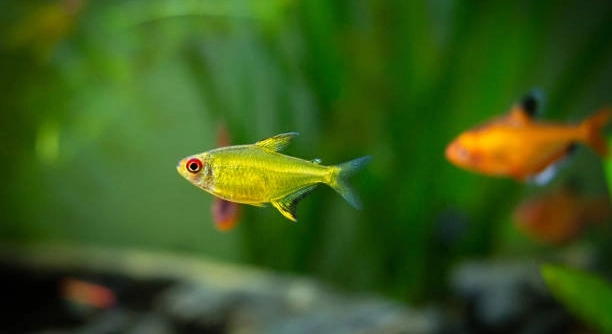
Have you ever found yourself giving your lemon tetra a little extra food, thinking it might make them happier in their bright aquatic world, creating a gentle moment that feels caring and thoughtful each day.
Overfeeding lemon tetra leads to rapid waste accumulation, declining water quality, and increased stress. Excess food disrupts digestion and encourages harmful bacteria, weakening immunity. Consistent overeating contributes to obesity and reduced activity, ultimately compromising the overall health of the aquarium.
These feeding issues highlight important care needs, offering insight into healthier routines that support your lemon tetras comfort and wellbeing.
Effects of Overfeeding on Water Quality
Overfeeding lemon tetra creates several problems that slowly build up in the tank, affecting both their comfort and long term health. Extra food settles at the bottom, breaking down and releasing substances that alter the stability of the water. This shift makes the environment harder for them to tolerate, especially when the levels become too strong for their small bodies to handle. I have seen how quickly the tank can change when feeding habits become too generous, and it always brings a sense of concern. The water becomes cloudy, the smell turns unpleasant, and the peaceful feeling of the aquarium fades. These changes can make your fish feel stressed, leading to patterns of hiding or reduced activity. When this happens, it becomes clear that feeding control is essential to maintain balance. A stable routine supports cleaner conditions that help lemon tetra stay healthy and behave more naturally each day consistently.
Maintaining careful feeding habits reduces waste buildup, helps stabilize the tank, and keeps lemon tetra comfortable. Small portions prevent leftover food from settling and causing unwanted changes. This simple approach supports a cleaner environment that lets your fish move calmly and show their natural behavior without stress in their habitat.
Keeping a stable routine helps prevent the small issues that accumulate when feeding becomes too frequent. Lemon tetra need light meals that match their size, and offering more than they can finish creates conditions that shift the balance of the tank. I like to focus on slow, steady feeding patterns that support clean water and relaxed behavior. When the tank stays clear, their movement becomes more confident, and their colors look brighter. These small signs show that they feel secure, making the care experience smoother. A balanced feeding plan creates an environment that supports long term comfort for your fish.
Recognizing Signs of Overfeeding
Noticing early signs of overfeeding helps protect lemon tetra from stress and discomfort. Cloudy water, leftover food, and reduced activity often appear when feeding habits become too generous. Paying attention to these shifts allows you to adjust their meals and maintain a stable, comfortable aquarium for their long term wellbeing.
Understanding how lemon tetra respond to changes in feeding patterns helps you create a more stable care routine. When too much food enters the tank, their behavior shifts in subtle ways that reveal discomfort or imbalance. They may swim less, hide more often, or show signs of sluggish movement as their environment becomes heavier with waste. I always take these signals seriously because they show how delicate their needs can be. Extra food influences the entire tank by encouraging faster waste breakdown that clouds the water and alters its stability. Over time, these shifts weaken their ability to stay active and maintain strong coloration. By offering small meals that match what they can finish in a short time, you reduce the chance of leftover particles accumulating. This simple habit keeps the water clearer and gives the fish enough space to behave naturally. Regular observation helps you understand how they react to each feeding, making it easier to adjust portions based on their activity level. When feeding becomes controlled and consistent, the tank stays balanced and healthy, giving your lemon tetra the comfort they need to thrive. This approach protects them from stress and supports a calmer environment that feels safe.
Preventing Overfeeding in Daily Care
Feeding lemon tetra with smaller portions supports cleaner water and calmer behavior. I keep portions limited to what they finish quickly, which prevents leftover food from settling. This simple habit keeps the tank from shifting in ways that create stress or discomfort for the fish.
Offering light meals at consistent times helps maintain balance in their habitat. I pay attention to how quickly they eat, adjusting portions when needed. When they finish their food without hesitation, the tank stays clearer, and their activity remains steady. This approach makes care easier and keeps their environment more stable. Clear water and relaxed movement usually show that the feeding routine is working well. I notice they swim more confidently when they are not overwhelmed by excess food. Keeping meals small prevents buildup that can disrupt the tank and supports healthier behavior.
Staying mindful of feeding helps you avoid small issues that often build up unnoticed. I always observe their behavior after each meal, checking for signs of sluggish movement or wasted food. These signs help me adjust their portions before problems appear. Feeding lightly prevents quick waste accumulation, which is especially important in smaller tanks. When portions stay controlled, their colors appear brighter, and their swimming looks smoother. These signs reflect a more comfortable environment that supports long term wellbeing.
Adjusting the Tank After Overfeeding
If overfeeding happens, removing leftover food right away helps limit changes in the water. I carefully clear any uneaten bits and monitor the fish to see if their behavior shifts. This prevents lingering debris from altering the stability of the tank and helps them settle more comfortably.
A few simple steps help restore balance when the tank has been affected. I always begin by checking the filter to ensure it is working properly because extra waste can make it struggle. Partial water changes support cleaner conditions without overwhelming the fish, giving the tank a fresh start. I take my time watching their movement afterward to see how they respond to the improved environment. When the water clears and they begin swimming with more confidence, it becomes easier to maintain a steady routine. Consistent care keeps the tank from slipping back into unstable conditions.
Long Term Health Concerns
Overfeeding slowly affects the internal health of lemon tetra, making them less active and more stressed. I notice their movement becoming heavier when they take in more food than they can process, which places strain on their small bodies over time.
Consistent overeating weakens their ability to maintain bright coloration and normal behavior. I have seen how quickly their appearance changes when meals become too generous, and it always signals the need to reduce portions and restore balance in their care routine.
Choosing Proper Food Amounts
Feeding amounts should match what lemon tetra can finish within moments, keeping the tank cleaner and their digestion steady. I focus on observing how quickly they eat, adjusting portions based on their energy level and behavior. When portions stay controlled, their environment remains stable, and their movement stays smooth and relaxed, supporting long term comfort.
Supporting a Balanced Environment
Maintaining stable conditions helps lemon tetra stay active and comfortable. I keep an eye on small changes in their behavior, using those signs to guide feeding adjustments that prevent stress and protect their overall wellbeing.
FAQ
How often should I feed my lemon tetra?
Feeding lemon tetra once or twice a day in small portions is usually sufficient. I give just enough food that they can finish within a few minutes. Overfeeding more frequently can lead to leftover food settling at the bottom, creating waste and stressing the fish. Small, consistent portions help maintain clean water and support steady activity. Observing how quickly they eat is the easiest way to know if the amount is right.
What happens if I accidentally overfeed them once?
A single instance of overfeeding usually does not cause lasting harm if addressed quickly. I remove any leftover food immediately to prevent it from breaking down and polluting the water. Performing a partial water change can help restore balance. Watching their behavior afterward helps identify stress or sluggishness. Occasional overfeeding can happen, but maintaining routine portion control prevents these incidents from affecting long-term health.
How can I tell if my lemon tetra is overfed?
Signs of overfeeding include leftover food, cloudy water, slower swimming, and bloating. I pay attention to changes in their movement or appetite. When they appear sluggish or hide more, it often reflects digestive strain. Cloudy water or a film on the surface indicates food waste breaking down. Regular observation makes it easy to notice these subtle changes before they become serious. Maintaining consistent, small portions reduces these risks.
Can overfeeding affect tank plants and other fish?
Yes, extra food decays and releases nutrients that can promote algae growth. I notice tank plants sometimes become stressed, with leaves turning dull when food levels are high. Other fish may compete for excess food, which can cause aggression or uneven nutrition. Controlling portions helps maintain balance, keeping plants healthy and all fish receiving the right amount of food without unnecessary competition or environmental stress.
Is there a way to prevent overfeeding altogether?
Using a small feeding container or portioning the food before placing it in the tank is effective. I often pre-measure the amount for each meal to avoid guessing. Watching their eating speed and adjusting the portions as needed ensures no leftovers remain. Consistency in meal timing and quantity is key. By controlling the food supply, I prevent waste buildup and maintain cleaner, more stable water conditions for the lemon tetra.
Does the type of food matter in overfeeding risks?
Dry flakes, frozen, or live foods all pose overfeeding risks if portions are too large. I choose a diet that suits their size but focus on limiting quantity rather than just the type. Some foods sink faster, creating leftover debris, while others dissolve slowly, affecting water quality. Being mindful of how different foods behave in the tank helps prevent accumulation and reduces the strain on their digestive system.
How do I recover the tank after repeated overfeeding?
Partial water changes and careful cleaning of uneaten food are essential. I check the filter to ensure it is functioning properly and remove any waste that has settled. Observing water clarity and fish behavior after adjustments helps me confirm the environment is stabilizing. Regular maintenance prevents long-term water quality issues, giving lemon tetra a healthier, more balanced habitat.
Can overfeeding lead to obesity in lemon tetra?
Yes, overfeeding increases the risk of obesity and related health issues. I notice their bodies become rounder and swimming slows when they consistently eat too much. Controlling portions and maintaining a routine prevents excessive weight gain. Proper feeding supports active, healthy fish with vibrant coloration and steady energy throughout the day.
What is the safest way to introduce new foods without overfeeding?
Introduce small amounts of new foods gradually. I offer a tiny portion first and observe how quickly they consume it. If eaten quickly, I can add a little more, but I always avoid giving more than they can finish. Gradual introduction prevents excess waste and digestive issues, while letting lemon tetra adjust to the new diet safely.
Can overfeeding impact breeding or fry survival?
Excess food can reduce water quality, which negatively affects breeding conditions and fry survival. I keep meals light and monitor water parameters closely during breeding. Clean water supports eggs and fry, while leftover food can cause ammonia spikes that harm developing fish. Maintaining careful feeding ensures better reproductive success and healthier offspring.
How long does it take for a tank to recover after overfeeding?
Recovery depends on how much excess food accumulated and how quickly it is removed. I usually see improvement in water clarity and fish behavior within a day or two after cleaning and partial water changes. Consistent monitoring helps me ensure the tank stabilizes, avoiding long-term damage and keeping lemon tetra active and comfortable.
Are there tools or techniques to control feeding?
Yes, I use small feeding spoons or pre-measured containers to control portions precisely. Timers and automatic feeders can help, but it is important to measure food correctly to avoid excess. Regular observation ensures that these tools are effective and that fish receive only what they need, maintaining clean water and healthy behavior.
Can overfeeding affect fish lifespan?
Long-term overfeeding reduces lifespan due to increased stress, weakened immunity, and poor water quality. I maintain strict portion control and monitor feeding routines closely to prevent gradual health decline. Consistent care with balanced meals supports longevity, keeping lemon tetra active and vibrant for years.
How do I balance multiple species in one tank to prevent overfeeding?
Feed each species based on its size and dietary needs, distributing food evenly to prevent dominant fish from taking too much. I watch their interactions carefully to avoid leftovers or aggressive competition. Proper portioning ensures all fish get the right amount without creating excessive waste that disrupts water quality and overall tank health.
What role does observation play in preventing overfeeding?
Observation is key. I watch how quickly the fish eat, note changes in behavior, and monitor water clarity. Adjusting portions based on these signs ensures feeding is appropriate. Consistent attention prevents issues before they escalate, maintaining a stable and healthy environment that supports lemon tetra wellbeing and tank balance.
Final Thoughts
Overfeeding lemon tetra is a common issue that can slowly affect both the fish and the aquarium environment. Small, seemingly harmless portions of extra food can accumulate at the bottom of the tank, breaking down and changing water conditions in ways that are not immediately visible. I have learned from experience that these changes, if left unchecked, stress the fish and make them less active. Cloudy water, leftover food, and subtle shifts in behavior are clear signals that the tank balance is being disrupted. Maintaining awareness of their eating habits and observing how quickly they finish their food is the first step in keeping the environment stable. By sticking to small, controlled portions, the tank stays cleaner, and lemon tetra remain comfortable and energetic. The process requires attention but is manageable once a simple routine is in place.
Consistent feeding practices support the long-term health of lemon tetra in ways that are easy to see. I have noticed that when portions are measured carefully, fish show brighter coloration, swim more confidently, and seem less stressed overall. Overfeeding not only weakens their digestive system but also increases the chance of obesity and slower movement. Even occasional overfeeding can create problems if leftover food is not removed promptly, which is why I always take steps to clean the tank and monitor water quality. Partial water changes, checking filters, and removing uneaten food are essential habits that restore balance when issues arise. Paying attention to the environment and adjusting feeding habits based on fish behavior ensures that lemon tetra have the support they need to thrive. The goal is to maintain a calm, healthy tank that promotes steady activity and reduces stress.
Maintaining a balanced feeding routine also benefits the overall tank ecosystem, including plants and other fish. When food is controlled, waste buildup is minimized, helping to prevent algae growth and supporting cleaner water. Observing fish behavior and water clarity regularly allows for early detection of problems, making corrections easier and less stressful for the fish. I have found that pre-measuring portions and feeding slowly helps maintain control while giving the fish enough nutrition. Over time, these habits create a healthier, more predictable environment, which reduces stress and improves longevity. Lemon tetra, like all small fish, respond well to steady, thoughtful care. Following these principles not only keeps them active and vibrant but also ensures that the aquarium remains a stable, comfortable habitat where all elements function in harmony. The small effort invested in proper feeding pays off in long-term health and a peaceful, well-maintained tank.

Hello,
If you enjoy the content that we create, please consider saying a "Thank You!" by leaving a tip.
Every little bit helps us continue crafting quality advice that supports the health, happiness, and well-being of pets around the world, for pets of all shapes, sizes, and species.
We really appreciate the kindness and support that you show us!