
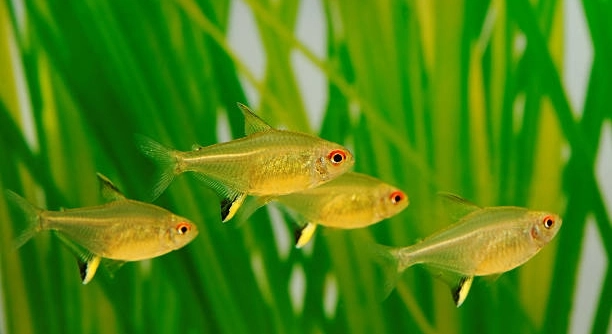
Are your new lemon tetras struggling to thrive in their aquarium? Many first-time owners face challenges without realizing small mistakes can affect their fish’s health and happiness. Understanding these issues early can prevent long-term problems for your aquatic pets.
The most common mistakes new lemon tetra owners make include overcrowding, inconsistent water parameters, improper diet, inadequate tank setup, insufficient hiding spaces, sudden water changes, and ignoring signs of stress or disease. Addressing these factors ensures optimal health and longevity for the fish.
Learning how to avoid these pitfalls will help your lemon tetras thrive and create a stable, enjoyable aquarium environment for both you and your fish.
Overcrowding the Tank
Many new lemon tetra owners want to see a lively, colorful aquarium and end up adding too many fish too soon. Overcrowding leads to poor water quality, higher stress levels, and increased disease risk. Lemon tetras are small, active fish that thrive in groups of at least six. A crowded tank reduces swimming space, making it harder for fish to establish territories and socialize properly. It also increases waste production, which can overwhelm your filtration system and cause dangerous ammonia and nitrite spikes. Maintaining the right fish-to-tank ratio is crucial for keeping your tetras healthy and happy. Proper planning before adding new fish helps you avoid the need for sudden adjustments later. Observing your fish’s behavior can indicate whether they are stressed due to limited space. A spacious, well-planned aquarium allows your lemon tetras to display natural behaviors and reduces the likelihood of aggression or health issues.
Keeping a moderate number of fish ensures better water quality and reduces stress.
A proper setup with adequate swimming space benefits both the fish and the overall tank environment. It prevents unnecessary health problems and allows for easier maintenance. Planning for gradual additions helps maintain balance and ensures all fish thrive, especially in a community tank with other species.
Inconsistent Water Parameters
Lemon tetras are sensitive to fluctuations in temperature, pH, and hardness. Frequent or sudden changes in water conditions can stress your fish, weakening their immune system and making them prone to illness. Consistency is key to a healthy aquarium.
Testing water regularly helps maintain stability.
Maintaining consistent water parameters requires monitoring temperature, pH, ammonia, nitrite, and nitrate levels. Sudden changes, like adding cold water or performing large water changes, can shock your tetras. Using a reliable heater, adjusting water gradually, and treating tap water to remove chlorine and chloramines helps create a stable environment. Consistency also applies to diet, lighting, and filtration. Keeping a log of water tests allows you to spot trends before they become problems. A stable environment minimizes stress, reduces disease risk, and allows your lemon tetras to grow and thrive naturally. Proper care and attention to water quality are essential for long-term health.
Improper Diet
Feeding lemon tetras only flakes or skipping variety can lead to malnutrition. They need a balanced diet with protein, plant matter, and occasional live or frozen foods to stay healthy and vibrant.
A diet focused solely on flakes or pellets can result in color fading, stunted growth, and weakened immune systems. Incorporating foods like brine shrimp, daphnia, and finely chopped vegetables ensures essential nutrients are provided. Feeding small amounts multiple times a day mimics natural feeding habits and reduces the risk of overfeeding. Observing your tetras’ eating behavior helps adjust portions appropriately, preventing leftover food from polluting the tank and causing water quality issues.
Proper nutrition supports energy, natural behaviors, and long-term health. Including variety and monitoring portions prevents common health issues and keeps your lemon tetras active and colorful. A balanced diet contributes directly to their overall well-being and resilience in the aquarium.
Insufficient Hiding Spaces
Lemon tetras feel safer when they have plants, rocks, or decorations to hide behind. Lack of hiding spaces increases stress and aggression in the tank.
Providing ample hiding spots reduces stress and promotes natural behavior.
Dense plants, caves, and driftwood create shelter and allow your tetras to retreat when threatened or resting. Stress from open, bare tanks can lead to weakened immune systems, making fish more susceptible to disease. Decorations should be arranged to balance open swimming areas with sheltered zones, allowing fish to choose their preferred space. Live plants also help maintain water quality by absorbing excess nutrients and providing oxygen. Adding small plants and secure hiding spots encourages exploration while giving lemon tetras control over their environment. This simple adjustment significantly improves their overall comfort and reduces aggressive interactions in community tanks.
Sudden Water Changes
Large or abrupt water changes can shock lemon tetras, causing stress or illness. Always adjust water gradually to match tank conditions.
Even small differences in temperature, pH, or hardness can harm sensitive fish. Gradual adjustments help them adapt safely.
Ignoring Signs of Stress
Lemon tetras show stress through clamped fins, hiding, or erratic swimming. Observing behavior early prevents serious health issues.
Monitoring daily allows you to catch illness or environmental problems before they worsen. Acting quickly keeps your fish healthy and active.
Using Inadequate Filtration
Weak or improper filtration fails to remove toxins efficiently, leading to poor water quality and unhealthy fish.
Proper filtration is essential to maintain stable water conditions, reduce waste buildup, and ensure a thriving aquarium environment for lemon tetras.
FAQ
How often should I feed my lemon tetras?
Lemon tetras do best with small, frequent feedings. Feeding them two to three times a day in amounts they can consume within a few minutes prevents overfeeding and keeps the water clean. Overfeeding can cause leftover food to decay, which increases ammonia and nitrate levels, stressing your fish. Including a mix of high-quality flakes, micro pellets, and occasional live or frozen foods ensures balanced nutrition. Watching how much they eat and adjusting portions is key to maintaining their health and vibrant colors over time.
Can lemon tetras live with other fish?
Yes, lemon tetras are peaceful community fish. They do well with other small, non-aggressive species like guppies, rasboras, or small corydoras. Avoid large or aggressive fish that may stress or eat them. Keeping tetras in groups of six or more allows them to display natural schooling behavior and feel secure. Proper tank size, stable water conditions, and hiding spots help reduce potential conflicts. Observing interactions daily ensures all species coexist safely.
What is the ideal tank size for lemon tetras?
A 20-gallon tank or larger is recommended for a small school of lemon tetras. More space allows for proper swimming, reduces stress, and makes maintaining water quality easier. Overcrowding in smaller tanks increases waste buildup, disease risk, and aggressive behavior. Adding plants, driftwood, and rocks provides hiding spaces while leaving open areas for swimming. Proper spacing also allows for future additions without compromising health.
How do I maintain proper water parameters?
Regular testing of ammonia, nitrite, nitrate, pH, and temperature is essential. Lemon tetras thrive in slightly acidic to neutral water (pH 6.5–7.0) and temperatures around 72–78°F. Using a reliable heater and performing small, consistent water changes keeps conditions stable. Treating tap water to remove chlorine and chloramines is crucial. Logging test results helps track changes and catch problems early, ensuring a safe environment for your tetras.
Why are my lemon tetras losing color?
Color fading often signals stress, poor diet, or illness. Ensure they are fed a varied diet, maintain consistent water parameters, and provide hiding spaces. Stress from overcrowding, aggressive tankmates, or sudden environmental changes can also cause dull coloration. Observing behavior, feeding, and tank setup helps identify the underlying issue and restore vibrant colors over time.
How can I prevent disease in my lemon tetras?
Maintaining clean water, stable parameters, and a balanced diet is key to preventing disease. Quarantining new fish before adding them to the tank avoids introducing infections. Avoid overstocking and overcrowding, and inspect fish regularly for signs of stress or illness. Prompt treatment at the first signs of disease reduces the risk of spread and ensures healthier, longer-living tetras.
Is live or frozen food necessary for lemon tetras?
While high-quality flakes or pellets provide basic nutrition, supplementing with live or frozen foods like brine shrimp or daphnia boosts protein intake and supports natural foraging behavior. Occasional supplementation enhances color, energy, and overall health. Feeding a combination of foods ensures they receive essential nutrients not always present in prepared diets.
What kind of decorations or plants work best?
Dense plants, driftwood, and small caves give tetras places to hide, reducing stress. Open swimming areas are equally important to allow schooling and exercise. Live plants also improve water quality by absorbing excess nutrients and producing oxygen. A balance of shelter and open space keeps your tetras comfortable and active.
How often should I clean the tank?
Perform small water changes weekly or biweekly, removing 20–30% of the water each time. Clean substrate and remove debris without disturbing beneficial bacteria. Regular maintenance ensures stable water quality, reduces stress, and prevents disease. Observing the fish during cleaning helps detect any health issues early.
Can lemon tetras tolerate slight water parameter fluctuations?
They are sensitive to sudden changes, so stability is critical. Small, gradual shifts may be tolerated, but frequent or drastic changes in temperature, pH, or hardness can stress fish, weaken their immune system, and lead to illness. Gradual adjustments during water changes and careful monitoring prevent harmful fluctuations and maintain a healthy environment.
This FAQ addresses the most common concerns new lemon tetra owners face, helping maintain a healthy, thriving aquarium environment. Proper feeding, tank setup, water maintenance, and observation ensure these delicate fish live long and vibrant lives.
Taking care of lemon tetras can be very rewarding, but it requires attention to detail and consistency. These small, vibrant fish are sensitive to their environment, and small mistakes can quickly become bigger problems. Overcrowding, improper diet, sudden water changes, and lack of hiding spaces are common challenges new owners face. Understanding the basic needs of lemon tetras is essential for keeping them healthy and active. By maintaining stable water parameters, providing a balanced diet, and arranging the tank with both open swimming areas and sheltered spots, you create an environment where your fish can thrive. Observing their behavior regularly helps catch potential issues before they become serious. Healthy, happy tetras will display their natural colors, swim actively, and interact well with other peaceful tankmates. Taking the time to monitor the tank and make small, careful adjustments ensures that your aquarium remains a safe and comfortable home for your fish.
Consistency plays a crucial role in the long-term health of lemon tetras. These fish are sensitive to changes in water temperature, pH, and quality. Frequent or large fluctuations can stress them, weaken their immune system, and increase susceptibility to disease. Regular water testing and small, controlled water changes help maintain stability. Proper filtration is also vital to remove waste and prevent harmful ammonia and nitrite buildup. Additionally, providing a varied diet ensures that your tetras receive the nutrients they need for strong immune systems, energy, and vibrant coloration. Incorporating live or frozen foods occasionally, alongside high-quality flakes or pellets, supports their natural feeding behaviors and overall well-being. By paying attention to these details, you not only prevent health issues but also create a tank where your lemon tetras can grow and thrive for years.
Understanding your lemon tetras’ behavior and needs helps create a balanced and enjoyable aquarium. Stress can manifest as hiding, clamped fins, or unusual swimming patterns, and recognizing these signs allows for timely intervention. Providing enough space, adequate hiding spots, and proper companions reduces tension and encourages natural schooling behavior. Even small adjustments in tank setup, feeding routines, or water maintenance can make a significant difference in the fish’s quality of life. Maintaining a stable, comfortable environment encourages active swimming, vibrant coloration, and longevity. While caring for lemon tetras requires some effort and attention, the reward is a lively, colorful aquarium that brings both visual enjoyment and a sense of accomplishment. Consistent care and thoughtful observation are the foundation of a healthy, thriving tank where these small fish can truly flourish.

Hello,
If you enjoy the content that we create, please consider saying a "Thank You!" by leaving a tip.
Every little bit helps us continue crafting quality advice that supports the health, happiness, and well-being of pets around the world, for pets of all shapes, sizes, and species.
We really appreciate the kindness and support that you show us!