
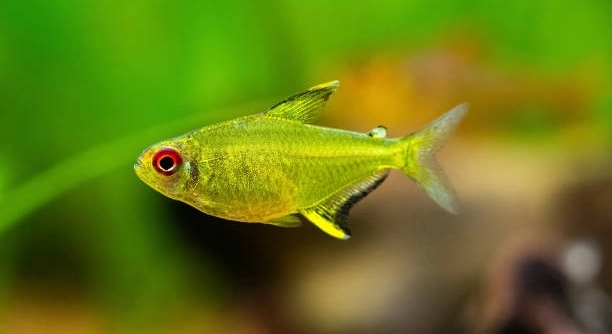
Do you ever notice your lemon tetras swimming together in tight groups, seemingly in sync with one another? Their bright yellow bodies move with a rhythm that makes you wonder about their social connections. Observing them can be fascinating.
Lemon tetras do notice when a tank mate is missing. They rely on group behavior for security and often show signs of stress or altered swimming patterns when one is absent, reflecting their natural schooling instincts.
Understanding this behavior helps you maintain a calm and healthy tank environment for your fish. The subtle cues they give can reveal much about their social needs.
How Lemon Tetras React to a Missing Tank Mate
When a lemon tetra is missing from a group, the remaining fish often show noticeable changes. They may swim closer together or linger near areas where the absent fish usually spends time. Some may even pause in the middle of the tank, appearing hesitant or cautious. This behavior is tied to their natural instinct to stay in schools, which provides safety and confidence. When a member of the group is gone, the dynamics shift, and stress can increase. You might notice a few fish darting around more quickly or exploring the tank more cautiously. These reactions are subtle but consistent, showing how sensitive lemon tetras are to their peers. Over time, the absence of a single tetra can affect feeding behavior, swimming patterns, and overall activity levels. Observing these changes closely helps in understanding their social needs and maintaining a balanced aquarium environment.
Lemon tetras rely on group stability for comfort and security. Missing companions disrupt their sense of normalcy.
Watching them adapt to a missing fish can reveal a lot about their behavior. By paying attention, you can adjust tank conditions to reduce stress and keep your tetras healthy.
Signs of Stress in Lemon Tetras
Stress in lemon tetras can appear in small, noticeable ways. They may hide more, swim erratically, or lose some of their vibrant color.
Stress affects their immune system, making them more vulnerable to illness and reducing activity levels. Fish may refuse food or become less interactive with the rest of the school. Over time, prolonged stress can lead to long-term health issues, including stunted growth or a shortened lifespan. Even subtle changes in tank conditions, like water temperature, pH, or overcrowding, can amplify these reactions. Observing behavior carefully is important. It allows you to intervene early and restore stability, such as by adding a new companion or adjusting environmental factors. Maintaining a calm environment helps the remaining tetras feel secure, encouraging normal swimming and feeding patterns to resume.
By understanding these signs, you can take timely action to minimize stress. Simple adjustments in the tank setup often lead to noticeable improvements in behavior and overall well-being, ensuring your lemon tetras thrive together.
How Schooling Behavior Changes
Lemon tetras swim tightly in schools for safety. When one is missing, the remaining fish often scatter slightly or stay closer together. Their synchronized swimming becomes less precise, showing a clear response to the absence.
The tight formation of a school provides comfort and reduces stress. When a tetra is gone, the balance of the group shifts. Fish may pause more often or dart unpredictably, as if unsure where to go. Feeding patterns can change too, with some fish hesitating while others move ahead quickly. Even small changes, like a new hiding spot, are explored cautiously. This behavior highlights how sensitive lemon tetras are to group dynamics, emphasizing the importance of maintaining stable companionship in the tank.
Observing these shifts can help you understand social needs in your aquarium. Adjusting tank conditions or introducing a compatible fish can restore normal schooling behavior. Stress decreases when the group feels complete, and activity levels return to normal. Careful attention to movement patterns and interactions ensures a healthier environment for all your tetras.
Adjusting to Changes in the Tank
Lemon tetras take time to adapt when a member is missing. They gradually explore spaces once occupied and adjust swimming routes. Their curiosity and caution are balanced.
Adjustment can take days or weeks, depending on group size and individual temperament. Fish often become more alert to surroundings, checking corners and hiding spots. Some tetras may act bolder, while others remain near protective areas. Feeding behavior usually normalizes once the group feels safe again. Environmental stability, such as consistent water parameters, helps this process. Adding new companions should be done carefully, with observation to prevent stress or aggression. Social structure reestablishes gradually, restoring confidence and synchronized movements. Patience and observation are key to helping your lemon tetras adjust comfortably.
Importance of Group Size
Lemon tetras feel safest in groups of six or more. Smaller numbers can cause anxiety, leading to unusual swimming patterns or hiding behavior.
A full school keeps fish active and confident. When numbers drop, stress increases, making them more prone to illness and less likely to eat normally.
Environmental Factors
Tank conditions affect how lemon tetras respond to a missing companion. Poor water quality, improper temperature, or lack of hiding spaces can amplify stress. Clean water, stable temperature, and plants or decorations provide comfort, allowing fish to adjust more easily to changes in their social group.
Reintroducing a New Tank Mate
Introducing a new tetra requires care. Gradual introduction in a separate container allows observation and reduces aggression. Proper acclimation helps restore schooling behavior and reduces stress for the original group.
How long does it take for lemon tetras to notice a missing tank mate?
Lemon tetras are sensitive to changes in their school. Most fish notice within hours, showing subtle shifts in swimming patterns or lingering near the usual spot of the missing fish. Stress signs, such as darting or hesitation, can appear quickly, reflecting their natural instinct to stay together.
Will lemon tetras stop eating if a tank mate is missing?
Some tetras may eat less when one of their group is gone. The stress from the missing companion can make them cautious, and they may linger in hiding spots instead of approaching food. Others continue feeding normally but more slowly, showing a temporary shift in behavior.
Can a missing tetra cause long-term stress for the group?
Yes, prolonged absence can affect the group’s social stability. Stress may lead to reduced activity, less vibrant coloration, or weakened immune systems. Maintaining a stable number of fish and careful observation helps prevent these long-term issues, keeping the school healthy and confident.
How can I reduce stress when a tetra is missing?
Providing hiding spots, stable water conditions, and maintaining proper temperature and pH levels can help reduce stress. Gentle observation without sudden disturbances allows the remaining fish to adjust naturally. Reintroducing a compatible fish carefully restores social balance and comfort.
Is it better to immediately replace a missing tetra?
Replacing a fish right away is not always necessary. The group may adjust on its own over a few days. However, introducing a new tetra slowly and monitoring interactions ensures minimal stress. Sudden addition without acclimation can cause aggression or further anxiety in the group.
Do lemon tetras remember absent companions?
Lemon tetras exhibit social memory and recognize familiar tank mates. After a member is gone, they may return to areas where the fish previously spent time. This shows they notice absence and can remember past interactions, influencing their behavior even weeks later.
Can a small school of lemon tetras survive without noticing one missing?
Small schools of three or four are more vulnerable. They may still notice absence, but signs are subtler. Stress levels are higher in smaller groups, making them more dependent on each other for security. Larger schools better mask minor losses and maintain confidence.
Will adding more tank mates restore normal behavior?
Yes, adding new, compatible tetras gradually often restores normal schooling patterns. Fish regain confidence, resume typical swimming and feeding habits, and the group’s social balance reestablishes itself. Careful acclimation prevents aggression and ensures the new addition integrates smoothly.
Are there signs that a tetra is permanently stressed?
Permanent stress can show as persistent hiding, loss of appetite, faded coloration, or unusual swimming patterns. These signs indicate that environmental adjustments or social support are needed. Addressing water quality, providing plants, and monitoring group size can reverse many stress effects.
How can observation help prevent problems in the future?
Paying attention to swimming patterns, feeding habits, and color changes helps detect early signs of stress. Noticing minor changes allows timely interventions, such as adjusting tank conditions or adding companions. Regular observation ensures lemon tetras remain healthy and socially stable.
What should I avoid when a tetra is missing?
Avoid sudden tank rearrangements, rapid water changes, or adding multiple new fish at once. These actions increase stress and may worsen the group’s behavior. Gradual adjustments and calm observation support a smooth transition until social balance is restored.
Can missing a tank mate impact reproduction?
Stress from the absence of a school member can reduce spawning activity. Lemon tetras rely on a sense of security for breeding. Ensuring stable conditions and proper group size helps maintain normal reproductive behavior and overall tank health.
Is it normal for some tetras to act bolder when a fish is missing?
Yes, some tetras may explore more actively or claim areas that were previously shared. This is a natural response to shifting social dynamics. Monitoring interactions prevents aggression and helps maintain harmony as the group adjusts.
How do lemon tetras communicate absence to each other?
They use subtle movements, position shifts, and synchronized swimming to signal changes. Remaining fish respond to these cues, altering swimming patterns or grouping tighter. Understanding these behaviors helps aquarists support a healthy, stress-free environment.
What is the best approach to keep a school stable?
Maintain a minimum of six tetras, stable water conditions, and safe hiding spots. Observe behavior daily, introduce new fish gradually if needed, and avoid sudden disruptions. Consistent care ensures the group remains active, healthy, and confident even after minor changes.
How quickly can normal behavior return?
With stable conditions and proper social support, normal schooling and feeding behavior can return within days to a couple of weeks. Patience and careful monitoring are essential for restoring balance and reducing stress in the remaining fish.
Are there any signs that a new tetra is not accepted?
Signs include chasing, hiding, or refusal to swim with the group. Introducing the fish slowly, using a quarantine or acclimation method, and providing visual barriers can help integration. Careful observation prevents stress and supports harmony within the school.
Can stress from missing companions affect lifespan?
Chronic stress can reduce immunity and increase susceptibility to disease, potentially shortening lifespan. Maintaining stable group numbers, clean water, and a calm environment helps lemon tetras stay healthy and live longer, even after losing a companion.
Is it normal for tetras to return to old routines slowly?
Yes, adjustment is gradual. Fish explore cautiously, test social dynamics, and resume normal activity over time. Consistent care and a stable environment speed up recovery and restore confidence in the school.
How does tank size impact their response?
Larger tanks provide space for hiding and exploration, reducing stress. Smaller tanks make absences more noticeable, as fish have fewer areas to disperse. Proper tank size ensures lemon tetras maintain normal schooling behavior and reduces anxiety when a companion is missing.
Can observing lemon tetras teach about social behavior?
Watching how tetras react to absence shows how dependent they are on group cohesion. Subtle shifts in movement, feeding, and positioning reveal social structures, helping aquarists better understand fish behavior and improve tank management for healthier, happier schools.
Lemon tetras are small, vibrant fish that rely heavily on their social group. Their schooling behavior is not just for show—it provides comfort, security, and a sense of stability. When one fish is missing, the remaining tetras can notice quickly, even within hours, and their behavior changes in response. They may swim closer together, linger near the absent fish’s usual spots, or pause more often as they navigate the tank. Even subtle shifts, like hesitation when approaching food or exploring new areas, indicate that the group is adjusting to the loss. These behaviors show how connected lemon tetras are to one another and highlight the importance of maintaining a stable group to ensure their well-being.
Stress in lemon tetras caused by a missing companion can affect both behavior and health. Fish may eat less, hide more, or act unusually cautious, and prolonged stress can weaken their immune systems. Environmental factors, such as water quality, temperature, and available hiding spaces, can either reduce or amplify this stress. Ensuring the tank is well-maintained helps the remaining tetras feel secure, even when a member is absent. Gradual introductions of new fish, when necessary, should be done with care to prevent aggression or disruption to the social balance. Over time, as the fish adjust, normal schooling patterns and feeding behavior often return, though observation and patience are key to supporting a smooth transition.
Keeping a healthy, balanced tank requires understanding the social needs of lemon tetras. Observing subtle changes in swimming patterns, group dynamics, and feeding behavior provides insight into their comfort and stress levels. Group size, environmental stability, and careful introductions of new fish all contribute to a calm and thriving school. By providing consistent care and attention, you help your tetras maintain their natural behaviors and remain active and confident. Recognizing their sensitivity to absence allows you to respond appropriately and create a tank environment where lemon tetras can feel safe, interact naturally, and stay healthy over the long term.

Hello,
If you enjoy the content that we create, please consider saying a "Thank You!" by leaving a tip.
Every little bit helps us continue crafting quality advice that supports the health, happiness, and well-being of pets around the world, for pets of all shapes, sizes, and species.
We really appreciate the kindness and support that you show us!