
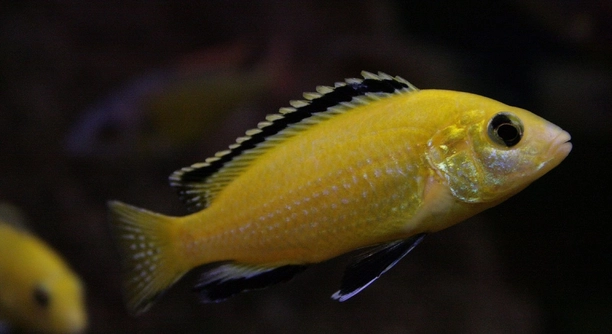
Have you ever added a new fish to your aquarium and wondered how the change might affect the balance of your peaceful setup, especially when an older cichlid becomes part of the environment you maintain
Introducing an older cichlid can shift social dynamics as mature behaviors influence territorial interactions. Increased confidence may intensify dominance, creating stress for tank mates. Careful acclimation, close monitoring, and strong environmental structure help maintain stability when integrating an older specimen
These changes reveal important details about compatibility and comfort within your aquarium, offering insights for smoother interactions among your fish
Territorial Shifts With Older Cichlids
When an older cichlid enters a tank, its established behaviors influence everything around it. The fish brings confidence formed over years, and this confidence often shows in the way it moves, claims space, and interacts with others. Younger or less assertive fish may respond by avoiding areas they once used freely. This shift in movement can change the overall flow in the tank, especially if the older cichlid prefers certain hiding spots or open zones. Feeding routines may be affected too, as a mature fish often reaches food faster and expects priority. If the tank is not structured with enough territories, increased tension can appear quickly. Adding plants, rocks, and dividers helps break sightlines and supports calmer interactions. As a woman who enjoys keeping her setup organized, I find that planning ahead usually keeps things peaceful. These simple steps make adding an older cichlid smoother and reduce stress in tanks.
These changes happen because a mature cichlid enters with strong habits that influence behavior patterns in the tank. By understanding how confidence and territory shape reactions, you can prepare your setup and support smoother adjustments that help maintain calmer interactions for all species living together in a well structured environment.
Creating the right environment before introducing an older cichlid helps prevent unnecessary conflicts. Extra spaces for hiding, clear boundaries, and stable water conditions support a smoother adjustment. A mature fish prefers predictable surroundings, so steady lighting and consistent feeding routines help reduce stress. Younger fish feel more secure when visual barriers limit direct confrontations, allowing them to move without pressure. As a woman who enjoys keeping things simple, I find that thoughtful planning keeps the tank calm. When each area has purpose, every fish gains room to settle comfortably. These small adjustments create a steady atmosphere that supports long term.
Behavioral Pressures After Introduction
Once the older cichlid settles, its behavior influences how other fish move through the tank. Some may shift routines while seeking calmer areas. Stable layouts, regular schedules, and enough territories help reduce unnecessary stress and keep interactions manageable as the tank adapts to the new presence in a balanced setup.
Managing the introduction of an older cichlid requires clear structure and steady observation to avoid unnecessary problems. A mature fish often arrives with strong habits that may overwhelm younger or timid species, especially if territory is limited. Creating multiple zones with rocks, plants, and caves gives every fish a defined space and reduces direct confrontations. Balanced lighting and predictable feeding routines encourage calm behavior, allowing each fish to move without constant pressure. When an older cichlid displays assertive actions, providing additional hiding spots helps others maintain comfort while they adapt. Monitoring early interactions is important because subtle chasing, hovering, or blocking access to food can signal rising stress. Adjusting layouts during the first week often helps redistribute activity so no single area becomes overcrowded. As a woman who likes keeping her tank organized, I find that structure prevents most issues before they escalate. Even small changes, like repositioning ornaments or widening pathways, can make the environment more comfortable for everyone. Patience matters too, because some fish take longer to adapt. With careful planning and steady attention, the tank develops a stable rhythm that supports peaceful coexistence and keeps each species thriving under shared conditions in a predictable and well structured setup.
Social Adjustments Among Tank Mates
Older cichlids often push younger fish to shift their routines as they adjust to the new presence. Space becomes more defined, and each fish learns where it feels comfortable. As a woman who values balance, I find that steady routines help keep interactions predictable.
Clear structure reduces unnecessary stress when an older cichlid influences movement patterns in the tank. Adding multiple hideouts, plants, and rock formations breaks direct lines of sight, allowing timid fish to move without pressure. A mature cichlid usually expects priority during feeding, so spreading food across several areas prevents tension. Consistent lighting and stable water conditions help maintain calm behavior while each species adapts. Monitoring subtle signs like hovering near entrances or blocking paths helps you recognize early imbalance. Adjustments made during the first days often prevent long term issues and support a comfortable environment for every fish sharing the space.
Careful observation during the adjustment period ensures each fish maintains access to its preferred areas. A mature cichlid may attempt to claim large sections of the tank, so rearranging decorations can redistribute territorial pressure. I find that small layout changes often encourage healthier movement patterns. Providing vertical and horizontal spaces helps different species avoid constant interactions. Balanced feeding sessions and predictable schedules lower stress levels, giving timid fish time to settle. With steady attention, the tank forms a stable rhythm where each fish develops confidence. These small steps help maintain peace as the group adapts to the older cichlid.
Feeding Patterns and Resource Control
An older cichlid often reaches food faster and expects priority, which can disrupt established feeding routines for other fish in the tank. Spreading food across different areas helps reduce tension and supports calmer interactions while everyone adjusts to new feeding patterns.
Managing feeding behavior becomes easier when the tank is arranged to prevent direct competition. A mature cichlid may block access to food or hover near preferred areas, so offering multiple feeding points gives less assertive fish equal chances. I find that predictable feeding times keep fish calmer and reduce chasing. Floating foods, sinking pellets, and scattered flakes allow each species to eat comfortably. When tension rises, adding plants or ornaments near feeding zones gives timid fish extra cover. Consistent water flow also helps distribute food evenly, reducing pressure from dominant behavior. With these adjustments, the tank maintains balance, and each fish receives enough nourishment without unnecessary stress.
xxxxxxxxxxxxxxxxxxx
Older cichlids may influence the pacing of the tank by asserting themselves during movement and resting periods. These changes affect how other fish travel through shared areas. I find that adding hiding spots and gentle barriers helps keep interactions manageable while reducing unnecessary stress among species in their daily routines.
Territorial expectations rise quickly when a confident older cichlid enters the tank. Some fish may adjust by avoiding open zones while seeking safer paths. Rearranging decorations encourages better spacing. As a woman who prefers calm setups, I rely on structure to help maintain harmony across different species in shared environments.
xxxxxxxxxxxxxxxxxxx
Introducing an older cichlid often reshapes the rhythm of established communities, especially when smaller or timid species adjust their movement patterns. Creating varied spaces reduces confrontation, allowing each fish to settle comfortably. I find that predictable routines support calmer behavior during transitions. Maintaining consistent water conditions prevents additional stress that may develop when territories shift. Offering multiple paths through plants, rocks, and shaded areas gives fish opportunities to avoid conflict. Feeding patterns improve when resources are separated, lowering pressure around dominant behavior. These steps help stabilize the tank as every species adapts to a confident mature newcomer in their environment.
xxxxxxxxxxxxxxxxxxx
An older cichlid’s presence can influence sleeping spots and resting zones, encouraging quieter fish to shift toward safer areas. Adding structure supports smoother adjustments. As a woman who appreciates organized setups, I find that small changes help maintain comfort while preventing stress from rising within shared aquarium spaces each day.
FAQ
Why does an older cichlid become dominant so quickly after introduction
An older cichlid often carries strong habits shaped by years of establishing territory, so it naturally moves with confidence when placed in a new tank. This confidence allows it to claim areas faster than younger or timid fish. I notice that mature cichlids tend to take control of feeding zones, resting spots, and high-traffic areas almost immediately. Their movements are more direct, and they rarely hesitate when exploring. This behavior can cause younger fish to retreat to quieter corners. By adding plants, caves, and rocks before the introduction, you can soften this shift and give every fish space to adjust at a comfortable pace.
How can I prevent stress in smaller or more timid fish when adding an older cichlid
Stress usually increases when multiple fish are forced into tighter paths or open zones without enough cover, so adding structure is one of the easiest ways to maintain balance. I find that plants and rocks help timid species navigate without feeling pressured. When visual barriers exist, fish avoid constant eye contact, which reduces tension. Feeding areas should also be spread apart to prevent competition. Stable water conditions support calmer behavior, and steady lighting keeps the environment predictable. These simple steps help smaller fish feel safe while adapting to a confident newcomer.
What signs show that the introduction is causing too much tension
Early signs include hovering near boundaries, blocking paths, or repeated chasing that disrupts normal movement. Some fish may begin avoiding areas they usually enjoy, while others become less active. I often watch for subtle behaviors like guarding a corner or pacing along decorations. If the older cichlid consistently prevents other fish from accessing food, the imbalance may grow into long term stress. Rearranging the layout or increasing hiding spots often helps reset territory claims. Careful observation during the first week is important because small problems become easier to manage when caught early.
How long does it take for an older cichlid to settle into a new tank
Most older cichlids begin adjusting within a few days, but full settling can take a couple of weeks depending on the tank setup and existing stock. A mature fish may explore immediately and test boundaries, especially around feeding time. I notice that once routines become predictable, behavior steadies. Maintaining steady water parameters helps shorten the adjustment period. When territorial boundaries are clear and consistent, the fish gains confidence without creating unnecessary tension. Patience is important because each tank community adapts at its own pace.
Why does feeding become more competitive after introducing an older cichlid
Older cichlids react quickly when food appears because they have developed strong habits around feeding. This can push timid fish aside. I prefer offering food in multiple locations to keep things calmer. Floating foods, sinking pellets, and scattered flakes allow different species to eat comfortably. Adding plants near feeding spots gives timid fish small areas to collect food without feeling pressured. With predictable schedules, competition decreases and the tank finds steadier rhythm.
What can I do if the older cichlid keeps claiming too much space
Rearranging decorations is one of the simplest ways to interrupt territorial patterns. When familiar paths change, the older cichlid becomes less attached to specific areas. I find that adding tall plants, caves, or rocks helps break long lines of sight, making it easier for smaller fish to travel without constant pressure. Creating vertical and horizontal layers gives each species more room, helping prevent one fish from controlling central zones. Over time, these adjustments encourage a more balanced layout where all fish can move comfortably.
Is it normal for tank mates to avoid the older cichlid at first
Yes, many fish respond cautiously when a confident newcomer arrives. Avoidance helps them stay safe while learning new boundaries. As long as they still eat and explore at their own pace, this behavior is normal. I have noticed that as structure increases and routines stabilize, timid fish regain confidence. When the tank feels predictable, interactions become smoother and less tense.
Should I isolate the older cichlid before introducing it to the main tank
A brief isolation period can help with observation and health checks, especially if you want to ensure your fish arrives without issues. I prefer using a separate tank or a divider for a short time. This helps the older cichlid adjust before facing new companions. Once it shows steady behavior, you can allow full introduction with less risk of immediate conflict.
Can an older cichlid live peacefully with younger species long term
Yes, many older cichlids adapt well with proper structure and steady routines. Balance improves when territories are clear and feeding remains fair. I find that when each fish has a defined space and predictable environment, interactions settle naturally. With patience and thoughtful planning, peaceful coexistence becomes achievable for most tank setups.
Final Thoughts
Adding an older cichlid to an established tank brings several changes that shape how the entire environment functions. A mature fish enters with fixed habits that influence movement, feeding patterns, and territory use. These behaviors shift the balance among the group and create new routines for every species living in the space. Stability becomes important because even small changes in structure, lighting, or feeding can affect how fish settle into their surroundings. When the tank is arranged with enough hiding spots, clear paths, and visual barriers, the adjustment becomes smoother for all fish involved. A calm environment supports healthier interactions and reduces tension that could build over time. Careful planning before the introduction helps prevent unnecessary stress, especially for timid species that need extra security during transitions. Neutral routines, consistent water conditions, and steady observation keep the process predictable and manageable in a way that benefits the entire tank.
Introducing an older cichlid also highlights how important it is to pay attention to the small details that influence behavior. A mature fish may attempt to take control of larger sections of the tank, which affects how other fish move throughout the environment. Rearranging decorations, adding plants, and creating varied zones help redistribute territorial pressure and give each fish a chance to settle comfortably. When the environment supports multiple paths and hiding areas, fish can explore without feeling pushed into open or unsafe spaces. Feeding routines become more balanced when food is offered in several locations, preventing one fish from dominating the session. These adjustments create a peaceful structure where each species feels supported. Observing the tank during the first week allows you to catch early signs of tension so you can respond with changes that maintain balance. With steady attention, the tank begins to form new patterns that keep interactions calmer.
In the long term, an older cichlid can become a steady part of the tank community when the environment is prepared for the shift. Clear territories, predictable feeding routines, and supportive layouts help each fish develop confidence in its chosen spaces. Over time, movement becomes smoother, tension decreases, and the tank finds a natural rhythm that supports peaceful coexistence. The process may take patience, but the results create a stable environment where all species can thrive. By understanding how a mature fish influences the dynamics and making simple adjustments when needed, you support a healthier atmosphere that promotes long term comfort. With thoughtful management and consistent structure, the tank becomes a calm and balanced space for every fish, allowing the older cichlid to integrate without overwhelming the established community.

Hello,
If you enjoy the content that we create, please consider saying a "Thank You!" by leaving a tip.
Every little bit helps us continue crafting quality advice that supports the health, happiness, and well-being of pets around the world, for pets of all shapes, sizes, and species.
We really appreciate the kindness and support that you show us!