
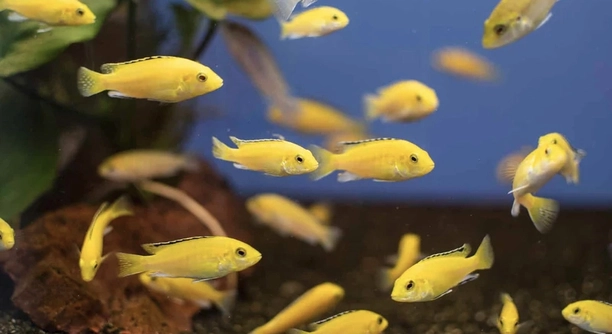
Raising electric yellow cichlids can be a rewarding experience for aquarium enthusiasts. These vibrant fish bring color and energy to home tanks, but their care requires attention to water quality, diet, and social dynamics to thrive properly.
Strong electric yellow cichlids require consistent water parameters, balanced nutrition, structured tank environments, and proper breeding practices. Maintaining stability in temperature, pH, and cleanliness is crucial, as is providing high-quality food and monitoring interactions for optimal health and growth.
Mastering these key techniques will help your cichlids grow healthier and more resilient, setting a strong foundation for a lively and thriving aquarium community.
Maintaining Optimal Water Conditions
Keeping water conditions stable is essential for electric yellow cichlids. These fish are sensitive to fluctuations in pH, temperature, and hardness. Regular testing of the water ensures that ammonia, nitrite, and nitrate levels remain safe. A reliable filtration system helps remove waste and maintain clarity. Partial water changes, ideally 20-25% weekly, prevent harmful chemical buildup and reduce stress. Temperature should stay between 24°C and 28°C, and pH around 7.8 to 8.6 for best results. Avoid sudden changes in water chemistry, as it can weaken their immune systems. Using dechlorinated water is important to protect delicate gill tissue. Additionally, aeration helps maintain oxygen levels, supporting overall health. Monitoring water parameters consistently allows you to notice small issues before they escalate. A stable environment promotes strong growth, vibrant coloration, and fewer health problems. Clear water also makes tank observation more enjoyable and helps you notice behavioral changes early.
Proper water management directly supports fish health, reduces disease risk, and encourages growth. Clean, stable water is fundamental for strong cichlids.
Regular observation of your tank is important. Subtle changes in swimming, color, or appetite often indicate water quality issues or stress, allowing prompt corrective action before problems worsen.
Balanced Diet and Nutrition
Providing a balanced diet is crucial for the development of electric yellow cichlids. A mix of high-quality pellets, flakes, and occasional live or frozen foods ensures they receive essential proteins, fats, and vitamins. Overfeeding can lead to obesity and poor water quality, so feeding small portions two to three times daily is recommended. Including vegetable matter, such as spirulina or blanched greens, supports digestive health and enhances coloration. Variety in diet prevents nutrient deficiencies and keeps fish active. Some cichlids may show preferences, so observing eating habits helps tailor meals appropriately. Supplementing with occasional treats like brine shrimp encourages natural hunting behaviors. Ensuring food sinks slowly or is suspended in the water column allows all fish to feed without competition stress. Good nutrition strengthens immunity, reduces disease incidence, and improves overall vitality.
Consistent feeding with proper portions promotes steady growth and vibrant colors in electric yellow cichlids.
Proper nutrition not only affects growth but also influences behavior, aggression levels, and breeding success. Fish that receive high-quality, varied diets tend to display brighter colors, better stamina, and more active swimming patterns. Nutrient-rich meals support strong immune systems, helping fish resist infections. Planning meals around protein, plant matter, and vitamins ensures long-term health. Overfeeding or feeding low-quality food can lead to digestive problems, swim bladder issues, or weakened immunity, so careful portion control is necessary. Observing how fish respond to different foods allows adjustments for optimal health and feeding efficiency. A balanced diet also reduces territorial disputes caused by hunger and supports natural reproductive behaviors. Keeping track of consumption patterns and supplementing when necessary ensures each cichlid thrives, achieving both physical strength and aesthetic appeal within the tank environment.
Proper Tank Setup
Electric yellow cichlids need a well-structured tank with hiding spots and open swimming areas. Rocks, caves, and driftwood help reduce stress and allow natural territorial behaviors. Sand or fine gravel is preferred as substrate for digging and nesting activities.
Arranging the tank with multiple shelters prevents aggression and gives each fish a personal space. Open swimming areas are important for exercise, reducing lethargy. Avoid overcrowding, as it increases stress and potential conflicts. Decorations should be stable to prevent injuries if knocked over during territorial disputes. Lighting should be moderate, reflecting natural conditions while highlighting colors. Plants can be included but choose hardy species, as cichlids may uproot them. Filtration and water flow should not disturb these hiding areas.
Substrate choice is critical for cichlid behavior. Sand or fine gravel allows digging without harming fins. Hard surfaces help maintain water chemistry and mimic their natural environment, supporting stronger, healthier fish.
Monitoring Health and Behavior
Regular observation helps detect early signs of illness or stress. Changes in swimming, appetite, or coloration indicate potential health issues.
Diseases like ich, fin rot, or bacterial infections are easier to treat when caught early. Quarantine new fish before introducing them to the main tank to prevent outbreaks. Maintain consistent water parameters and avoid rapid changes to support immune function. Observing social interactions is also important, as overly aggressive behavior can harm weaker fish. Identifying problem areas allows rearrangement of hiding spots or temporary separation to reduce stress and injury. Keeping a log of feeding, behavior, and water tests helps track patterns and detect subtle problems before they escalate.
Monitoring behavior goes beyond health; it supports overall tank harmony. Noticing breeding displays, territorial disputes, and feeding habits ensures adjustments can be made promptly, creating a more stable and thriving environment for all fish.
Breeding Practices
Breeding electric yellow cichlids requires careful selection of healthy, mature pairs. Provide flat rocks or caves as spawning sites, and maintain stable water conditions to encourage natural reproductive behavior.
Separate aggressive pairs if conflicts arise. Observe egg-laying and fertilization closely, as both parents may exhibit strong protective instincts toward the fry.
Regular Cleaning and Maintenance
Performing weekly partial water changes is essential to remove waste and toxins. Clean substrate, decorations, and filter components to maintain water clarity and prevent harmful buildup. Regular tank maintenance reduces stress and supports fish health.
Controlling Aggression
Aggression is common among electric yellow cichlids. Introduce adequate hiding spaces and rearrange tank décor to minimize conflicts.
Choosing Compatible Tank Mates
Select fish with similar size and temperament to reduce bullying and competition. Avoid small or overly passive species that may be stressed by cichlid behavior.
FAQ
What is the ideal tank size for electric yellow cichlids?
A minimum of 55 gallons is recommended for a small group of electric yellow cichlids. Larger tanks help reduce aggression and provide enough space for territories, swimming, and hiding spots. Overcrowding can increase stress and lead to health problems or fights.
How often should I test water parameters?
Water should be tested at least once a week for ammonia, nitrite, nitrate, pH, and hardness. Consistent monitoring ensures stable conditions, which are essential for strong, healthy cichlids. Early detection of changes prevents disease and stress.
What do electric yellow cichlids eat?
A balanced diet includes high-quality pellets or flakes, supplemented with live or frozen foods like brine shrimp or bloodworms. Occasional vegetables, such as blanched spinach or spirulina, improve digestion and enhance coloration. Avoid overfeeding to maintain water quality.
Can electric yellow cichlids live with other fish?
Yes, but tank mates must be carefully chosen. Avoid small, passive fish that could be bullied. Other robust African cichlids with similar size and temperament are generally compatible. Provide enough space and hiding spots to reduce territorial disputes.
How do I encourage breeding?
Stable water conditions, proper nutrition, and suitable spawning sites like flat rocks or caves encourage breeding. Separate overly aggressive pairs if necessary, and ensure both parents have enough space to protect eggs and fry. Observing behavior helps ensure successful reproduction.
What are common health problems?
Electric yellow cichlids may develop ich, fin rot, or bacterial infections if water quality is poor. Stress from overcrowding or aggressive tank mates can also weaken their immune systems. Quarantine new fish and maintain clean, stable conditions to prevent issues.
How can I reduce aggression?
Provide hiding spots, rearrange decorations regularly, and maintain an appropriate group size to minimize conflicts. Overcrowding should be avoided, and incompatible fish may need temporary separation. Recognizing early signs of aggression allows timely intervention.
How often should I perform water changes?
Partial water changes of 20-25% weekly are ideal. This keeps toxin levels low, maintains water clarity, and reduces stress. Using dechlorinated water at the correct temperature prevents shocks and promotes strong growth.
Do electric yellow cichlids need a special substrate?
Yes, sand or fine gravel is best. These substrates allow digging and natural behaviors while preventing injuries. Hard surfaces also help maintain water chemistry and mimic their natural environment.
What lighting is best for these cichlids?
Moderate lighting highlights their colors without stressing the fish. Too bright or direct light can increase aggression or make them hide excessively. Providing a consistent day-night cycle supports natural activity and reduces stress.
How can I tell if my fish are stressed?
Signs include hiding, loss of appetite, color fading, or erratic swimming. Stress often results from poor water quality, aggressive tank mates, or sudden environmental changes. Prompt adjustments in care help restore health and behavior.
Is breeding fry difficult to raise?
Fry require careful monitoring of water quality, frequent feeding with appropriate small foods, and protection from adults. Stable conditions, nutritious meals, and minimal stress are key for survival and growth.
How do I maintain long-term fish health?
Consistent water quality, balanced nutrition, proper tank setup, and careful observation are all essential. Preventing stress and avoiding overcrowding ensures stronger, healthier fish with vibrant coloration over time.
Final Thoughts
Raising electric yellow cichlids can be highly rewarding when the right care practices are followed. These fish require a stable and clean environment to thrive. Water quality is the foundation of their health. Regular testing for ammonia, nitrite, nitrate, and pH ensures that their tank remains safe and stress-free. Temperature stability is equally important, as sudden changes can weaken their immune system and make them more prone to disease. Using a reliable filtration system and performing partial water changes weekly helps maintain the right balance. Aeration and proper water flow are also beneficial, supporting oxygen levels and overall activity. By prioritizing water management, you create an environment where these cichlids can grow stronger, display vibrant colors, and live longer.
Nutrition plays a central role in the well-being of electric yellow cichlids. Feeding high-quality pellets or flakes as the main diet ensures they get essential proteins, fats, and vitamins. Supplementing with live or frozen foods, such as brine shrimp or bloodworms, adds variety and encourages natural hunting behaviors. Including vegetable matter, like spirulina or blanched greens, supports digestion and enhances coloration. Overfeeding can lead to obesity and poor water quality, so portion control is necessary. Observing how the fish respond to different foods helps adjust meals to meet their needs. A balanced diet strengthens their immune system, reduces disease risk, and promotes steady growth. Healthy cichlids are more active, exhibit natural behaviors, and maintain strong, bright colors, which makes the tank more enjoyable to observe.
Tank structure and social environment are equally important. Electric yellow cichlids are territorial and benefit from multiple hiding spots, caves, and flat rocks. Providing open swimming areas along with these shelters reduces stress and prevents conflicts. Overcrowding should be avoided, as it increases aggression and can harm weaker fish. Careful selection of compatible tank mates is necessary to maintain harmony, and aggressive pairs may need temporary separation to protect others. Observing behavior regularly allows you to identify issues early, whether related to health, aggression, or breeding. With proper tank setup, consistent care, and attention to diet and water quality, electric yellow cichlids can thrive, offering a lively and visually striking addition to any aquarium. By focusing on these fundamental aspects, their strength, coloration, and overall vitality can be maintained for years.

Hello,
If you enjoy the content that we create, please consider saying a "Thank You!" by leaving a tip.
Every little bit helps us continue crafting quality advice that supports the health, happiness, and well-being of pets around the world, for pets of all shapes, sizes, and species.
We really appreciate the kindness and support that you show us!