
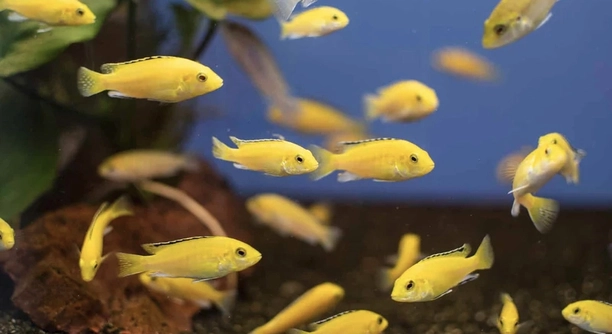
Do you ever find yourself rearranging your aquarium only to notice how water movement affects your fish? Electric yellow cichlids are a popular choice for home tanks, admired for their bright colors and active behavior. Their care routines often spark questions about ideal water conditions.
Electric yellow cichlids prefer moderate water flow rather than fast currents. Excessive water speed can stress them, disrupt territorial behavior, and reduce feeding efficiency. Maintaining a balanced flow ensures their comfort, health, and natural activity levels in the aquarium.
Understanding their water preferences helps create a stable and vibrant tank environment. Proper flow management directly impacts their well-being and long-term vitality in your aquarium setup.
Understanding Electric Yellow Cichlid Behavior
Electric yellow cichlids are naturally active and territorial fish. In the wild, they live in Lake Malawi, where water movement is moderate and steady. Fast currents are uncommon in their habitat. In an aquarium, replicating this environment is important for their overall well-being. Strong water flow can stress the fish, causing erratic swimming or hiding more frequently. They thrive when they can move freely without being constantly pushed by water. Observing their behavior helps determine the right water movement. Signs of stress include faded coloration, reduced appetite, or frequent skimming of the water surface. Maintaining a gentle, continuous flow supports both physical health and natural behavior. Providing hiding spots, such as rocks or plants, helps them feel secure. Proper water flow also ensures oxygen distribution and waste removal. Monitoring tank equipment ensures that filters or pumps do not create areas of turbulence that overwhelm these fish, keeping their environment balanced and comfortable.
Moderate water flow improves activity and reduces stress while keeping oxygen levels consistent and waste from accumulating in the tank.
By adjusting flow rates and monitoring their responses, you can create a stable and healthy habitat. Observing their movement, feeding, and coloration provides clear feedback on whether the water current is suitable. Proper equipment placement and careful selection of filters help maintain a gentle yet effective flow. Rocks, caves, and plants can buffer current and provide resting areas. Overly strong currents should be avoided, as they interfere with feeding and disrupt territorial behavior. Consistent water conditions prevent long-term health problems, reduce stress, and promote natural interactions among cichlids. Taking these measures ensures that electric yellow cichlids remain vibrant and active, allowing them to display their bright colors fully. In essence, balancing flow, structure, and oxygen levels replicates aspects of their natural habitat, supporting overall health and longevity in the aquarium.
Adjusting Aquarium Flow for Comfort
Electric yellow cichlids do best with gentle, consistent currents that allow them to swim freely without effort.
Proper adjustment of aquarium flow involves selecting pumps and filters that create even circulation without strong jets. Avoid placing decorations directly in front of pumps, as this can create turbulence. Observe the fish after adjustments to ensure they are not stressed or avoiding certain areas. Regularly check filter output, as mechanical changes or clogs can increase flow unexpectedly. Placement of rocks or plants can help diffuse water movement and create calm zones. By fine-tuning these elements, you can replicate moderate natural currents. Maintaining this balance supports feeding behavior, territorial interactions, and overall activity. It also ensures oxygen is evenly distributed throughout the tank, which is critical for their health. Simple changes, like reducing pump speed or repositioning filter outlets, can make a significant difference in comfort and stress reduction for these vibrant cichlids.
Tank Setup for Electric Yellow Cichlids
A proper tank setup includes hiding spots, open swimming areas, and moderate water flow. Rocks, caves, and plants help them establish territories and reduce stress. Filter placement should avoid strong currents directly hitting the fish, ensuring a comfortable environment.
Rocks and caves allow electric yellow cichlids to claim spaces, which reduces aggression and supports natural behavior. Open swimming areas let them exercise without obstruction, improving muscle tone and overall health. Plants provide additional shelter, diffusing water flow and giving the fish places to retreat when feeling stressed. Filter output should be gentle but effective, circulating water without creating turbulence. This balance encourages healthy interactions among tankmates and maintains oxygen levels, preventing stagnant zones. A well-thought-out setup also simplifies cleaning and maintenance, supporting long-term water quality. Proper lighting enhances their bright coloration while avoiding stress from excessive brightness. Consistency in tank layout helps the cichlids adapt quickly and thrive.
Monitoring fish behavior after setting up the tank ensures that the flow and hiding spots meet their needs. Adjustments can be made if fish appear stressed, avoiding overcrowding and turbulence. Maintaining stable water parameters alongside structural elements improves overall comfort.
Feeding and Water Flow Interaction
Water flow affects how electric yellow cichlids eat and interact with food. High currents can carry food away or make it difficult to capture, reducing intake efficiency.
Providing food in calmer zones ensures that all fish can feed without exerting excess energy. Sinking pellets or controlled flakes work well in moderate flow. Observing feeding behavior helps identify areas where currents are too strong. If fish struggle to reach food, adjusting filter output or redirecting flow can solve the problem. Feeding multiple points in the tank encourages fair distribution and reduces territorial disputes. Balanced water movement also helps distribute nutrients evenly while preventing waste buildup near feeding areas. Over time, fish adapt to gentle currents and feed more effectively, maintaining energy for swimming and social behavior. Consistent observation and minor adjustments optimize both feeding success and overall tank health.
Common Signs of Stress in Electric Yellow Cichlids
Stress in electric yellow cichlids often appears as faded coloration, hiding excessively, or reduced appetite. Sudden changes in water flow or tank layout can trigger these behaviors.
Other signs include erratic swimming, rubbing against surfaces, or lethargy. Monitoring their daily activity helps identify stress early, allowing adjustments to flow or tank setup.
Choosing the Right Pump
Selecting a pump that produces moderate, consistent flow is essential. Strong jets can disturb swimming patterns and feeding habits.
A pump with adjustable flow or multiple output options provides flexibility. Placement should avoid creating high-velocity currents near hiding spots. Regular maintenance ensures the pump continues to function efficiently. Correct flow improves oxygen distribution and reduces stagnant zones, promoting overall health.
Tank Decorations and Flow Management
Tank decorations like rocks and plants naturally slow water currents, creating calm areas for resting. Proper placement ensures comfortable flow throughout the tank.
Water Quality Considerations
Maintaining clean water is critical for electric yellow cichlids. Regular testing and partial water changes prevent buildup of harmful chemicals and support overall fish health.
FAQ
Do electric yellow cichlids need fast water to thrive?
Electric yellow cichlids do not require fast water. They are native to Lake Malawi, where water movement is steady but moderate. In a home aquarium, strong currents can stress them, interfere with feeding, and disrupt natural territorial behavior. Gentle, consistent flow is sufficient to keep them healthy.
Can too much water flow harm electric yellow cichlids?
Yes, excessive water flow can cause stress and fatigue. Fish may struggle to swim, lose appetite, or hide more often. Over time, constant exposure to strong currents can impact growth and immune function. Moderating flow and providing calmer zones reduces these risks and supports their natural behavior.
How do I know if my cichlids are stressed from water flow?
Signs of stress include faded coloration, reduced activity, hiding, or erratic swimming. Observing their daily routine can help identify discomfort. Adjusting pump speed or repositioning filter outlets often resolves stress issues. Providing rocks, caves, and plants can buffer currents, offering resting spaces for the fish.
What type of pump works best for these cichlids?
A pump with adjustable flow is ideal. It allows you to control current speed and create areas of calm. Multi-output filters or sponge filters work well, producing gentle circulation while maintaining oxygenation. Placement should avoid strong jets directly facing swimming or resting areas.
Do tank decorations affect water flow?
Yes, decorations like rocks, caves, and plants naturally slow down currents. Strategically placing them creates calmer zones for the fish to rest or feed. These elements also reduce aggression by giving territorial fish defined spaces, improving overall comfort and activity in the aquarium.
Can electric yellow cichlids adapt to stronger currents?
While they can tolerate moderate increases in flow, prolonged exposure to strong currents is stressful. Gradually adjusting flow while monitoring behavior can help them adapt, but it is best to maintain gentle currents that match their natural habitat. Strong currents should always be avoided near feeding areas.
How often should I check water flow in the tank?
Flow should be monitored regularly, especially after cleaning, equipment maintenance, or adding new decorations. Changes in pump performance can unintentionally increase or decrease current, affecting fish comfort. Observing swimming patterns and feeding behavior provides immediate feedback on whether adjustments are needed.
Does water flow affect feeding?
Yes, strong currents can carry food away, making it difficult for cichlids to eat. Feeding in calmer areas or using sinking pellets ensures they get enough nutrition. Even distribution of food in multiple spots reduces competition and stress, especially in tanks with several fish.
Are electric yellow cichlids more active in certain flow conditions?
They are more comfortable and display natural activity levels in moderate, steady currents. Too much flow can make them swim erratically or hide, while stagnant water may reduce oxygen levels, limiting activity. Balancing flow with tank structure encourages healthy, natural movement.
Can water flow impact tank cleaning?
Yes, water movement helps prevent dead zones where waste can accumulate. Moderate flow promotes even circulation, distributing nutrients and oxygen while preventing debris buildup. However, overly strong currents can push waste into corners or disturb substrate, making cleaning more difficult.
Do hiding spots matter more than flow?
Both are important, but hiding spots provide immediate relief from stress. Rocks, caves, and plants help fish feel secure while diffusing water currents. Even with moderate flow, these areas allow cichlids to rest and maintain natural behaviors, improving long-term health and comfort.
How do I balance flow for multiple cichlids?
Observe interactions among tankmates. Multiple fish may compete for territories, and strong currents can increase stress. Using adjustable pumps, splitting flow outlets, and providing multiple hiding spaces ensures all fish have calm zones, reduces aggression, and supports feeding and activity for the entire group.
Does temperature affect water flow preference?
Water temperature indirectly influences flow tolerance. Warmer water can reduce oxygen levels, making strong currents more tiring for fish. Maintaining consistent temperature and moderate flow together creates optimal conditions, keeping electric yellow cichlids active, healthy, and stress-free.
What is the best way to introduce new flow adjustments?
Gradual changes are key. Slowly increasing or redirecting flow over days allows fish to adapt. Sudden shifts can trigger stress, hide-and-seek behavior, or feeding avoidance. Observing responses and making minor tweaks ensures a smooth transition and maintains overall tank stability.
Can poor flow lead to disease?
Yes, stagnant areas or overly strong currents can indirectly contribute to disease. Stagnant zones allow waste buildup and reduce oxygen, while stress from strong currents weakens immunity. Balanced, consistent flow promotes health, reduces aggression, and keeps water conditions stable, minimizing disease risks.
How do I test if the current is too strong?
Watch the fish. If they are constantly swimming against it, hiding, or avoiding certain areas, the current is likely too strong. Another method is using floating objects to observe water movement patterns. Adjusting flow and placing obstacles can create calmer zones for comfort.
Can filters alone maintain proper flow?
Filters contribute, but their placement and output must be managed. Direct jets can create high-velocity streams, even if overall circulation seems moderate. Combining filters with natural decorations and adjustable pumps allows fine-tuning of flow, keeping fish comfortable and the tank environment healthy.
Do different tank sizes affect flow needs?
Yes, larger tanks require more circulation to maintain oxygen levels and prevent debris buildup, but flow should remain gentle. Smaller tanks can become turbulent more easily. Adjusting equipment based on tank size ensures that electric yellow cichlids experience consistent, stress-free currents suitable for their behavior and habitat.
How long does it take for cichlids to adjust to new flow?
Adjustment typically takes a few days to a week. Gradual changes, combined with monitoring behavior, help them adapt without stress. Providing multiple resting spots and avoiding abrupt increases in current supports natural swimming and feeding patterns, ensuring long-term comfort.
Are there signs that the flow is perfect?
Yes, active swimming, normal feeding, bright coloration, and use of the entire tank indicate proper flow. Fish should move freely without being forced against currents, hide occasionally in calmer areas, and interact normally with tankmates. Observing these behaviors confirms an optimal water environment.
Electric yellow cichlids are colorful, active fish that require careful attention to water conditions to thrive. One of the most important factors in their care is water flow. These fish prefer moderate, steady currents that mimic their natural environment in Lake Malawi. Strong, fast-moving water can cause stress, reduce feeding efficiency, and interfere with their natural territorial behavior. On the other hand, stagnant water can reduce oxygen levels and create areas where waste accumulates, which can harm their health. Maintaining the right flow allows electric yellow cichlids to move comfortably, establish territories, and display their vibrant colors without unnecessary stress. Adjusting flow is not complicated, but it requires attention to tank equipment, placement of filters and pumps, and the addition of decorations that diffuse water movement. Rocks, caves, and plants play a dual role in both creating calm zones and providing hiding spaces, which further reduces stress and encourages natural behavior.
Observing the fish regularly is key to maintaining an ideal environment. Signs of discomfort, such as hiding frequently, erratic swimming, or faded coloration, often indicate that water flow needs adjustment. Even small changes, like repositioning a pump or reducing filter output, can make a noticeable difference in their comfort. Feeding behavior is another indicator of proper flow. In moderate currents, electric yellow cichlids can capture food easily and maintain energy for swimming and interaction. Multiple feeding points and calm zones ensure all fish can eat without competition or stress. Regular maintenance, such as cleaning filters and checking pump function, helps maintain steady flow over time. By monitoring behavior and tank conditions, it is possible to create a stable, healthy environment that supports long-term health and activity levels. This approach ensures the fish remain vibrant, active, and comfortable in their home aquarium.
Water flow is just one part of the broader care needed for electric yellow cichlids, but it is a foundational element that impacts almost every aspect of their life. Combining moderate currents with a carefully arranged tank structure allows these fish to thrive naturally. Maintaining consistent water parameters, including temperature, oxygen levels, and cleanliness, complements proper flow, reducing stress and promoting longevity. By understanding their preferences and adjusting equipment thoughtfully, it is possible to replicate aspects of their natural habitat in a home aquarium. This attention to detail not only improves their physical health but also encourages natural behavior, territorial interactions, and proper feeding. Taking the time to balance water flow with tank design, decorations, and regular observation ensures that electric yellow cichlids remain active, healthy, and visually striking, making the aquarium a more enjoyable and sustainable environment for both the fish and the keeper.

Hello,
If you enjoy the content that we create, please consider saying a "Thank You!" by leaving a tip.
Every little bit helps us continue crafting quality advice that supports the health, happiness, and well-being of pets around the world, for pets of all shapes, sizes, and species.
We really appreciate the kindness and support that you show us!