
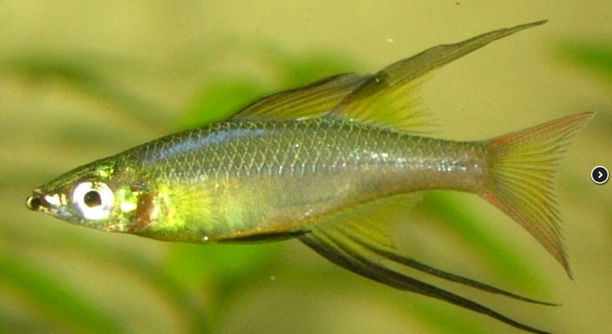
Threadfins are delicate fish that respond strongly to their environment. Their behavior and health can change quickly if they experience too much stimulation from light, movement, or handling in their habitat.
Overstimulation in threadfins can lead to increased stress levels, abnormal swimming patterns, and decreased feeding activity. Prolonged exposure to excessive environmental stimuli may compromise immune function, making them more susceptible to disease and affecting overall growth and wellbeing.
Understanding how overstimulation affects threadfins is essential for maintaining a balanced and healthy aquarium environment for these sensitive fish. Proper care ensures they thrive without unnecessary stress.
Signs of Overstimulation in Threadfins
Threadfins show clear signs when their environment is too stimulating. You might notice erratic swimming, darting across the tank or staying hidden for long periods. They can become unusually aggressive toward tank mates or display repetitive movements that seem purposeless. Their appetite often decreases, and they may ignore feeding times altogether. Over time, these behaviors can indicate serious stress. Physical signs may also appear, including frayed fins, faded coloration, or minor injuries from collisions with tank decorations or glass walls. Environmental factors like bright lighting, loud vibrations, or constant human activity can trigger these responses. Observing these behaviors closely allows you to identify overstimulation early, preventing long-term harm. Maintaining a calm, consistent environment helps threadfins remain healthy and active, supporting both physical and mental wellbeing. Adjusting the tank setup, such as providing hiding spots and reducing sudden changes, can significantly reduce stress levels for these sensitive fish.
Consistent observation is key to recognizing overstimulation and keeping threadfins healthy and comfortable in their habitat.
Monitoring behavior carefully helps address issues quickly, ensuring stress does not escalate and compromise overall health.
How to Reduce Stress in Threadfins
Reducing stress involves controlling environmental factors and maintaining consistent care. Limiting sudden changes in lighting, water flow, and tank activity can significantly improve their comfort.
Creating a calm, stable habitat requires attention to water quality, temperature, and tank layout. Proper filtration and regular cleaning prevent harmful fluctuations in chemical levels that can add stress. Introducing hiding spaces or plants allows threadfins to retreat when they feel overwhelmed. Avoid overhandling and minimize disturbances near the tank. Feeding on a regular schedule with high-quality food supports both nutrition and routine, which helps reduce anxiety. Observing their behavior regularly allows you to identify minor stress signs before they escalate. Some threadfins benefit from subtle environmental enrichment, like gentle water currents or small interactive elements, as long as it does not overwhelm them. Over time, these adjustments foster a balanced, healthy environment that encourages natural behaviors and vibrant health.
Maintaining calm conditions and predictable routines is essential for reducing stress effectively and supporting long-term wellbeing.
Common Environmental Triggers
Bright lighting, strong water currents, and loud vibrations often trigger overstimulation in threadfins. Sudden changes in tank layout or frequent human activity near the tank can also cause stress and erratic behavior.
Threadfins are highly sensitive to their surroundings. Rapid changes in water temperature, flow, or lighting can overwhelm their senses and lead to abnormal swimming patterns. Even minor disturbances, such as rearranging decorations or introducing new tank mates, may provoke stress responses. Over time, constant exposure to these triggers can reduce their appetite and increase vulnerability to disease. Providing a calm, consistent environment is essential for their wellbeing. Monitoring their reactions to changes allows you to adjust conditions before stress becomes severe, helping threadfins maintain normal behavior and health.
Creating a stable environment means paying attention to both physical and sensory factors. Limiting sudden shifts and maintaining predictable routines helps threadfins feel secure, reducing the likelihood of overstimulation and promoting healthy growth over time.
Feeding Challenges During Overstimulation
Threadfins often eat less or refuse food entirely when stressed. Their appetite declines, and they may ignore favorite foods, which can affect growth and overall health.
Stress disrupts normal feeding behaviors, causing threadfins to become picky or eat irregularly. Even high-quality food may go untouched if the tank environment is too stimulating. Overstimulation can also lead to rapid, shallow swimming during feeding times, making it harder for fish to capture food efficiently. Consistent meal schedules and minimal disturbances during feeding are crucial. Providing hiding spots nearby allows shy or stressed individuals to feed without pressure. Adjusting feeding techniques, such as using smaller portions more frequently, can encourage consumption and prevent nutritional deficiencies caused by reduced intake. Observing feeding patterns helps detect early stress signs and adjust care accordingly.
Proper feeding management supports recovery from overstimulation. By reducing environmental stressors and ensuring accessible, consistent meals, threadfins can regain healthy eating habits and maintain strength over time.
Physical Signs of Stress
Faded colors, frayed fins, and small injuries often indicate threadfins are overstimulated. These physical changes can occur quickly when fish experience prolonged stress.
Changes in posture, unusual swimming patterns, and hiding more than usual also signal stress. Early recognition helps prevent further health decline.
Adjusting Tank Conditions
Reducing water flow, lowering light intensity, and minimizing vibrations can help calm overstimulated threadfins. These adjustments create a more stable environment that promotes normal behavior. Consistency in temperature and water quality is equally important. Maintaining predictable conditions allows threadfins to regain confidence and reduces long-term stress effects.
Behavioral Monitoring
Watching daily routines and interactions provides insight into stress levels. Subtle shifts in swimming, feeding, or social behavior can reveal overstimulation early, enabling timely adjustments.
FAQ
What causes overstimulation in threadfins?
Overstimulation occurs when threadfins experience excessive environmental changes. Bright lighting, strong water currents, frequent tank disturbances, or sudden introduction of new tank mates can overwhelm them. Even repeated human activity near the tank may trigger stress. Maintaining consistent conditions helps prevent these issues.
How can I tell if my threadfin is stressed?
Behavioral and physical signs indicate stress. Look for erratic swimming, hiding for long periods, or aggression toward tank mates. Physical changes include faded coloration, frayed fins, and minor injuries. Reduced appetite or refusal to eat is also common. Monitoring their behavior daily is essential.
Does overstimulation affect feeding habits?
Yes. Stressed threadfins often eat less or refuse food entirely. They may ignore favorite foods or struggle to capture food efficiently due to rapid, erratic movements. Offering smaller portions more frequently and providing nearby hiding spots can encourage feeding.
Can environmental adjustments reduce stress?
Adjusting tank conditions helps significantly. Lowering light intensity, reducing water flow, and minimizing vibrations create a calmer environment. Maintaining stable temperature, consistent water quality, and predictable routines further reduce stress. Providing hiding spaces and plants also gives threadfins a sense of security.
How long does it take for threadfins to recover?
Recovery time varies depending on the severity of stress and environmental improvements. Minor overstimulation may resolve in a few days, while prolonged stress can take weeks. Regular observation and maintaining stable conditions speed recovery and support overall health.
Are there long-term effects of overstimulation?
Prolonged overstimulation can weaken the immune system, making threadfins more prone to disease. Chronic stress may also stunt growth, reduce reproductive success, and cause lasting behavioral issues. Early intervention is crucial to prevent these outcomes.
Should I separate stressed threadfins from others?
In some cases, temporarily isolating stressed threadfins can reduce conflicts and allow them to recover in a calm environment. Use a well-maintained quarantine or divider with adequate hiding spots. Ensure water quality remains consistent with the main tank.
Is handling the fish stressful?
Yes, frequent handling or netting can increase stress levels. Avoid unnecessary contact and handle only when essential, such as during tank maintenance or health checks. Gentle, minimal interaction is best.
Can diet help stressed threadfins?
A consistent, nutritious diet supports recovery. Feed high-quality food appropriate for their species and consider smaller, more frequent meals if appetite is low. Monitoring intake ensures they receive necessary nutrients despite reduced feeding.
How often should I check for signs of overstimulation?
Daily observation is ideal. Watch swimming patterns, feeding behavior, and physical appearance. Early detection allows you to make adjustments before stress causes serious health issues, ensuring your threadfins remain healthy and active.
Are some threadfins more sensitive than others?
Yes. Individual temperament and age influence sensitivity. Younger or more timid fish may react more strongly to environmental changes. Recognizing these differences helps tailor care and reduce stress for all tank inhabitants.
What preventive measures can I take?
Maintain stable water conditions, provide hiding spots, minimize sudden disturbances, and observe behavior regularly. Avoid overcrowding and introduce new tank mates gradually. Preventive care ensures threadfins stay healthy and resilient against overstimulation.
Can enrichment help reduce stress?
Controlled enrichment, like gentle water currents or small interactive elements, can promote natural behaviors without causing overstimulation. Ensure enrichment is subtle and does not add excessive visual or physical stress to the tank environment.
Is it normal for threadfins to hide after stress?
Yes, hiding is a natural coping behavior. Providing shelters like plants, rocks, or PVC tubes allows them to feel secure and recover. Over time, as stress decreases, they will resume normal swimming and feeding patterns.
How do I maintain long-term stress-free conditions?
Consistency is key. Maintain stable temperature, water quality, and lighting. Avoid frequent tank rearrangements or disturbances, keep interactions minimal, and observe behaviors regularly. A calm, predictable environment prevents overstimulation and supports long-term health and vitality.
Can overstimulation cause aggression?
Yes. Stressed threadfins may become territorial or aggressive toward tank mates. Reducing environmental stress, providing hiding spots, and ensuring adequate space can minimize conflicts and restore harmony in the tank.
How important is tank size in preventing overstimulation?
Sufficient space is critical. Overcrowding increases competition, stress, and susceptibility to overstimulation. Provide enough room for swimming, hiding, and separation to allow threadfins to feel secure and maintain normal behavior.
Are visual barriers helpful?
Yes. Using plants, decorations, or dividers can reduce exposure to constant motion or visual stress. Barriers provide retreats and help sensitive fish feel safe, reducing overall stress levels in the tank.
When should I consult a specialist?
If stress signs persist despite environmental adjustments, or if physical injuries and disease appear, consulting an aquatic veterinarian or experienced aquarist is recommended. Early professional intervention can prevent long-term health problems and ensure proper care.
Does noise outside the tank matter?
Yes. Loud noises or vibrations from household activity, appliances, or construction can overstimulate threadfins. Placing the tank in a quieter area and minimizing sudden sounds reduces stress and promotes calmer behavior.
Can overstimulation affect reproduction?
Chronic stress may impact breeding behavior and success. Stressed threadfins often display reduced courtship, lower fertility, and less interest in spawning. Maintaining stable, calm conditions encourages normal reproductive behaviors.
What is the best overall strategy for preventing overstimulation?
Consistency, observation, and minimal disturbance are essential. Stable water quality, predictable lighting, gentle interactions, and adequate hiding spaces create an environment where threadfins thrive without unnecessary stress. Regular monitoring ensures early action if signs of overstimulation appear.
How do I balance enrichment without causing stress?
Provide subtle environmental stimuli, like gentle currents or small plants, while avoiding bright lights, rapid movements, or frequent changes. Observing responses ensures enrichment supports natural behavior without overwhelming threadfins.
Can overstimulation affect lifespan?
Prolonged stress can negatively influence overall health, potentially shortening lifespan. Reducing stress, maintaining stable conditions, and providing proper nutrition all contribute to longer, healthier lives for threadfins.
Are water parameters critical in preventing overstimulation?
Yes. Stable pH, temperature, and chemical balance reduce stress. Fluctuations in ammonia, nitrite, or nitrate levels can trigger overstimulation and weaken the immune system, making threadfins more vulnerable to disease.
How do I know when a threadfin has fully recovered?
Recovery is indicated by normal swimming, consistent feeding, bright coloration, and reduced hiding. Regular observation confirms stability and helps ensure they remain healthy after a stressful period.
What common mistakes increase overstimulation risk?
Frequent tank rearrangements, overhandling, inconsistent feeding, loud vibrations, bright lighting, overcrowding, and ignoring behavioral signs all contribute. Avoiding these mistakes helps maintain calm conditions and protects threadfin wellbeing.
Can other fish in the tank affect stress levels?
Yes. Aggressive or overly active tank mates may exacerbate stress. Providing sufficient space, hiding spots, and compatible species reduces conflict and prevents additional stimulation for sensitive threadfins.
Is it normal for stressed threadfins to act differently at night?
Yes. Nighttime behavior may include hiding more or reduced activity. Stress responses often persist, so providing shelters and a quiet environment overnight helps recovery.
How frequently should I test water parameters?
Regular testing, at least weekly, ensures ammonia, nitrite, nitrate, and pH remain stable. Consistent monitoring prevents conditions that can trigger overstimulation and supports overall health.
Are artificial lights better than natural light for sensitive threadfins?
Controlled artificial lighting is often better. It allows consistent light cycles and prevents sudden brightness changes that can overstimulate fish. Gradual adjustments to lighting levels help maintain a calm environment.
Can stress be contagious among fish?
Yes. Stress can spread through visual and chemical cues. Observing tank dynamics and separating overly stressed or aggressive fish may be necessary to protect all inhabitants.
What role does tank maintenance play in preventing overstimulation?
Consistent, careful maintenance keeps water quality stable and reduces environmental stress. Avoid sudden large changes during cleaning, and maintain a routine that minimizes disruption to threadfins.
How important is hiding space compared to open swimming areas?
Both are essential. Hiding spaces provide security and reduce stress, while open areas allow normal swimming and activity. Balancing these elements promotes comfort and natural behavior.
Do juvenile threadfins react differently than adults?
Yes. Younger fish are often more sensitive to changes and disturbances. Extra care in maintaining stable conditions is necessary to prevent overstimulation during early development.
Can stress affect coloration permanently?
Prolonged stress may cause lasting dulling of colors. Recovery is possible with consistent care, but chronic stress can have long-term effects on appearance and overall vitality.
What are early warning signs I should never ignore?
Erratic swimming, prolonged hiding, loss of appetite, frayed fins, faded coloration, and unusual aggression are key signs. Prompt attention prevents escalation and supports recovery.
How can I track progress effectively?
Keep a log of behavior, feeding, and physical changes. Recording observations allows you to see patterns, identify triggers, and measure improvement after adjustments to care or environment.
Can small tank adjustments make a big difference?
Yes. Even minor changes, like repositioning decorations, adjusting light intensity, or adding a single hiding spot, can significantly reduce stress and improve overall wellbeing for threadfins.
Is it better to address stress immediately or wait?
Immediate action is best. Early intervention prevents worsening symptoms, supports recovery, and reduces the likelihood of long-term health effects. Observing and responding quickly keeps threadfins healthy and active.
How often should I rotate hiding spots or decorations?
Minimal rotation is ideal. Frequent changes may overstimulate threadfins. Rotate only when necessary, and do so gradually to maintain a stable environment.
Are there signs of recovery I can monitor daily?
Yes. Normal swimming, regular feeding, bright coloration, and reduced hiding indicate recovery. Daily observation confirms progress and helps maintain a stress-free environment.
Do seasonal changes affect overstimulation?
Seasonal shifts in temperature, light, and activity may influence stress levels. Maintaining consistent tank conditions despite external changes helps threadfins stay calm year-round.
How do I balance visual stimulation with calm conditions?
Provide subtle plants, rocks, or gentle currents without sudden movement or excessive brightness. Observing responses ensures a comfortable environment without overwhelming the fish.
Is it necessary to consult professionals regularly?
Not for minor issues, but if stress persists or health declines, consulting an aquatic veterinarian or experienced aquarist ensures proper intervention and prevents long-term problems.
Can stress affect multiple generations in breeding tanks?
Yes. Chronic stress in parent fish can reduce fertility, spawning success, and overall offspring vitality. Maintaining calm, stable conditions is critical for healthy reproduction.
How do I ensure long-term mental stimulation without stress?
Introduce gentle, predictable enrichment like subtle water currents or small visual elements. Avoid sudden changes, bright lights, or aggressive tank mates to maintain a balanced environment.
Does water movement play a big role in overstimulation?
Yes. Strong or erratic currents can overwhelm threadfins. Gentle, consistent flow supports swimming without adding stress. Adjust pumps or filters carefully.
How do I prioritize interventions if multiple stressors exist?
Address the most disruptive factors first, such as overcrowding, water quality issues, or aggressive tank mates. Gradually resolve minor stressors afterward. Systematic adjustments improve overall wellbeing.
Are there behavioral therapies for fish?
Behavioral therapy is limited, but environmental management acts similarly. Controlled exposure to gentle enrichment, consistent routines, and calm surroundings promotes natural behaviors and reduces stress.
Can threadfins adapt to occasional disturbances?
Yes, occasional minor disturbances are tolerated if baseline conditions remain stable. Consistency in routine and environment prevents cumulative stress.
Is tank location important for preventing overstimulation?
Yes. Placing the tank in a quiet, low-traffic area reduces sudden disturbances and noise, helping threadfins maintain calm and normal behavior.
How do I balance social interaction with calm conditions?
Provide compatible tank mates and adequate space. Avoid overcrowding or aggressive fish to maintain social harmony without causing stress.
Can stress affect immunity immediately?
Yes. Even short-term stress can lower immune response, making threadfins more susceptible to infections. Prompt intervention and stable conditions help mitigate these effects.
How do I maintain clean water without stressing fish?
Perform partial water changes gradually and consistently. Avoid sudden large changes, and maintain temperature and chemical balance to prevent additional stress during maintenance.
Are all signs of overstimulation reversible?
Most signs, like behavior changes and reduced feeding, are reversible with proper care. Chronic physical damage or disease may have longer-term effects, requiring additional intervention.
Can overcrowding worsen overstimulation?
Yes. Too many fish increase competition, aggression, and sensory overload. Ensuring adequate space reduces stress and supports healthier interactions.
Is lighting intensity critical for threadfin comfort?
Yes. Bright or fluctuating light can overstimulate threadfins. Gradual, consistent lighting helps maintain calm and supports normal behavior.
How do I know if interventions are working?
Improved feeding, brighter coloration, normal swimming, and reduced hiding indicate successful intervention. Tracking changes ensures effective stress management.
What is the single most important factor in preventing overstimulation?
Consistency in environment, routine, and observation is crucial. Stable conditions, minimal disturbances, and attentive care support long-term threadfin health and reduce stress.
How do I manage multiple stress factors simultaneously?
Prioritize urgent issues like water quality and aggression. Make gradual adjustments to lighting, flow, and enrichment while monitoring behavior. Systematic care reduces overall stress and improves wellbeing.
Can stress cause long-term behavioral changes?
Chronic overstimulation may result in persistent hiding, aggression, or feeding issues. Early intervention minimizes these risks and restores normal behavior.
How do I identify subtle stress signs?
Look for minor changes in swimming patterns, slight color fading, or temporary hiding. Daily observation is essential to catch early indicators before they escalate.
Is routine observation enough to prevent overstimulation?
Observation alone is not enough; it must be paired with consistent environmental management, proper nutrition, and attention to water quality to effectively prevent stress.
How often should I adjust tank enrichment?
Adjust slowly and minimally. Frequent or drastic changes can increase stress rather than provide beneficial stimulation. Gradual, controlled enrichment is safest.
Do temperature fluctuations cause stress?
Yes. Sudden changes in temperature disrupt metabolism and behavior, leading to overstimulation. Maintaining stable temperature is essential for comfort and health.
Can stress affect longevity?
Chronic stress weakens immunity and overall health, potentially shortening lifespan. Preventing overstimulation is crucial for long-term vitality.
What is the role of hiding spots in recovery?
Hiding spots allow threadfins to retreat, reduce exposure to stressors, and regain confidence. They are essential for recovery and maintaining normal behavior.
Are some species more prone to overstimulation than others?
Yes. Species with higher sensitivity or timid nature respond more strongly to environmental changes. Recognizing species-specific needs ensures proper care and reduces stress.
Can visual disturbances from outside the tank affect threadfins?
Yes. Rapid movements or reflections near the tank can trigger stress. Minimizing external visual distractions helps maintain a calm environment.
Is water chemistry more important than habitat layout?
Both are important. Stable water chemistry prevents physiological stress, while a suitable habitat provides security and reduces behavioral stress. Balancing both factors ensures overall wellbeing.
How do I prioritize improvements if my tank has multiple stressors?
Address life-threatening or immediate health risks first, such as poor water quality. Gradually optimize habitat layout, enrichment, and social conditions afterward for balanced care.
Are there signs of irreversible stress damage?
Severe fin damage, chronic illness, or stunted growth may indicate long-term consequences. Early detection and consistent care reduce the likelihood of irreversible effects.
Can noise from equipment cause stress?
Yes. Filters, pumps, or air stones with strong vibrations can overstimulate. Adjusting equipment placement or using quieter alternatives reduces stress effectively.
Do stressed threadfins interact differently with tank mates?
Yes. They may avoid social interaction, become aggressive, or display dominance. Providing space, hiding spots, and compatible companions helps maintain social balance.
Is it better to make one change at a time?
Yes. Gradual, single adjustments allow observation of effects, preventing unintended stress from multiple simultaneous changes.
Can enrichment backfire if overdone?
Yes. Excessive visual or physical stimuli can overwhelm threadfins. Controlled, subtle enrichment promotes natural behavior without causing overstimulation.
How can I track subtle improvements?
Record daily behavior, feeding, and coloration. Comparing logs over time reveals progress and ensures interventions are effective.
Are there specific times of day threadfins are more sensitive?
Yes. Morning or sudden light changes can trigger heightened sensitivity. Maintaining gradual transitions and consistent light cycles helps reduce stress.
Can stress trigger disease outbreaks?
Yes. Weakened immunity from stress increases susceptibility to bacterial, fungal, or parasitic infections. Preventing overstimulation supports overall health and disease resistance.
How do I know when to stop interventions?
When threadfins show normal behavior, regular feeding, bright coloration, and reduced hiding consistently, interventions can be reduced while maintaining stable conditions.
Can tank mates help reduce stress?
Compatible, calm species can provide social stability. Avoid aggressive or highly active fish to prevent added stress.
Is quarantine necessary for stressed fish?
Temporary isolation may help recovery, especially for severely stressed individuals or those at risk of injury. Ensure stable water conditions in quarantine.
How do I balance observation with minimal disturbance?
Watch quietly from a distance, avoid tapping or sudden movements, and keep monitoring subtle to prevent adding stress while tracking behavior.
Can enrichment be seasonal?
Yes, but it must remain subtle and predictable. Seasonal changes in light or decorations should not overwhelm threadfins.
Does overcrowding affect stress recovery?
Yes. Too many fish increase competition and aggression, delaying recovery. Providing sufficient space supports healing and normal behavior.
How important is diet variety in stressed threadfins?
High-quality, appropriate food supports health. Limited variety is acceptable during recovery if it ensures consistent intake, but nutritional adequacy is critical.
Can stress affect long-term reproduction?
Chronic stress may reduce fertility, courtship, and spawning success. Stable, calm conditions encourage normal reproductive behavior and healthier offspring.
Are there visual cues that indicate recovery?
Brighter coloration, active swimming, reduced hiding, and consistent feeding indicate progress. Tracking these cues helps gauge success of interventions.
Is water clarity related to stress?
Yes. Cloudy
Threadfins are sensitive fish that react strongly to their environment. Overstimulation can occur from changes in lighting, water flow, tank activity, or interactions with other fish. When these fish are exposed to constant or sudden stimuli, their behavior, feeding habits, and physical health can be affected. It is important to observe their reactions carefully to recognize signs of stress early. Erratic swimming, hiding, loss of appetite, and faded coloration are all indicators that the fish may be overwhelmed. By paying close attention to their behavior and physical condition, you can prevent minor issues from becoming serious health problems.
Creating a stable environment is essential for reducing overstimulation. Maintaining consistent water temperature, proper filtration, and predictable lighting cycles helps threadfins feel secure. Providing hiding spots, plants, or decorations allows them to retreat when they feel stressed. Limiting sudden changes in tank layout and minimizing disturbances near the aquarium are also effective strategies. Additionally, monitoring their feeding behavior and offering high-quality food in small, manageable portions supports their nutritional needs while reducing anxiety. Gentle enrichment, such as subtle water currents or minor visual elements, can encourage natural behavior without causing stress. By combining these methods, threadfins are more likely to maintain normal activity patterns and overall health.
Long-term care and attention are crucial for the wellbeing of threadfins. Consistent observation, gradual environmental adjustments, and proper nutrition all contribute to a calm and balanced habitat. Avoiding overcrowding and choosing compatible tank mates helps reduce competition and aggression. Recognizing individual differences in temperament and sensitivity allows for tailored care, ensuring that more timid or young fish are not overlooked. With patience and careful management, overstimulation can be prevented, and any stress that occurs can be effectively addressed. Supporting a stable, comfortable environment promotes vibrant coloration, healthy growth, and natural behaviors, helping threadfins thrive over the long term.

Hello,
If you enjoy the content that we create, please consider saying a "Thank You!" by leaving a tip.
Every little bit helps us continue crafting quality advice that supports the health, happiness, and well-being of pets around the world, for pets of all shapes, sizes, and species.
We really appreciate the kindness and support that you show us!