
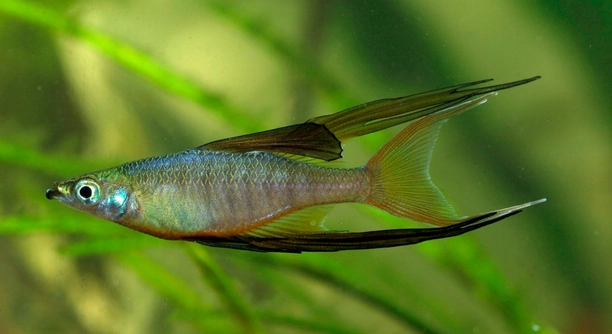
Have you ever noticed your Threadfin Rainbowfish spending more time alone, swimming quietly, and not showing the same lively behavior it once did?
Threadfin Rainbowfish can experience loneliness due to their social nature and preference for groups. Isolation often leads to stress, reduced activity, and weaker health. Preventing loneliness requires maintaining proper group sizes and providing an enriched, stable environment.
Learning the reasons behind their loneliness will help you create a healthier aquarium setting where your Threadfin Rainbowfish thrives in harmony.
1. Threadfin Rainbowfish Are Naturally Social
Threadfin Rainbowfish thrive in groups because they are naturally social. In the wild, they live among many others, forming schools for both safety and comfort. When kept alone in an aquarium, this instinct remains, leaving them vulnerable to stress. Without companions to interact with, their active personalities may fade. You might notice changes in swimming patterns, a lack of appetite, or general sluggishness. These behaviors are linked to feelings of isolation. By keeping them in small groups of their own kind, you mimic their natural environment. This not only improves their activity but also strengthens their overall health.
Loneliness in Threadfin Rainbowfish is not simply about being without company. It affects their daily behavior and long-term wellbeing, making group living essential.
Providing companionship by housing them with at least six of their kind creates a stable, stimulating environment where they feel secure, active, and healthy.
2. Lack of Stimulation in the Tank
When an aquarium lacks stimulation, Threadfin Rainbowfish may grow restless and withdrawn. Their curious and active nature requires an environment that engages them beyond simple swimming.
An under-decorated tank without plants, hiding spaces, or open areas leaves them with little to explore. This lack of activity can make their environment feel dull, leading to stress and visible signs of loneliness. Threadfin Rainbowfish thrive when their surroundings encourage natural behavior. Live or artificial plants, driftwood, and carefully placed decorations provide both hiding spaces and playful swimming areas. Adding variety in the tank design keeps them stimulated and more social with each other. Movement in the water, such as a gentle current, can also mimic their natural habitats. This creates a sense of familiarity and comfort. When you provide enough stimulation, their natural colors appear brighter, their activity levels increase, and they become less prone to isolation-related stress.
3. Stress From Being Kept Alone
A single Threadfin Rainbowfish often becomes stressed because it is deprived of its natural schooling behavior. Stress weakens immunity, making them more vulnerable to illness while also reducing their appetite and overall activity.
Stress also affects their social responses, often making them less interactive and more withdrawn. A rainbowfish alone will not display its full range of colors or behaviors. This lack of vibrancy reflects not only emotional strain but also underlying health struggles. Providing companions helps reduce this stress, keeping them energetic and vibrant in daily interactions.
Isolation may also lead to erratic swimming or long periods of inactivity. These are clear signs the fish is struggling. Keeping them in a proper group supports natural interaction, allowing them to swim together, explore the tank confidently, and maintain a healthier balance. Companionship provides them with stability, preventing the negative effects that arise when they are kept alone.
4. Reduced Display of Natural Behaviors
Threadfin Rainbowfish show their best colors and energy when living in groups. Without companions, they lack the motivation to display their natural beauty and engaging swimming patterns.
When they are isolated, their swimming becomes slower and less interactive. They may spend more time hiding or moving aimlessly without purpose. This change is more than just shyness; it indicates their natural instincts are being suppressed. Keeping them with others encourages active group swimming, colorful displays, and playful chasing. These are important signs of a thriving rainbowfish.
In a group, Threadfin Rainbowfish create a lively, dynamic environment. They display their fins more fully, flash their colors, and engage in synchronized movements that show their natural beauty. These displays are a healthy outlet for their social instincts and allow them to interact meaningfully with their surroundings. Without a group, their world becomes smaller, and these natural behaviors disappear.
5. Lack of Security in Solitude
Without companions, Threadfin Rainbowfish feel more exposed and unsafe. In groups, they rely on each other for comfort, mimicking their natural schooling defense in the wild, which helps them feel protected against threats.
This sense of security allows them to explore freely and remain active. When alone, they may hide more often or become timid. Providing a proper group helps them gain confidence and reduces behaviors linked to insecurity and fear.
6. Weaker Health Over Time
Loneliness in Threadfin Rainbowfish gradually affects their physical health. Stress weakens the immune system, leaving them prone to infections and shorter lifespans. Group living encourages movement, reduces stress, and supports stronger immunity. Healthier rainbowfish are more resilient, energetic, and visibly brighter in color.
7. Missed Social Interaction
Social interaction keeps Threadfin Rainbowfish lively and balanced. When kept alone, they miss opportunities to communicate and bond through schooling behaviors.
These small but important interactions ensure mental stimulation and emotional balance, which cannot be achieved when the fish lives in complete isolation.
FAQ
How many Threadfin Rainbowfish should be kept together?
Threadfin Rainbowfish thrive best in groups of at least six. They are shoaling fish that depend on companionship for both comfort and stimulation. Keeping them in smaller numbers or alone can create unnecessary stress, reducing their activity, appetite, and overall wellbeing. Larger groups not only mimic their natural environment but also allow them to display vibrant colors and synchronized swimming behaviors. A group setting ensures they remain confident, active, and healthy, creating a more dynamic aquarium environment.
Can a Threadfin Rainbowfish live alone?
A Threadfin Rainbowfish can physically survive alone, but it will not thrive. These fish are highly social, and living in isolation creates stress, weakens immunity, and suppresses their natural behaviors. They may become timid, hide more often, or show duller colors without the presence of companions. Over time, loneliness can lead to poor health outcomes, making solitude unsuitable for long-term care. For their wellbeing, it is always recommended to keep them with others of their kind, where they feel safe and socially fulfilled.
What signs show that a Threadfin Rainbowfish is lonely?
Lonely Threadfin Rainbowfish often become less active, spending more time hiding or swimming aimlessly without purpose. A decrease in appetite, faded coloration, and reduced interaction are common indicators. You might also notice unusual swimming patterns, like sudden bursts of speed followed by long periods of stillness. These changes are clear signals of stress caused by isolation. When housed in groups, these behaviors typically disappear, and their natural vibrancy returns. Recognizing these signs early helps you provide the proper environment and prevent long-term health issues associated with loneliness.
Do Threadfin Rainbowfish get along with other species?
Yes, Threadfin Rainbowfish are peaceful and can coexist with other gentle species. They do well with small, non-aggressive fish that will not nip at their delicate fins. Suitable companions include other rainbowfish varieties, rasboras, small tetras, and peaceful bottom dwellers. Avoid housing them with larger or aggressive species, as this can create unnecessary stress. While they can live with other fish, they still need a group of their own kind. Their strongest social interactions happen within their species, where schooling behavior and natural displays are most prominent.
What happens if loneliness is not addressed?
Ignoring loneliness in Threadfin Rainbowfish can lead to long-term health problems. Stress from isolation gradually weakens their immune system, leaving them more vulnerable to illness. Their natural behaviors fade, making them less vibrant and more withdrawn. Appetite loss and sluggish movement often follow, which further reduces their energy. Over time, these issues shorten their lifespan and lower their overall quality of life. Addressing loneliness early by keeping them in proper groups prevents these outcomes and ensures a healthier, more active fish.
How can I enrich the tank to prevent loneliness?
Enrichment is key to keeping Threadfin Rainbowfish engaged and less prone to stress. A well-decorated tank with live or artificial plants, driftwood, and rocks provides both hiding spaces and exploration areas. Open swimming zones are equally important to allow schooling behaviors. A gentle current adds stimulation and mimics natural waters. Including peaceful tankmates also encourages activity and reduces boredom. When paired with a proper group of their kind, these environmental enhancements help reduce loneliness and support healthy, social behavior. A balanced, enriched environment keeps them both physically and emotionally healthy.
Is it possible to reintroduce a lonely Threadfin Rainbowfish into a group?
Yes, a lonely Threadfin Rainbowfish can usually be reintroduced into a group. However, it is important to ensure the new fish are of a similar size and temperament. Introducing them slowly helps reduce stress and allows for smoother adjustment. Adding multiple rainbowfish at once is often more effective, as it prevents the existing group from targeting a single newcomer. Over time, the isolated fish will regain confidence, display brighter colors, and participate in natural group behaviors again. Careful reintroduction strengthens their health and brings back their lively personality.
Final Thoughts
Threadfin Rainbowfish are small but sensitive creatures that depend on companionship to stay healthy. They are naturally social and thrive best in groups, where they can interact, display their bright colors, and swim actively. When left alone, they lose this balance, showing signs of stress, loneliness, and even weaker health. Their natural instincts push them to school with others, and ignoring this need can shorten their lifespan. By keeping them in groups of at least six and providing an enriched tank, you help them feel secure, active, and more vibrant. Their wellbeing depends not only on water quality and diet but also on the company they keep.
Preventing loneliness in Threadfin Rainbowfish is not difficult, but it does require consistent care. They need both social interaction and environmental stimulation. A tank filled with plants, hiding spots, and open areas encourages exploration while reducing stress. A gentle current adds comfort, mimicking their natural waters. Companionship among their own kind remains the most important factor, but peaceful tankmates can also make the environment more lively. Keeping them in groups ensures that they engage in schooling behavior, display brighter colors, and show their most natural patterns. These details may seem small, but they make a lasting difference in their quality of life.
Caring for Threadfin Rainbowfish means recognizing that their emotional needs are as important as their physical needs. Loneliness has visible effects on their health, behavior, and lifespan. Addressing this early keeps them from experiencing stress-related problems and ensures they thrive in your care. Whether you are a beginner or more experienced in keeping fish, understanding the importance of group living is key. By providing them with proper companionship and a stimulating tank, you create a safe environment where they can grow and flourish. Their lively movements and vibrant colors are rewarding signs of good care, reflecting the balance and security they feel. Ensuring that your Threadfin Rainbowfish never feels lonely will give you the chance to enjoy them at their very best.

Hello,
If you enjoy the content that we create, please consider saying a "Thank You!" by leaving a tip.
Every little bit helps us continue crafting quality advice that supports the health, happiness, and well-being of pets around the world, for pets of all shapes, sizes, and species.
We really appreciate the kindness and support that you show us!