
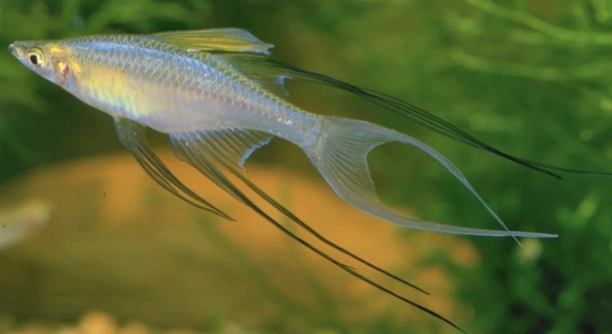
Do you ever notice your threadfin swimming in circles or struggling near the surface while the current pushes harder than usual? Observing subtle changes in their behavior can help you understand how they cope with flowing water.
Threadfins often display physical and behavioral signs when they are struggling with the current. Reduced swimming efficiency, fin clamping, unusual positioning, or difficulty maintaining depth are clear indicators of stress caused by strong water movement.
Recognizing these signs early allows you to make adjustments in their environment to support their well-being and ensure they remain healthy in their aquatic habitat.
Reduced Swimming Efficiency
When a threadfin struggles with the current, one of the first things you might notice is its swimming. Normally graceful and smooth, it may start making short, jerky movements or appear exhausted after only a few strokes. Even during calm periods, it may hesitate or pause frequently, unable to maintain a steady pace. This is often a sign that the fish is expending more energy than usual just to stay in place. Over time, this strain can affect feeding habits and overall health. You might also see it hugging the bottom of the tank or pool, using surfaces to rest. Monitoring these changes is essential because prolonged difficulty can lead to weakened muscles and slower responses to environmental changes. Adjusting water flow or providing sheltered areas can help relieve stress and allow the threadfin to regain normal swimming patterns more comfortably.
Reduced swimming efficiency in threadfins signals that strong currents are impacting their energy levels and physical well-being.
Even minor reductions in swimming ability can indicate stress. By observing their movements closely, you can act before serious problems develop.
Clamped Fins
Clamped fins are a visible sign that your threadfin is uncomfortable or stressed by strong currents. Fins that stay close to the body instead of spreading naturally indicate tension or fatigue.
Threadfins rely on their fins for balance and navigation, so when currents force them to close their fins, they struggle to maneuver efficiently. This behavior often accompanies reduced swimming efficiency, but it’s easier to spot during feeding or while they rest near the tank bottom. Clamped fins can also make them more vulnerable to injuries, as they lose the stability needed to avoid obstacles or other fish. Over time, prolonged fin clamping may lead to fin damage or infections, especially if water quality is not optimal. Creating calmer zones with plants, rocks, or flow deflectors helps threadfins feel secure and encourages them to use their fins normally. Monitoring fin posture daily ensures early detection and prevents long-term health effects caused by persistent stress.
Erratic Positioning
Threadfins struggling with the current often shift their position unpredictably. They may tilt to one side, drift backward, or hover at unusual angles.
Erratic positioning usually occurs when the fish cannot control its movements against the water flow. It may struggle to stay upright or maintain depth, often drifting toward the tank walls or floor. This behavior can indicate fatigue or disorientation caused by prolonged exposure to strong currents. Over time, consistent difficulty maintaining position can lead to stress-related issues, including weakened immune responses and reduced feeding efficiency. Adjusting water flow and providing sheltered areas can help stabilize their positioning and reduce strain.
When threadfins consistently hover awkwardly or change angles suddenly, it is a clear signal that their environment is challenging. Even short periods of disorientation can affect health and activity levels, so monitoring this behavior is important for maintaining a balanced aquatic habitat.
Reduced Appetite
Threadfins exposed to strong currents may show a noticeable decline in eating habits.
A reduced appetite often occurs because the fish is expending energy just to stay in place. Instead of focusing on feeding, it prioritizes maintaining stability against the current. This can lead to slower growth, weight loss, and weaker immune systems over time. Environmental adjustments, such as lowering water flow or providing sheltered feeding spots, can help restore normal eating behavior. Consistently monitoring food intake ensures the fish remains healthy and receives sufficient nutrition despite challenging conditions.
When threadfins are under stress from strong currents, they may avoid food entirely, leaving pellets untouched. Over time, this can affect overall vitality and make them more vulnerable to disease. Regularly observing their behavior while feeding allows you to notice changes early. Providing calmer areas or directing food toward protected zones encourages eating and helps the fish regain strength. Supporting a balanced diet in a controlled environment ensures long-term health and reduces the impact of environmental stress.
Gasping at the Surface
Threadfins struggling with the current may frequently rise to the surface and gasp for air. This behavior often signals that they are under stress and having difficulty maintaining oxygen intake.
Gasping at the surface can result from exhaustion caused by constant swimming against strong water flow. It indicates that the fish is overexerting itself to stay in place. Monitoring water quality and adjusting flow can help reduce this behavior and protect the fish’s overall health.
Lethargy
Threadfins exposed to strong currents can appear unusually inactive, spending long periods resting near the bottom or hiding.
Lethargy is often a direct result of fatigue from swimming constantly against the flow. This inactivity can affect feeding habits, growth, and immune response. Creating calmer areas in the habitat allows the fish to recover energy and maintain normal behavior, reducing long-term stress.
Clinging to Surfaces
Threadfins may cling to rocks, plants, or tank walls when currents are too strong.
This behavior helps them conserve energy and maintain stability. Frequent clinging is a reliable sign that the current may be too strong for the fish to swim comfortably.
FAQ
How can I tell if my threadfin is stressed by the current?
A stressed threadfin shows several clear behaviors. Reduced swimming efficiency, clamped fins, erratic positioning, gasping at the surface, and lethargy are all strong indicators. Watching for changes in appetite and unusual hiding patterns can also help. Observing your fish daily makes it easier to spot stress before it becomes severe.
What should I do if my threadfin is struggling in the current?
The first step is to reduce water flow or provide sheltered zones where the fish can rest. Adding rocks, plants, or other structures allows them to stabilize. Ensuring proper oxygenation and maintaining high water quality will also help them recover. Avoid sudden changes, as threadfins need time to adjust to new conditions.
Can strong currents cause long-term health problems?
Yes, prolonged exposure to strong currents can affect a threadfin’s growth, immune system, and overall energy levels. Constant struggle increases fatigue and stress, which may lead to slower feeding, weight loss, and vulnerability to disease. Creating a stable environment is essential for long-term health.
Why is my threadfin gasping at the surface?
Gasping at the surface usually indicates exhaustion from swimming against the current or insufficient oxygen in the water. Check water quality, flow strength, and oxygen levels. Providing calmer zones and ensuring proper aeration can reduce this behavior and prevent further stress.
Is it normal for threadfins to cling to surfaces?
Clinging occasionally is natural, especially when currents are strong. However, frequent clinging signals that the water flow is too intense. Providing protective structures allows the fish to rest, regain energy, and reduce stress without interfering with their natural swimming behavior.
How do I encourage my threadfin to eat if it’s stressed?
Offer food in calmer areas of the tank to reduce effort while feeding. Hand-feeding or directing pellets toward sheltered spots helps the fish focus on eating rather than battling currents. Maintaining a consistent feeding schedule also encourages normal appetite and reduces stress over time.
Can adjusting the tank setup improve swimming comfort?
Absolutely. Introducing plants, rocks, or flow deflectors creates zones of slower water, allowing threadfins to rest and navigate more efficiently. Proper tank design balances current strength with open swimming areas, helping the fish maintain health and reduce fatigue.
How often should I monitor my threadfin for stress?
Daily observation is best. Look for changes in swimming, fin posture, appetite, or hiding behavior. Early detection of stress ensures that adjustments can be made quickly, preventing long-term damage or illness caused by strong currents.
Are there signs of recovery I should look for?
Yes. Increased swimming efficiency, normal fin spreading, reduced clinging, active feeding, and regular positioning indicate that the threadfin is adapting well. Gradual improvements in energy levels and response to its environment show that adjustments to water flow or habitat are working.
Can multiple threadfins be stressed at the same time?
Yes, especially if the current is uniformly strong throughout the tank. Observing all fish individually helps identify which ones are struggling. Providing multiple resting zones or uneven water flow allows each fish to manage energy and reduces collective stress effectively.
What if my threadfin shows no signs of stress but the current is strong?
Some threadfins tolerate stronger currents better than others. Monitor them closely for subtle signs like slight changes in swimming pattern or appetite. Even if they appear healthy, providing occasional sheltered areas ensures they have options to rest if needed.
How long does it take for a threadfin to recover from current stress?
Recovery depends on the severity and duration of the stress. Minor struggles may improve within a few days after adjustments. Severe or prolonged stress can take weeks to fully recover, requiring consistent care, proper flow management, and high-quality nutrition.
Threadfins are sensitive fish that respond strongly to their environment, especially water currents. Even moderate currents can affect their behavior, energy levels, and overall well-being. Watching your threadfin closely can reveal early signs of stress, such as reduced swimming efficiency, clamped fins, or erratic positioning. These behaviors are not always obvious at first, but paying attention to small changes helps prevent long-term health issues. Regular observation allows you to make timely adjustments, ensuring your fish remain healthy and active. Simple actions, like adjusting water flow or adding sheltered areas, can make a significant difference in their comfort.
Creating a balanced environment is essential for maintaining a threadfin’s health. Water flow should be strong enough to allow natural movement but not so forceful that it exhausts the fish. Adding structures like plants, rocks, or gentle flow deflectors gives the threadfin places to rest and regain energy. Proper feeding techniques also help, as stressed fish may avoid food or eat less. Providing calmer feeding zones encourages them to eat properly, which supports growth and immunity. Maintaining water quality, including temperature, oxygen levels, and cleanliness, further reduces stress. A well-planned tank setup ensures the fish can navigate comfortably, rest when needed, and maintain normal behaviors even in flowing water.
It is important to understand that threadfins recover gradually when environmental stressors are addressed. Immediate improvement may not always be visible, but consistent care leads to positive changes over time. Monitoring for signs of recovery, like increased swimming efficiency, normal fin posture, and regular feeding, helps gauge progress. If multiple threadfins share the same tank, observing each individually ensures no fish is struggling unnoticed. Overall, creating a supportive habitat, observing behavior closely, and making small adjustments when needed are key to keeping threadfins healthy and thriving. By focusing on these simple but effective strategies, you can provide a safe and comfortable environment for your fish, helping them live longer, healthier lives in their aquatic home.

Hello,
If you enjoy the content that we create, please consider saying a "Thank You!" by leaving a tip.
Every little bit helps us continue crafting quality advice that supports the health, happiness, and well-being of pets around the world, for pets of all shapes, sizes, and species.
We really appreciate the kindness and support that you show us!