
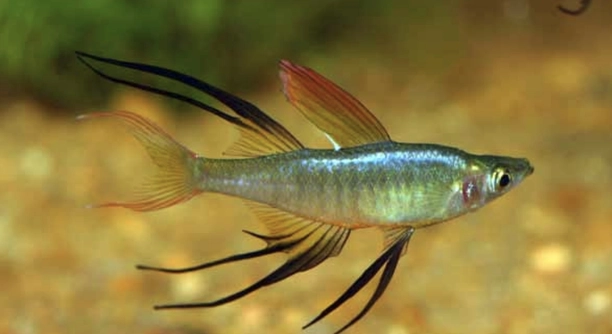
Your tank can be a vibrant home, but introducing new fish too early can cause stress or illness. Ensuring the right conditions for Threadfin Rainbowfish is essential for a healthy, harmonious aquatic environment in your care.
A tank is ready for new Threadfin Rainbowfish when water parameters are stable, the environment is cycled, and compatible tank mates are present. Proper filtration, consistent temperature, and sufficient space are critical to support their health and natural behaviors.
Knowing these signs can help you avoid common mistakes and make thoughtful choices for your fish’s long-term well-being.
Stable Water Parameters
Threadfin Rainbowfish thrive in water that is consistent and well-balanced. Before adding new fish, it’s essential to test for ammonia, nitrites, nitrates, and pH levels. Sudden changes can stress fish, making them prone to illness. Regular testing helps identify fluctuations early. Temperature should be steady, ideally between 74°F and 78°F, as these fish are sensitive to sudden shifts. A fully cycled tank ensures beneficial bacteria are established, breaking down waste efficiently. Clear water with minimal debris indicates a healthy filtration system. Observing the fish already in the tank can also give clues; if they appear active and show normal feeding behavior, it’s a positive sign. Providing hiding spaces and plants creates a comfortable environment, reducing stress. Maintaining stable water conditions is the foundation for introducing any new species safely. A consistent environment promotes growth, coloration, and overall vitality in Threadfin Rainbowfish.
Water stability is critical for Threadfin Rainbowfish, as fluctuations can lead to stress or disease. Keeping parameters steady ensures their health and comfort.
A tank with balanced water encourages fish to explore, feed, and interact naturally. Clear, stable water means less risk of disease, giving your Rainbowfish the best chance to thrive from the moment they arrive.
Sufficient Space and Tank Setup
Threadfin Rainbowfish need room to swim freely. Overcrowded tanks can cause stress, aggression, and stunted growth. Their elongated bodies require horizontal space, so ensure the tank is wide rather than just tall. Providing plants, open swimming areas, and hiding spots allows them to feel secure while maintaining natural behavior. Decorations should be arranged to prevent territorial disputes but still offer visual interest. Observing current tank occupants’ activity can help determine if the space is sufficient. Proper lighting and gentle filtration contribute to a comfortable environment. A well-prepared setup reduces stress and supports healthy growth, making the introduction of new Rainbowfish smoother and safer for all species involved.
Maintaining enough space and thoughtful decoration promotes natural behavior and reduces aggression, allowing Threadfin Rainbowfish to thrive alongside existing tank mates.
Adding Rainbowfish to an adequately sized tank is more than just a numbers game. The swimming patterns, feeding habits, and social interactions of your current fish reflect whether the environment can handle newcomers. A tank with multiple hiding spots helps shy individuals integrate without confrontation. Plants, rocks, and driftwood can create a sense of territory while maintaining open swimming lanes. By prioritizing space and layout, you minimize conflicts and encourage healthy activity, making your aquarium visually appealing and biologically balanced. Observing fish daily can help you adjust the setup before introducing new Threadfin Rainbowfish. Proper preparation ensures a harmonious and thriving community that supports growth and reduces stress over time.
Compatible Tank Mates
Threadfin Rainbowfish do best with peaceful species. Aggressive or overly territorial fish can stress them and inhibit their natural behavior. Choosing calm, similarly sized fish reduces conflicts and creates a stable social environment. Community fish that share similar water requirements work well.
Pairing Threadfin Rainbowfish with tetras, danios, or small gouramis ensures a harmonious tank. Aggressive species, like large cichlids, should be avoided, as confrontations can cause injury or prolonged stress. Observing current tank inhabitants is important; signs of bullying or fear indicate the tank may not be ready. Proper stocking ratios allow all species to maintain normal swimming, feeding, and resting behaviors without competition for space or resources. By carefully selecting compatible fish, you reduce stress, promote natural activity, and enhance the Rainbowfish’s coloration and vitality. A calm, balanced community makes the introduction of new Rainbowfish smoother and safer.
Monitoring fish interactions is crucial. Compatibility goes beyond size—it includes temperament, activity level, and diet. Gradual introductions with quarantine periods help prevent disease transmission. Proper selection and careful observation maintain a peaceful tank where Threadfin Rainbowfish can thrive alongside suitable tank mates, promoting overall health and long-term harmony.
Fully Functioning Filtration System
A strong filtration system keeps water clean and oxygenated, which is essential for Threadfin Rainbowfish health. Filters should handle the tank’s volume efficiently and maintain steady water flow without creating strong currents.
A fully cycled filtration system removes waste and toxins while supporting beneficial bacteria. It helps maintain ammonia, nitrite, and nitrate levels within safe ranges. Mechanical filtration traps debris, while biological filtration breaks down harmful compounds. Regular maintenance ensures filters operate efficiently, preventing spikes in harmful chemicals. A properly functioning system also keeps water clear, encouraging fish to feed actively and explore their environment. Without consistent filtration, even stable water parameters can quickly deteriorate, putting new Rainbowfish at risk. Investing time in a reliable filtration setup reduces stress and promotes longevity.
Filters should match tank size and species needs. Combining mechanical, biological, and gentle chemical filtration ensures balanced water conditions. Monitoring performance and cleaning components regularly prevents clogs or inefficiency. The right system stabilizes water parameters, supports beneficial bacteria, and maintains clarity. Threadfin Rainbowfish rely on clean, well-oxygenated water for active swimming and vibrant coloration. Observing fish behavior and water quality daily allows adjustments before introducing new individuals. A dependable filtration system is a critical foundation, creating a safe, stable environment that supports healthy growth, natural behavior, and overall well-being for Rainbowfish in a community tank.
Regular Feeding Schedule
Threadfin Rainbowfish need consistent meals to stay healthy and active. Feeding small portions multiple times a day helps maintain energy levels and prevents overfeeding, which can pollute the water.
A mix of high-quality flakes, pellets, and occasional live or frozen foods ensures balanced nutrition. Varying their diet supports growth, coloration, and overall vitality.
Healthy Fish Indicators
Observing current fish can reveal whether the tank is ready. Active swimming, clear eyes, and vibrant colors indicate low stress and good water conditions.
Healthy fish also show normal feeding behavior and social interactions. Lethargy, clamped fins, or erratic swimming are signs the tank may need more time before adding new Threadfin Rainbowfish.
Consistent Temperature
Maintaining a steady temperature around 74–78°F is critical. Sudden changes can shock Threadfin Rainbowfish, affecting immune response and behavior. Stable warmth supports metabolism, feeding, and overall activity.
FAQ
How many Threadfin Rainbowfish can I add to my tank?
Stocking should depend on tank size and current inhabitants. A general guideline is one fish per two gallons for smaller tanks, but larger setups allow more. Overcrowding increases stress, reduces swimming space, and raises waste levels, which can compromise water quality. Always observe fish behavior and adjust numbers to ensure peaceful interactions. Spacing is key to allowing natural schooling behavior and preventing territorial disputes.
What water conditions are ideal for Threadfin Rainbowfish?
They prefer clean, slightly alkaline water with a pH around 7.0–8.0. Temperature should remain steady between 74°F and 78°F. Ammonia and nitrite levels must be zero, and nitrates kept low. Frequent testing and partial water changes maintain these conditions. Threadfin Rainbowfish are sensitive to sudden fluctuations, so stability is more important than reaching exact numbers.
Can Threadfin Rainbowfish live with other fish?
Yes, but only with peaceful, similarly sized species. Avoid aggressive or overly territorial fish like large cichlids. Small tetras, danios, and certain gouramis are good options. Observing interactions in advance helps prevent bullying and stress. Introductions should be gradual, with a quarantine period to prevent disease transmission.
How often should I feed them?
Feed small portions two to three times daily. A mix of high-quality flakes, pellets, and occasional frozen or live foods ensures balanced nutrition. Overfeeding can pollute water, so remove uneaten food promptly. Varying diet supports growth, vibrant coloration, and overall health.
Do they need special plants or decorations?
They appreciate some plants for hiding and exploring but also need open swimming areas. Driftwood and rocks can create territories without overcrowding the tank. Proper layout reduces stress, encourages natural behavior, and provides visual interest. Avoid sharp decorations that can injure their delicate fins.
How can I tell if the tank is ready for new fish?
Look for stable water parameters, active existing fish, and a clean, cycled environment. Fish should swim normally, eat consistently, and display natural social behaviors. Any signs of lethargy, clamped fins, or aggressive interactions suggest the tank may need more preparation.
Do they require a heater?
Yes, because stable temperatures are critical. Sudden drops can stress fish and compromise immune response. A heater with a thermostat maintains a consistent 74–78°F. Monitoring daily ensures no fluctuations, especially in rooms with variable temperatures or during seasonal changes.
How long should I quarantine new fish?
Quarantine for at least two weeks before introducing them to the main tank. This period helps detect illness and prevents introducing pathogens. A separate tank or container with similar water parameters works well. Observing for signs of stress, parasites, or disease ensures safer integration.
What signs indicate stress in Threadfin Rainbowfish?
Stress can appear as clamped fins, loss of color, reduced appetite, or erratic swimming. It may result from poor water quality, overcrowding, aggressive tank mates, or sudden environmental changes. Immediate water testing and behavioral observation help address issues quickly.
Are Threadfin Rainbowfish sensitive to water changes?
Yes, sudden large changes can shock them. Perform gradual water changes of 20–30% weekly to maintain cleanliness without disturbing stability. Slowly matching the new water’s temperature and pH to the tank reduces stress. Regular testing ensures parameters remain safe.
How long do Threadfin Rainbowfish live?
With proper care, they typically live 5–8 years. Stable water conditions, a balanced diet, and a peaceful tank significantly affect longevity. Avoid overcrowding and maintain filtration and temperature to support a healthy lifespan.
Can I breed them in a home aquarium?
Yes, if conditions are optimal. They prefer slightly alkaline water, fine-leaved plants for egg laying, and a calm environment. Removing adults after spawning protects eggs. Fry require very small food like infusoria or finely crushed flakes until large enough for regular feeding.
How do I maintain water quality long-term?
Regular water testing, partial water changes, and filter maintenance are essential. Remove uneaten food and debris, and monitor fish behavior. Using a reliable filtration system with mechanical and biological components keeps water clean and stable, supporting Rainbowfish health and reducing disease risk.
Is lighting important for them?
Moderate lighting is ideal. It highlights coloration and supports plants but avoid excessive brightness that can stress fish. A consistent day-night cycle helps regulate feeding and activity patterns. Adjust lighting based on tank setup and plant needs.
What is the best way to introduce new Rainbowfish?
Float the bag in the tank to equalize temperature, then gradually mix tank water into the bag over 15–30 minutes. Release fish gently, avoiding sudden changes. Observing interactions afterward ensures they integrate without aggression or stress.
Do Threadfin Rainbowfish need a specific diet for coloration?
A varied diet supports vibrant colors. High-quality flakes, pellets with carotenoids, and occasional live or frozen foods enhance reds, blues, and silvers. Balanced nutrition also supports health, growth, and immune response.
How often should I clean the tank?
Partial water changes weekly and filter checks are sufficient. Avoid deep cleaning that removes beneficial bacteria. Remove debris and uneaten food daily to prevent ammonia spikes. A consistent cleaning routine maintains stable, healthy water for Rainbowfish.
Can they tolerate other water types?
They prefer freshwater with stable pH and temperature. Soft or highly acidic water can stress them, affecting feeding and growth. Slightly alkaline, moderately hard water is ideal. Monitoring parameters regularly ensures they thrive in the tank environment.
What temperature fluctuations are dangerous?
Rapid changes over 2–3°F can stress fish, lower immunity, and trigger disease. Sudden drops at night or during water changes are especially risky. Use a heater and monitor daily to maintain a stable environment.
How do I prevent disease when adding new fish?
Quarantine all new fish, maintain clean water, and observe for signs of illness. Avoid overcrowding and ensure compatible tank mates. Proper filtration, diet, and stable conditions minimize the risk of outbreaks in the main tank.
This FAQ covers the key aspects of preparing your tank and caring for Threadfin Rainbowfish, ensuring they thrive safely and harmoniously in a home aquarium.
Word count: 511
Final Thoughts
Introducing Threadfin Rainbowfish to your tank requires careful preparation, but it is worth the effort. Ensuring the water is stable and parameters are consistent sets the foundation for their health. Checking ammonia, nitrites, nitrates, pH, and temperature helps prevent stress or illness. A fully cycled tank with proper filtration keeps the water clean and oxygenated, giving your Rainbowfish a safe environment. Observing your current fish can also reveal if the tank is truly ready. Active, healthy tank mates with normal feeding and social behavior are a positive sign that conditions are suitable. Taking the time to prepare everything before adding new fish reduces risks and helps your aquarium remain balanced.
Space and tank setup are just as important as water conditions. Threadfin Rainbowfish need room to swim freely, so overcrowding can lead to stress, aggression, and stunted growth. Plants, driftwood, and rocks should be arranged to provide hiding spots without limiting open swimming areas. This allows Rainbowfish to express natural behaviors while feeling secure. The tank layout also influences social interactions. Peaceful, similarly sized tank mates are key to avoiding conflicts and maintaining a calm environment. Gradual introductions with quarantine periods protect your fish from potential diseases and help them adjust to their new surroundings smoothly. Paying attention to these details promotes active, healthy, and vibrant fish.
Feeding and daily care complete the picture. A consistent feeding schedule with small portions supports growth and coloration while preventing water pollution. Offering a varied diet of high-quality flakes, pellets, and occasional frozen or live foods ensures balanced nutrition. Observing fish for signs of stress, illness, or unusual behavior allows quick action if problems arise. Maintaining consistent temperature and lighting supports their natural rhythm and activity. Overall, introducing Threadfin Rainbowfish is manageable when all the basics are addressed. Thoughtful planning, careful observation, and consistent care create an aquarium where Rainbowfish can thrive, display their full colors, and live long, healthy lives. Proper preparation benefits not only the new fish but also the entire aquatic community in your tank, making the environment safe, balanced, and enjoyable.
Word count: 408

Hello,
If you enjoy the content that we create, please consider saying a "Thank You!" by leaving a tip.
Every little bit helps us continue crafting quality advice that supports the health, happiness, and well-being of pets around the world, for pets of all shapes, sizes, and species.
We really appreciate the kindness and support that you show us!