
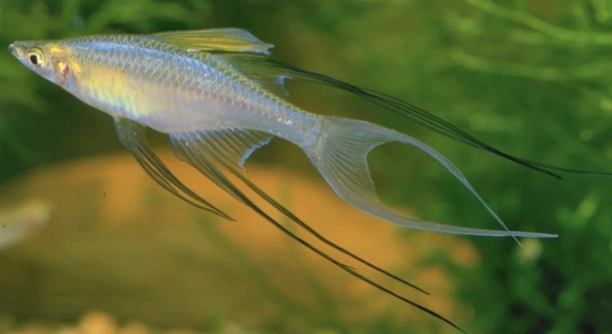
Threadfin rainbowfish are lively, social fish that thrive in groups. Losing a shoal mate can affect their behavior, causing changes in swimming patterns and social interactions. Observing these shifts can reveal much about their natural instincts.
When a threadfin rainbowfish loses a shoal mate, it often exhibits stress-related behaviors such as reduced activity, hiding, or increased aggression. These responses stem from their innate need for social cohesion and safety within a group environment.
Noticing these behavioral changes can help you provide better care and maintain a harmonious environment for your fish. Understanding their social needs is key to keeping them healthy and content.
How Losing a Shoal Mate Affects Behavior
Threadfin rainbowfish rely heavily on their group for security and social structure. When one fish is removed, the remaining fish can become skittish or hesitant, often staying near the tank bottom or hiding behind decorations. Their swimming patterns change, becoming less synchronized, and some may show signs of mild aggression toward each other. Stress can also weaken their immune system, making them more prone to illness. Over time, if the absence continues, the fish may adapt to the new dynamic but often retain signs of unease. Observing these behaviors carefully allows you to adjust tank conditions and provide additional support, such as creating more hiding spots or reducing sudden movements around the aquarium. Maintaining a stable environment is crucial for helping your rainbowfish regain confidence and minimize stress. These fish are sensitive to changes in their social setting, and small adjustments can make a big difference in their comfort level.
Monitoring your rainbowfish daily helps you catch stress signs early. Behavioral changes are subtle but noticeable.
Providing enrichment and consistent routines aids recovery and helps restore normal swimming and social interaction among the remaining fish.
Strategies to Support Rainbowfish After Loss
Adding a new shoal mate gradually can reduce stress. The new fish should be introduced carefully, ensuring compatibility in size and temperament.
When a threadfin rainbowfish loses a shoal mate, the key is to maintain stability. Avoid major changes in water conditions, feeding schedules, or tank layout during this period. Offer plenty of plants, rocks, or other hiding spots so the fish feel secure. Feeding smaller portions more frequently can encourage activity and reduce competition. Observing their behavior closely is important; note any signs of illness or prolonged aggression. Gentle interactions, such as slow movements around the tank, can help the fish adjust. Over time, they may form bonds with the remaining group members or the newly added fish. Understanding their natural social tendencies allows for better care and ensures that stress does not lead to long-term health issues. Consistency, patience, and attention to detail are the best tools to support threadfin rainbowfish during these changes.
Signs of Stress in Remaining Fish
Changes in swimming patterns, hiding more frequently, and reduced appetite are common stress signs in threadfin rainbowfish. Some may display mild aggression or cling to one area of the tank. Recognizing these behaviors early can prevent prolonged stress and health issues.
Stress in rainbowfish can manifest subtly at first. You may notice a fish lingering near the tank’s edges or spending long periods behind plants or decorations. Reduced feeding response is another key indicator, as stressed fish often ignore food they usually enjoy. Over time, stress can weaken the immune system, making the fish more susceptible to illness. Monitoring interactions within the group is also important; increased nipping or chasing may indicate frustration or anxiety. Adjusting environmental factors, like water temperature and lighting, can help ease tension and restore comfort.
Behavioral stress can also affect reproduction. Females may become less active, and males may show fewer courtship displays. Creating a stable, enriched environment supports both mental and physical health, helping the fish regain normal routines and interactions.
Creating a Supportive Environment
Adding plants and hiding spots helps rainbowfish feel secure after losing a shoal mate. Providing a stable routine reduces stress levels.
Maintaining consistent water parameters is essential. Sudden fluctuations in temperature, pH, or hardness can increase anxiety in already stressed fish. Offering a varied diet and feeding at regular times encourages activity and supports overall health. Ensuring the tank is spacious enough for multiple fish to swim freely reduces tension and prevents bullying. Observing how the remaining fish interact allows you to identify individuals that may need extra support. Adjusting lighting and minimizing sudden disturbances can also promote a calm environment, making the fish feel safer and more confident over time.
Gradual introduction of new fish is another effective strategy. Choosing compatible sizes and temperaments ensures smooth integration. Introducing the newcomer behind a divider for a few days lets the existing fish acclimate. This reduces territorial disputes and helps maintain harmony. Maintaining proper tank hygiene and removing uneaten food also prevents stress-related illness. By carefully managing both social and environmental factors, rainbowfish can adapt and regain balance, restoring normal behaviors and activity levels.
Adjusting Social Dynamics
Remaining rainbowfish may take time to reestablish social hierarchy after losing a shoal mate. Some fish may become more dominant while others stay cautious. Observing these shifts helps you understand their behavior and respond appropriately.
Providing more space and hiding spots can reduce tension. Fish that feel secure are less likely to display aggressive behavior or prolonged stress.
Feeding and Activity
Stress can affect appetite, causing some rainbowfish to eat less. Offering smaller, frequent meals encourages feeding. Gentle stirring of the water or moving decorations can prompt activity, helping fish regain normal energy levels. Consistency in feeding times and diet quality is important for recovery.
Monitoring Health
Keep a close eye on physical signs of stress, such as faded colors or clamped fins. Early detection prevents more serious health issues from developing.
FAQ
How long does it take for threadfin rainbowfish to adjust after losing a shoal mate?
Adjustment varies depending on the fish and tank conditions. Some may settle back into normal routines within a few days, while others may take several weeks. Providing a stable environment with consistent water conditions, ample hiding spots, and gentle feeding routines helps speed recovery. Monitoring their behavior closely allows you to respond to stress early and make necessary adjustments. Patience is key, as forcing interaction or adding new fish too quickly can prolong stress rather than relieve it.
Can I add a new fish immediately after losing a shoal mate?
Introducing a new fish too soon can increase stress for the remaining fish. Allow at least a week for the current group to stabilize. The new fish should be similar in size and temperament to prevent aggression. Using a divider for gradual introduction helps both the original and new fish adjust without conflict. Observing interactions closely during the first few days ensures that no fish becomes overly stressed or bullied, making the transition smoother for everyone involved.
What signs show that my rainbowfish is still stressed?
Signs of ongoing stress include hiding frequently, reduced swimming activity, faded colors, clamped fins, and loss of appetite. Aggression toward other fish or excessive darting around the tank can also indicate tension. Continuous stress weakens the immune system and can make the fish more prone to illness. Keeping track of these behaviors helps you take corrective measures, such as improving tank enrichment, adjusting lighting, or providing more hiding spots, to restore comfort and normal behavior.
How can I make my rainbowfish feel more secure?
Adding plants, rocks, and decorations creates natural hiding spots. Gentle, consistent feeding schedules and avoiding sudden movements around the tank also help reduce stress. Adequate swimming space and consistent water conditions provide a sense of safety. Over time, these measures encourage normal social interactions and reduce aggressive or fearful behavior, allowing the fish to regain confidence and stability in the tank.
Is it normal for rainbowfish to show aggression after losing a shoal mate?
Yes, some fish may become more territorial or display chasing behavior after losing a group member. This is part of reestablishing social hierarchy and can be temporary. Providing additional space and hiding spots minimizes conflicts. Closely observing interactions ensures that aggression does not become harmful. Gradual reintroduction of new fish can also help balance social dynamics and reduce persistent tension.
Will losing a shoal mate affect breeding behavior?
Stress from losing a shoal mate can reduce breeding activity. Females may become less active, and males may display fewer courtship behaviors. Maintaining a calm environment with adequate hiding spots, proper nutrition, and stable water conditions supports the fish’s overall health, gradually encouraging normal reproductive behavior. Patience is necessary, as some fish may take time to feel comfortable again before returning to regular breeding activity.
Can I prevent stress if a shoal mate dies unexpectedly?
While death is sometimes unavoidable, minimizing stress can be achieved by maintaining a consistent tank routine, providing hiding places, and avoiding sudden changes in water conditions or tank layout. Observing the remaining fish closely and responding to behavioral changes promptly helps them adjust. Gradually introducing a compatible new fish when appropriate can restore social balance and reduce long-term stress effects.
How can I tell if my rainbowfish has fully recovered?
Signs of recovery include normal swimming patterns, resumed feeding, bright colors, and regular interaction with other fish. Reduced hiding and less aggression indicate comfort. Consistent observation helps you confirm that the fish has adapted to the loss and regained its usual behavior and activity levels.
What should I do if stress continues despite adjustments?
If stress persists, review water quality, tank size, and social composition. Consider consulting an experienced aquarist or veterinarian for guidance. Sometimes adding more compatible tank mates or further enriching the environment can help. Avoid sudden changes, as these may worsen stress. Observing individual fish closely allows you to identify specific needs and respond effectively, ensuring long-term well-being.
Can environmental enrichment help prevent stress in rainbowfish?
Yes, plants, rocks, and decorations encourage natural exploration and reduce stress. Providing hiding spaces, open swimming areas, and consistent routines supports mental and physical health. Enrichment can help prevent aggressive behavior and ensure a balanced, calm social dynamic, making the fish more resilient to changes in the group.
Final Thoughts
Threadfin rainbowfish are social creatures that rely on their shoal for security and companionship. Losing a shoal mate can disrupt their social structure, causing temporary stress and changes in behavior. Observing these changes closely is important to ensure the remaining fish remain healthy. They may hide more often, swim less actively, or show signs of mild aggression. While these reactions are natural, it is important to provide an environment that supports their recovery. Adequate hiding spots, consistent feeding schedules, and stable water conditions can make a noticeable difference in helping the fish adjust. By maintaining a calm and predictable environment, you allow the fish to regain confidence and reestablish normal social interactions, reducing the impact of the loss on their well-being. Understanding their social needs is key to providing long-term care and preventing stress-related issues.
Recovery from the loss of a shoal mate takes time and patience. Each fish responds differently, with some adapting quickly while others take longer to feel secure again. Gradual adjustments, such as adding a compatible new fish or enriching the tank with additional decorations, can support their transition. Careful monitoring of behavior is essential to identify signs of prolonged stress, such as continued hiding, refusal to eat, or excessive aggression. Addressing these behaviors early prevents health complications and ensures the remaining fish maintain their natural routines. Consistency in feeding, water quality, and tank maintenance helps the fish feel secure and encourages a return to normal swimming and social behavior. Over time, most fish regain their usual activity levels and interactions, allowing them to thrive despite the temporary disruption caused by the loss.
Supporting threadfin rainbowfish through this adjustment period also provides insight into their natural instincts and social dynamics. Watching them interact and adapt helps you understand their preferences and comfort zones, which can guide future care. Implementing enrichment strategies, maintaining stable conditions, and gradually reintroducing compatible fish when needed all contribute to a balanced, healthy aquarium environment. Even small adjustments, like rearranging decorations or adding plants, can have a positive effect on their stress levels. By paying attention to their behavior and making thoughtful changes, you ensure that your rainbowfish remain active, healthy, and comfortable. Providing this level of care not only supports their recovery but also strengthens your ability to maintain a harmonious and thriving tank. With patience and attention, threadfin rainbowfish can adapt to the absence of a shoal mate and continue to display their natural, vibrant behaviors.

Hello,
If you enjoy the content that we create, please consider saying a "Thank You!" by leaving a tip.
Every little bit helps us continue crafting quality advice that supports the health, happiness, and well-being of pets around the world, for pets of all shapes, sizes, and species.
We really appreciate the kindness and support that you show us!