
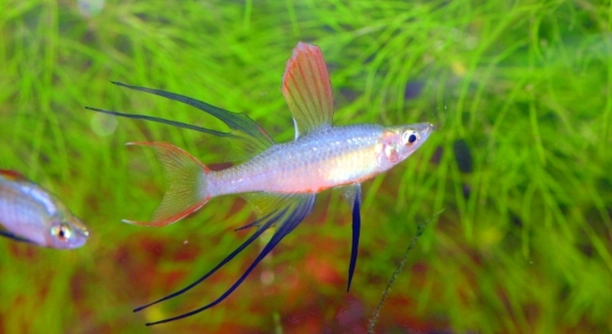
Are your Threadfin Rainbowfish struggling in a small or crowded tank? Many fishkeepers overlook the importance of proper tank size, which directly affects their fish’s health, behavior, and long-term well-being in a home aquarium setting.
The ideal tank sizes for Threadfin Rainbowfish range from 30 to 75 gallons depending on the number of fish and their growth potential. Providing sufficient swimming space ensures proper development, reduces stress, and promotes overall health for long-term care.
Proper tank planning can make a big difference in your fish’s life. Knowing the right sizes helps you create a comfortable and thriving aquatic environment.
Understanding Threadfin Rainbowfish Behavior
Threadfin Rainbowfish are active swimmers and thrive in open spaces. They often move in small schools, so they require tanks that allow free swimming. Crowded conditions can lead to stress, aggression, and poor coloration. They enjoy a stable environment with consistent water parameters, including temperature between 72–78°F and pH levels around 6.5–7.5. Decorations such as plants, rocks, and driftwood offer hiding spots but should not overcrowd the tank. Regular water changes and proper filtration help maintain clarity and oxygen levels, which are crucial for their health. Observing their behavior daily allows early detection of stress or illness.
These fish are social, so keeping them in groups of at least six improves their confidence and reduces erratic swimming.
When choosing a tank, consider both the number of fish and their adult size. A 30-gallon tank can house a small group, but larger groups need 50–75 gallons. Proper spacing prevents competition for food and territory. Decorations should be arranged to create visual boundaries, yet maintain open swimming areas. Lighting affects coloration, and moderate light mimics their natural habitat. Finally, monitor water quality closely; Threadfin Rainbowfish are sensitive to ammonia and nitrite spikes. Ensuring a well-balanced diet, including high-quality flakes, pellets, and occasional live food, supports growth and vibrant colors. Regular observation and maintenance foster a healthy, thriving tank.
Recommended Tank Sizes
For a small school of six Threadfin Rainbowfish, a minimum of 30 gallons is suitable. Larger schools require more space to prevent stress.
A 50–75 gallon tank is ideal for keeping a group of ten or more fish. These sizes allow natural schooling behavior, reduce aggression, and support proper growth. Longer tanks are better than taller tanks because they provide horizontal swimming space. Proper aeration and filtration are necessary to maintain water quality. Include plants and decorations sparingly, ensuring clear pathways for swimming. Frequent water changes help maintain stability and prevent build-up of toxins. Maintaining these conditions promotes a longer, healthier life for your Threadfin Rainbowfish.
Tank Setup Essentials
Threadfin Rainbowfish need a tank with plenty of open swimming space and stable water conditions. Decorations should be minimal but include hiding spots like plants or driftwood. Filtration must be reliable, and water changes should be consistent to maintain quality.
Plants, rocks, and driftwood provide security and reduce stress. Space between decorations allows the fish to swim naturally in groups. Proper lighting enhances their vibrant colors and supports plant growth. A substrate that is gentle on their fins, such as sand or fine gravel, helps prevent injury. Placement of equipment like heaters and filters should not obstruct swimming areas, keeping the tank functional yet safe for the fish.
Monitoring water parameters is key. Temperature should remain consistent, while ammonia, nitrite, and nitrate levels must be controlled. Aeration ensures oxygen levels are adequate, and regular cleaning prevents algae build-up. Feeding high-quality flakes, pellets, and occasional live food supports growth. Observing behavior helps detect early signs of stress or disease, allowing timely adjustments to tank setup and maintenance. Consistency ensures Threadfin Rainbowfish remain healthy and vibrant over time.
Feeding and Nutrition
Threadfin Rainbowfish require a balanced diet that supports growth and coloration. High-quality flakes and pellets form the staple, while live or frozen foods provide essential protein.
Variety in diet prevents nutritional deficiencies and keeps the fish active. Small amounts multiple times a day reduce waste and maintain water quality. Foods such as brine shrimp, daphnia, and bloodworms are suitable supplements. Feeding should be monitored closely; overfeeding can lead to water contamination and digestive issues. Maintaining a consistent schedule helps regulate their metabolism and keeps the fish healthy.
It is important to prepare food properly. Live foods should be cleaned and free from contaminants, while frozen foods should be thawed safely. Portion control ensures all fish receive adequate nutrition without excess waste. Observing their eating behavior helps identify dominant individuals and prevents weaker fish from being underfed. Providing a mix of flakes, pellets, and occasional live food mimics natural feeding habits, improving vitality and coloration. Maintaining this feeding routine contributes to the long-term well-being of the entire school of Threadfin Rainbowfish.
Water Quality and Maintenance
Consistent water quality is critical for Threadfin Rainbowfish. Regular testing for ammonia, nitrites, and nitrates helps prevent health issues. Partial water changes of 20–25% weekly maintain stability.
Filtration must be efficient and suited for the tank size. Avoid sudden changes in water temperature or pH. Aeration supports oxygen levels, and removing debris prevents harmful buildup.
Compatible Tank Mates
Threadfin Rainbowfish are peaceful and do best with similarly sized, non-aggressive fish. Avoid large or territorial species that may stress them.
Keeping compatible tank mates encourages schooling behavior and reduces stress. Small tetras, danios, or rasboras are suitable companions. Mixing species should be done gradually to monitor interactions and ensure harmony in the aquarium environment.
Ideal Tank Dimensions
For a small school of six, a 30–40 gallon tank works well. Longer tanks allow free swimming. Vertical height is less critical, but a 12–16 inch depth provides adequate space. Open swimming areas should be prioritized over dense decorations.
Lighting Considerations
Moderate lighting enhances the fish’s coloration and supports plant growth. Avoid intense lighting that may stress the fish.
FAQ
What size tank is best for a small school of Threadfin Rainbowfish?
A tank of 30–40 gallons works well for a group of six. This size gives them enough horizontal space to swim freely and exhibit natural schooling behavior. Longer tanks are preferred over taller ones to allow continuous movement without obstruction from decorations.
Can Threadfin Rainbowfish live in smaller tanks?
While they can survive in smaller tanks temporarily, long-term health and behavior are compromised. Limited space increases stress, reduces swimming ability, and can stunt growth. Providing a minimum of 30 gallons ensures healthier, more active fish.
How many Threadfin Rainbowfish should I keep together?
Keeping at least six fish is ideal. They are social and feel secure in groups, which reduces stress and promotes natural behavior. Smaller numbers may lead to timid or erratic swimming patterns.
What are the best tank mates for Threadfin Rainbowfish?
Peaceful species of similar size work best. Small tetras, danios, or rasboras are suitable companions. Avoid large or aggressive fish that could intimidate or injure them. Introducing new tank mates gradually helps maintain harmony.
How often should I perform water changes?
Weekly partial water changes of 20–25% are recommended. Regular maintenance keeps ammonia, nitrites, and nitrates in check. This prevents stress and supports overall health, ensuring the fish remain active and vibrant.
What water parameters are ideal for Threadfin Rainbowfish?
A temperature range of 72–78°F and a pH of 6.5–7.5 is optimal. Stable conditions are crucial. Sudden changes in temperature or pH can stress the fish, making them more prone to illness. Monitoring these parameters consistently is important.
What should I feed my Threadfin Rainbowfish?
High-quality flakes or pellets should form the staple diet. Supplement with live or frozen foods like brine shrimp, daphnia, or bloodworms. Feeding small amounts multiple times daily prevents overfeeding and supports water quality. A varied diet enhances coloration and promotes growth.
How do I prevent stress in Threadfin Rainbowfish?
Provide sufficient space, stable water conditions, and compatible tank mates. Avoid overcrowding and abrupt changes in water parameters. Minimal but strategic decorations create hiding spots while keeping swimming areas open, which helps reduce stress levels.
How can I tell if my fish are healthy?
Healthy Threadfin Rainbowfish are active, swim in schools, and display vibrant colors. Lethargy, faded colors, clamped fins, or erratic swimming indicate potential stress or illness. Regular observation allows early intervention to maintain their health.
Are live plants necessary in a tank?
Live plants are not strictly necessary but are beneficial. They provide hiding spots, reduce stress, and improve water quality by absorbing nitrates. Hardy plants like Java fern or Anubias work well without obstructing swimming space.
What type of substrate is best?
Sand or fine gravel is preferred. These substrates are gentle on fins and allow for easier maintenance. Avoid sharp or coarse materials that can injure the fish while swimming or during feeding.
Do Threadfin Rainbowfish need strong lighting?
Moderate lighting is ideal. It enhances their coloration and supports plant growth. Strong lighting can stress the fish, while too little light may reduce activity and dull colors. A balanced approach ensures a healthy tank environment.
How quickly do Threadfin Rainbowfish grow?
They grow steadily and reach maturity around 6–8 months. Providing proper tank size, stable water conditions, and a balanced diet ensures consistent growth and vibrant coloration over time.
Can I keep Threadfin Rainbowfish with shrimp or snails?
Yes, peaceful invertebrates like small snails or shrimp are generally compatible. They help clean the tank naturally without disturbing the fish, provided they are not small enough to become prey.
How do I handle illness in Threadfin Rainbowfish?
Early detection is key. Quarantine affected fish, maintain clean water, and adjust diet if necessary. Research specific treatments based on symptoms. Preventive care with regular water changes, proper diet, and stress reduction minimizes outbreaks.
How important is tank aeration?
Aeration is very important. Threadfin Rainbowfish are active swimmers and require sufficient oxygen levels. Proper filtration and occasional air stones ensure oxygen is evenly distributed, supporting healthy activity and long-term well-being.
How do I introduce new fish to an established tank?
Acclimate new fish slowly by floating the bag in the tank to equalize temperature, then gradually mix tank water into the bag. Release them gently after 30–60 minutes to reduce stress and prevent shock. Monitor interactions closely for the first few days.
Can Threadfin Rainbowfish live in brackish water?
No, they are freshwater fish. They thrive in clean, stable freshwater environments. Exposure to brackish or saltwater can cause stress, illness, or death, so maintaining freshwater conditions is essential.
What is the lifespan of Threadfin Rainbowfish?
With proper care, they typically live 5–8 years. Maintaining appropriate tank size, water quality, diet, and compatible tank mates significantly contributes to their longevity and overall health.
Is it necessary to use a heater in their tank?
Yes, maintaining a stable temperature between 72–78°F is important. Heaters prevent fluctuations, especially in cooler climates. Consistent temperature supports metabolism, immunity, and natural behavior patterns, keeping the fish healthy and active.
How often should I clean the tank equipment?
Filters, heaters, and decorations should be cleaned periodically to prevent debris buildup. Avoid over-cleaning biological filters; rinse them gently in tank water during water changes to preserve beneficial bacteria. Regular maintenance ensures stable water conditions and reduces stress.
Can Threadfin Rainbowfish breed in a home tank?
Yes, with proper conditions. Provide dense plants or spawning mops for egg-laying. Maintain optimal water quality and a high-protein diet to encourage breeding. Remove adults after eggs are laid to prevent predation. Fry require specialized care until they are large enough to join the main tank.
How do I reduce aggression in the tank?
Aggression is rare but may occur if the tank is overcrowded. Ensure ample swimming space, keep at least six individuals, and provide hiding spots. Avoid mixing with aggressive or much larger species. Monitoring behavior helps intervene early if conflicts arise.
Are there any common diseases I should watch for?
Ich, fin rot, and fungal infections are most common. Maintaining clean water, stable parameters, and proper nutrition reduces the risk. Quarantine new fish and promptly treat affected individuals to prevent outbreaks. Early detection ensures a healthier, thriving school.
How do I handle water parameter fluctuations?
Gradual adjustments are safer than sudden changes. Test water regularly and correct imbalances slowly. Using conditioners and stable heating systems prevents stress. Consistency in maintenance routines helps Threadfin Rainbowfish thrive long-term.
Can I keep Threadfin Rainbowfish alone?
No, they are schooling fish and become stressed or timid when isolated. Keeping at least six together ensures social interaction, reduces anxiety, and encourages natural behavior patterns in the tank.
Is a lid necessary for their tank?
Yes, a secure lid prevents jumping. Threadfin Rainbowfish are active and may leap during feeding or when startled. Lids also reduce evaporation and maintain stable water conditions, contributing to a healthier environment.
What is the best way to acclimate new fish?
Float the bag for temperature equalization, then slowly mix tank water into the bag over 30–60 minutes. Release gently to reduce stress. Observing their first few hours ensures they adjust safely without conflicts or shock.
Can I use tap water directly?
No, tap water must be treated with a water conditioner to remove chlorine, chloramines, and heavy metals. Testing and adjusting pH may also be necessary to maintain optimal conditions for Threadfin Rainbowfish.
How often should I feed my fish?
Feed small amounts two to three times a day. Overfeeding can lead to water pollution, while consistent feeding ensures proper growth, activity, and coloration. Observing feeding habits helps prevent dominant fish from taking too much food.
Do they need strong water flow?
Moderate flow is sufficient. Too strong a current may stress them, while stagnant water can reduce oxygen levels. Proper filtration and aeration maintain gentle circulation, supporting swimming and healthy metabolism.
How can I encourage natural schooling behavior?
Keep at least six fish together in a spacious tank. Open swimming areas with minimal obstructions allow synchronized movement. Observing their interactions ensures the group remains cohesive and reduces stress or territorial behavior.
Are there specific cleaning routines I should follow?
Regular water changes, substrate vacuuming, and equipment checks are essential. Avoid over-cleaning biological filters. Removing uneaten food and debris daily prevents contamination and supports a stable, healthy environment for your fish.
Can Threadfin Rainbowfish tolerate sudden temperature changes?
No, sudden changes cause stress and can lead to illness. Gradual adjustments with heaters or water additions are necessary to maintain consistent, safe conditions. Monitoring temperature daily ensures stability and fish well-being.
What is the best way to prevent algae growth?
Moderate lighting, avoiding overfeeding, and regular water changes help. Adding live plants competes with algae for nutrients. Occasional cleaning of tank surfaces prevents excessive buildup without disturbing the fish.
Do they require supplemental vitamins or additives?
A varied diet typically provides all essential nutrients. Occasionally, vitamin-enriched foods or supplements can support growth and coloration, especially during breeding or after stress events. Avoid over-supplementing, which can degrade water quality.
How do I recognize stress in Threadfin Rainbowfish?
Signs include clamped fins, faded coloration, hiding, or erratic swimming. Monitoring behavior daily allows early intervention. Adjusting tank size, water conditions, or social groupings reduces stress and promotes healthy activity.
Can I keep multiple species with them safely?
Yes, peaceful species of similar size work well. Avoid aggressive, large, or territorial fish. Introducing new species gradually and observing interactions ensures compatibility and minimizes conflict in the tank.
How do I set up a breeding tank?
Provide fine-leaved plants or spawning mops, maintain stable water quality, and feed high-protein foods. Remove adults after spawning to protect eggs. Fry require gentle care, frequent feeding, and clean water until large enough to join the main tank.
Is it okay to use artificial plants?
Yes, but they should be soft and free from sharp edges. Artificial plants offer hiding spots without maintenance needs, but ensure they don’t reduce swimming space or injure the fish.
How long do they live on average?
With proper care, Threadfin Rainbowfish live 5–8 years. Maintaining adequate tank size, stable water, proper diet, and compatible tank mates contributes to their longevity.
What should I do if fish become lethargic?
Check water parameters first. Adjust temperature, filtration, or diet if needed. Observe for illness symptoms and treat accordingly. Early action improves recovery chances and prevents further stress.
Can I mix males and females easily?
Yes, they are compatible in a mixed-sex group. Males may display brighter colors, especially during breeding. Ensure enough space to prevent territorial behavior and maintain a stable social group.
Are there signs of overfeeding?
Excess food leads to cloudy water, algae growth, and digestive issues. Fish may appear bloated. Feeding smaller amounts multiple times daily prevents waste and maintains water quality.
How can I encourage vibrant colors?
Provide a varied diet, stable water conditions, and moderate lighting. Stress reduction and proper tank size enhance coloration naturally. Healthy fish display brighter, more vivid colors consistently.
Do they require special water additives?
Not usually. Standard freshwater maintenance with conditioners is sufficient. Occasional supplements for breeding or recovery can help but are not required for general care.
Is quarantine necessary for new fish?
Yes, quarantining new fish for at least two weeks prevents disease introduction. Observe for illness or parasites before adding them to the main tank. This protects the existing school from potential outbreaks.
What is the best filtration system?
A reliable filter rated for the tank size is essential. Sponge filters, hang-on-back filters, or canisters provide adequate mechanical and biological filtration. Ensure proper flow without stressing the fish.
Can they tolerate cooler temperatures?
They prefer 72–78°F. Cooler water slows metabolism, reduces activity, and increases susceptibility to illness. Consistent heating is recommended to maintain optimal health and behavior.
How do I prevent fin damage?
Use smooth substrates, soft plants, and gentle filtration flow. Avoid sharp decorations and aggressive tank mates. Observing interactions helps prevent injuries during schooling or feeding.
Are they sensitive to lighting changes?
Yes, sudden shifts in lighting can stress them. Gradually adjusting lighting schedules or using dimmers helps them adapt and maintains natural activity patterns.
What is the best method for introducing new fish to a school?
Float the bag for temperature acclimation, gradually add tank water, and release gently. Monitor for aggression. Keeping sufficient swimming space prevents conflict and ensures smooth integration.
Do they need specialized tanks for breeding?
A small, plant-filled tank works best. Stable water, high-protein diet, and controlled lighting encourage spawning. Eggs and fry require protection from adults until large enough to join the main tank.
Can I keep them with bottom dwellers?
Yes, peaceful bottom dwellers like small catfish or loaches are compatible. Ensure they do not compete aggressively for food or occupy the same swimming areas excessively.
Is regular observation important?
Yes, daily monitoring detects stress, illness, or behavioral issues early. Timely intervention maintains fish health, water quality, and overall tank stability.
How do I maintain water clarity?
Use proper filtration, avoid overfeeding, perform regular water changes, and remove debris. Balanced plant growth also helps reduce excess nutrients and prevents cloudiness.
Are there seasonal care changes?
In cooler months, heaters may be needed to maintain stable temperature. Lighting duration may vary slightly, but diet and water maintenance routines should remain consistent to prevent stress.
What precautions should I take with new decorations?
Rinse thoroughly and avoid sharp edges. Introduce them gradually to prevent startling fish. Ensure decorations do not reduce swimming space or interfere with filtration or aeration.
Do they need UV sterilizers?
Not essential, but UV sterilizers can help control algae and free-floating pathogens. They are optional and should be paired with proper water maintenance practices.
How do I avoid overstocking the tank?
Follow the recommended gallon-per-fish guideline. Overcrowding leads to stress, aggression, and poor water quality. Adequate spacing supports natural swimming, reduces disease risk, and ensures long-term health.
Are there any special considerations for lighting schedules?
Maintain a consistent 8–10 hour light cycle. Sudden changes can stress fish and plants. Gradual adjustments and timers create a stable environment that supports activity and coloration.
Can they live with fast-swimming fish?
Yes, as long as the species are peaceful and similar in size. Extremely aggressive or overly fast fish may stress Threadfin Rainbowfish, especially smaller or timid individuals.
How do I prevent diseases from spreading?
Quarantine new fish, maintain clean water, provide proper nutrition, and observe daily. Early detection and prompt treatment of affected individuals prevent outbreaks.
Is water hardness important?
Moderate hardness is ideal. Extremely soft or hard water can stress the fish. Testing and adjusting water hardness ensures stable conditions and supports overall health.
Can they adapt to slightly different pH levels?
They tolerate minor variations, but rapid shifts cause stress. Slowly adjust pH when necessary and maintain a stable environment to support long-term health.
What is the best way to clean the substrate?
Use a siphon or gravel vacuum during water changes. Remove uneaten food and debris without disturbing beneficial bacteria. Regular cleaning keeps water quality high and prevents harmful buildup.
Are there any seasonal feeding changes?
Feed consistently year-round. Slightly increasing protein-rich foods during breeding periods can be beneficial, but avoid overfeeding. Balanced feeding maintains health and water quality.
How do I prevent overcrowding stress?
Maintain the recommended number of fish per tank size. Avoid sudden additions and provide sufficient open swimming space. Proper tank planning reduces aggression and ensures social harmony.
Can they tolerate low light conditions?
Moderate light is best. Very low light may reduce activity and coloration, while extremely bright lighting can cause stress. Balance ensures healthy behavior and vibrant colors.
Do they require supplemental CO2 for plants?
Not necessary unless heavily planted. Moderate lighting and low-maintenance plants thrive without CO2, making care simpler and stress-free for the fish.
How do I ensure fry survival after breeding?
Provide fine-leaved plants or spawning mops, remove adults after spawning, and feed tiny live or powdered foods. Maintain clean water and stable conditions for proper growth.
Are they compatible with dwarf cichlids?
Generally yes, if the cichlids are peaceful. Avoid territorial or aggressive species. Monitor interactions to ensure Threadfin Rainbowfish are not bullied or stressed.
Can I use chemical treatments in their tank?
Use treatments cautiously and according to instructions. Some chemicals can harm sensitive fish. Quarantine affected individuals when possible to avoid impacting the main school.
Do they need tank covers to prevent jumping?
Yes, a secure lid prevents accidental escapes. Active swimming and startled reactions can lead to jumping, making a cover important for safety.
Are they sensitive to noise or vibrations?
Yes, excessive noise or vibrations can stress them. Placing the tank in a stable, quiet location helps maintain calm behavior and overall health.
How often should I check water parameters?
Weekly testing for ammonia, nitrites, nitrates, pH, and temperature is recommended. Frequent monitoring ensures stability and allows early intervention to prevent stress or illness.
Do they need any special seasonal care?
Mostly maintain stable temperature, lighting, and feeding. Avoid sudden environmental changes. Minor adjustments may be needed in winter for heaters or lighting, but general care routines remain consistent.
Can they live in community tanks?
Yes, with peaceful, similarly sized species. Avoid aggressive or large fish. Gradual introductions and sufficient space promote harmony and reduce stress.
Is tank size more important than decorations?
Yes, open swimming space takes priority. Decorations provide hiding spots, but excessive clutter limits movement and can stress active fish like Threadfin Rainbowfish.
How do I prevent fin rot?
Maintain clean water, avoid overcrowding, and remove aggressive tank mates. Proper diet, stable conditions, and monitoring behavior reduce the risk of fin rot developing.
Are they hardy fish for beginners?
Moderately hardy if proper tank size, water quality, and diet are maintained. They require attention to social groups and water stability, but consistent care ensures healthy, vibrant fish.
Can they tolerate fluctuating water levels?
No, sudden drops or rises stress the fish. Consistent maintenance and careful topping up during evaporation prevent health issues.
Threadfin Rainbowfish are active, social fish that thrive in well-maintained aquariums. Choosing the right tank size is essential for their long-term health and overall happiness. Small or crowded tanks can cause stress, stunted growth, and behavioral issues, so providing ample swimming space should always be a priority. A minimum of 30 gallons is suitable for a small school, but larger groups will require 50–75 gallons to allow natural schooling behavior. Longer tanks are preferred over taller ones because Threadfin Rainbowfish are horizontal swimmers, and open swimming areas promote activity and reduce stress. Proper tank planning involves balancing swimming space with hiding spots created by plants, rocks, or driftwood, ensuring the fish feel secure without restricting movement. Consistency in tank size, placement of equipment, and decoration layout contributes to a stable environment where the fish can thrive.
Maintaining stable water conditions is equally important for the well-being of Threadfin Rainbowfish. Temperature should remain between 72–78°F, with a slightly acidic to neutral pH of 6.5–7.5. Regular partial water changes of 20–25% help prevent the build-up of harmful ammonia, nitrites, and nitrates, while adequate filtration and aeration ensure proper oxygen levels. Observing the fish daily allows early detection of stress or illness, which can prevent long-term health issues. Feeding should be consistent and balanced, with high-quality flakes or pellets as the staple diet, supplemented occasionally with live or frozen foods. Small, frequent feedings reduce waste, maintain water quality, and encourage natural foraging behavior. A varied diet not only supports growth and metabolism but also helps maintain their vibrant colors, making the fish more visually appealing and active in the tank.
Choosing compatible tank mates and providing proper care routines further enhance the success of keeping Threadfin Rainbowfish. Peaceful species of similar size, such as tetras, rasboras, or danios, are ideal companions. Avoid aggressive or much larger fish that may intimidate or harm them. Properly introducing new fish and monitoring interactions prevents conflicts and ensures a harmonious environment. Lighting should be moderate to enhance coloration without causing stress, and live or artificial plants can provide security while maintaining open swimming areas. Overall, consistent care, attention to water quality, appropriate tank size, and a balanced diet are the key factors for keeping Threadfin Rainbowfish healthy, vibrant, and active. With these measures in place, the fish can live comfortably for 5–8 years, exhibiting natural behavior and displaying their full color potential, creating a thriving aquarium environment that is both enjoyable and manageable.

Hello,
If you enjoy the content that we create, please consider saying a "Thank You!" by leaving a tip.
Every little bit helps us continue crafting quality advice that supports the health, happiness, and well-being of pets around the world, for pets of all shapes, sizes, and species.
We really appreciate the kindness and support that you show us!