
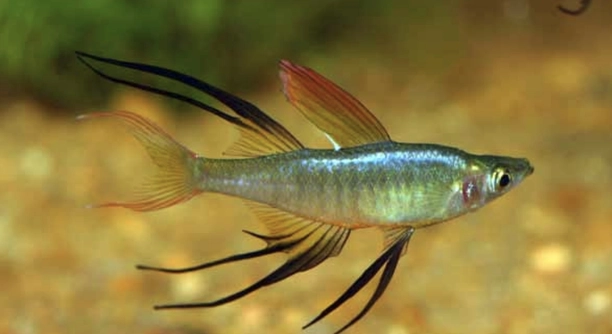
Do your threadfin rainbowfish sometimes shiver in their tank, moving their bodies with small, rapid movements? Observing this behavior can feel confusing, especially when you are unsure if it signals health, stress, or simple natural activity.
Threadfin rainbowfish shiver primarily as a response to environmental stimuli, such as water temperature changes, social interactions, or stress. This behavior may indicate adjustments in their metabolism, communication with other fish, or reactions to minor discomfort within their habitat.
Understanding why your rainbowfish shiver can help maintain a healthy aquarium environment and ensure their long-term well-being. This guide will provide insight into the behavior and what it may signify.
Common Reasons Threadfin Rainbowfish Shiver
Threadfin rainbowfish often shiver due to changes in their environment. Water temperature fluctuations are one of the main causes, as sudden shifts can affect their metabolism and muscle function. Stress from overcrowding or aggressive tank mates can also trigger shivering, as the fish attempt to communicate discomfort or establish boundaries. Another factor is water quality; poor filtration or high levels of ammonia and nitrites may cause subtle stress responses, including shivering. Even minor changes, like rearranging decorations or introducing new fish, can temporarily unsettle them. Additionally, shivering can occur during feeding, reflecting excitement or anticipation, or when they are adjusting to a new tank setup. Observing the frequency and context of shivering helps determine whether it is normal behavior or a sign of an underlying issue that requires attention. Regular maintenance, stable water conditions, and careful monitoring of interactions among fish reduce unnecessary stress responses.
Environmental changes are often the main trigger for shivering. Maintaining stable water conditions is crucial to prevent it.
Watching these patterns over time helps you understand your rainbowfish better. Addressing the triggers ensures they remain comfortable and healthy.
How to Reduce Shivering in Your Tank
Adjusting tank conditions is key to reducing shivering. Stable temperature, clean water, and adequate space make a noticeable difference in their behavior.
Ensuring proper diet, avoiding sudden changes, and monitoring fish interactions can further prevent stress-induced shivering. Regular observation allows quick adjustments before issues escalate.
Providing a calm and stable environment greatly improves the comfort of threadfin rainbowfish. Start by checking water temperature, pH, and hardness to ensure they match recommended ranges. Adequate filtration and regular water changes reduce toxins that can irritate or stress the fish. Avoid overcrowding, as limited swimming space can intensify stress responses. Introduce new fish gradually, giving them time to acclimate without causing disruption. Decorate the tank with hiding spots to allow shy or stressed fish to feel secure. Feeding a balanced diet and maintaining a predictable feeding routine minimizes excitement-related shivering. Watching the fish closely and taking notes on their behavior can help identify triggers quickly. By making small, consistent adjustments, you can reduce shivering significantly and create a peaceful, thriving environment for your rainbowfish.
Shivering During Feeding
Shivering is common when threadfin rainbowfish are feeding. Rapid movements can indicate excitement or competition for food. Observing them during meals helps distinguish normal behavior from stress-related shivering, ensuring they are healthy and active without worrying unnecessarily.
During feeding, fish may exhibit short bursts of shivering or rapid fin movements. This behavior is usually harmless and reflects eagerness or anticipation for food. If all fish show similar activity and return to calm afterward, it is typically a normal response. Overfeeding or inconsistent feeding schedules, however, can increase tension, causing more frequent shivering. Monitoring their response helps maintain balanced feeding practices and keeps the tank environment peaceful.
In some cases, feeding shivers may coincide with environmental factors, such as light changes or nearby activity. Ensuring a calm setting during meals and providing appropriate portions reduces stress-related reactions. Separating aggressive eaters or offering multiple feeding points can also help minimize shivering and prevent competition. By observing patterns and making small adjustments, you can create a comfortable feeding routine that supports both physical health and natural behavior.
Health Issues That May Cause Shivering
Shivering can signal health problems in threadfin rainbowfish. Parasites, infections, or nutrient deficiencies may trigger trembling movements. Identifying symptoms early helps prevent serious complications and ensures proper care.
Common health-related causes include bacterial or parasitic infections that irritate muscles or nerves, leading to involuntary shivering. Poor nutrition or vitamin deficiencies can weaken the fish, making them more prone to trembling. Environmental stressors, such as suboptimal water quality or fluctuating temperatures, often exacerbate these conditions. Early detection of abnormal behavior, combined with water testing and diet adjustments, allows timely intervention. Observation of other signs—like clamped fins, lethargy, or loss of appetite—can help confirm health concerns. Regular monitoring and maintaining proper tank conditions minimize the risk of illness and associated shivering, promoting a more stable and healthy habitat for your rainbowfish.
Stress and Shivering
Stress often causes threadfin rainbowfish to shiver. Overcrowded tanks, aggressive tank mates, or sudden changes can trigger rapid movements, signaling discomfort. Watching interactions helps identify stress sources quickly.
Providing hiding spots and maintaining stable conditions reduces shivering. Calm surroundings allow fish to feel secure and adjust naturally to their environment.
Water Quality Impact
Poor water quality directly affects rainbowfish behavior. High ammonia, nitrite, or nitrate levels can irritate them, causing shivering and other stress responses. Regular testing and filtration are essential. Maintaining clean, stable water minimizes health risks and creates a safe, comfortable environment for all fish in the tank.
Seasonal or Temperature Effects
Temperature fluctuations can make rainbowfish shiver. Gradual changes help them adjust without stress, ensuring they remain active and healthy throughout seasonal shifts.
FAQ
Why does my threadfin rainbowfish shiver even in a well-maintained tank?
Even in stable conditions, rainbowfish may shiver due to minor stress or excitement. Subtle environmental changes, like light intensity or nearby movement, can trigger this behavior. Shivering may also reflect normal communication with other fish or a natural adjustment of their muscles. Observing the context helps determine if it is harmless.
Can shivering indicate a disease?
Yes, shivering can sometimes signal health issues. Bacterial or parasitic infections, poor nutrition, or vitamin deficiencies can cause trembling movements. Other signs, such as clamped fins, lethargy, or loss of appetite, often accompany illness. Regular observation and monitoring water quality are key to early detection and treatment.
Is shivering normal during feeding?
Yes, feeding often causes short bursts of shivering. Rapid fin and body movements reflect excitement or anticipation. If all fish behave similarly and calm down afterward, it is generally normal. Offering balanced portions and multiple feeding points reduces competition-induced stress.
How can I reduce stress-related shivering?
Stress-related shivering can be minimized by maintaining stable water conditions, avoiding overcrowding, and providing hiding spots. Gradual acclimation of new fish and consistent feeding routines help fish feel secure. Observing interactions among tank mates allows early intervention if aggression occurs.
Do temperature changes affect shivering?
Yes, threadfin rainbowfish are sensitive to sudden temperature changes. Rapid shifts can disrupt metabolism and cause shivering. Gradually adjusting temperatures, especially during seasonal changes, helps them adapt without stress. Using a reliable heater and thermometer ensures stability.
Could shivering be related to tank decorations or layout?
Yes, rearranging decorations or introducing new items can temporarily unsettle rainbowfish. Shivering may occur as they explore and adjust to new obstacles. Allowing them time to acclimate and placing decorations thoughtfully reduces unnecessary stress.
When should I be concerned about shivering?
Persistent, intense, or irregular shivering combined with other symptoms like pale color, clamped fins, or refusal to eat is concerning. It may indicate disease, poor water quality, or ongoing stress. Immediate assessment of tank conditions and possible veterinary advice is recommended.
Does diet influence shivering?
Poor nutrition or vitamin deficiencies can make rainbowfish more prone to shivering. Feeding a varied, balanced diet supports their health, strengthens muscles, and reduces abnormal movements. Monitoring their feeding behavior ensures they receive sufficient nutrients.
Can social dynamics cause shivering?
Yes, interactions with other fish often trigger shivering. Aggressive or dominant fish can intimidate others, causing trembling or rapid movements. Providing adequate space and multiple hiding areas reduces social stress and allows peaceful coexistence.
How often should I monitor my fish for shivering?
Daily observation is ideal, especially during feeding and after environmental changes. Keeping a log of behaviors and noting any patterns helps identify triggers. Early recognition of unusual shivering allows quick adjustments to improve their comfort and health.
Are shivers always visible?
Not always. Subtle tremors or fin quivering may go unnoticed. Close observation, especially during feeding or activity periods, ensures you catch minor stress signals before they escalate. Small signs often indicate larger underlying issues if ignored.
Can shivering indicate excitement rather than stress?
Yes, rainbowfish sometimes shiver out of excitement or curiosity, particularly during feeding or new stimuli. Differentiating between excitement and stress requires observing body language, context, and frequency. Calm recovery afterward usually points to harmless excitement.
Do environmental toxins cause shivering?
Yes, high ammonia, nitrite, nitrate, or chlorine levels can irritate fish and cause shivering. Regular testing, filtration, and partial water changes maintain a safe habitat and prevent toxin-related behaviors.
How long does shivering typically last?
Shivering duration varies depending on the cause. Excitement or temporary stress may last seconds to minutes. Persistent shivering suggests a more serious environmental or health issue, warranting investigation and corrective measures.
Can shivering affect growth or longevity?
Frequent stress-induced shivering can impact overall health, growth, and lifespan if not addressed. Maintaining stable water conditions, a balanced diet, and a calm environment supports healthy development and reduces chronic stress effects.
Is it normal for only some fish to shiver?
Yes, individual temperament, health, or social rank can influence shivering. Dominant or more active fish may trigger reactions in others. Observing patterns among all tank members helps identify whether it is typical behavior or a sign of concern.
Do changes in light or noise cause shivering?
Sudden light shifts or loud noises can startle rainbowfish, resulting in temporary shivering. Maintaining a consistent light schedule and minimizing abrupt disturbances reduces stress and promotes calm behavior in the tank.
Are younger fish more likely to shiver?
Juvenile rainbowfish may shiver more often as they explore and adjust to their environment. Their smaller size and developing muscles make them more sensitive to minor stressors. Proper care and stable conditions support healthy growth and reduce unnecessary shivering.
How can I distinguish between normal and abnormal shivering?
Normal shivering is brief, context-specific, and followed by calm behavior. Abnormal shivering is persistent, intense, or paired with other warning signs like discoloration, clamped fins, or reduced activity. Careful observation and evaluation of water conditions, diet, and tank dynamics help make the distinction.
Can shivering indicate breeding behavior?
Occasionally, shivering may occur during courtship or mating displays. Males may exhibit rapid movements to attract females. Observing other mating behaviors alongside shivering helps confirm whether it is related to reproduction or another cause.
Is medication needed for shivering?
Medication is only required if shivering is linked to disease or parasites. Otherwise, environmental adjustments, diet improvements, and stress reduction are usually sufficient to resolve the behavior. Overmedicating can cause harm, so treatment should follow proper diagnosis.
Can shivering be prevented completely?
Shivering cannot always be fully prevented, as some is natural. However, maintaining stable conditions, balanced nutrition, and calm tank environments significantly reduces unnecessary shivering and ensures fish remain healthy and comfortable.
Threadfin rainbowfish are fascinating and lively fish that often display behaviors that can seem unusual at first, such as shivering. While this movement may cause concern, it is important to understand that shivering is not always a sign of illness or serious stress. Many times, it is simply a natural reaction to changes in their environment, social interactions, or feeding routines. Observing the context of shivering—whether it happens during feeding, when new fish are introduced, or after changes in water conditions—can help determine if it is normal behavior or a signal that adjustments are needed. By paying close attention to the patterns and circumstances surrounding these movements, you gain valuable insight into your fish’s comfort and well-being.
Maintaining a stable and well-balanced environment is the most effective way to minimize unnecessary shivering in rainbowfish. Consistent water temperature, proper filtration, and regular water testing are essential to prevent stress from environmental factors. Overcrowding or aggressive tank mates can also trigger trembling, so providing adequate space and hiding spots is important. Nutrition plays a key role as well; feeding a varied and balanced diet supports muscle strength, energy levels, and overall health. Even subtle adjustments, such as gradual acclimation of new fish, careful arrangement of tank decorations, and minimizing abrupt changes in lighting or water flow, contribute to a calmer and more stable habitat. These measures help the fish feel secure, reducing the frequency and intensity of shivering caused by stress or excitement.
Understanding your rainbowfish and their behaviors allows you to respond thoughtfully and proactively. Shivering can indicate excitement, mild stress, or health issues, so distinguishing between these causes is important for maintaining their well-being. Regular observation of their body language, activity levels, and interactions helps you identify potential problems before they escalate. When environmental factors are controlled, and health is maintained through proper diet and care, most shivering is temporary and harmless. By focusing on creating a stable, comfortable, and enriched habitat, you can support the long-term health and happiness of your threadfin rainbowfish, allowing them to thrive while displaying their natural, vibrant behaviors without unnecessary worry or intervention.

Hello,
If you enjoy the content that we create, please consider saying a "Thank You!" by leaving a tip.
Every little bit helps us continue crafting quality advice that supports the health, happiness, and well-being of pets around the world, for pets of all shapes, sizes, and species.
We really appreciate the kindness and support that you show us!