
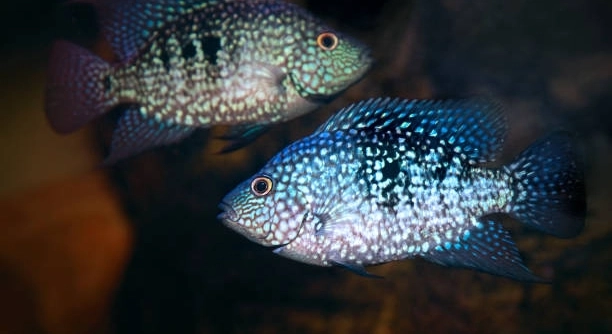
Jack Dempsey fish are known for their bold and aggressive behavior in aquariums, often establishing clear territories. Their vibrant colors and feisty nature make them popular, but conflicts with other fish can sometimes lead to serious confrontations.
When a Jack Dempsey fish loses a fight, it may experience stress, reduced appetite, and temporary hiding behavior. Physiological effects can include weakened immune response, minor injuries, and changes in social hierarchy within the tank environment.
Understanding how these fish react to conflicts is important for maintaining a balanced aquarium and ensuring their long-term health and well-being.
Recognizing Signs of Stress in Jack Dempsey Fish
When a Jack Dempsey loses a fight, their behavior can change noticeably. They may hide more often, avoiding areas they previously patrolled confidently. Their fins might appear clamped or slightly damaged from minor skirmishes. Appetite changes are common, and they may eat less or refuse food temporarily. Stress can also manifest as duller coloration, making their normally vibrant scales look muted. In some cases, fish may pace along tank walls or hover near the bottom. These signs indicate that the fish is recovering from the confrontation. Observing these behaviors closely allows you to respond appropriately, adjusting tank conditions or separating fish if necessary. Providing ample hiding spots, proper water conditions, and minimal disturbances helps reduce stress and promotes healing. Over time, most Jack Dempsey fish will regain confidence and resume normal behaviors, but consistent monitoring is essential to prevent ongoing stress-related health issues.
Stress signs are usually temporary but need attention to maintain fish health and tank harmony.
Proactive care includes monitoring water quality, ensuring proper diet, and offering enrichment like plants or rocks. Separating aggressive tank mates can prevent repeated fights. A calm environment allows the fish to recover more quickly. Understanding stress responses helps maintain a peaceful tank and reduces the risk of injury or disease in Jack Dempsey fish.
Healing and Recovery After a Fight
Proper recovery begins with maintaining clean, stable water conditions and a consistent feeding schedule.
Healing may take several days, depending on the fish’s injuries and stress levels. Minor fin damage usually regenerates quickly, while more severe injuries require careful observation. Providing secluded areas encourages hiding and resting, which reduces further confrontation. Nutrient-rich food can support recovery, enhancing immune response. Monitoring interactions between fish is important to prevent repeat aggression. Adjusting tank mates or rearranging decorations can reduce territorial disputes. Regular water testing and maintenance ensure a safe environment, preventing secondary infections. Recovery also involves patience, as stressed fish may take time to return to normal behavior. Observing subtle changes like renewed activity, regained appetite, and brighter colors signals healing progress. By carefully supporting recovery, Jack Dempsey fish can return to their usual confident and active selves. Maintaining a balanced tank setup ensures future encounters remain less stressful and reduces the likelihood of injury.
Preventing Future Fights
Separating aggressive fish and providing hiding spots reduces repeated conflicts. Adjusting tank size and layout helps create territories and minimizes stress for all inhabitants.
Keeping Jack Dempsey fish in a sufficiently large tank is essential to prevent overcrowding. Adding rocks, caves, or plants allows fish to establish personal spaces, reducing the likelihood of constant skirmishes. Observing interactions early helps identify aggressive behavior before it escalates. Feeding at consistent times and in multiple locations also prevents competition. By carefully managing tank conditions, fights can be minimized, and the overall health of the fish improves, promoting a calmer, more balanced environment.
Maintaining water quality supports prevention as well. Poor conditions increase irritability, making fish more prone to aggression. Regular monitoring of temperature, pH, and ammonia levels keeps fish comfortable and less likely to attack tank mates. Combining environmental management, careful observation, and proper nutrition reduces stress and discourages fights, allowing Jack Dempsey fish to thrive while coexisting peacefully in shared tanks.
Understanding Social Hierarchy
Jack Dempsey fish naturally form a social hierarchy, influencing behavior and interactions in the tank. Dominant fish assert territory and control feeding areas, while subordinate fish adjust their behavior to avoid conflict.
Hierarchy affects feeding patterns and movement within the tank. Subordinate fish may hide more often or defer to dominant fish during meal times. Recognizing these roles helps in managing aggression and stress. Changes in hierarchy can occur if a dominant fish is removed or weakened, which may temporarily increase fights as new ranks are established. Careful observation ensures subordinate fish are not continuously stressed, allowing for a balanced social environment. Adjusting tank decorations or separating overly aggressive individuals helps maintain harmony and reduces injuries, ensuring all fish can coexist safely.
Signs of Injury After a Fight
Jack Dempsey fish may show torn fins, scratches, or slight scale damage after a confrontation. These injuries can make them more vulnerable to infection if not monitored closely.
Lethargy and unusual hiding behavior often accompany physical injuries. Fish may avoid swimming actively or interacting with others until fully recovered.
Supporting Immune Health
Providing a nutrient-rich diet strengthens the immune system and speeds recovery. Foods high in protein and vitamins help repair damaged tissues and reduce stress. Regular feeding schedules and avoiding overfeeding maintain digestive health, which supports overall immunity. A stable, clean environment further minimizes risks of illness, allowing the fish to regain strength efficiently.
Monitoring Behavior Changes
Observing changes in swimming patterns, color, and social interactions helps detect lingering effects of stress or injury. Early attention prevents long-term problems and promotes recovery.
FAQ
What should I do if my Jack Dempsey fish loses a fight?
First, separate the fish if injuries are visible or if repeated aggression occurs. Ensure the tank has plenty of hiding spots like rocks, caves, or plants. Keep water conditions stable, maintaining proper temperature, pH, and cleanliness. Feeding a nutrient-rich diet helps reduce stress and supports healing. Monitor behavior daily, watching for signs of lethargy, clamped fins, or lack of appetite. Recovery may take a few days to a couple of weeks depending on the severity of injuries and stress levels.
How can I tell if my fish is stressed after a fight?
Stress shows in behavior and appearance. The fish may hide constantly, swim irregularly, or stay at the bottom of the tank. Color may fade, fins can appear clamped, and appetite may decrease. In some cases, fish may pace along tank walls or act skittish around other fish. Observing these behaviors early helps prevent worsening health problems. Stress can also make fish more prone to infections or slow healing of minor injuries. Providing a calm environment with stable water parameters is essential for recovery.
How long does it take for a Jack Dempsey to recover after a fight?
Recovery time varies based on the fish’s age, health, and severity of injuries. Minor scratches or fin damage usually heal within a few days, while more serious injuries may take a couple of weeks. Stress recovery may take longer, especially if the fish continues to interact with aggressive tank mates. Monitoring food intake, activity levels, and coloration provides insight into recovery progress. Providing hiding spaces, calm surroundings, and proper nutrition accelerates healing and prevents further conflicts. Avoid sudden changes in the tank during this time.
Can repeated fights affect my Jack Dempsey’s long-term health?
Yes, repeated aggression increases stress levels, weakens the immune system, and can lead to chronic injuries. Continuous stress can cause stunted growth, dull coloration, and susceptibility to disease. Maintaining a proper tank size and environment reduces repeated conflicts. Observing interactions and adjusting tank mates is critical. Providing a structured layout with sufficient hiding spaces and territories helps minimize repeated aggression. Ensuring fish are not overcrowded allows each individual to maintain space and reduces constant territorial disputes. Long-term monitoring is key to keeping fish healthy.
How can I prevent fights between Jack Dempsey fish?
Use a sufficiently large tank and create distinct territories with decorations, rocks, and plants. Avoid overcrowding and monitor interactions to catch early signs of aggression. Feeding in multiple locations reduces competition and ensures all fish receive proper nutrition. Introducing new fish gradually and avoiding adding multiple dominant individuals at once helps maintain harmony. Separating highly aggressive fish temporarily or permanently can prevent repeated fights. Regular water maintenance and stable conditions reduce stress-related aggression, creating a calmer environment for all tank inhabitants.
Do Jack Dempsey fish eventually return to normal behavior after a fight?
Most fish recover behaviorally once injuries heal and stress decreases. They may initially hide more and show reduced appetite but gradually regain confidence and resume normal swimming and feeding routines. Stable water conditions, proper nutrition, and a calm environment support this process. Observing interactions with other fish helps ensure the hierarchy stabilizes without continued stress. Over time, healthy Jack Dempsey fish often return to their vibrant, active selves, showing normal territorial behavior while coexisting peacefully in the tank.
Is it necessary to medicate a Jack Dempsey fish after a fight?
Medication is only needed if visible infections or open wounds appear. Minor scratches and fin damage usually heal naturally in clean, stable water. Adding antibacterial treatments may help prevent infection if injuries seem severe or the fish is showing signs of illness. Always follow dosage instructions carefully to avoid stress from chemical exposure. Maintaining optimal water quality and minimizing stress is often enough to allow natural healing without the need for medication. Regular observation ensures timely intervention if problems develop.
What environmental changes help reduce aggression?
Adding rocks, caves, or plants creates natural hiding spots, helping fish establish territories. Increasing tank size and rearranging decorations can break up dominant fish territories and reduce conflict. Stable water parameters prevent irritability. Feeding multiple times and in separate areas minimizes competition. Avoid adding aggressive species together, and separate fish if repeated fights occur. A balanced environment reduces stress and promotes peaceful coexistence.
Can diet affect aggression in Jack Dempsey fish?
Yes, a poor or inconsistent diet can increase irritability and competition. Feeding a protein-rich, balanced diet supports health and reduces stress-related aggression. Offering food in multiple areas ensures all fish eat adequately. Avoid overfeeding, as excess waste can reduce water quality and contribute to aggression. Consistent feeding schedules help maintain a calmer, healthier tank environment.
Final Thoughts
Jack Dempsey fish are naturally aggressive and territorial, which can lead to fights in a shared tank. Understanding how they behave during and after confrontations is important for keeping them healthy. When a fish loses a fight, stress and minor injuries are common. Providing a stable environment with clean water, proper temperature, and balanced nutrition helps them recover quickly. Observing behavior such as hiding, reduced activity, or clamped fins allows you to take action before stress becomes a serious problem. Simple measures like adding hiding spots, rearranging decorations, and feeding in multiple locations can make a significant difference. These steps reduce conflict, support healing, and help maintain a peaceful environment in the tank. Even dominant fish benefit from well-planned spaces and predictable routines.
Recovery from a fight depends on the severity of injuries and the individual fish’s health. Minor scratches or torn fins usually heal within a few days, while stress recovery can take longer. During this period, it is crucial to avoid additional stressors, such as overcrowding or sudden changes in water conditions. Providing nutrient-rich food helps repair tissue and supports the immune system. Monitoring interactions between tank mates prevents repeated conflicts, ensuring that subordinate fish are not constantly harassed. Over time, most Jack Dempsey fish regain normal behavior, coloration, and confidence. Maintaining a calm, stable environment not only helps injured fish recover but also reduces the likelihood of future fights. By paying attention to both the physical and behavioral needs of the fish, you can create a balanced tank where all individuals thrive.
Preventing fights in the first place is always better than responding to them after they occur. Tank size, layout, and the number of fish all influence aggression levels. Providing enough space and establishing clear territories helps fish coexist peacefully. Regular water maintenance, careful observation, and proper nutrition further support a healthy tank environment. Understanding social hierarchy and allowing subordinate fish space to retreat reduces stress and improves overall well-being. Aggression may never disappear entirely, but with proper planning and management, conflicts can be minimized. Consistent attention to the needs of your Jack Dempsey fish promotes long-term health, vibrant coloration, and natural behavior. By combining careful observation, environmental management, and supportive care, you can ensure your fish live in a safer, less stressful, and more harmonious tank.

Hello,
If you enjoy the content that we create, please consider saying a "Thank You!" by leaving a tip.
Every little bit helps us continue crafting quality advice that supports the health, happiness, and well-being of pets around the world, for pets of all shapes, sizes, and species.
We really appreciate the kindness and support that you show us!