
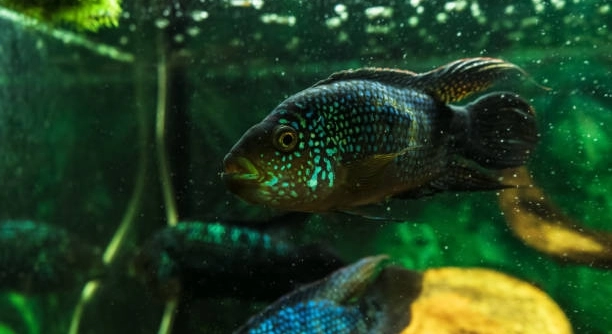
Have you ever wondered how to keep Jack Dempsey eggs safe in your aquarium? These delicate eggs need careful attention, consistent water conditions, and a calm environment to thrive and develop properly into healthy fry.
Protecting Jack Dempsey eggs involves monitoring water parameters, preventing fungal infections, and minimizing disturbances from other fish. Providing a stable environment, removing debris, and observing parental care ensures a higher survival rate for the developing embryos.
Following these steps will help your eggs grow safely, giving you a better chance at successfully raising healthy Jack Dempsey fry.
Setting Up a Safe Spawning Area
Creating a safe environment for Jack Dempsey eggs starts with the right tank setup. Choose a tank with calm water, stable temperature, and plenty of hiding spaces for the parents. Soft substrate, rocks, and caves can help reduce stress and give the adults a secure area to care for the eggs. Avoid placing aggressive or large tankmates nearby, as they may harm the eggs or disturb the parents. Water quality is also crucial. Keep ammonia and nitrite levels at zero, and maintain stable pH and temperature. Gentle filtration is best to avoid strong currents that could dislodge the eggs. Regularly check the tank to ensure there are no signs of fungus or debris accumulating near the eggs. Observing the parents’ behavior will give clues about stress or problems. A well-prepared environment makes a big difference in protecting the eggs.
Keeping the area calm and free of disturbances increases egg survival and reduces the chance of damage from stress.
Providing a dedicated, quiet section of the tank allows parents to focus on egg care. Rocks, plants, and gentle lighting help the eggs stay protected. Regular monitoring and minor adjustments to water parameters ensure the environment remains safe. Even small improvements, like trimming plants or adjusting decorations, can prevent accidental egg loss. Over time, parents will become accustomed to the setup, reducing stress and improving their care. Maintaining a predictable routine, such as consistent feeding and water maintenance, also supports egg health. By combining a stable environment, careful observation, and minor modifications, you can create the best conditions for Jack Dempsey eggs to develop successfully, resulting in higher hatch rates and healthier fry.
Monitoring Water Quality
Water quality is essential for healthy egg development. Poor conditions can lead to fungus, deformities, or failed hatching.
Maintaining stable parameters requires frequent testing and timely adjustments. Temperature, pH, and hardness should remain consistent. Regular water changes prevent the buildup of toxins, and using a gentle filter helps circulate water without disturbing eggs. Observing water clarity and removing uneaten food or debris can prevent fungal infections. Avoid sudden chemical changes, such as adding treatments that might shock the eggs. Parents are sensitive to fluctuations, so keeping conditions consistent reduces stress. Automatic heaters, reliable thermometers, and test kits help maintain stability. Small measures, like covering the tank to reduce external light and vibrations, also protect eggs. Tracking daily changes in water parameters allows early detection of potential problems. Combining careful monitoring, preventive cleaning, and attention to parental behavior ensures the eggs have the best chance to develop into healthy fry. Regular diligence is key to successful egg protection.
Controlling Parental Behavior
Some Jack Dempsey parents may accidentally harm their eggs. Observing them closely helps prevent losses. Removing overly aggressive fish from the tank or separating the eggs can reduce risks.
Keeping parents calm improves egg survival. Stress or agitation can cause them to eat or move eggs. Providing hiding spots and gentle lighting gives the adults security. If aggression continues, temporarily relocating one parent may protect the clutch. Monitoring their behavior daily allows timely interventions, such as removing debris or adjusting tank arrangements. Calm parents are more likely to care for the eggs properly, fanning them and guarding them from potential threats.
Encouraging natural parental care while minimizing disturbances ensures a higher survival rate. Avoid touching eggs unnecessarily and maintain consistent feeding schedules for the adults. Subtle changes, like rearranging rocks or trimming plants, can help reduce conflicts. If fungal growth appears, carefully remove affected eggs without disturbing the healthy ones. Over time, consistent observation and thoughtful adjustments help parents maintain proper care, giving the eggs the best chance to hatch successfully.
Using Anti-Fungal Measures
Preventing fungus is critical for Jack Dempsey eggs. Fungal growth can quickly destroy a clutch if not addressed. Maintaining clean water and removing debris minimizes risk.
Adding natural antifungal agents or mild treatments can protect eggs without harming parents. Salt baths, in small controlled amounts, may reduce fungal outbreaks. Avoid harsh chemicals, which could stress the adults or damage embryos. Regularly inspecting eggs for discoloration or fuzzy growth allows early action. Removing infected eggs carefully prevents the spread to healthy ones. Gentle aeration and stable temperature also limit fungus development. Combining preventive care, observation, and minor treatments ensures the eggs remain healthy.
Consistent attention to egg health reduces the likelihood of fungal problems. Simple daily checks and minor interventions can make a significant difference in hatch success. Healthy eggs require stable conditions, calm parents, and clean water, all of which reduce stress and fungal vulnerability. Even small steps, like siphoning debris or lightly adjusting water flow, help maintain a safe environment. By acting promptly when issues arise and keeping preventive measures in place, you support proper development, giving the eggs a higher chance to reach hatching safely.
Maintaining Stable Temperature
Jack Dempsey eggs are sensitive to sudden temperature changes. Keeping the water within a consistent range helps prevent stress and developmental issues.
Using a reliable heater and thermometer ensures the temperature stays steady. Avoid placing the tank near drafts, windows, or heating vents, which can create fluctuations and harm the eggs.
Gentle Water Flow
Strong currents can dislodge eggs or stress the parents. Adjusting filters to produce a gentle flow protects both the eggs and adult fish. Maintaining calm water allows parents to fan eggs effectively, keeping them oxygenated and free from debris.
Careful Feeding
Overfeeding the adults can dirty the tank and endanger eggs. Provide small, controlled portions to maintain clean water and healthy parents.
Removing Dead Eggs
Dead eggs can spread fungus quickly. Removing them promptly helps protect healthy eggs and supports better development for the remaining clutch.
How do I know if my Jack Dempsey eggs are healthy?
Healthy eggs are usually clear or slightly yellowish and have a firm, round appearance. They should be attached to a flat surface like a rock or the tank bottom. Avoid eggs that look cloudy, opaque, or have fuzzy white spots, as these often indicate fungus. Observing the parents’ care is also helpful. Adults that consistently fan the eggs and guard them are more likely to have a healthy clutch. Daily checks can help you spot any issues early and take action before more eggs are affected.
Can I move the eggs to a separate tank?
Yes, but only if necessary. Moving eggs should be done carefully to avoid shaking or damaging them. Use a soft net or container, and ensure the new tank has identical water conditions. Sudden changes in temperature, pH, or hardness can stress the eggs and reduce survival rates. If you must separate them from aggressive parents, replicate the original environment as closely as possible. Adding gentle aeration and providing hiding spaces can help the eggs remain safe in their new location.
What is the best water temperature for Jack Dempsey eggs?
Jack Dempsey eggs develop best in water between 78 and 82°F (25-28°C). Temperatures outside this range can slow development or cause deformities. Sudden fluctuations, even by a few degrees, may stress the parents or the embryos. Using a reliable heater and thermometer is essential. Avoid placing the tank near windows, air vents, or heaters that can create uneven temperatures. Consistency is more important than minor differences within the ideal range. A stable, calm environment promotes proper growth and increases hatch rates.
How do I prevent fungus from forming on the eggs?
Fungal infections often appear as fuzzy white growths on eggs. Maintaining clean water and removing debris are the first steps in prevention. Gentle water flow helps keep eggs oxygenated and reduces fungal buildup. If needed, mild antifungal treatments or controlled salt baths can protect eggs without harming adults. Avoid strong chemicals or excessive handling, which can stress the parents or damage the embryos. Daily monitoring allows early removal of affected eggs, preventing fungus from spreading to healthy ones.
How often should I check on the eggs?
Daily observation is ideal. Briefly inspect the clutch to make sure the eggs are intact, clean, and free of fungus. Watch the parents for consistent care, fanning, and guarding behavior. Frequent monitoring helps you notice any changes in water quality, egg health, or parental aggression. Small adjustments, like removing debris or trimming plants, can make a significant difference. Avoid overhandling the eggs, which can stress the adults and increase the risk of accidental damage.
What should I do if a parent eats the eggs?
Parental egg-eating is common, especially under stress or if the eggs are damaged. If this happens repeatedly, consider temporarily separating one parent to reduce aggression. Check water quality, provide hiding spots, and ensure parents are well-fed. Sometimes, improving tank conditions or reducing disturbances is enough to prevent further losses.
How long does it take for Jack Dempsey eggs to hatch?
Hatching usually occurs in 3 to 5 days, depending on water temperature. Warmer water speeds up development, while cooler water slows it down. Eggs should remain undisturbed during this period, and parents should be allowed to care for the clutch naturally. Monitor for fungus or dead eggs and remove any issues promptly to improve survival rates.
Can I use chemical treatments if fungus appears?
Chemical treatments should be a last resort. Mild antifungal agents or small, controlled doses of aquarium salt are safer options. Strong chemicals can harm both eggs and adults. Preventive measures like clean water, gentle flow, and careful monitoring are more effective than reactive chemical use. Always follow dosing instructions carefully to avoid further problems.
What is the best way to handle dead eggs?
Remove dead eggs immediately using a soft tool or net. Leaving them in the tank can spread fungus to healthy eggs. Be careful not to disturb the surrounding clutch while removing affected eggs. Daily inspection and gentle handling reduce the risk of accidental damage. Proper removal helps maintain a healthy environment for the remaining eggs and increases the chance of successful hatching.
How do I support the fry after hatching?
Once the eggs hatch, parents usually continue guarding the fry for several days. Provide small, frequent feedings like baby brine shrimp or finely crushed fish food. Maintain stable water parameters and avoid sudden changes in temperature or flow. Monitor fry growth and gradually introduce them to more substantial food as they develop. Protecting the fry from aggressive tankmates and maintaining clean water are key to ensuring they thrive.
Raising Jack Dempsey eggs can feel challenging at first, but with careful attention and patience, it becomes much more manageable. The key is creating a stable environment where both the eggs and the parents feel secure. Proper water conditions, including temperature, pH, and cleanliness, are essential for the eggs to develop without complications. Gentle filtration and calm water flow help prevent eggs from being dislodged or stressed. Observing the parents regularly gives important insight into how the eggs are faring. Calm and attentive parents are more likely to fan and guard the eggs consistently, which improves survival rates. Removing debris, maintaining hiding spots, and minimizing disturbances can make a noticeable difference. Even small steps, like adjusting decorations or trimming plants, contribute to creating a safe and supportive environment for the eggs.
Another critical factor is preventing fungal growth. Fungi can quickly destroy a clutch if not caught early. Daily checks for any fuzzy white patches or discolored eggs help identify problems before they spread. Dead eggs should be removed carefully to protect healthy ones, and mild antifungal measures or small doses of aquarium salt can be used when necessary. Avoid strong chemicals, as they can harm both the eggs and the adult fish. Consistent observation and quick intervention allow the eggs to remain healthy throughout their development. Proper care of the parents also supports fungal prevention. Well-fed, unstressed adults are less likely to harm the eggs and more likely to maintain proper fanning and guarding behavior.
Finally, patience and consistency are crucial throughout the entire process. Jack Dempsey eggs are delicate, and even small disruptions in their environment can lead to losses. Maintaining stable conditions, monitoring parental behavior, and addressing problems promptly all work together to improve hatch rates. Once the eggs hatch, continued care of the fry is just as important. Providing appropriate food, keeping the water clean, and protecting them from aggressive tankmates ensures the young fish grow healthy and strong. Over time, following these simple steps becomes routine and helps create a reliable approach to breeding and raising Jack Dempsey fish successfully. Consistency, observation, and a calm environment are the foundation of success when working with these eggs, and careful attention will lead to healthier, thriving fry in your aquarium.

Hello,
If you enjoy the content that we create, please consider saying a "Thank You!" by leaving a tip.
Every little bit helps us continue crafting quality advice that supports the health, happiness, and well-being of pets around the world, for pets of all shapes, sizes, and species.
We really appreciate the kindness and support that you show us!