
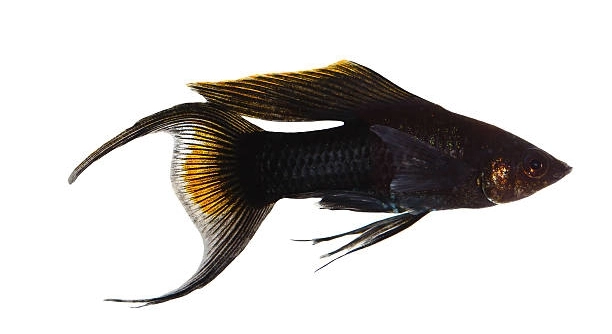
Fry are delicate little fish that respond quickly to their surroundings. Frequent disturbances in their environment can make them jumpy and stressed, affecting how they swim and interact with each other. Many fish owners may notice subtle changes in behavior.
When fry are startled often, they experience increased stress levels that can hinder growth, weaken immune systems, and reduce overall survival rates. Continuous disturbance may also lead to erratic swimming patterns and decreased feeding efficiency, impacting population health.
Learning how repeated stress affects fry can help you create a calmer environment. Small changes in care can make a significant difference for their growth and well-being.
How Frequent Startling Affects Fry Behavior
Fry that are startled often tend to exhibit frantic swimming and sudden darting motions. This constant stress can make it difficult for them to rest or feed properly. Over time, their energy is drained, and they may appear smaller or weaker than fry in calmer conditions. Stress can also affect how they school, causing scattered groups instead of tight formations. Some fry may hide more often, sticking close to plants or decorations, which reduces their exposure to food. When multiple fry are startled together, panic can spread quickly through the tank. This can make the environment chaotic and make it harder to maintain healthy feeding routines. Even small disturbances, like sudden movements near the tank or loud noises, can trigger these reactions. Minimizing such stressors creates a more stable environment, allowing fry to grow steadily and develop normal behaviors. Consistent calm conditions also reduce the risk of disease and improve survival rates overall.
Stress from repeated startling can stunt growth and lower immunity, making fry more vulnerable to illness and death in extreme cases.
Maintaining a calm environment is crucial. Fry benefit from hiding spots and gentle water movement, which reduce the frequency of startling. Consistent feeding schedules and minimal tank disturbances allow fry to focus energy on growth and development. Observing fry closely helps identify early signs of stress before serious problems occur. Adjusting lighting, reducing sudden noise, and avoiding tapping the tank can all improve comfort. By controlling these factors, fry can swim more naturally, feed efficiently, and develop stronger immune systems. Over time, this leads to healthier, more active fish that are better equipped to thrive. Small changes in handling and observation make a big difference in maintaining fry health.
Preventing Frequent Startle Reactions
Providing a quiet and stable environment helps fry feel secure and reduces erratic behavior.
Avoiding sudden movements near the tank, maintaining consistent water temperature, and creating gentle water flow can make a big difference. Introducing hiding places like plants or small decorations gives fry a sense of safety. Monitoring water quality regularly prevents additional stress from poor conditions. Limiting sudden lights or shadows over the tank also reduces startling. Feeding at consistent times helps fry associate the environment with calm routines. By paying attention to these small adjustments, the tank becomes a safer space for fry to grow and thrive.
Stress from repeated startling can have long-term effects on fry health and development. Prolonged exposure to frequent disturbances may cause chronic stress, which suppresses the immune system and makes fry more susceptible to infections and disease. Growth rates can slow, and some fry may fail to develop properly. Behavioral issues, such as erratic swimming or social withdrawal, can persist even after conditions improve. Providing environmental enrichment like plants, gentle water flow, and consistent lighting helps fry feel secure. Minimizing human-caused disturbances, such as tapping the tank or sudden movements, is equally important. Stable feeding schedules encourage natural foraging and energy use, promoting growth. Over time, these practices improve fry survival rates and overall vitality. Regular observation allows owners to detect early signs of stress, ensuring timely adjustments. A calm, consistent tank environment ultimately supports healthier fry that develop normal behaviors and strong immune systems.
Environmental Factors That Trigger Startling
Sudden movements, loud noises, and vibrations near the tank can startle fry instantly. Bright lights or rapid changes in lighting also contribute. Even small disturbances like tapping the glass or adjusting decorations may cause immediate stress responses. Consistency in the tank environment helps reduce these reactions.
Fry are highly sensitive to changes in their surroundings. Inconsistent water flow or temperature fluctuations can create unexpected sensations, making them dart or hide. Strong currents or bubbles from filters may also trigger stress, especially in smaller or weaker fry. Plants and decorations provide safe spots, allowing fry to escape perceived threats. Limiting sudden environmental changes ensures calmer, more predictable behavior and supports healthy development over time.
Overcrowding or poor water quality further amplifies startling responses. High population density forces fry to compete for space and food, creating additional stress. Ammonia or nitrite spikes can also irritate sensitive fry, making them more reactive. Maintaining proper water parameters, gentle filtration, and adequate hiding places ensures a more stable environment. Controlled conditions let fry focus on feeding and growth instead of constant defense, which ultimately improves survival rates and overall well-being.
Feeding and Handling Considerations
Feeding routines and handling practices can unintentionally startle fry. Quick movements near the tank or sudden food drops can cause stress. Consistency helps minimize these reactions.
Fry respond best to calm, measured feeding. Slowly sprinkling food in small amounts prevents frenzied darting and ensures all fry have access to nutrition. Avoid shaking the tank or tapping the glass, as this can trigger immediate stress responses. Gentle observation during feeding helps identify shy or weak fry that may need special attention. Regular, predictable feeding schedules encourage natural foraging behavior and reduce energy wasted on escaping disturbances.
Handling fry directly should be minimized. Using nets carefully and avoiding unnecessary transfers lowers stress. When moving fry for tank cleaning or water changes, doing so slowly and steadily prevents panic. Equipment like siphons or containers should be introduced gradually, allowing fry to adjust without sudden shocks. Over time, consistent, careful handling paired with calm feeding routines supports healthier growth, steadier swimming patterns, and stronger immune systems. This approach reduces mortality and promotes long-term fry development while maintaining a more peaceful tank environment.
Light and Noise Sensitivity
Fry are very sensitive to sudden bright lights and loud noises. Flickering lights or loud sounds near the tank can trigger instant darting or hiding behaviors. Keeping lighting consistent and minimizing noise helps fry remain calm and focused on feeding and swimming.
Even small vibrations from nearby movement or equipment can startle fry. Placing the tank in a quiet, stable location reduces these disturbances. Soft, indirect lighting and avoiding sudden changes create a more comfortable environment.
Tank Layout and Decorations
The arrangement of plants, rocks, and hiding spots strongly influences fry behavior. A well-structured tank provides security, reduces startling, and encourages natural swimming patterns. Sparse or open tanks leave fry exposed, increasing stress. Dense, safe zones allow fry to explore while feeling protected.
Water Quality Impact
Poor water quality, such as high ammonia or nitrite levels, increases fry sensitivity. Unstable water parameters make fry more reactive to even minor disturbances, affecting growth and survival.
Observing Stress Indicators
Noticing erratic swimming, hiding, or reduced feeding can indicate stress in fry. Early observation allows timely adjustments to environment and care practices, improving overall health.
FAQ
How can I tell if my fry are stressed from being startled?
Fry that are stressed often show rapid, erratic swimming or sudden darting around the tank. They may hide more than usual, stick close to plants or decorations, and feed less. Over time, stressed fry may appear smaller or weaker than others and can show slowed growth or lethargy. Watching for these behaviors regularly helps you catch problems early before they affect overall health.
What are the main causes of fry being startled frequently?
Frequent startling often comes from sudden movements near the tank, loud noises, flickering lights, or vibrations. Poor water quality, strong currents, or overcrowding can also make fry more reactive. Even small disturbances, like tapping the glass or rapidly adding food, can trigger stress responses. Consistent environmental conditions reduce these triggers and help fry remain calm.
How does water quality affect fry reactions?
Fry are highly sensitive to ammonia, nitrite, and pH fluctuations. Even minor changes can make them more reactive to stimuli, causing darting or hiding. Stable water parameters, regular testing, and partial water changes keep the environment predictable and calm. Fry in clean, stable water are less likely to overreact to normal tank activity.
What tank setup helps reduce startling?
A tank with plenty of plants, hiding spots, and gentle water flow provides security. Avoid overly open layouts where fry feel exposed. Decorations and plants allow fry to explore while escaping perceived threats. Soft, indirect lighting and placement away from high-traffic areas or loud appliances also lowers stress levels.
Does handling fry make them more stressed?
Yes, direct handling should be minimized. Nets and transfers, if done abruptly, can trigger panic and increase stress. When necessary, handle slowly and steadily, introducing equipment gradually. Limiting handling allows fry to focus energy on growth and feeding rather than constant defense.
How can feeding practices reduce stress?
Feeding should be calm and consistent. Slowly sprinkling small amounts of food prevents frenzied darting. Observing fry while feeding helps identify shy or weak individuals. Predictable feeding schedules encourage natural foraging and reduce wasted energy from sudden escapes, helping fry grow more steadily.
Can light and noise changes be controlled effectively?
Yes, placing the tank in a quiet area away from loud appliances and human traffic reduces startling. Avoid flickering or rapidly changing lights. Using indirect or dim lighting helps fry feel secure and prevents sudden panic movements.
What long-term effects can frequent startling have on fry?
Chronic stress from repeated startling can stunt growth, weaken the immune system, and reduce survival rates. Behavioral issues like erratic swimming or hiding may persist even after conditions improve. Maintaining a calm environment, consistent feeding, and careful handling mitigates these long-term effects.
Is overcrowding a concern for fry stress?
Overcrowding increases competition for space and food, making fry more reactive to disturbances. Providing adequate space per fish, along with hiding spots and enrichment, reduces stress and encourages natural behaviors. Regular monitoring ensures tank population remains suitable for fry development.
How often should I observe fry for stress signs?
Daily observation is best. Watching for sudden darting, hiding, reduced feeding, or lethargy allows quick adjustments. Regular checks on water quality, temperature, and tank conditions complement behavioral monitoring, ensuring fry remain in a stable and calm environment.
What steps should I take if fry show signs of stress?
First, check water quality and correct any imbalances. Reduce disturbances, improve tank layout with hiding spots, and maintain consistent feeding routines. Adjust lighting and minimize handling. These measures help fry calm down, regain normal swimming and feeding habits, and support healthy growth and survival.
Are certain fry species more sensitive to startling?
Yes, some species are naturally more skittish and prone to stress. Smaller fry or those with delicate bodies react more strongly to sudden changes. Researching species-specific needs and adjusting tank conditions accordingly can prevent excessive stress and improve survival outcomes.
Can environmental enrichment help fry feel safer?
Providing plants, rocks, or gentle currents allows fry to escape threats and explore safely. A structured, enriched environment reduces stress responses, encourages normal behavior, and promotes healthier growth by giving fry control over their surroundings.
How does temperature stability affect fry behavior?
Sudden temperature changes can startle fry and increase stress. Consistent water temperature within the species’ preferred range ensures fry swim calmly, feed efficiently, and develop without interruptions caused by environmental stressors.
Final Thoughts
Fry are delicate creatures that need a calm and stable environment to thrive. Frequent startling can cause stress, affecting their growth, behavior, and overall health. Even small disturbances, like tapping the glass or sudden movements near the tank, can make fry dart, hide, or swim erratically. Over time, this constant stress can slow development and make fry more vulnerable to illness. Creating a predictable environment helps fry feel safe and allows them to focus on natural behaviors like feeding and exploring. Simple steps, such as consistent lighting, gentle water flow, and carefully placed decorations, can make a significant difference in reducing stress.
Observing fry closely is an important part of maintaining a healthy tank. Watching for signs of stress, such as hiding, erratic swimming, or reduced feeding, helps identify problems early. Water quality, temperature, and tank layout all influence how fry react to disturbances. Poor water conditions or overcrowding can amplify stress and make fry more reactive to minor changes. By monitoring these factors and making small adjustments, you can improve their comfort and promote better growth. Even small changes, like adding hiding spots or adjusting feeding routines, can help fry feel more secure. Calm handling and predictable routines prevent unnecessary stress, allowing fry to develop normal behaviors and stronger immune systems over time.
Providing a stable and safe environment requires ongoing attention but offers lasting benefits. Fry raised in calm conditions grow steadily, feed efficiently, and are less likely to develop behavioral issues. Stress reduction not only improves survival rates but also supports long-term health, making it easier to maintain a thriving tank. Planning the tank setup, observing fry regularly, and minimizing sudden disturbances are simple but effective ways to support their development. Over time, these efforts create a healthier, more balanced environment where fry can grow naturally and reach their full potential. The combination of careful observation, proper care, and attention to environmental factors ensures that fry remain active, healthy, and well-adjusted as they mature.

Hello,
If you enjoy the content that we create, please consider saying a "Thank You!" by leaving a tip.
Every little bit helps us continue crafting quality advice that supports the health, happiness, and well-being of pets around the world, for pets of all shapes, sizes, and species.
We really appreciate the kindness and support that you show us!