
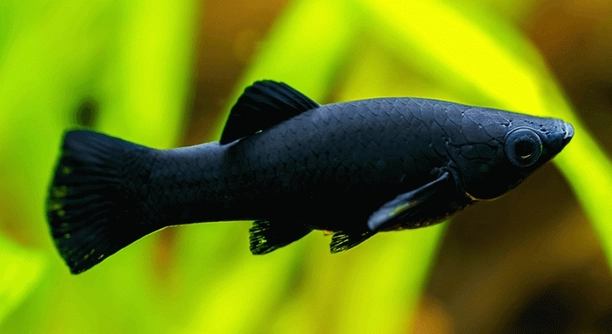
Do you ever find yourself hoping to add more life to your Black Molly tank by growing aquatic plants that thrive with your fish? Creating the right balance can feel simple with a few tips.
Growing plants in a Black Molly tank requires stable water parameters, adequate lighting, and compatible aquatic species that support plant health. Maintaining nutrients, monitoring algae growth, and ensuring proper substrate conditions contribute to successful plant development within this environment overall.
These practical steps reveal how small adjustments create a thriving balance for tank, helping plants grow stronger for healthier result.
Choosing the Right Plants for Your Black Molly Tank
Selecting plants that adapt well to your tank makes everything easier, especially when you want steady growth without constant adjustments. I like keeping things simple by focusing on hardy options that handle different conditions. Plants such as Java fern, Anubias, and hornwort usually settle in quickly and stay healthy with minimal care. These plants tolerate the moderate hardness and slightly alkaline water that Black Mollies prefer, so they fit naturally into the setup. Adding floating plants can also help soften the lighting and create gentle shade, which reduces stress for both the plants and the fish. Keeping a balanced layout not only looks pleasant but also supports better water quality since healthy plants absorb nitrates. When selecting new plants, choose ones free of pests and decay to set a good foundation.
Choosing plants that match your tank’s conditions keeps maintenance simple and encourages healthier growth without constant adjustments.
Once these plants adapt, they create a stable environment that benefits the overall tank. Their steady growth helps limit algae and improves water clarity, which makes the tank feel more peaceful. Keeping a few reliable species also reduces the need for frequent replanting or troubleshooting since they typically respond well to basic care. A simple selection helps maintain better consistency, allowing you to focus on keeping the tank comfortable for your fish.
Maintaining Proper Lighting and Water Conditions
Good lighting and stable water conditions help plants grow in a predictable way. I find that moderate lighting works best because it encourages healthy growth without creating unnecessary algae. Keeping the water parameters steady helps plants stay strong.
Balanced lighting paired with consistent water quality makes plant growth smoother. Using a timer keeps your light cycle predictable, which prevents stress on the plants. Aim for lighting that supports growth without overpowering the tank, since strong lights often trigger algae. Regular testing ensures your water stays within ideal ranges for both the plants and the Black Mollies. Stable conditions stop sudden changes that might weaken plant structure. Maintaining these basics keeps the plants active and responsive. Adding root tabs or liquid fertilizers in small amounts gives plants the nutrients they need. With steady care, your tank remains comfortable and supports ongoing plant development while staying simple to manage.
Using Substrate for Strong Root Growth
A nutrient rich substrate helps plants anchor firmly and absorb what they need. I keep things simple by choosing substrates that support steady growth without constant dosing, which makes the tank easier to maintain over time.
Choosing a substrate that stays stable prevents plants from shifting or floating out of place. Fine gravel or plant specific mixes help roots spread evenly and hold nutrients longer. I prefer adding root tabs beneath heavy root feeders because it gives them a slow and consistent nutrient source. This keeps the tank clean while avoiding unnecessary buildups. A good substrate also encourages beneficial bacteria, which supports water stability. Once everything settles, the plants tend to grow more predictably and require fewer adjustments, making care more manageable.
Keeping the substrate clean helps plants stay healthy. I lightly vacuum the surface instead of digging deep, which prevents damaging the roots. Allowing some natural debris to remain provides gentle nourishment without overwhelming the tank. When the substrate stays undisturbed near the roots, the plants grow stronger and develop fuller leaves. This simple routine keeps the tank balanced and reduces unexpected issues, especially when combined with proper lighting and water care.
Managing Algae With Simple Methods
Controlling algae becomes easier when the tank stays balanced. I like keeping small habits that limit algae growth without stressing the plants. Stable lighting, consistent feeding, and regular water changes usually make the biggest difference in maintaining steady plant health.
Algae control works best when you prevent excess nutrients from building up. I avoid overfeeding and make sure the filter runs smoothly to keep the water clear. Trimming plants when needed helps them stay strong and reduces shaded spots where algae thrive. Adding fast growing plants can help absorb extra nutrients, lowering algae growth naturally. Keeping the lighting period steady avoids sudden spikes that lead to algae patches. With simple and steady habits, the tank stays clearer and the plants maintain healthier growth overall.
Adding Fertilizers Without Overdoing It
Using fertilizers lightly helps plants stay active without overwhelming the tank. I prefer starting with small doses so the plants can adjust slowly. This keeps growth steady and prevents unnecessary spikes that might encourage algae or stress the tank.
Liquid fertilizers and root tabs work well when used in moderation. I watch how the plants respond before adding more, which keeps everything balanced. This simple approach avoids buildup while giving the plants enough support to stay strong and healthy over time.
Keeping Water Flow Gentle
A gentle water flow helps plants move naturally while keeping debris from settling. I like adjusting the filter output so the current stays soft, which protects delicate leaves. Balanced flow improves oxygen levels and supports healthier plant growth without pushing stems out of place.
Choosing Compatible Tank Mates
Choosing peaceful tank mates prevents plants from being uprooted or damaged. I stick to calm species that respect the plants, helping the tank stay balanced and easier to maintain overall.
FAQ
How often should I trim plants in a Black Molly tank?
Trimming keeps plants healthy and prevents overcrowding. I usually trim once every two to three weeks, focusing on removing dead or yellowing leaves. This helps the plants redirect energy toward new growth. Light trimming also prevents floating debris from building up and keeps the tank visually neat. Removing excess growth improves water circulation and reduces algae buildup. Hardier plants like Anubias may need less frequent attention, while fast growers like hornwort can benefit from weekly pruning. I prefer using scissors dedicated to aquarium use to avoid contaminating the tank. Regular trimming creates space for new shoots and keeps older leaves from decaying, maintaining a healthier environment for both the plants and the Black Mollies.
What type of fertilizer works best for a Black Molly tank?
I rely on a combination of root tabs and liquid fertilizers. Root tabs are slow-release and provide nutrients directly to the roots of heavy feeders, while liquid fertilizers supplement water column nutrients for leaves. Using both in moderation avoids nutrient spikes that can encourage algae. I usually start with half the recommended dose and monitor plant response before increasing. Fast-growing plants respond quickly to added nutrients, while slower species like Anubias need less. Micronutrients like iron and potassium are important for vibrant leaves. I avoid fertilizers with high phosphorus levels, which can worsen algae issues. Keeping dosing consistent ensures steady growth without sudden imbalances.
Can Black Mollies damage plants?
Black Mollies are mostly peaceful, but they can nibble on soft leaves occasionally. I usually choose hardy plants that tolerate minor nibbling, such as Java fern and Anubias. Floating plants or dense stem plants help minimize stress for the fish while providing areas to explore. Mollies generally leave tougher or anchored plants alone, so selecting resilient species helps the tank remain stable. I’ve noticed that providing enough food reduces leaf nibbling, as hungry fish are more likely to test plants. Keeping plants healthy and rooted also prevents accidental uprooting, making maintenance easier. Observing fish behavior helps decide whether additional plant protection is needed.
How do I prevent algae in a planted Black Molly tank?
Algae control begins with balance. I keep lighting periods around 8–10 hours per day, avoid overfeeding, and perform weekly water changes. Fast-growing plants help absorb excess nutrients before algae can take hold. Floating plants can shade slower-growing species and reduce algae-prone spots. Removing visible algae during maintenance prevents it from spreading. Gentle water flow keeps surfaces cleaner and supports healthy oxygen levels. I sometimes add algae-eating snails or shrimp as a natural method, but only after confirming compatibility. Maintaining consistent water parameters prevents sudden changes that encourage algae growth. Preventive habits are far easier than corrective measures, and small steps make a big difference.
Do I need CO2 injections for plant growth?
CO2 injections are optional for most plants in a Black Molly tank. I’ve found that hardy species like Java fern, Anubias, and hornwort grow well without added CO2. Moderate lighting, stable water, and proper nutrients usually support steady growth. Adding CO2 can boost faster-growing plants but requires monitoring pH and fish safety. For beginners, keeping it simple without injections is more manageable. I focus on natural nutrient balance first, and CO2 becomes useful only if pursuing highly demanding plants. Observing plant growth over time helps decide if extra supplementation is necessary. Too much CO2 without monitoring can stress fish, so simplicity works best.
How do I acclimate new plants to my Black Molly tank?
I rinse new plants thoroughly to remove debris and potential pests before adding them to the tank. Some require soaking in a separate container to reduce shock from water parameter differences. I trim damaged leaves before planting to encourage healthy growth. Slow introduction helps prevent sudden nutrient changes or algae blooms. Floating plants can be used initially to provide shade and reduce light shock for delicate species. Anchoring plants properly prevents uprooting. I also avoid planting too many at once, which can overwhelm the tank. Gradual acclimation lets both plants and fish adjust, creating a stable environment.
What is the best way to monitor plant health?
Observing leaves and stems is my main tool. Yellowing, holes, or curling indicate nutrient deficiencies or improper conditions. Regularly checking roots ensures they are firm and spreading well. Water clarity, algae growth, and plant response to trimming provide additional insights. I also track growth patterns to see if plants are thriving or slowing down. Adjusting lighting, fertilizers, and water changes based on these observations keeps growth consistent. I keep a small notebook of plant progress to notice trends over weeks. Simple observation combined with small, consistent adjustments maintains healthier plants and a stable tank ecosystem.
Growing plants in a Black Molly tank can feel overwhelming at first, but keeping things simple makes it manageable. Choosing hardy species like Java fern, Anubias, and hornwort ensures the plants adapt to the water conditions preferred by Black Mollies. These plants are resilient, tolerate a range of water hardness, and require minimal maintenance, which makes them ideal for beginners and experienced keepers alike. I’ve found that sticking to a few reliable species is better than overcrowding the tank with many types that need different care. Providing a stable substrate helps roots anchor securely and absorb nutrients efficiently, which is essential for steady growth. Root tabs or light fertilization can support plants without overloading the tank with nutrients, which might otherwise encourage algae. A consistent routine of trimming dead leaves and removing debris also keeps the tank clean while promoting new growth, helping the plants look fuller and healthier over time.
Maintaining proper lighting and water conditions is equally important for plant success. I generally use moderate lighting that encourages growth without creating excess algae. A timer can help maintain a predictable day-night cycle for both plants and fish, which reduces stress and promotes overall health. Monitoring water parameters regularly ensures that pH, hardness, and temperature remain stable, preventing sudden changes that can shock plants or slow growth. Gentle water flow improves oxygen distribution while avoiding disruption of delicate leaves and roots. I also pay attention to nutrient balance, supplementing only when needed and in controlled amounts. Observing plant response to care routines allows me to make small adjustments as necessary. Over time, stable conditions lead to consistent growth and a balanced tank environment that benefits both plants and Black Mollies.
Finally, integrating plants into the tank adds more than just aesthetic value. Healthy plants improve water quality by absorbing nitrates and reducing waste buildup, creating a more stable and comfortable environment for the fish. Floating plants provide gentle shade, which reduces stress for the fish while protecting slower-growing species from too much light. Maintaining compatible tank mates and avoiding fish that might nibble aggressively on plants ensures that the greenery remains intact. Regular care, including trimming, moderate fertilization, and observing plant health, builds confidence and makes maintenance simpler over time. By focusing on a few key practices—choosing hardy plants, keeping water stable, and managing nutrients—anyone can create a thriving planted Black Molly tank. The process doesn’t need to be complicated, and small consistent efforts result in a vibrant, healthy tank that supports both plant and fish life, making the aquarium a balanced and enjoyable space.

Hello,
If you enjoy the content that we create, please consider saying a "Thank You!" by leaving a tip.
Every little bit helps us continue crafting quality advice that supports the health, happiness, and well-being of pets around the world, for pets of all shapes, sizes, and species.
We really appreciate the kindness and support that you show us!