
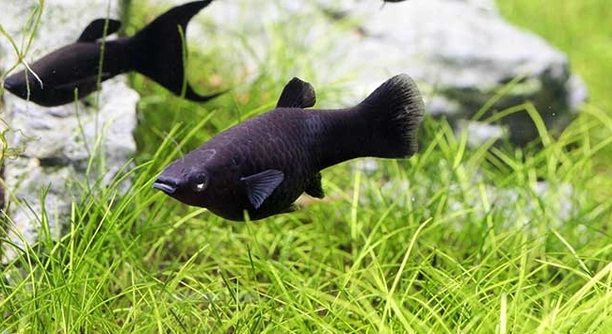
Black Mollies are lively fish that adjust carefully when introduced to a new tank. Their movements and behaviors may change subtly at first, showing signs of caution as they explore unfamiliar surroundings and assess the environment.
Black Mollies often display subtle reactions when introduced to new tanks, including cautious swimming, hiding behind plants, slight color changes, slower feeding, gentle fin flicks, brief pauses near corners, and increased awareness of other tank mates. These behaviors indicate adaptation and stress response.
Observing these subtle behaviors can help you ensure a smoother transition for your Black Mollies and promote their comfort and well-being in the new environment.
Adjusting to New Surroundings
When Black Mollies are placed in a new tank, they often take time to explore their surroundings carefully. They may swim slowly along the edges, pausing to inspect plants or decorations. Some may hide behind rocks or under floating plants, staying in shaded areas. Their fins might flick slightly as they test the water and the current, showing signs of mild stress. Over the first few hours, they gradually expand their territory, moving from corners to open spaces. Feeding patterns can also change, as they may hesitate at first but start eating normally once they feel safer. Observing their reactions helps ensure they are adapting well and not experiencing prolonged stress. Proper tank conditions, such as stable temperature, clean water, and familiar decorations, support their adjustment. Monitoring them closely allows for timely interventions if any unusual behavior persists, such as constant hiding or erratic swimming. These subtle responses reflect their careful nature.
Monitoring the fish closely in the first hours is essential to ensure they adjust comfortably and remain healthy in the new environment.
Noticing the smallest changes in swimming patterns or positioning provides insight into how the Mollies perceive the new tank. By giving them time and stable conditions, they gradually become more confident, explore actively, and integrate smoothly with other tank mates. The combination of patient observation and proper care ensures their stress levels remain minimal and encourages long-term health.
Subtle Color Shifts
Black Mollies sometimes show slight changes in their coloration when first introduced to a new tank.
These color shifts can indicate stress or adaptation. They may darken slightly when hiding or brighten when exploring open spaces.
Color changes are a natural response to environmental shifts. When introduced to a new tank, the lighting, background, and water conditions may differ from their previous habitat. Mollies often darken when they feel threatened or uncertain, using the change as a form of camouflage. Over time, as they become more comfortable, their natural black hue returns. Observing these variations helps you track their comfort level. Additionally, minor fluctuations in color can reflect mood, social hierarchy, and interaction with other fish. Ensuring stable water conditions, gentle lighting, and minimal disturbances encourages their coloration to normalize. Paying attention to these subtle shifts provides a clearer understanding of how the fish are responding to the new environment. Consistent care, patience, and observation are key to helping Black Mollies maintain healthy, vibrant colors as they settle in.
Hiding Spots and Corners
Black Mollies often use hiding spots and corners when first introduced to a new tank. They may linger behind plants, decorations, or under ledges, staying out of open areas until they feel more secure.
Providing shaded areas, rocks, and dense plant coverage allows Mollies to retreat safely. They may remain in these spots for hours or even days, gradually emerging as they grow more confident. Watching which areas they choose can reveal their comfort level and stress response. Over time, they explore open spaces but still use hiding spots for security. Tank layout impacts how quickly they adapt and how comfortable they feel navigating the environment.
Some Mollies may initially ignore food while hiding, but consistent feeding near safe areas encourages them to venture out. Gradually, their activity increases, and they begin swimming more openly. Observing their patterns helps in understanding individual behavior and adjusting the tank setup if needed.
Interaction with Tank Mates
Black Mollies can be cautious around new tank mates, often keeping distance at first. They may swim slowly and avoid direct contact.
Initial interactions are subtle. Mollies watch other fish, assessing their behavior and territory. They may mimic movements, observe feeding times, or stay near the edges to avoid confrontations. These early interactions help establish a sense of safety and hierarchy. Gradually, they may join the group in swimming or feeding but maintain some personal space. Monitoring these interactions ensures no bullying or stress occurs.
Over the first several days, Mollies show social behaviors while remaining cautious. They may follow the movements of other fish, slowly integrating into the tank’s routine. Any aggressive or dominant behavior from other species can cause Mollies to retreat or hide, so observation is important. Encouraging gentle, peaceful tank mates and providing ample space helps Mollies feel secure. Over time, they may actively swim alongside others, showing increased confidence. Patience and attention to interactions support a balanced, healthy tank environment for all fish.
Sudden Darting Movements
Black Mollies may dart suddenly when startled by changes in the tank. Quick swimming often occurs near the surface or corners as they react to new sights or sounds.
These movements are usually brief and decrease as they become familiar with the environment. Watching for patterns helps identify triggers and reduce stress over time.
Surface Exploration
Mollies often spend time near the water surface when first introduced. This behavior allows them to check oxygen levels and scan the area for safety.
Observing their surface activity helps gauge comfort levels. Regular surface visits show curiosity and gradual adjustment, while frantic movements may signal stress. Providing floating plants can create safe areas and reduce anxiety.
Feeding Response
Black Mollies may hesitate to eat initially in a new tank. They might linger near food but wait until they feel secure.
Gradual introduction of food near hiding spots encourages feeding. Once comfortable, their appetite stabilizes, reflecting adaptation and confidence in the new environment.
FAQ
How long does it take for Black Mollies to adjust to a new tank?
Adjustment time varies depending on the individual fish and tank conditions. Typically, Black Mollies take anywhere from a few hours to several days to start exploring openly. Providing hiding spots, stable water conditions, and minimal disturbances helps them acclimate faster. Observing their swimming patterns and feeding behavior offers insight into their comfort level. Gradually, they expand their territory and interact with tank mates confidently. Patience during this period is key to reducing stress and promoting healthy adaptation.
Why do Black Mollies hide so much at first?
Hiding is a natural response to unfamiliar surroundings. Black Mollies use plants, rocks, and corners to feel secure while they assess the tank. Excessive hiding can indicate stress, low water quality, or dominant tank mates. Ensuring calm conditions, proper lighting, and accessible hiding spots encourages them to emerge gradually. Over time, hiding decreases as the fish gain confidence and become familiar with their environment.
What do subtle color changes mean?
Minor shifts in coloration often signal stress or adaptation. Mollies may darken when uncertain or frightened, and brighten as they relax. Lighting, water conditions, and background changes can influence color. Consistent care, including stable temperature and clean water, helps maintain their natural black hue. Watching these shifts offers clues about their mood and overall well-being.
Why do they dart suddenly near the corners or surface?
Sudden darting is usually a response to perceived threats or disturbances. Noise, movement outside the tank, or unfamiliar fish can trigger this behavior. Providing floating plants, gentle water flow, and quiet surroundings minimizes stress. Over time, they learn the tank layout and darting decreases as confidence grows.
How can I encourage feeding in a new tank?
Initially, Mollies may hesitate to eat, especially if they feel insecure. Offer food near hiding spots and wait patiently. Small, frequent feedings encourage them to eat without pressure. Watching their response and adjusting feeding locations gradually helps them establish a routine. Once confident, feeding becomes regular, reflecting comfort and trust in the environment.
Do Black Mollies interact with tank mates immediately?
Black Mollies are cautious at first and may avoid direct contact with other fish. They observe movements, follow from a distance, and only gradually engage. Peaceful, compatible tank mates and ample space reduce tension and encourage social behaviors. Over days, they may swim alongside others, feed together, and participate in group activity naturally.
Is it normal for Mollies to stay near the surface?
Yes, surface exploration is common, especially in new tanks. Mollies check oxygen levels, scan for threats, and become familiar with surroundings. Providing floating plants or shaded areas creates safe zones, reducing anxiety. Surface visits are a normal part of adjustment and curiosity.
What signs indicate prolonged stress in a new tank?
Extended hiding, refusal to eat, erratic swimming, or pale coloration may indicate stress. Continuous observation and addressing water quality, tank mates, or environmental factors help reduce tension. Prompt attention ensures the fish remain healthy and adapt smoothly.
Can changes in tank layout affect their behavior?
Yes, rearranging decorations or plants can trigger hiding, darting, or cautious swimming. Mollies rely on familiar landmarks for security. Making adjustments gradually and allowing time for re-acclimation minimizes stress and encourages normal activity.
How important is water quality during the adjustment period?
Water quality is critical. Stable temperature, proper filtration, and balanced pH support healthy adaptation. Poor conditions increase stress, reduce feeding, and may cause illness. Regular monitoring ensures the fish remain comfortable and confident in their new environment.
Final Thoughts
Black Mollies are delicate yet adaptable fish that show subtle signs when adjusting to a new tank. Their initial reactions, such as hiding, darting, or slight color changes, are natural responses to unfamiliar surroundings. Observing these behaviors closely provides valuable insight into how comfortable they feel and whether the environment supports their well-being. Providing a stable setup with consistent temperature, clean water, and gentle filtration allows them to explore at their own pace without unnecessary stress. Over time, these small adjustments help them gain confidence, gradually swimming more openly and interacting with other tank mates. Paying attention to these details is essential for anyone caring for Mollies, as it ensures they remain healthy and active while settling into a new home. The care given during the early days often sets the tone for their long-term behavior and health, highlighting the importance of patience and observation in the process.
Feeding patterns also reflect how well Mollies adjust to new surroundings. Initially, they may hesitate to eat or only nibble near hiding spots. This cautious behavior should not be mistaken for disinterest in food; it is a sign of their careful nature. Gradually, offering small, frequent feedings near safe areas encourages them to venture out and establish a routine. Over time, their appetite stabilizes, and they resume normal feeding habits, signaling that they are more comfortable in the tank. Observing subtle cues, such as when they leave hiding areas to approach food or interact with others, helps gauge their level of adaptation. By responding appropriately to these behaviors, such as providing extra cover or adjusting the feeding method, owners can create an environment that promotes confidence and reduces stress. Consistency in water quality, lighting, and feeding schedules strengthens their sense of security and encourages positive behaviors.
Interaction with tank mates and the overall environment is another key factor in successful adjustment. Mollies may keep their distance initially, moving cautiously around other fish and observing their movements. Over time, they often begin swimming together, exploring the tank, and engaging in normal social behaviors. Subtle color shifts, darting movements, and occasional retreats remain part of their natural responses but usually decrease as familiarity increases. Ensuring the tank is spacious, providing plants and hiding spots, and keeping aggressive species out supports harmonious interactions. Each fish adjusts differently, and recognizing individual differences allows for better care. By maintaining stable conditions, observing behaviors, and responding thoughtfully, owners can help Black Mollies settle comfortably and thrive, creating a healthy, balanced aquatic environment where their natural instincts and social tendencies can flourish.

Hello,
If you enjoy the content that we create, please consider saying a "Thank You!" by leaving a tip.
Every little bit helps us continue crafting quality advice that supports the health, happiness, and well-being of pets around the world, for pets of all shapes, sizes, and species.
We really appreciate the kindness and support that you show us!