
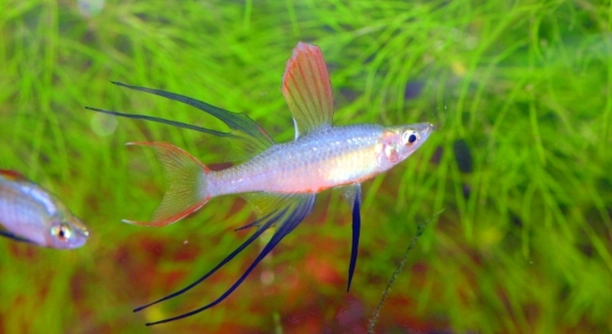
Have you ever watched a group of threadfin fish and noticed one taking control while the others begin to follow its lead and movements?
When a threadfin becomes dominant, it establishes control within its group by displaying stronger behaviors, securing prime feeding spots, and influencing social dynamics. This dominance often reshapes group interactions, affecting feeding habits, territory, and overall harmony within the shoal.
The changes within the group can seem subtle at first, but they carry important effects that shape how these fish live and interact daily.
How Dominance Shapes Group Behavior
When a threadfin becomes dominant, its presence begins to shape the behavior of those around it. The fish that rise to this role often claim the best feeding areas and display assertive swimming patterns, which makes other fish adjust their movements. This form of leadership is not aggressive in every case, but it is strong enough to set the tone for the group. A dominant threadfin influences when the shoal moves, how quickly they react to potential threats, and even the distribution of food. Over time, this dominance can help maintain structure, though it also creates imbalances.
The influence of dominance is usually felt most during feeding, as the leader will reach the food first and others must wait their turn.
In a shoal where one threadfin holds control, the balance between cooperation and competition becomes a daily rhythm. Every fish must learn its place, and this structure helps maintain order, though it also limits opportunities for weaker members. The dynamic can be compared to a quiet hierarchy, where the dominant fish leads without constant confrontation. This structure can improve safety by allowing the shoal to move as one, but it may also result in smaller or less assertive fish receiving less food. As a result, the group adapts by working within the system, which reinforces the leader’s position and creates long-term patterns of interaction.
Effects on Feeding and Territory
The control of food and space by a dominant threadfin has lasting consequences for the group. Other fish often develop different strategies to survive.
A dominant threadfin typically claims the richest feeding spots, arriving first at any available food source. This behavior means the fish under its control may have fewer chances to eat, which can affect their growth and overall health. In some cases, weaker fish move toward the edges of the shoal to search for alternative feeding areas. This leads to an uneven distribution of resources, where the dominant individual thrives, while others must adapt with less. Territorial control is also significant, as the leader may decide where the group settles, forcing others into less favorable spaces. While this might seem harsh, it is a natural method of organization that provides stability. Each fish adjusts to this structure, ensuring that the shoal continues to function in a predictable way, even under unequal circumstances.
Social Adjustments Within the Shoal
When one threadfin takes charge, others adapt quickly. Some fall into supportive roles, while others linger at the edges. This creates a clear structure, with each fish finding its place to keep harmony within the group.
These adjustments are not random. Subordinate fish may reduce competition by following the dominant one’s lead, limiting direct challenges. Some swim slightly behind, using the leader’s decisions as guidance. This helps avoid unnecessary conflict while still allowing them to benefit from the shoal’s safety. The leader does not need to assert control constantly, as the group already understands the arrangement. Over time, the shoal becomes organized around this hierarchy.
The structure continues as weaker fish adjust their habits. Some choose to feed later, while others learn to avoid the dominant fish altogether. By creating distance, they maintain their role without direct conflict. This way, the shoal functions as one unit, with the leader at the center.
Long-Term Impact on the Group
Over time, dominance affects the health and survival of the shoal. While one fish benefits most, the group’s overall stability depends on how well others adapt to reduced access to resources and space.
A dominant threadfin thrives on its advantage, often growing stronger and maintaining better health due to consistent access to food and space. Subordinate fish, however, may face slower growth and higher stress, especially when resources are scarce. This uneven balance creates a system where the shoal survives but not all members thrive equally. Despite this, the group benefits from having a leader that directs movements, making them safer against threats. While unfair at times, this arrangement ensures the shoal remains organized and capable of surviving challenges, even if weaker fish bear more of the strain.
Behavioral Signals of Dominance
A dominant threadfin often shows its position through posture and movement. It swims confidently, claiming space, while others adjust by keeping distance. These signals prevent unnecessary fights and maintain order among the shoal members.
Color intensity can also shift with dominance. The leading threadfin may appear brighter, signaling health and strength. This display reinforces its status without needing constant conflict, making it clear to others that challenging the leader would be unwise.
Stress Among Subordinate Fish
Subordinate fish often experience stress when living under dominance. Limited food access and constant adjustment in behavior can weaken their growth. Some fish adapt by finding quiet spaces, while others remain close to the shoal, accepting fewer resources. The group survives, but inequality creates pressure that shapes their health and future roles.
Stability Through Leadership
Even with imbalances, dominance provides structure that prevents chaos. A strong leader keeps the shoal coordinated, ensuring movements stay unified and protective. This stability becomes the foundation of survival, balancing fairness with order in their daily lives.
FAQ
What makes a threadfin become dominant?
Dominance in threadfin usually arises from size, strength, or assertive behavior. Larger, more confident fish naturally take control of feeding spots and preferred areas within the shoal. These traits allow them to lead without constant confrontation, as their presence alone influences group behavior and establishes hierarchy.
How do subordinate fish respond to dominance?
Subordinate threadfin adjust their positions and actions to reduce conflict. They often swim behind or around the dominant fish, wait longer for food, and avoid direct challenges. These adjustments allow them to stay safe while still benefiting from group protection, though they may get fewer resources and limited space.
Does dominance affect feeding patterns?
Yes. The dominant fish usually reaches food first, leaving others to adapt. Some subordinate fish feed later or find alternative areas to avoid conflict. Over time, this creates predictable feeding patterns where the leader thrives, and others learn their place within the shoal’s structure.
Can a subordinate fish ever become dominant?
It is possible but uncommon. Changes in size, health, or opportunity, such as the absence of the current leader, can allow another fish to rise. These shifts happen gradually, as other members reassess hierarchy based on new behaviors and strengths, maintaining overall group stability.
Does dominance affect the shoal’s safety?
A dominant threadfin often enhances safety by directing the group’s movements. When facing threats, the shoal follows the leader’s cues, allowing coordinated responses. This organization reduces confusion, improves escape efficiency, and ensures that even weaker fish benefit from the protective structure, despite resource inequalities.
How long does a fish maintain dominance?
Dominance can last months or even years, depending on the fish’s health, size, and ability to assert itself. Environmental changes, injuries, or the introduction of stronger fish can alter this balance. The shoal constantly adapts, with dominance maintained as long as the leading fish demonstrates strength and consistency.
Does dominance influence breeding behavior?
Yes. In many cases, dominant threadfin gain priority access to mates. Their status signals strength and health, which makes them more attractive. Subordinate fish may have fewer opportunities, but the structured hierarchy helps maintain predictable mating patterns, ensuring the survival of stronger, well-adapted individuals.
What behavioral signs indicate a fish is dominant?
Dominant threadfin exhibit confident swimming, occupy central positions, and often display brighter coloration. They claim preferred areas and assert control over feeding spots. These behaviors signal leadership, reduce unnecessary conflicts, and help other fish recognize the established hierarchy without constant aggression.
Can dominance change the shoal’s overall behavior?
Yes. A single dominant fish can influence movement patterns, feeding strategies, and social interactions. Subordinate fish adapt to maintain harmony, reducing challenges and ensuring the group functions smoothly. This structured behavior improves survival, even if not all members have equal access to resources.
How do environmental factors affect dominance?
Changes in habitat, food availability, or shoal size can influence dominance. Limited resources may intensify competition, while ample space can reduce stress and lessen the frequency of confrontations. Environmental stability helps maintain consistent leadership, while sudden changes may shift hierarchy and force adaptations.
Does dominance cause stress in subordinate fish?
Subordinate fish often experience stress due to restricted food and constant adjustment in behavior. This can affect growth and overall health, though adaptation strategies, such as feeding later or avoiding the leader, help reduce the impact. Stress is balanced by the safety and coordination provided by the dominant fish.
Are there long-term benefits to the shoal from dominance?
Despite inequalities, dominance creates structure that enhances survival. The leader keeps movements coordinated, reduces conflict, and ensures the shoal reacts efficiently to threats. Over time, this stability allows the group to thrive in a predictable system, balancing control with safety and organization.
Do dominant fish ever lose their position?
Yes. Injuries, illness, or stronger fish can challenge the leader. When this happens, hierarchy shifts naturally, and the shoal quickly adapts to a new leader. The transition maintains order and ensures the shoal continues to function effectively, even as individuals change roles.
How does dominance affect overall group growth?
Dominant fish may grow faster due to priority access to food, while subordinate fish adjust to limited resources. This creates a mixed growth pattern, but the shoal maintains cohesion and survival. The hierarchy ensures the group operates efficiently, even if individual outcomes vary.
Can observing dominance help in managing captive shoals?
Understanding these dynamics is valuable for care and management. Recognizing the leader allows caretakers to ensure all fish receive sufficient food and space, reducing stress and promoting healthier group interactions. Adjustments can be made to feeding schedules, tank layout, and population size to support balanced growth.
What is the key takeaway about dominance in threadfin?
Dominance organizes the shoal, providing safety, structure, and predictable behavior. While it benefits the leader most, it also guides subordinate fish, ensuring cohesion. Understanding this dynamic highlights the balance between competition and cooperation within the group, shaping daily interactions and long-term survival.
Word count: 514
Final Thoughts
Dominance in threadfin is a natural part of their social structure, and it has a significant impact on the behavior of the entire shoal. When one fish rises to a leading position, it influences how others move, feed, and interact. The dominant fish claims the best areas for food and space, which ensures it has priority access to resources. Meanwhile, subordinate fish must adjust their actions to avoid conflict and stay safe. This structure is not always fair, but it is effective. By establishing clear roles, the shoal can maintain organization and coordination. Each fish learns its place, which reduces constant fighting and allows the group to function as a single unit. Over time, these patterns become routine, creating a predictable environment that benefits overall survival, even if some fish face challenges in accessing resources.
The effects of dominance go beyond feeding and movement. Subordinate fish often experience increased stress as they adjust to the limited access to resources and the influence of the leader. This stress can impact growth, health, and energy levels. Despite these challenges, many subordinate fish develop coping strategies. Some feed later, avoiding the dominant fish until it has moved away. Others find quieter areas of the shoal or adjust their position to maintain a balance between safety and access to food. This adaptability is crucial, as it allows the group to survive in varied conditions. The dominant fish, meanwhile, benefits from consistent access to food, central positions, and the ability to influence group behavior. This advantage allows it to maintain strength, health, and status over long periods, shaping the dynamics of the shoal consistently.
Understanding dominance in threadfin offers insight into how these fish interact with one another and how social hierarchies form in aquatic species. The balance between leadership and adaptation is essential for survival. While dominant fish hold the advantage, subordinate fish still find ways to thrive within the established structure. The shoal functions as a coordinated unit, with each fish adjusting to maintain stability. Observing these behaviors reveals the importance of hierarchy in regulating social interactions, feeding, and safety. It also demonstrates how natural systems create order without constant conflict. Recognizing these patterns can be helpful for anyone managing captive shoals or studying aquatic behavior. By appreciating the role of dominance and adaptation, it becomes clear that the survival and well-being of the group depend on both strong leadership and the ability of all members to adjust to their environment. These dynamics shape the daily lives of threadfin, making their social structure both fascinating and functional.
Word count: 407

Hello,
If you enjoy the content that we create, please consider saying a "Thank You!" by leaving a tip.
Every little bit helps us continue crafting quality advice that supports the health, happiness, and well-being of pets around the world, for pets of all shapes, sizes, and species.
We really appreciate the kindness and support that you show us!