
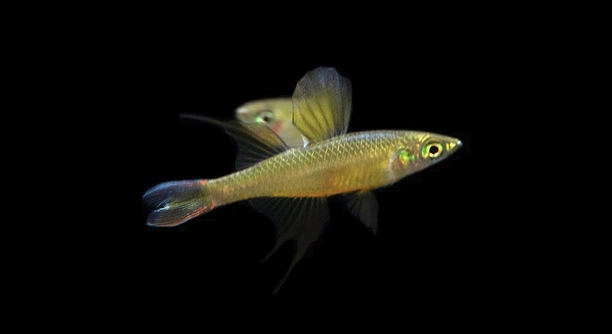
Threadfin Rainbowfish are popular in home aquariums for their shimmering colors and active swimming behavior. They add liveliness to tanks and are admired by hobbyists for their graceful movements and adaptability in community setups.
Threadfin Rainbowfish possess the ability to jump, particularly when startled or in search of food. To prevent escape, aquarists should ensure a secure lid, maintain appropriate water conditions, and minimize sudden disturbances that trigger jumping behavior.
Proper precautions and understanding of their behavior can safeguard these fish, ensuring they thrive safely in a home aquarium environment without unnecessary risks.
Why Threadfin Rainbowfish Jump
Threadfin Rainbowfish are naturally energetic swimmers, and jumping is part of their instinctive behavior. In the wild, they leap to escape predators or move between water bodies. In a home aquarium, this behavior can be triggered by sudden movements, reflections, or even rapid changes in water quality. Observing them closely helps identify patterns, like increased activity during feeding times or when new objects are introduced into the tank. Providing enough swimming space and avoiding overcrowding can reduce stress that leads to jumping. Tank covers or mesh lids are essential to prevent escapes. Lighting and temperature changes should be gradual to avoid startling the fish. Proper tank decorations, such as plants and hiding spots, give them a sense of security and decrease attempts to leap out. Regular maintenance of water parameters ensures a stable environment, reducing the likelihood of sudden, frantic jumps and keeping the fish safe and comfortable.
Jumping is mainly a response to stress or sudden changes in the environment, rather than aggressive behavior.
Maintaining stable water conditions, including temperature, pH, and cleanliness, is crucial for minimizing jumping. Providing hiding spaces and plants can make them feel secure. Avoid sudden tapping on the glass or abrupt movements near the tank. Covering the aquarium prevents accidental escapes, and feeding routines should be consistent to prevent excitement-induced jumps. Observing behavior helps detect triggers early, allowing adjustments before accidents occur. Overcrowding should be avoided, and compatible tank mates selected to reduce stress. By combining proper tank setup, secure coverage, and careful handling, jumping incidents can be significantly reduced, allowing Threadfin Rainbowfish to thrive in a controlled environment without the risk of injury or escape.
How to Prevent Jumping
Using a tight-fitting lid or mesh cover is the most effective way to stop Threadfin Rainbowfish from jumping.
Regular feeding, secure decorations, and stable water conditions help keep the fish calm. Avoid sudden movements, overcrowding, and aggressive tank mates, as these can all increase the likelihood of jumping. Creating a predictable and safe environment reduces stress and promotes natural swimming behavior.
Preventing jumping starts with understanding the fish’s behavior and environment. Ensure water parameters are consistent and within recommended ranges, as fluctuations can trigger sudden leaps. Place plants, rocks, or other hiding spots to provide security and reduce stress. Gradual adjustments to lighting, temperature, and feeding routines help the fish feel safe. Selecting tank mates that are calm and non-aggressive further reduces potential stressors. Monitoring the fish regularly allows for early detection of restlessness or unusual activity. Proper tank size ensures adequate swimming space, minimizing panic responses. Combining these preventive measures creates a stable environment where Threadfin Rainbowfish can swim actively without risking injury or escape, ensuring their health and well-being are maintained long-term.
Signs Your Threadfin Rainbowfish May Jump
Restless swimming near the surface, sudden darting movements, or repeated attempts to leap against the tank lid often indicate a Threadfin Rainbowfish is preparing to jump. These signs usually point to stress, poor water quality, or environmental disturbances.
When water conditions are unstable, Threadfin Rainbowfish often display erratic behaviors. They may linger at the surface, breathe rapidly, or startle easily at minor changes in their surroundings. These reactions are usually caused by fluctuations in temperature, pH, or overcrowding. Observing these behaviors helps you act quickly to stabilize conditions and prevent injuries.
Another noticeable sign is increased sensitivity during feeding. If they jump when food is dropped, it often signals excitement combined with environmental stress. Ensuring consistent feeding routines and using floating plants can ease their nerves. Fish that frequently attempt to escape require closer attention to tank setup, as prevention is the only way to reduce risks effectively.
Creating a Safe Tank Environment
A secure and stable environment reduces stress and lowers the risk of jumping. Threadfin Rainbowfish thrive best when given calm surroundings with proper hiding spots, consistent lighting, and gradual water changes to maintain balance.
Maintaining a safe tank means paying close attention to structure and comfort. Adding plants and decorations creates natural barriers, giving the fish safe spaces to retreat. This reduces panic responses and prevents unnecessary leaps. Water testing should be done regularly to catch issues early. A stable pH, clean water, and proper oxygen levels are essential for their health. Avoid harsh lighting and sudden tank disturbances, as these can unsettle the fish. Proper tank size also matters, as overcrowding raises stress. By combining these strategies, you create a steady environment that promotes natural swimming while keeping your Threadfin Rainbowfish secure inside the aquarium.
Common Triggers for Jumping
Sudden noises, quick movements near the tank, or tapping on the glass often cause Threadfin Rainbowfish to leap. They react quickly to disturbances, making a calm environment around the aquarium essential for reducing stress and preventing accidents.
Aggressive or incompatible tank mates can also trigger jumping. When Threadfin Rainbowfish feel threatened, they may attempt to escape by leaping. Choosing peaceful species for a community tank helps reduce tension, allowing these delicate fish to swim freely without constant fear of being attacked.
Tank Setup Adjustments
Adjusting the tank setup can make a big difference in reducing jumping incidents. A well-fitted lid is the most important feature, ensuring no escape points exist. Adding floating plants helps calm Threadfin Rainbowfish, providing shade and breaking surface tension. Decorations like rocks and caves offer safe hiding places, giving them a sense of security. Maintaining stable water conditions through regular testing prevents sudden stress that encourages leaping. Adequate tank size ensures enough swimming space, reducing frantic behavior. With thoughtful adjustments, you can create a balanced environment where Threadfin Rainbowfish remain comfortable and less likely to jump.
Final Note on Prevention
Simple measures such as stable water quality, proper tank mates, and secure coverage make a big difference. With consistent care, Threadfin Rainbowfish thrive without risk, leaving you with a lively and safe aquarium setup.
FAQ
Can Threadfin Rainbowfish jump out of the tank without warning?
Yes, Threadfin Rainbowfish can jump suddenly without showing clear signs beforehand. While restless behavior often precedes leaping, some may jump unexpectedly when startled. This is why keeping a secure lid or cover on the aquarium is always necessary, even if the fish appear calm.
How high can Threadfin Rainbowfish jump?
Threadfin Rainbowfish are not as strong as larger species, but they can still leap a few inches above the surface. In open aquariums without covers, even a small jump is enough for them to escape and end up on the floor.
Do Threadfin Rainbowfish jump more at night?
Yes, they sometimes jump more during nighttime. When the tank environment is darker and quieter, sudden sounds or shifts in lighting can startle them. A consistent light schedule and avoiding disturbances in the evening help minimize nighttime jumping incidents.
Are Threadfin Rainbowfish more likely to jump in smaller tanks?
Smaller tanks can increase the likelihood of jumping. Limited space often causes stress, leading to frantic swimming or attempts to escape. Providing a larger aquarium with adequate swimming room and hiding spaces lowers stress and reduces jumping behavior significantly.
Do floating plants help prevent jumping?
Floating plants can be very effective at calming Threadfin Rainbowfish. They offer shade, break surface reflections, and create a more natural environment. By reducing stress and surface activity, plants make it less likely for the fish to attempt escaping the tank.
Can poor water quality cause Threadfin Rainbowfish to jump?
Yes, poor water quality is a major factor. If ammonia, nitrite, or nitrate levels rise too high, Threadfin Rainbowfish may jump in response to stress. Frequent water testing, cleaning, and regular water changes help maintain safe conditions and reduce stress-related jumping.
Is jumping behavior permanent in Threadfin Rainbowfish?
Jumping is a natural behavior, but it can be reduced with proper care. While it cannot be eliminated completely, creating a secure and stable environment greatly minimizes the chances. With the right setup, Threadfin Rainbowfish jump far less frequently.
What should I do if a Threadfin Rainbowfish jumps out of the tank?
If one jumps out, act quickly. Gently place the fish back into the water, avoiding rough handling. Cover the tank immediately to prevent future escapes. Check water conditions and stress factors that may have caused the behavior in the first place.
Are Threadfin Rainbowfish more likely to jump during feeding?
Yes, feeding time can trigger excitement, leading to sudden leaps. Dropping food from above the surface sometimes encourages jumping. Lowering food gently into the water and feeding at consistent times helps keep them calm and reduces feeding-related jumping.
Can tank mates influence Threadfin Rainbowfish jumping behavior?
Absolutely, aggressive or fast-moving tank mates often make Threadfin Rainbowfish feel unsafe. Stress from constant chasing or competition for food increases jumping. Keeping them with peaceful species creates a calmer tank environment where jumping incidents are less likely to occur.
Do Threadfin Rainbowfish outgrow jumping behavior with age?
Not entirely. While younger fish may seem more active and prone to jumping, even adults retain the instinct. The likelihood may lessen with stable conditions, but the need for a secure lid remains important throughout their entire lifespan.
Is stress the main cause of jumping?
Yes, stress is the most common cause. Factors like overcrowding, sudden tank changes, poor water quality, or incompatible tank mates trigger jumping. By controlling these stressors, Threadfin Rainbowfish remain calmer and more secure, reducing their instinct to leap out.
Can changes in lighting trigger jumping?
Yes, sudden lighting changes are often stressful. Threadfin Rainbowfish may jump when lights switch on or off abruptly. Using timers for gradual transitions or dimmer lighting systems helps reduce these sudden shocks and keeps the fish more comfortable.
Should I keep Threadfin Rainbowfish in a covered tank permanently?
Yes, a covered tank is essential at all times. Even if conditions are stable, the natural instinct to jump can appear unexpectedly. A secure lid or mesh cover is the most reliable way to keep them safe from harm.
Do Threadfin Rainbowfish jump out more when stressed by new surroundings?
Yes, introducing them to a new tank increases stress levels. During this adjustment period, jumping may occur more often. Keeping lighting soft, offering hiding spots, and avoiding sudden movements around the tank help them adapt and reduce the risk.
Can strong water currents cause Threadfin Rainbowfish to jump?
Yes, strong currents can unsettle them, especially if the flow is unnatural or too forceful. They may try to escape the stress by leaping. Adjusting the filter output or adding decorations to break the current helps reduce this problem.
How can I make my tank safer overall?
Safety comes from a combination of secure coverage, proper tank mates, hiding spaces, and consistent water quality. Avoiding stressors like sudden noise or tapping on the glass keeps Threadfin Rainbowfish calm. A thoughtful setup reduces risks and creates a stable environment.
Is jumping more common in newly purchased Threadfin Rainbowfish?
Yes, new fish are often stressed from transport and unfamiliar surroundings. They may attempt to jump more frequently during the first few days. Gradual acclimation, dim lighting, and keeping the tank quiet help them settle in safely without injury.
Can Threadfin Rainbowfish injure themselves by jumping?
Yes, injuries are common when they hit hard surfaces or fall outside the tank. Damage to fins, scales, or even fatal outcomes can occur. Preventing escapes with a secure lid is the only reliable way to protect them fully.
Final Thoughts
Caring for Threadfin Rainbowfish requires attention to their unique behaviors, and jumping is one of the most important aspects to consider. While it may seem surprising at first, this instinctive action is a natural response to stress, environmental changes, or excitement. Understanding the reasons behind it allows aquarists to take proper steps to create a safer and more balanced home for these delicate fish. By recognizing early signs, such as restlessness or sudden darting movements, owners can make adjustments before accidents occur. This proactive approach not only prevents potential injuries but also ensures the fish feel secure and comfortable in their environment. A stable and stress-free setup is the foundation of keeping Threadfin Rainbowfish thriving in a home aquarium.
Preventing jumping incidents relies heavily on a combination of environmental stability and tank design. Maintaining consistent water parameters is essential, as sudden changes in temperature, pH, or cleanliness can quickly lead to stress and erratic behavior. A secure lid or mesh cover is equally important, as it creates a reliable barrier against unexpected leaps. Adding elements such as floating plants, hiding spots, and gentle decorations enhances the aquarium, giving the fish security and reducing panic. Feeding routines should also be steady, avoiding sudden drops of food that may cause excitement-driven jumps. Choosing calm, compatible tank mates contributes to a peaceful environment, minimizing conflicts that often lead to escape attempts. With these strategies in place, Threadfin Rainbowfish are more likely to swim confidently and remain active without unnecessary risks.
Threadfin Rainbowfish are admired for their shimmering colors, graceful movements, and lively personalities, making them a rewarding species to care for. Their tendency to jump should not discourage aquarists but instead serve as a reminder of their natural instincts. With consistent care, careful observation, and thoughtful tank preparation, this behavior can be managed effectively. Ensuring safety through stable water conditions, secure tank coverage, and stress reduction techniques allows these fish to display their full beauty without danger. When their needs are met, they become vibrant and engaging additions to any aquarium, bringing energy and charm to the space. The effort put into prevention and care ultimately pays off by creating a safe environment where Threadfin Rainbowfish can thrive for years, allowing aquarists to enjoy their presence with peace of mind.

Hello,
If you enjoy the content that we create, please consider saying a "Thank You!" by leaving a tip.
Every little bit helps us continue crafting quality advice that supports the health, happiness, and well-being of pets around the world, for pets of all shapes, sizes, and species.
We really appreciate the kindness and support that you show us!