
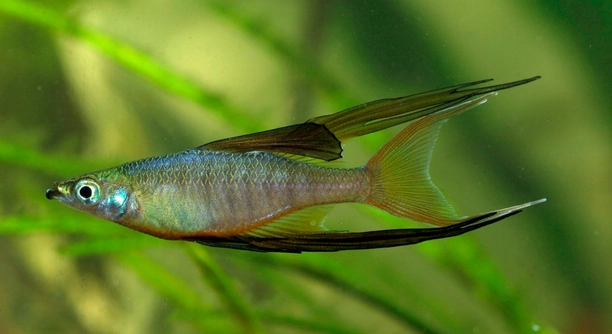
Have you ever noticed your threadfin rainbowfish moving unevenly through the water, leaving you unsure if it is a health concern? This behavior can be worrying, especially when your fish normally swims gracefully in its tank.
Uneven swimming in threadfin rainbowfish is commonly linked to health or environmental issues. Conditions such as swim bladder problems, poor water quality, infections, or dietary imbalances are frequent causes. Identifying these factors promptly is essential for maintaining your fish’s well-being.
By learning about the possible reasons behind this behavior, you can better protect your fish and create a healthier, more stable environment.
Swim Bladder Issues
Swim bladder problems are one of the most common reasons for uneven swimming in threadfin rainbowfish. This organ helps regulate buoyancy, allowing fish to maintain balance and swim properly. When the swim bladder is affected, fish may float awkwardly, struggle to stay upright, or even sink to the bottom. Causes of these issues often include constipation, bacterial infections, or injury. Overfeeding or feeding a poor-quality diet can also contribute to the problem, as excess air or improper digestion can put pressure on the bladder. Addressing swim bladder problems requires careful observation, dietary changes, and sometimes medical treatments.
When a fish shows signs of swim bladder problems, reducing feeding for a short period can help relieve pressure. Offering fiber-rich foods, like blanched peas, is a common method to ease constipation and improve digestion in affected rainbowfish.
If the swim bladder is impacted by infection, treatment with aquarium-safe medications may be necessary. Alongside this, maintaining stable water quality reduces stress and helps the fish recover more quickly. Preventing these issues is best achieved through proper feeding habits and providing a balanced diet. Careful observation of your fish’s swimming patterns will help you detect changes early and respond before the condition worsens.
Poor Water Quality
Poor water quality can quickly affect the health of threadfin rainbowfish, often leading to uneven swimming behavior. Even slight changes in ammonia, nitrite, or nitrate levels may stress the fish and disturb their natural swimming abilities.
Maintaining clean water is essential to protect the health of your rainbowfish. Performing regular water changes, monitoring chemical levels, and cleaning the tank prevent harmful buildups that can impact fish behavior. A proper filtration system ensures stability, but it must be maintained regularly to function effectively. Uneven swimming linked to water quality often appears alongside other signs such as gasping near the surface, clamped fins, or reduced appetite. Addressing this problem involves immediate water testing, removing toxins, and ensuring proper aeration. Long-term care requires consistency, with weekly checks and water maintenance forming part of your routine. Healthy water directly supports healthy fish, making it a foundation of successful care.
Infections
Bacterial and parasitic infections can interfere with a threadfin rainbowfish’s ability to swim normally. These infections often cause inflammation, discomfort, and internal stress, leading to visible signs such as uneven swimming, loss of appetite, and unusual resting positions in the tank.
Infections typically develop from poor water conditions, exposure to new fish without quarantine, or weakened immunity. Common signs include red streaks, bloating, or white patches on the body. Parasites may also damage gills, making swimming difficult. Treating infections requires using targeted aquarium-safe medications, improving tank hygiene, and separating sick fish when needed. Prevention focuses on stable water conditions, routine monitoring, and ensuring all new fish are carefully quarantined before joining the main tank.
Consistent observation is key to catching infections early. Uneven swimming combined with visible symptoms often signals underlying illness that needs prompt attention. Regular care, a balanced diet, and water stability help reduce risks and strengthen the fish’s natural defenses against infection.
Dietary Imbalances
Dietary imbalances can weaken threadfin rainbowfish, affecting muscle strength, energy, and swimming control. A poor diet lacking in fiber, vitamins, or proteins often leads to digestive issues or deficiencies. Overfeeding worsens the problem, putting extra strain on internal organs and disrupting normal swimming movements.
A balanced diet should include high-quality flakes, pellets, and occasional live or frozen foods for variety. Offering fiber-rich vegetables like peas can improve digestion and support swim bladder function. Feeding small amounts twice a day is preferable to overfeeding. Consistency in diet, paired with avoiding spoiled or low-quality food, plays an important role in preventing issues. Fish that receive proper nutrition display better energy levels, stronger immunity, and smoother swimming, making diet management one of the most effective ways to maintain overall health.
Stress
Stress can quickly disrupt the natural swimming patterns of threadfin rainbowfish. Factors such as overcrowding, sudden tank changes, or aggressive tankmates often trigger uneasiness, leading to irregular movement and visible discomfort in their swimming behavior.
Minimizing stress requires providing enough space, maintaining stable conditions, and ensuring peaceful tankmates. Small adjustments like adding plants or hiding spots can also make the environment more secure and reduce signs of erratic swimming.
Genetic Factors
Some threadfin rainbowfish may experience uneven swimming due to genetic weaknesses. These inherited traits can affect development, balance, or organ function. While not preventable, proper care and stable conditions can help limit their impact and support the fish’s quality of life.
Injury
Injuries from collisions or aggressive encounters can result in uneven swimming. Physical damage may cause difficulty balancing, restricted movement, or pain. Close observation and a safe environment help protect your fish and encourage quicker recovery from such incidents.
FAQ
Why is my threadfin rainbowfish swimming sideways?
Swimming sideways is often a sign of swim bladder disorder. This organ helps the fish maintain balance, and when it is affected by constipation, infection, or injury, swimming becomes difficult. Improving diet, checking water quality, and reducing feeding can help ease this problem.
Can poor water conditions cause uneven swimming?
Yes, poor water quality is one of the leading causes. Elevated ammonia, nitrite, or nitrate levels place stress on rainbowfish, often disrupting their movement. Regular testing, partial water changes, and proper filtration are essential to prevent uneven swimming linked to environmental stress.
How do I know if my fish has an infection?
Signs of infection may include redness, swelling, white patches, or unusual swimming behavior. Threadfin rainbowfish with infections often become less active and lose appetite. Prompt treatment with aquarium-safe medication and isolation in a hospital tank can improve their chances of recovery.
What role does diet play in swimming problems?
A poor diet lacking variety or nutrients can weaken muscles and cause digestive problems. Constipation often leads to swim bladder stress, making it harder for the fish to swim properly. Feeding high-quality foods and adding fiber-rich options like peas can prevent this.
Can stress make my rainbowfish swim unevenly?
Yes, stress directly affects swimming behavior. Stress may come from aggressive tankmates, overcrowding, or sudden tank changes. Fish under stress move erratically or hide more often. Reducing stress through stable conditions and a peaceful tank environment helps restore natural swimming patterns.
Is uneven swimming always a sign of illness?
Not always. While it can point to illness, uneven swimming may also result from temporary digestive issues, minor injuries, or stress. Monitoring the behavior over time, along with other symptoms, is the best way to understand its seriousness.
How can I prevent swim bladder problems in my threadfin rainbowfish?
Prevention starts with diet management and avoiding overfeeding. Offering smaller meals twice a day, including high-quality food, and occasionally adding blanched peas keeps digestion healthy. Stable water quality and reducing tank stress also support proper swim bladder function.
Should I separate a fish that swims unevenly?
Yes, it is often best to isolate a fish showing unusual swimming. Separation helps prevent stress from tankmates and makes treatment easier if an infection or injury is suspected. A smaller hospital tank can provide a safer recovery environment.
Can genetic issues be treated?
Genetic conditions that affect swimming cannot be treated directly. However, proper care can help the fish live more comfortably. Maintaining clean water, avoiding overcrowding, and offering high-quality food ensures the condition does not worsen unnecessarily.
What should I do if uneven swimming continues after treatment?
If your fish shows no improvement, recheck water parameters, review diet, and consider seeking advice from an aquatic veterinarian. Persistent problems may require more advanced treatment, especially if linked to infection or genetic factors beyond basic care routines.
How long does it take for a fish to recover from uneven swimming?
Recovery depends on the cause. Dietary issues may resolve within a few days, while infections or injuries take longer. Stable water, proper nutrition, and reduced stress support faster healing, though some conditions may require ongoing management for improvement.
Are threadfin rainbowfish more sensitive than other fish?
Yes, they are sensitive to environmental changes, which makes them prone to stress-related issues. Uneven swimming is often an early sign something is wrong. Consistent care, water stability, and proper diet are especially important for maintaining their health and graceful movement.
Final Thoughts
Caring for threadfin rainbowfish requires patience, awareness, and consistency. These delicate fish thrive when their environment is stable, their diet balanced, and their tankmates peaceful. Uneven swimming is not something to overlook, as it is often a sign that something is affecting their health or comfort. Whether the cause is linked to the swim bladder, water quality, infection, diet, stress, genetics, or injury, the behavior signals that closer attention is needed. Observing their daily patterns and responding quickly to changes makes a significant difference in their overall well-being. A calm and well-maintained environment gives them the opportunity to display their natural grace.
Understanding the various causes behind uneven swimming helps you take more confident steps in care. It is not only about solving immediate issues but also preventing future problems. Keeping water parameters steady, avoiding overfeeding, and providing a balanced diet are simple but effective practices that greatly improve their health. Adding plants and hiding spaces reduces stress, while quarantining new fish minimizes the risk of spreading infections. Each adjustment you make strengthens the stability of your aquarium and supports your rainbowfish in living a healthier, more active life. Prevention is always more manageable than dealing with recurring illness or long-term damage.
Threadfin rainbowfish are sensitive yet rewarding to care for. Their delicate movements and striking colors are best appreciated when they are healthy and active. Uneven swimming can be worrying, but it is also an opportunity to learn more about their needs. By paying attention to their behavior and making steady improvements in care, you provide them with a safe space where they can thrive. The effort you put into their environment directly reflects in their energy, activity, and appearance. Building routines for maintenance and observation allows you to notice changes early and respond effectively. In the end, balanced care and consistent attention help ensure that your threadfin rainbowfish continue to swim smoothly and bring life and beauty to your aquarium.

Hello,
If you enjoy the content that we create, please consider saying a "Thank You!" by leaving a tip.
Every little bit helps us continue crafting quality advice that supports the health, happiness, and well-being of pets around the world, for pets of all shapes, sizes, and species.
We really appreciate the kindness and support that you show us!