
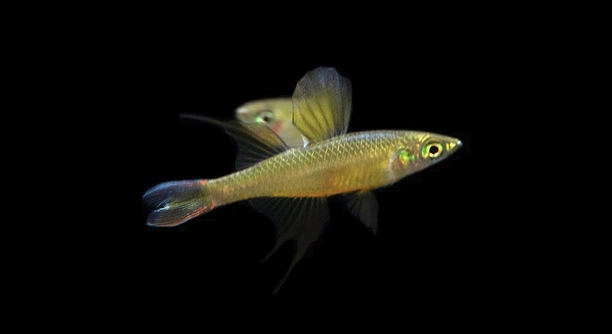
Have you ever watched a threadfin in its natural habitat and noticed it taking charge of the group? These fish display unique behaviors when one becomes more dominant than the others around it.
When a threadfin becomes dominant, it asserts control over territory and access to food. This fish exhibits increased aggression, directs group movement, and establishes social hierarchy, influencing both the behavior and distribution of other threadfins within the same environment.
Observing these changes can reveal surprising insights about fish behavior and social structures within aquatic communities.
Recognizing Dominant Behavior in Threadfins
Dominant threadfins are easier to spot once you know what to look for. They often position themselves at the center of the group and move with more confidence. Their fins may flare more often, and their swimming patterns are steady and deliberate compared to others. Other fish tend to follow their lead, adjusting speed and direction to match. Feeding times make this behavior more obvious. The dominant threadfin usually reaches food first, sometimes nudging others away to maintain priority. Aggression can appear as short bursts of chasing or subtle pushing, signaling their control over the group. Over time, the subordinate fish accept the hierarchy, reducing frequent conflict. Even among smaller groups, this dominance impacts interactions, as the dominant fish sets the pace and enforces order. Watching closely, you can notice changes in body language, from slight fin tilts to more pronounced movements. Understanding these signs helps in managing their environment effectively.
Other fish often move cautiously around the dominant threadfin, showing subtle signs of respect and avoidance in daily activity.
These behaviors are not random. The dominant fish shapes social dynamics by dictating group movement, feeding order, and resting locations. Subordinate threadfins adjust to maintain safety and access to resources without challenging the leader unnecessarily. Over time, this hierarchy reduces stress within the group. Caretakers observing these patterns can plan tank layouts, feeding schedules, and enrichment activities to support all fish. Dominant threadfins benefit from clear territories, while less dominant fish thrive in quieter areas, preventing constant confrontations. Consistent monitoring ensures that aggression does not escalate into injury. Understanding dominance also gives insight into natural instincts and the importance of social structure in maintaining healthy populations in captivity or controlled habitats.
Environmental Factors That Influence Dominance
Water conditions, tank size, and hiding spots directly affect which threadfins rise to dominance.
A stable environment allows fish to establish clear hierarchies with minimal conflict. Threadfins in spacious tanks have room to avoid dominant individuals, reducing stress and aggressive encounters. Conversely, overcrowded or poorly structured habitats can escalate confrontations, as subordinate fish have limited escape routes. Temperature, oxygen levels, and water flow also play a role in behavior. Fish in optimal conditions display natural dominance patterns, whereas stress can cause unexpected aggression or submissive behaviors. Introducing enrichment like plants or structures helps distribute activity and gives subordinate fish safe areas. Observing environmental influences enables caretakers to predict changes in hierarchy and adjust the habitat accordingly, ensuring the health and balance of all fish. Proper lighting, feeding locations, and water quality reinforce a stable system where dominance does not lead to harm. Understanding these environmental factors is essential for maintaining both the physical and social well-being of threadfin populations.
Impact on Group Behavior
Dominant threadfins influence the daily routines of their group. Subordinate fish swim in the background, follow the leader’s movements, and avoid direct confrontation. Feeding, resting, and exploring areas all become structured around the dominant individual. This behavior reduces chaos and sets clear social rules for the group.
The presence of a dominant threadfin changes how the rest interact. Subordinate fish wait their turn during feeding and avoid challenging the leader, which reduces injury risks. Social cohesion improves as everyone learns their position, making movement through the habitat smoother. These dynamics also affect breeding behavior, as the dominant fish often controls access to mates or prime nesting areas.
Observing the group over time reveals patterns in decision-making and movement. The dominant threadfin often initiates exploration of new areas or reacts first to potential threats. Subordinate fish follow, maintaining a stable social order. This predictable structure helps caretakers manage feeding, habitat enrichment, and health monitoring, ensuring all fish have safe access to resources while minimizing stress.
Managing Dominance in Captivity
Careful tank design can help maintain balance among threadfins.
Providing plenty of space and hiding spots reduces stress and aggression. Vertical structures, plants, or artificial shelters allow subordinate fish to escape or rest without conflict. Monitoring water quality, temperature, and flow ensures the environment does not intensify aggressive tendencies. Regular observation helps identify any fish that may be overly stressed or injured due to dominance. By adjusting food distribution and placement, all fish can access nutrition without constant confrontation.
Dominance management requires consistent attention. Fish that dominate too aggressively may need separate spaces or temporary isolation to prevent injury. Adjusting feeding routines, such as multiple locations or timed intervals, allows subordinate fish to eat safely. Observing interactions during different times of the day can reveal stress patterns or shifts in hierarchy. Providing enrichment like floating structures or plants can give less dominant fish opportunities to explore or rest away from the leader. Maintaining a stable and supportive environment ensures that all threadfins thrive while preserving natural social behaviors. Regular monitoring and environmental adjustments prevent dominance from negatively affecting the health and well-being of the group, creating a harmonious aquatic setting.
Feeding Priorities
Dominant threadfins eat first and often claim the best food spots. Subordinate fish wait their turn, moving aside quickly to avoid conflict. This hierarchy ensures the dominant individual maintains strength while others adapt to the routine.
Subordinate fish learn to recognize feeding signals from the dominant threadfin. They adjust their timing and position, waiting until it moves away before approaching food. This reduces stress and prevents fights, maintaining order during mealtimes.
Health Implications
Dominance affects both physical and mental health. The dominant fish often has better access to food and territory, resulting in stronger growth and better condition. Subordinate fish may experience stress, leading to weaker immunity or slower growth. Observing these patterns helps in adjusting care practices to support all fish.
Breeding Opportunities
Dominant threadfins usually control access to mates. This ensures that the strongest or most assertive fish reproduce, maintaining natural selection. Subordinate fish often wait or find alternative opportunities, influencing the population’s genetic and social dynamics.
FAQ
How can I tell if a threadfin is becoming dominant?
A dominant threadfin shows consistent leadership behavior. It swims at the center of the group, reaches food first, and sometimes pushes or nudges others away. Its movements are confident and deliberate, and subordinate fish adjust their positions to avoid conflict. Over time, these behaviors become routine, creating a clear social hierarchy within the group. Observing feeding times and resting patterns makes these traits more noticeable.
Does a dominant threadfin harm other fish?
Not usually, as long as the group has enough space. Aggression is typically limited to asserting control or keeping the hierarchy in place. Minor chases or nudges are common, but serious injury is rare if the environment is well-managed. Subordinate fish learn to avoid confrontations, which reduces stress and keeps interactions predictable.
Can dominance change over time?
Yes, dominance can shift. Age, size, or health changes can cause a new fish to take over or reduce the current dominant fish’s influence. Subordinate fish may become more assertive if the leader weakens or is removed. Observing changes in behavior and group interactions helps in understanding these shifts and ensuring the group remains balanced.
Should I separate a dominant threadfin from the group?
Separation is rarely necessary unless the dominant fish is overly aggressive and causing harm. Adjusting tank space, adding hiding spots, or distributing food differently often resolves issues. Temporary separation may help if a subordinate fish is injured or overly stressed, but permanent isolation can disrupt social dynamics and stress the group.
How does dominance affect feeding?
The dominant fish gets first access to food, often taking the best portions. Subordinate fish wait their turn or adjust feeding times and positions to avoid conflict. This hierarchy ensures the dominant individual maintains health and energy while others learn patience. Caretakers can use multiple feeding points or timed intervals to ensure all fish get adequate nutrition.
Do environmental factors influence dominance?
Yes, tank size, hiding spots, water flow, and quality all affect dominance behavior. A well-structured environment reduces stress and allows subordinate fish to avoid conflict. Overcrowded or poorly designed habitats increase aggression and tension. Enrichment like plants or structures helps distribute activity, giving subordinate fish safe spaces and preventing constant competition for territory or food.
How does dominance impact breeding?
Dominant threadfins control access to mates, giving them priority in reproducing. Subordinate fish often wait or find less optimal opportunities. This natural selection helps maintain strong traits in the population. Providing proper space and monitoring interactions during breeding periods ensures that all fish remain healthy and that aggressive behavior does not harm others.
What should I do if subordinate fish are stressed?
If stress signs appear, such as hiding excessively, loss of appetite, or lethargy, adjustments are needed. Add hiding spaces, rearrange tank structures, or provide multiple feeding locations. Ensuring stable water conditions and observing interactions carefully can help balance the hierarchy and reduce stress, keeping the group healthier overall.
Can dominance affect long-term health?
Yes, dominant fish usually maintain better condition due to access to food and territory. Subordinate fish may experience stress that affects immunity or growth if environmental adjustments are not made. Observing daily behavior and providing a supportive habitat helps maintain balance and promotes healthy development for all fish in the group.
Is it normal for dominance to be subtle?
Absolutely. Not all dominant behaviors are aggressive. Many are subtle, like fin flares, leading movements, or preferred resting spots. Subordinate fish quickly learn to follow cues without direct conflict. Recognizing these subtle signs helps in understanding social structure without assuming harm or aggression is present.
Can feeding schedules help manage dominance?
Yes, staggered feeding or multiple food locations allow subordinate fish to eat safely. The dominant fish still takes priority, but others can access nutrition without conflict. Consistent observation and slight adjustments in timing or placement help maintain harmony and reduce stress among the group, supporting both dominant and subordinate fish.
How often should I monitor social interactions?
Daily observation is ideal, especially during feeding and resting times. Look for changes in swimming patterns, aggression, or hiding behavior. Early detection of stress or shifts in hierarchy allows you to make adjustments before conflicts escalate, ensuring a balanced and healthy environment for all threadfins.
Does dominance affect exploration of the tank?
Yes, dominant fish often lead exploration, checking new areas first. Subordinate fish follow cautiously, maintaining a safe distance. This behavior establishes order and reduces chaos. Providing enrichment and space ensures that all fish have opportunities to explore safely without constant pressure from the dominant individual, promoting mental and physical stimulation.
Can dominance affect water quality management?
Indirectly, yes. Dominant fish often congregate in preferred areas, which can create uneven waste distribution. Caretakers should ensure proper filtration, water flow, and cleaning routines to prevent buildup in high-traffic areas, maintaining a healthy environment for all fish.
What signs indicate a dominant fish is unhealthy?
Loss of appetite, reduced aggression, lethargy, or changes in swimming patterns may signal illness. Because dominance relies on strength and energy, health problems can quickly shift social dynamics. Immediate attention to water quality, diet, and potential disease is necessary to prevent further disruption within the group.
How long does it take for a hierarchy to stabilize?
It depends on the group size, tank conditions, and individual fish personalities. Typically, a clear hierarchy forms within days to weeks, but subtle adjustments continue over time. Observation and minor environmental adjustments help maintain stability and reduce stress among subordinate fish, keeping the group balanced and healthy.
Can dominance behavior be beneficial?
Yes, dominance establishes social order, reduces random conflict, and ensures efficient use of resources. It helps maintain group cohesion, clear feeding patterns, and effective territory use. A well-managed environment allows dominance to support natural behavior without causing harm, benefiting both the dominant and subordinate fish over time.
Is it normal for subordinate fish to challenge the dominant?
Occasionally, yes. Challenges can occur due to changes in health, size, or confidence. Subtle tests of strength help maintain the social hierarchy. These interactions are usually brief and do not result in serious harm if the environment provides space and safety, allowing subordinate fish to express natural behavior without escalating stress.
How do I prevent excessive aggression from the dominant fish?
Provide hiding spots, multiple feeding areas, and a spacious environment. Avoid overcrowding, maintain stable water conditions, and observe daily interactions. Temporary isolation may help if aggression becomes extreme. Consistent management and environmental adjustments prevent harm and allow subordinate fish to thrive while the dominant fish maintains its role.
What long-term effects can dominance have on the group?
Dominance creates structure, but if unmanaged, it can stress subordinate fish, affect growth, or disrupt feeding. Balanced environments with enrichment, proper space, and careful observation prevent negative outcomes. Over time, a stable hierarchy supports group health, natural behaviors, and overall well-being, ensuring both dominant and subordinate threadfins thrive.
Final Thoughts
Watching threadfins interact provides insight into how social structures work in aquatic life. Dominance plays a central role in shaping daily routines, feeding, and movement within the group. The dominant fish naturally takes the lead, guiding the others and setting the pace. This behavior is not meant to harm but to maintain order. Subordinate fish quickly learn to adapt, avoiding conflict and following cues from the leader. Over time, this creates a stable environment where each fish knows its role and position. Observing these dynamics carefully can help in understanding both natural instincts and the importance of hierarchy in maintaining balance among fish. It also shows that even subtle gestures, like fin flares or directional changes, carry meaning within the group, influencing how each fish behaves and reacts.
In captivity, managing dominance requires attention to tank design, space, and feeding routines. Adequate room for swimming and hiding spots for subordinate fish reduces stress and prevents unnecessary aggression. Multiple feeding locations allow all fish to access food safely, while structures like plants or artificial shelters provide escape routes. Environmental factors, such as water quality, temperature, and flow, also affect behavior. Stable conditions encourage natural dominance patterns, whereas overcrowding or poor water quality can heighten conflict. Observing interactions during feeding or rest helps identify if the hierarchy is balanced or if adjustments are needed. Temporary isolation of an overly aggressive fish can help, but long-term separation is rarely necessary if the environment is well structured. These management strategies ensure that both dominant and subordinate threadfins maintain good health and continue natural social behaviors without unnecessary stress.
Dominance also impacts long-term group health and breeding patterns. Dominant fish typically have better access to resources, which supports growth and reproductive success. Subordinate fish may experience stress, which can affect immunity or slow development if environmental adjustments are not made. Proper care helps mitigate these effects, creating a safe, balanced environment for all fish. Hierarchy allows subordinate fish to explore and find resources while following the guidance of the dominant individual, maintaining harmony within the group. Observing these patterns over time provides useful insights into social behavior and helps improve care practices. Supporting both dominant and subordinate fish ensures overall well-being, stronger growth, and a more stable social structure. A thoughtful approach to habitat management and daily monitoring creates a healthy, functioning community where dominance enhances natural behavior rather than causing harm, highlighting the importance of understanding and supporting these complex interactions in threadfins.

Hello,
If you enjoy the content that we create, please consider saying a "Thank You!" by leaving a tip.
Every little bit helps us continue crafting quality advice that supports the health, happiness, and well-being of pets around the world, for pets of all shapes, sizes, and species.
We really appreciate the kindness and support that you show us!