
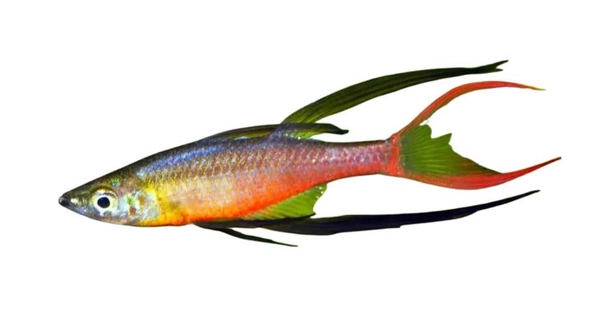
Have you ever noticed your threadfins acting a little strange when you introduce something new to their tank? Their behavior can shift in ways that are both fascinating and slightly confusing for any fish keeper.
Threadfins react to new substrates through behavioral and physiological adjustments, including changes in swimming patterns, feeding activity, and social interactions. These reactions are often influenced by substrate texture, color, and particle size, which directly affect their comfort and stress levels.
From subtle flicks of their fins to unexpected color shifts, their responses reveal how sensitive these fish are to environmental change. Understanding these reactions can help create a more balanced and stress-free habitat.
1. Unusual Flaring and Twitching
When threadfins encounter a new substrate, one of the first things they do is flare their fins and twitch slightly. This behavior is a mix of curiosity and territorial display. They use their fins to test the environment, brushing against the surface to sense texture and temperature. Some may hover close to the bottom, releasing tiny bursts of bubbles as they assess safety. Others might dart quickly across the tank, signaling alertness to their tankmates. These movements often subside after a few hours or days, once the fish realize there’s no threat. Observing this stage helps fish keepers understand how sensitive threadfins are to even minor habitat changes, showing just how vital substrate choice is for their comfort and stability.
This reaction is often harmless, but continuous twitching or pacing can suggest discomfort or irritation caused by rough or chemically treated materials in the substrate.
Once they adapt, threadfins return to graceful swimming, moving in coordinated patterns that show their comfort with the environment. Their fins appear smoother, movements slower, and the group dynamics stabilize. This change from alertness to calmness signals acceptance, meaning the substrate has become part of their recognized space. Watching this transformation can be quite satisfying for any aquarist.
2. Color Shifts and Body Patterns
Threadfins may also show noticeable color changes when introduced to new substrates. Their hues might dull, brighten, or shift slightly depending on stress or stimulation from their surroundings. This visual reaction serves as both communication and camouflage.
The most fascinating part of this response is how adaptive it is. In lighter substrates, threadfins often appear more vibrant, enhancing their silvery tones to blend harmoniously. Darker gravel or sand, however, may cause their colors to fade slightly, reducing contrast as a natural defense mechanism. These shifts are part of how they interpret and adjust to new conditions. Consistent color dulling may indicate prolonged stress, especially if paired with reduced appetite or hiding behavior. To help them adapt smoothly, it’s best to rinse and prepare the new substrate properly, ensuring no residue or sharp fragments remain. This minimizes irritation and promotes faster adjustment. Understanding this subtle communication through color allows fish keepers to monitor their wellbeing more effectively and maintain a balanced tank environment.
3. Shifting Feeding Patterns
When threadfins experience a new substrate, their feeding behavior often changes temporarily. They may ignore food or nibble at unusual spots, as they adjust to the altered texture beneath them and any new scents introduced with the material.
During this stage, it’s common to see them searching for food in less familiar areas, especially if the substrate affects how their food settles. Fine sand, for instance, can hide sinking pellets, while coarse gravel leaves food more exposed. This may cause minor competition among tankmates as threadfins reestablish feeding zones. Their heightened alertness usually fades after a few days, once they identify where food gathers and regain feeding consistency. Observing these changes helps in adjusting feeding techniques, such as using floating food or feeding rings until normal behavior returns. Maintaining a steady feeding schedule can also help reduce the stress caused by environmental adjustments.
Once they settle, threadfins often display more confidence while eating, gliding gracefully to the bottom and picking food in coordinated motions. Their appetite usually increases, signaling full adaptation. This calm and consistent feeding pattern is a strong indicator that the substrate feels safe and familiar. It’s a rewarding sight, as it reflects both trust and comfort within their environment.
4. Increased Interaction with Tankmates
Threadfins often show more interaction with their tankmates after new substrates are introduced. This may include chasing, nudging, or synchronized swimming, which can seem playful but sometimes indicates mild competition or exploration of new boundaries.
As the group adjusts, these interactions help reestablish hierarchy and comfort levels within the tank. Threadfins rely on social cues to interpret environmental changes, and increased activity helps them cope collectively. When one becomes confident exploring the new surface, others quickly follow, mirroring its movements. This shared adjustment process strengthens group cohesion and lowers overall tension. However, prolonged aggression or constant chasing can suggest ongoing discomfort, often linked to substrates that trap debris or release unwanted particles. Maintaining proper cleaning and observing group dynamics carefully can prevent conflicts and ensure each fish adapts smoothly. Over time, their movements synchronize again, marking the return of a peaceful, balanced environment.
5. Temporary Hiding Behavior
After a new substrate is added, threadfins often retreat behind plants, rocks, or decorations. This hiding behavior is a way of coping with uncertainty, helping them feel secure while they observe the unfamiliar texture and scent in their environment.
As they grow comfortable, they begin to emerge gradually, exploring short distances before returning to safety. Over time, their curiosity outweighs caution, and they resume normal swimming patterns. This slow reappearance shows that they are assessing the environment before fully adapting to it, a sign of cautious but intelligent behavior.
6. Subtle Changes in Breathing
When exposed to new substrates, threadfins might show a mild increase in breathing rate. This is often a stress reaction to dust or chemicals released during substrate changes. Proper rinsing and gradual introduction can help prevent this response, keeping their breathing steady and natural throughout the adjustment period.
7. Sensitivity to Light Reflection
Threadfins can become more sensitive to how light reflects off new substrates, especially if the surface is bright or glossy. The glare can alter their depth perception, leading to hesitant movements or brief startles. Using neutral-toned substrates helps reduce reflection and keeps their swimming smooth and relaxed.
FAQ
Why do my threadfins act restless after I change the substrate?
Threadfins often act restless when their environment changes because they rely heavily on visual and tactile cues from their surroundings. When a new substrate is added, it alters how light reflects, how textures feel, and how food particles move. These small changes can cause confusion or mild stress. The fish will swim faster, flare their fins, or explore new areas cautiously. This restlessness is usually temporary, lasting only a few days. Once they become familiar with the new surface and recognize it as safe, their movements calm down, and normal behavior returns.
Can the color of the substrate affect my threadfin’s appearance?
Yes, substrate color can influence their overall tone and brightness. Threadfins are known to adjust their pigmentation to blend with their surroundings. On darker gravel, they often appear more muted, while lighter sand can make their silvery sheen stand out. These changes aren’t harmful but are part of how they adapt and communicate comfort. If their color becomes dull and remains that way for too long, it could be a sign of stress or poor water quality rather than the substrate itself. Regular maintenance and consistent lighting can help them maintain vibrant coloration.
How long does it take threadfins to adjust to new substrate?
Adjustment time varies depending on the fish’s personality, tank setup, and the degree of change. Most threadfins adapt within three to seven days. During this period, you might notice altered feeding patterns, increased hiding, or slight shifts in behavior. Keeping the environment stable is key. Avoid making additional changes, like rearranging decorations or adding new fish. A calm setting helps them regain trust in their environment faster. Once they feel secure, they’ll start swimming gracefully again and interacting normally with tankmates.
Do certain substrate materials stress threadfins more than others?
Rough, sharp, or chemically treated substrates can cause discomfort or stress. Threadfins prefer fine-grained sand or smooth gravel that doesn’t irritate their fins or bellies. Substrates coated with dyes or artificial finishes may release unwanted residues into the water, leading to breathing changes or irritation. Always rinse any new material thoroughly before use. Natural substrates, such as river sand or rounded aquarium gravel, are gentler options that promote healthy behavior and consistent activity levels.
Why are my threadfins hiding more after a substrate change?
Hiding is a common stress response. The new substrate changes how light scatters and how the tank feels under their fins. These sensory shifts can make them feel unsafe, so they retreat until they feel confident again. Providing shaded areas or additional plants can encourage them to explore at their own pace. If the hiding continues for more than a week, check water parameters and confirm the substrate isn’t affecting pH or releasing particles that cloud the water.
Can substrate changes affect water chemistry?
Yes, certain substrates can slightly alter the pH, hardness, or mineral balance of the tank water. Crushed coral, for example, can raise pH, while peat-based materials might lower it. Threadfins prefer neutral to slightly acidic water, so even small shifts can influence their behavior. Monitoring parameters for the first week after any substrate change is important. If you notice fluctuations, partial water changes can help stabilize the environment quickly and safely.
Should I remove all the old substrate at once or gradually?
It’s best to replace substrate gradually, especially in established tanks. Removing everything at once can disturb beneficial bacteria that help maintain water quality. Replacing a small portion over several days allows threadfins to adjust without experiencing a drastic environmental shock. It also helps maintain biological balance and prevents sudden ammonia or nitrite spikes. A gentle approach leads to smoother adaptation and calmer fish.
Why are my threadfins breathing faster after I added new substrate?
Faster breathing can indicate irritation caused by dust or residue from unwashed substrate. Even small particles can affect their gills. If you notice this, perform a partial water change and ensure strong but gentle filtration. Most of the time, once the water clears and oxygen levels stabilize, their breathing returns to normal. Avoid using substrates with strong chemical odors or coatings, as these can cause longer-lasting issues.
Do threadfins ever reject a new substrate completely?
It’s rare, but it can happen. Some threadfins may never feel comfortable if the substrate is too reflective, coarse, or interferes with their feeding habits. If avoidance behavior continues for weeks, consider swapping to a more natural, fine-textured material. Observing their behavior closely will reveal whether they’re adapting or staying uneasy. Choosing a substrate that mimics their natural habitat is always the safest choice for long-term stability and comfort.
Final Thoughts
Threadfins are sensitive and observant fish, capable of detecting even the smallest changes in their surroundings. When new substrates are introduced, their reactions may seem strange at first—darting, hiding, or changing color—but these are simply signs of adjustment. Each behavior, from subtle twitching to new feeding patterns, reflects their natural instincts to test safety and comfort. Understanding this helps fish keepers recognize what is normal and what could indicate stress. It’s important to remember that these changes are often temporary, and with proper care, most threadfins adapt smoothly within a week or two. Stability and patience are key, as sudden adjustments can unsettle them further.
The type of substrate plays a major role in how quickly threadfins settle in. Smooth and natural materials, like fine sand or rounded gravel, allow them to explore safely without irritation. Texture, color, and even light reflection all influence how they behave. For example, bright or glossy surfaces can cause sensitivity, while darker tones may lead to more subdued coloring. Proper rinsing and preparation of the substrate before use also make a noticeable difference. Clean materials reduce the chance of residue, dust, or chemicals that could disrupt water quality or irritate their gills. A well-prepared environment promotes calm and balanced movement, letting threadfins regain their graceful, fluid swimming style.
Caring for threadfins during these transitions is about observation and consistency. Watching their body language, breathing, and interaction with tankmates can reveal how comfortable they truly are. Slight color dulling, fast breathing, or constant hiding often mean they need more time to adjust or that something in the setup needs correction. Regular maintenance, gentle lighting, and minimal disruptions will help them trust their surroundings again. Over time, their natural behaviors—like synchronized swimming and light fin displays—return, signaling contentment. Seeing them glide peacefully across the tank after adapting is a quiet reminder of how resilient these fish are. Each adjustment period offers a chance to learn more about their needs and refine the aquarium’s setup for better harmony. With patience and care, every change becomes an opportunity to strengthen the bond between the fish and their environment, creating a thriving, stable habitat where threadfins can flourish naturally.

Hello,
If you enjoy the content that we create, please consider saying a "Thank You!" by leaving a tip.
Every little bit helps us continue crafting quality advice that supports the health, happiness, and well-being of pets around the world, for pets of all shapes, sizes, and species.
We really appreciate the kindness and support that you show us!