
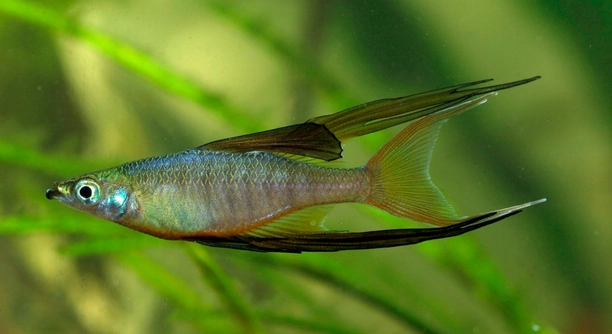
Threadfin Rainbowfish are small, colorful fish often found in home aquariums. Their shimmering scales and active behavior make them popular among hobbyists who enjoy creating peaceful freshwater tanks with lively communities.
Threadfin Rainbowfish do not actively guard their fry. After spawning, adults show little to no parental care, leaving eggs and fry vulnerable. Survival of the young relies mainly on hiding spots, water quality, and minimizing predation from tank mates.
Learning about their breeding habits can help you create a safer environment for the young. Proper care and setup make a noticeable difference in fry survival and growth.
Spawning Behavior of Threadfin Rainbowfish
Threadfin Rainbowfish typically spawn in the early morning when water conditions are stable. Females scatter tiny eggs among plants, and males swim nearby, showing bright colors to attract mates. The eggs are sticky, attaching themselves to leaves or fine gravel, which helps prevent them from drifting away. In an aquarium setting, these fish prefer a quiet, well-planted area to lay eggs. Water temperature around 26–28°C encourages spawning, while slightly harder water can improve egg survival. Adults often swim away after releasing eggs, leaving them exposed. Unlike some other fish species, they do not return to guard the eggs or remove fungus, so the risk of predation is high. Tank mates may eat eggs or fry, so separating a breeding pair is sometimes necessary. Providing plenty of fine-leaved plants or spawning mops can increase the number of eggs that survive to hatch, making careful planning essential.
Spawning usually happens in pairs, with minimal interaction from the adults after eggs are laid.
Understanding their natural behavior helps prepare an aquarium setup that supports successful hatching and growth. It reduces stress on the adults and increases survival rates for the fry, ensuring healthier young fish in the tank.
Fry Care and Survival
Fry are very delicate in the first few weeks, requiring safe spaces and clean water.
Once hatched, Threadfin Rainbowfish fry need tiny food like infusoria or finely crushed flakes. Frequent small feedings help them grow steadily without overloading the water with waste. A well-planted tank or a breeding box gives them places to hide from adult fish. Monitoring water quality is critical; ammonia or nitrite spikes can quickly harm the fry. Over time, they can transition to larger foods like baby brine shrimp. Light levels should be moderate to reduce stress, and gentle filtration prevents strong currents from sweeping the fry away. Observing their growth allows adjustments to feeding and habitat conditions. Removing uneaten food and debris keeps the water safe and reduces the risk of disease. With careful attention, fry can develop vibrant colors and healthy fins, eventually becoming active, resilient adults.
Small adjustments in tank setup and feeding routines dramatically improve survival rates for young Threadfin Rainbowfish.
Creating the right environment requires patience, but it ensures that the fry thrive. Protecting them during these first critical weeks allows them to grow stronger, reducing losses. By providing suitable hiding spaces, frequent feedings, and stable water conditions, the tank becomes a nurturing place for the fry. Watching them develop bright colors and lively behavior is rewarding, and knowing that careful care made a difference adds a sense of accomplishment. Over time, the fry will join the adult community, showing natural behaviors and contributing to a balanced, healthy aquarium. Consistent observation and small improvements in their care make a noticeable difference in their growth and resilience.
Common Challenges with Fry
Fry are very sensitive to water changes and temperature fluctuations. Even small shifts can stress them, slowing growth or causing illness. Overcrowding increases competition for food, making it harder for weaker fry to survive. Constant observation is important to catch problems early.
Many aquarists notice that fry often struggle with water quality. Ammonia and nitrite levels can rise quickly if the tank is overfed or not filtered well. Even small amounts of leftover food can create harmful spikes. Maintaining a stable environment with frequent, partial water changes helps prevent these issues. Separating fry from larger fish reduces predation risks, and planting dense foliage gives hiding spots. Over time, careful monitoring and gradual adjustments in feeding and habitat conditions improve survival rates and overall health.
Feeding can also present challenges. Fry need very small, frequent meals that are easy to digest. Switching too quickly to larger foods can harm digestion, while feeding too little slows growth. Observing their behavior while feeding helps determine the right portions and timing. Adjusting the environment to reduce stress, such as gentle filtration and moderate lighting, supports healthy development. Dense plant cover or breeding nets offer protection and a sense of security. Consistency in water conditions and feeding routines makes a significant difference in their growth, helping more fry reach maturity successfully.
Tank Setup Recommendations
A well-planted tank with calm water benefits fry growth and reduces stress. Adding fine-leaved plants or spawning mops gives them shelter from adults and currents.
Temperature should remain stable between 26–28°C, with gentle filtration to avoid strong water flow. Avoid overcrowding, as too many fry can lead to competition for food and limited space, increasing stress levels. Regular partial water changes maintain water quality without shocking young fish. Dense vegetation or floating plants helps fry hide while also providing microhabitats for tiny food like infusoria. Proper lighting that is not too bright prevents stress and encourages natural behavior. Observation allows you to notice weak or slow-growing fry early, so adjustments can be made promptly.
Arranging the tank carefully ensures fry have safe spaces to grow. Using plants and gentle filtration creates a comfortable environment, while regular maintenance keeps water quality optimal. Monitoring temperature and feeding small portions frequently encourages steady development. Over time, a properly set up tank reduces fry losses and supports healthier, more resilient fish. Adjustments in plant placement, water changes, and feeding schedules help create a stable environment, increasing the chances that fry reach adulthood successfully. Consistency is key, and small changes can make a noticeable difference in their survival and growth.
Feeding Strategies for Fry
Fry need very small, frequent meals to grow properly. Infusoria, micro-worms, or finely crushed flakes are ideal in the first weeks. Consistency is more important than large portions, as overfeeding can quickly pollute the water.
Gradually introducing baby brine shrimp or finely crushed high-quality flake foods helps fry transition to larger diets. Feeding multiple times a day ensures all fry get enough nutrition while reducing competition. Observing how quickly they eat allows adjustments to portion size and frequency. Removing uneaten food promptly keeps water safe and prevents disease. Over time, a balanced feeding routine promotes steady growth and vibrant coloration.
Observing Growth Patterns
Monitoring fry daily helps identify slow growth or signs of illness early. Healthy fry swim actively and display bright colors even at a young age. Observing their fins, eyes, and body shape can reveal nutritional or environmental issues before they become serious.
Regular observation also allows adjustments in feeding, tank conditions, and plant cover to support growth. Identifying weaker fry early may involve providing extra food or additional hiding spaces. Consistency in care encourages uniform development and reduces mortality, creating a thriving population of young Threadfin Rainbowfish.
Avoiding Predation
Separating fry from adult fish prevents accidental eating. Adults may not intentionally hunt, but they can consume eggs or tiny fry.
FAQ
Do Threadfin Rainbowfish eat their fry?
Threadfin Rainbowfish generally do not actively hunt their fry, but they may eat eggs or very tiny fry if given the opportunity. Adults are not protective and will swim through plants or the substrate, sometimes consuming eggs or tiny offspring by accident. Separating eggs or fry into a breeding tank reduces losses and gives the young a better chance to survive. Providing dense plants or floating mops in the main tank also helps shield fry from adult fish.
How long does it take for fry to hatch?
Eggs usually hatch within 7–10 days, depending on water temperature and quality. Warmer, stable water speeds up development, while cooler or fluctuating conditions slow it down. Fry are extremely small when they hatch and need immediate access to tiny food like infusoria or finely crushed flakes. Maintaining clean water is essential during this stage, as the smallest changes in ammonia or nitrite levels can be fatal. Observing eggs daily helps track progress and anticipate hatching so food is ready for newly hatched fry.
What do I feed Threadfin Rainbowfish fry?
For the first week, fry require microscopic foods such as infusoria, rotifers, or finely crushed high-quality flakes. After a few days, you can gradually introduce newly hatched brine shrimp, which provide protein for healthy growth. As they grow larger, finely crushed flakes or small live foods like daphnia can be added. Feeding should be frequent but in tiny portions to avoid polluting the water. Overfeeding can lead to ammonia spikes that harm delicate fry. Observing fry while feeding ensures all get access to food and allows adjustments to portion size as they grow.
Can Threadfin Rainbowfish fry survive with adults?
Fry can survive in a tank with adults if there are plenty of hiding spots and dense plants. However, survival rates are lower because adults may eat tiny fry or disturb eggs. Using breeding boxes, nets, or separate fry tanks increases survival dramatically. Even in planted tanks, constant monitoring is important to ensure the smallest fry are not lost. Gradually reintroducing fry to the main tank once they are larger and more mobile reduces risks. Dense vegetation gives fry places to hide naturally, while still allowing interaction with adults in a controlled environment.
How often should I change water for fry?
Frequent, small water changes are essential for fry. Replacing 10–15% of tank water every day or every other day helps maintain safe ammonia and nitrite levels. Sudden large water changes can shock fry, so gradual replacement is best. Using dechlorinated water at the same temperature as the tank prevents stress. Monitoring water parameters daily allows timely adjustments and prevents sudden spikes that can harm fry. Clean water supports healthy growth, prevents disease, and improves overall survival rates.
When can I start feeding fry larger foods?
After about two to three weeks, fry can start eating larger foods like finely crushed flakes or baby brine shrimp. At this stage, they have grown enough to handle slightly bigger prey. Gradually increasing food size ensures digestive systems develop properly. Overfeeding at this stage can still harm water quality, so continue giving small, frequent meals. Observation of their feeding behavior helps determine the right timing to introduce new foods and ensures all fry receive adequate nutrition.
Do Threadfin Rainbowfish need special lighting for fry?
Fry do not require intense lighting. Moderate lighting helps plants grow, which provides hiding places, but too much light can stress young fish. Floating plants or gentle shading can reduce stress and make fry feel secure. Stable light cycles of 10–12 hours per day mimic natural conditions and support healthy development. Observing fry behavior under different lighting helps determine what works best for their comfort and activity levels.
How can I tell if fry are healthy?
Healthy fry are active swimmers with clear eyes, smooth fins, and no deformities. They respond to food and show steady growth over days and weeks. Signs of illness include sluggish movement, curled fins, pale coloring, or failure to feed. Consistent observation allows early detection of problems so water, food, or tank conditions can be adjusted. Keeping fry in stable, well-maintained tanks with proper feeding routines increases the chances they remain healthy and grow into vibrant adults.
Are there any supplements needed for fry?
Supplements are not strictly necessary if a varied diet of microscopic foods, baby brine shrimp, and finely crushed flakes is provided. Occasionally, liquid fry foods or powdered supplements can enhance growth and coloration. Focus should remain on clean water, frequent feeding, and hiding spaces, as these factors have a larger impact on survival than supplements alone. Over-supplementing can harm water quality and stress fry, so it is best used sparingly and carefully.
How long does it take for fry to reach adult size?
Threadfin Rainbowfish fry typically reach juvenile size in 8–10 weeks and full adult size in 6–8 months, depending on food quality and tank conditions. Steady growth requires consistent feeding, clean water, and low-stress environments. Dense plants and stable temperatures support development. Observing growth patterns ensures fry are developing evenly and allows adjustments to care routines. Proper care during these months leads to vibrant, active adults that are ready to join the main tank community safely.
Final Thoughts
Threadfin Rainbowfish are colorful, active fish that add life to any freshwater aquarium. They are peaceful and easy to care for, which makes them suitable for community tanks. Their small size and bright colors make them appealing to anyone who enjoys keeping fish. While they are not known for guarding their eggs or fry, they can still be successfully bred with the right setup and care. Understanding their behavior helps ensure the survival of fry and creates a healthier environment for all tank inhabitants. Providing dense plants, gentle water flow, and stable conditions gives fry the best chance of growing into strong adults.
Breeding Threadfin Rainbowfish requires careful attention to water quality, food, and tank conditions. Fry are delicate and need very small, frequent meals in the first few weeks. Infusoria, baby brine shrimp, and finely crushed flakes are ideal for early growth. Overfeeding or poor water conditions can quickly harm the fry, so monitoring is essential. Temperature stability is also important; keeping the water around 26–28°C encourages development and reduces stress. Providing hiding places, either through plants or breeding boxes, allows fry to avoid adult fish, which may accidentally consume eggs or very small fry. By observing their growth daily, aquarists can adjust food, water, and tank setup to support healthy development.
Raising fry successfully takes patience, but the process can be rewarding. Even though Threadfin Rainbowfish do not actively guard their young, creating a safe and stable environment greatly increases survival rates. Once fry mature, they become active, colorful adults that enhance the aquarium’s appearance. Consistency in feeding, water changes, and monitoring behavior ensures the best results. Small adjustments in tank setup, food type, and hiding spaces can make a noticeable difference in their health. Ultimately, understanding these fish and their needs allows anyone keeping them to enjoy not only their beauty but also the satisfaction of helping young fish grow strong and healthy. With careful care and observation, the process of raising Threadfin Rainbowfish fry can be both manageable and rewarding for aquarists of any experience level.

Hello,
If you enjoy the content that we create, please consider saying a "Thank You!" by leaving a tip.
Every little bit helps us continue crafting quality advice that supports the health, happiness, and well-being of pets around the world, for pets of all shapes, sizes, and species.
We really appreciate the kindness and support that you show us!