
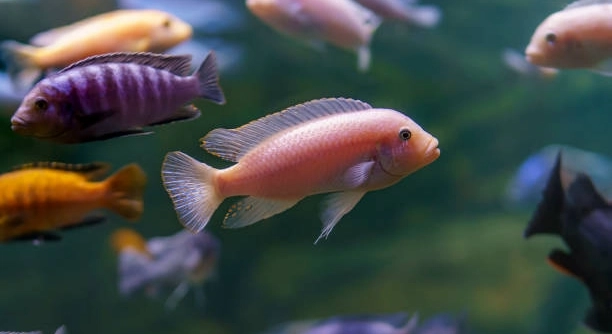
Caring for cichlids involves more than just feeding them regularly. Maintaining their water environment is key to keeping them healthy and happy. Skipping water changes can affect their well-being in many ways.
Skipping water changes for cichlids leads to a buildup of harmful toxins, poor water quality, and increased stress for the fish. Over time, this can cause illness, weakened immune systems, and even death if not addressed promptly.
Understanding the effects of neglecting water changes will help you provide better care for your cichlids. Keeping their environment clean is essential for their long-term health and vitality.
Why Regular Water Changes Matter for Cichlids
Keeping water clean in a cichlid tank is very important. Over time, waste from fish and uneaten food builds up, producing harmful chemicals like ammonia and nitrites. These toxins can stress your fish, making them sick or causing unusual behavior. Regular water changes remove these harmful substances, helping maintain a stable and healthy environment. Clean water also supports good oxygen levels, which your cichlids need to breathe well. Without water changes, the tank’s balance is disturbed, and diseases can spread more easily. Changing water regularly helps prevent algae growth too, which can cloud the tank and reduce light. It also keeps the pH and hardness of water in check, both crucial for cichlids’ comfort. Even small water changes, done consistently, make a big difference in tank health and fish longevity. Skipping changes just once or twice might seem harmless but can quickly lead to problems if it becomes a habit.
Regular water changes help keep your cichlids active, healthy, and stress-free.
Neglecting water changes causes a buildup of toxins that damage fish health over time. A consistent routine is essential for preventing these risks and ensuring a safe habitat for your cichlids to thrive.
Signs Your Cichlids Are Affected by Poor Water Quality
Fish often show clear signs when water quality drops. You might notice your cichlids becoming lethargic or hiding more than usual. Their colors can fade, and they may stop eating. Sometimes, they gasp at the water surface for air, which shows low oxygen levels. Increased scratching or rubbing against objects can indicate irritation from dirty water. Watch for clamped fins or abnormal swimming patterns, which signal stress or illness. Also, look for white spots or fuzzy patches, signs of infections often triggered by poor water conditions. Catching these signs early helps you take action before serious damage occurs. Testing the water regularly for ammonia, nitrites, and nitrates is a good practice.
If you miss water changes, your cichlids’ health can quickly worsen. Regular monitoring helps catch problems early.
When water quality drops, fish lose energy and become vulnerable to diseases. Clean water supports their immune system, helping them fight off infections. Without it, illnesses spread faster, and recovery takes longer. Treating sick fish without fixing water quality is rarely effective. Water changes dilute toxins and refresh the tank, promoting healing. By keeping the water clean, you also protect beneficial bacteria that break down waste, maintaining the tank’s natural balance. Remember, healthy water means happy fish. Maintaining this balance requires effort but pays off in stronger, more vibrant cichlids that live longer and display better behavior. This approach is much better than dealing with constant health issues caused by neglect.
How Often Should You Change the Water?
Changing water regularly is key to keeping cichlids healthy. Many hobbyists recommend a 20-30% water change every one to two weeks, depending on tank size and fish load.
Smaller tanks and heavily stocked tanks need more frequent water changes to prevent toxins from building up. Larger tanks with fewer fish can often go longer between changes, but regular testing is still necessary. Keeping a schedule helps maintain stable water parameters and prevents sudden changes that can stress fish. Consistency is better than doing large changes infrequently, as big changes can shock your cichlids.
Besides water changes, cleaning the substrate and removing uneaten food are important tasks. Together, these steps keep the tank environment healthy. Remember, even if water looks clear, invisible toxins can harm your fish, so sticking to a water change routine is the best practice.
Using Conditioners and Testing Water Quality
Water conditioners remove harmful chemicals like chlorine and chloramine from tap water before adding it to the tank. These chemicals can kill beneficial bacteria and harm cichlids if not neutralized. Always treat new water before pouring it into the tank.
Regularly testing water parameters like ammonia, nitrite, nitrate, pH, and hardness helps catch issues early. Test kits are affordable and easy to use at home. Checking water quality before and after changes ensures you’re keeping the environment safe. Ignoring testing can allow harmful toxins to build up unnoticed, risking your cichlids’ health.
By combining water changes with proper conditioning and testing, you create a stable habitat. This balance supports your cichlids’ natural behavior and reduces stress. It also makes detecting problems easier, giving you time to act before fish get sick. A little effort in maintenance goes a long way for healthy, happy cichlids.
Common Mistakes to Avoid When Changing Water
Changing too much water at once can shock your cichlids, causing stress or illness. It’s better to do smaller, regular changes.
Using untreated tap water is risky because chemicals like chlorine harm fish and beneficial bacteria. Always use a water conditioner before adding new water.
Effects of Neglecting Water Changes Over Time
Over time, skipping water changes leads to poor water quality that weakens cichlids’ immune systems. They become more prone to infections and parasites. Toxic buildup also reduces oxygen levels, making breathing difficult. Fish may stop eating and show signs of stress. In severe cases, this can cause death. The tank’s natural balance breaks down, and algae growth may increase. Long-term neglect makes recovery harder and often requires extensive tank cleaning or medical treatment. Preventing these problems with regular maintenance saves time, money, and heartbreak.
How to Make Water Changes Easier
Setting a schedule and using tools like siphons can simplify water changes.
How often should I change water for my cichlids?
Water changes should happen every one to two weeks, with about 20-30% of the water replaced each time. This helps remove waste and toxins without shocking the fish. The exact schedule depends on tank size, number of fish, and filtration system, but consistency is key.
Can I change all the water at once?
Changing all the water at once is not recommended. It can cause stress and shock to your cichlids because of sudden changes in temperature, pH, and other water parameters. Smaller, regular changes are safer and more effective.
What happens if I skip water changes?
Skipping water changes lets harmful chemicals like ammonia and nitrites build up. This weakens fish immune systems, causes stress, and increases the risk of illness. Over time, poor water quality can lead to disease and even death.
Is tap water safe to use for water changes?
Tap water usually contains chlorine or chloramine, which are toxic to fish. Always use a water conditioner to remove these chemicals before adding tap water to your tank. This protects beneficial bacteria and keeps your fish safe.
Can I reuse the water I remove during changes?
It’s best not to reuse removed water because it contains waste and toxins. Always replace it with clean, treated water. Reusing dirty water can undo the benefits of the water change and harm your cichlids.
How can I test if my tank water is healthy?
Use aquarium test kits to check levels of ammonia, nitrites, nitrates, pH, and hardness. These kits are easy to use at home and help detect problems early. Testing before and after water changes ensures the tank stays safe.
What tools do I need for water changes?
A siphon or gravel vacuum makes water changes easier by removing debris and water at the same time. Buckets and water conditioners are also necessary. Having the right tools saves time and keeps the process simple.
Will frequent water changes stress my cichlids?
If done properly, regular water changes should not stress fish. Avoid sudden temperature changes and large water swaps. Maintaining stable water conditions actually reduces stress and keeps your cichlids healthy and active.
How much water should I change each time?
Changing 20-30% of the water each time is usually enough. This amount removes toxins without disrupting the tank’s balance. Larger changes can be harmful, while smaller changes may not clean the tank effectively.
What if I don’t have time for regular water changes?
Skipping water changes is harmful, so try to stick to a schedule. Automated systems or asking someone for help can be solutions. Neglecting changes leads to serious health problems for your cichlids.
Can water changes improve fish behavior?
Yes, clean water supports natural behavior like active swimming and feeding. Poor water quality can make fish lethargic or aggressive. Regular water changes promote a peaceful and lively tank environment.
Should I clean the filter during water changes?
Filters clean water but should be cleaned carefully. Rinse filter media in old tank water, not tap water, to protect beneficial bacteria. Cleaning filters too often or with chlorinated water can harm the tank’s balance.
How does water temperature affect water changes?
Make sure new water matches the tank temperature closely. Sudden temperature changes during water changes stress fish and may cause illness. Using a thermometer helps keep water consistent.
Can water changes help control algae?
Yes, regular water changes reduce excess nutrients that feed algae. Keeping nitrate levels low helps prevent algae blooms. Combined with proper lighting and cleaning, water changes are an important tool against algae.
What should I do if my fish look sick after a water change?
Check if the new water’s temperature, pH, and hardness match the tank. Sudden changes can stress fish. If parameters are off, do smaller water changes and test water quality regularly. Treat illnesses as needed but always fix water quality first.
This FAQ covers many common concerns about water changes for cichlids. Proper care and regular maintenance help keep your fish healthy and your tank balanced.
Regular water changes are one of the most important parts of caring for cichlids. Clean water keeps fish healthy by removing harmful waste and toxins that build up over time. When water changes are skipped, these harmful substances accumulate, causing stress and illness in your fish. Even if the tank looks clear, the water can still be unsafe for your cichlids. Consistent water changes help maintain a stable environment, supporting the fish’s natural behavior and immune system. This simple step in tank maintenance can make a big difference in how long and well your cichlids live.
Water changes are more than just pouring out old water and adding new. It is important to use water conditioners to remove chlorine and other chemicals from tap water before adding it to the tank. Temperature and water chemistry should be matched closely to the tank water to avoid shocking the fish. Small, regular water changes are better than large, infrequent ones, which can upset the balance of the tank and cause stress. Tools like siphons or gravel vacuums can make this task easier and more effective by removing debris and waste. Testing water regularly also helps catch any problems early, so you can act before your fish get sick.
Keeping up with water changes requires commitment but is worth the effort. Skipping this task might seem easier, but it leads to poor water quality and health problems for your cichlids. When water is clean and well-maintained, fish are more active, colorful, and less likely to fall ill. Following a routine water change schedule along with proper testing and conditioning will help your cichlids thrive. This care also protects your investment, as healthy fish are more enjoyable to keep and require less treatment or replacement. Taking simple steps each week will create a safe and happy home for your cichlids.

Hello,
If you enjoy the content that we create, please consider saying a "Thank You!" by leaving a tip.
Every little bit helps us continue crafting quality advice that supports the health, happiness, and well-being of pets around the world, for pets of all shapes, sizes, and species.
We really appreciate the kindness and support that you show us!