
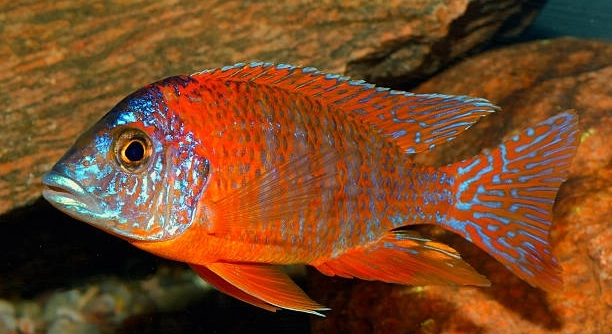
African cichlids are colorful and active fish that many enjoy keeping in home aquariums. Building a bond with these fish can make the experience more rewarding. Understanding their behavior and needs is important for a healthy relationship.
Bonding with African cichlids involves consistent care, proper tank conditions, and gentle interaction. Recognizing their social behaviors and providing environmental enrichment encourages trust and reduces stress, promoting a stronger connection between owner and fish.
Learning simple ways to bond with your cichlid can enhance both their well-being and your enjoyment. These tricks will help you create a positive and lasting relationship with your aquatic companion.
Create a Comfortable Environment
African cichlids respond well to an environment that mimics their natural habitat. Providing plenty of hiding spots with rocks, caves, and plants helps them feel secure. Proper water temperature and cleanliness are crucial, as these fish are sensitive to changes. Maintaining stable water parameters will reduce stress and promote healthy behavior. When the tank is comfortable, your cichlids will be more relaxed and open to interaction. Avoid overcrowding the tank, as territorial disputes can cause aggression and make bonding difficult. Observing their natural behaviors in a well-set tank helps you understand their needs and preferences better. Regular maintenance, including partial water changes and filter cleaning, supports this environment and keeps your fish healthy.
A well-maintained, comfortable tank helps African cichlids feel secure, which is essential for building trust and encouraging interaction.
Setting up a suitable habitat creates a foundation for positive relationships with your cichlids. When fish feel safe, they are more likely to explore and respond to your presence. A clean tank with proper hiding places reduces stress, which is vital for their health and temperament. This environment supports natural behaviors like territory establishment and social interaction, making it easier for you to recognize when your fish are comfortable and ready to bond. The effort you put into tank setup directly affects your ability to connect with your cichlids.
Consistent Feeding Routine
African cichlids quickly learn to associate feeding times with their caretakers. Feeding your fish at regular times each day establishes a routine they can anticipate. Using the same feeding spot in the tank encourages them to come closer and interact. Offering a variety of foods such as pellets, flakes, and occasional live or frozen treats supports their nutrition and keeps them interested. Hand-feeding can enhance trust but should be done carefully to avoid stressing the fish. Avoid overfeeding, which can lead to water quality issues and health problems. Observing your cichlids during feeding also helps you monitor their health and behavior.
Feeding your cichlids consistently builds trust and encourages them to approach you during feeding times.
A predictable feeding schedule helps your cichlids recognize you as a source of food and comfort. This regular interaction makes them more comfortable with your presence. Varying their diet ensures they receive necessary nutrients while maintaining their interest. Slowly introducing hand-feeding can deepen the bond as the fish associate you with positive experiences. It is important to watch for signs of stress or aggression during feeding and adjust accordingly. Over time, feeding routines become an opportunity for connection and observation, improving your understanding of each fish’s personality and needs.
Gentle Interaction
Talking softly near the tank and moving slowly can help your cichlids get used to your presence. Sudden movements or loud noises may frighten them.
Patience is key when interacting with African cichlids. They may take time to recognize you as non-threatening. Spending a few minutes daily near the tank, without tapping or startling them, helps them adjust. Gradually, they will feel safer and may even swim closer out of curiosity. This process builds trust and reduces their stress around you, making future interactions easier.
Over time, gentle interaction encourages your cichlids to be more responsive. You might notice them following your movements or reacting to your voice. Consistency helps build familiarity and comfort. Avoiding aggressive or rapid actions is essential since these fish can be shy. Respecting their boundaries while offering calm presence will lead to a stronger connection, making caring for them more enjoyable.
Use Mirrors to Encourage Behavior
Placing a mirror outside the tank for a few minutes can stimulate your cichlid’s natural territorial response. This encourages activity and interaction.
Using a mirror briefly allows cichlids to see their reflection, which they often mistake for another fish. This triggers behaviors like displaying colors, flaring fins, and exploring. These displays help keep them active and mentally engaged. However, mirrors should only be used in short sessions to avoid causing stress or aggression. Observing their reactions provides insight into their mood and health.
Regular short mirror sessions can improve your cichlid’s liveliness and interest in their environment. It encourages them to display natural behaviors, which can be rewarding to watch. This tool also helps you understand individual personalities and temperaments, aiding in better care. Proper use of mirrors complements other bonding methods by keeping your fish stimulated and engaged without overwhelming them.
Observe Their Behavior
Watching your cichlids regularly helps you understand their moods and habits. Noticing changes can signal health or comfort issues.
Paying close attention to swimming patterns, color changes, and interactions with tank mates provides valuable information. This awareness strengthens your bond by letting you respond to their needs promptly.
Avoid Overcrowding
Keeping too many fish in one tank causes stress and aggression. A balanced population supports better bonding.
Providing enough space reduces fighting and allows each cichlid to establish its own territory. This calm environment makes your fish more receptive to interaction and trust-building.
Provide Enrichment
Adding rocks, plants, and decorations encourages natural exploration. This stimulation improves your cichlids’ mental and physical health.
Enrichment mimics their natural habitat, reducing boredom and promoting positive behaviors. A well-stimulated fish is more likely to engage with its environment and owner, strengthening the bond.
FAQ
How long does it take to bond with an African cichlid?
Bonding time varies depending on the fish’s personality and environment. Some cichlids may begin to show trust within a few weeks of consistent care and gentle interaction. Others may take several months, especially if they are shy or stressed. Patience and routine are essential.
Can I hand-feed my African cichlid?
Yes, hand-feeding is possible and can strengthen your bond. Start by offering food near the tank glass and gradually moving your hand closer over time. Be gentle and avoid sudden movements to prevent scaring the fish. Hand-feeding should be done carefully to maintain trust and avoid stress.
What are signs my cichlid is bonding with me?
Signs include swimming close to you during feeding, following your movements, and displaying relaxed behavior like reduced hiding. They may also show bright colors and active exploration when you are near. These behaviors indicate comfort and trust.
Is it okay to talk to my fish?
Talking softly near the tank is helpful. While fish do not understand words, your voice and calm presence can become familiar and comforting to them. Avoid loud or abrupt noises that may frighten the fish.
How often should I clean the tank?
Regular maintenance is crucial. Partial water changes of 20-30% every one to two weeks keep water quality high. Clean filters and remove debris as needed. Clean water reduces stress and supports bonding by keeping your cichlids healthy.
Can mirror use harm my cichlid?
Mirrors should be used only for short periods, about 5-10 minutes a day. Prolonged exposure may cause stress or aggressive behavior since fish mistake their reflection for a rival. Brief sessions can stimulate activity without negative effects.
What foods are best for bonding?
A varied diet including high-quality pellets, flakes, and occasional live or frozen foods is best. Variety keeps fish interested and healthy. Feeding with a consistent schedule builds trust and encourages fish to approach you.
How do I reduce aggression among cichlids?
Provide plenty of hiding spots and maintain adequate tank size. Overcrowding increases stress and fighting. Observe tank dynamics and separate aggressive individuals if needed. A calm environment helps improve bonding opportunities.
Why does my cichlid hide all the time?
Hiding is normal, especially if the fish feels stressed or threatened. It can also mean illness or poor water quality. Improving the environment and maintaining stable water conditions encourages more active behavior and better interaction.
Can I touch my cichlid?
It’s best to avoid touching your fish directly, as it can stress them and damage their protective slime coat. Interaction is better through observation, feeding, and gentle movements outside the tank.
How important is tank decoration for bonding?
Decorations like rocks and plants provide security and mental stimulation. A well-decorated tank reduces stress and encourages natural behavior, which makes your cichlids more comfortable and receptive to bonding.
What if my cichlid doesn’t respond to me?
Some fish take longer to trust or may never become very interactive. Consistency, gentle care, and a good environment increase the chances of bonding. Respecting their temperament is important for their well-being.
Should I change my approach if my cichlid is shy?
Yes, shy fish need extra patience and minimal disturbance. Spend quiet time near the tank without sudden movements or tapping. Slow, consistent feeding routines help them feel safe and encourage gradual trust.
Can I have multiple African cichlids together?
Yes, but it requires careful planning. Choose species with compatible temperaments and provide enough space. Overcrowding or mixing aggressive species can cause stress and harm bonding efforts.
How do I know if my cichlid is healthy?
Healthy cichlids are active, have clear eyes, vibrant colors, and eat regularly. Watch for signs of illness like lethargy, discoloration, or abnormal swimming. Healthy fish bond more easily and enjoy better quality of life.
Is lighting important for bonding?
Proper lighting supports natural behavior and coloration. Too bright or too dim lighting can stress fish. A balanced light cycle helps regulate their daily rhythms and makes interactions more predictable.
What role does water temperature play?
Maintaining water temperature between 75-82°F (24-28°C) suits most African cichlids. Sudden temperature changes stress fish and hinder bonding. Stable temperature supports health and activity, making your fish more interactive.
Can I use a feeding ring to bond?
Feeding rings help concentrate food in one spot, encouraging fish to come to a specific area. This can increase interaction during feeding times and make it easier to hand-feed or observe them closely.
How does stress affect bonding?
Stress makes fish shy, aggressive, or inactive, reducing opportunities for bonding. Minimizing stress through proper tank care, stable water conditions, and gentle interaction improves trust and connection.
What should I avoid when bonding with my cichlid?
Avoid sudden movements, tapping the glass, overcrowding, and inconsistent care. These can cause fear and stress, making bonding difficult. Consistency and calmness foster positive interactions over time.
Building a strong bond with your African cichlid takes time, patience, and consistent care. These fish are intelligent and can recognize their caretakers, but they need a comfortable and stable environment to feel safe. Providing a tank that mimics their natural habitat, with plenty of hiding places and proper water conditions, helps reduce stress and encourages natural behaviors. When your cichlid feels secure, it becomes easier for you to interact with it and build trust over time. Remember that every fish has its own personality, so the pace of bonding may vary.
Regular routines, such as consistent feeding times and gentle interaction, are important for strengthening your relationship with your cichlid. Feeding your fish at the same time each day and offering a varied diet will help them feel more comfortable and interested in their environment. Spending quiet time near the tank, moving slowly and speaking softly, allows your fish to get used to your presence without feeling threatened. Small steps, like using a mirror briefly or observing their behavior closely, can also encourage natural activity and deepen your understanding of their moods and needs.
It is important to avoid actions that cause stress or fear, such as overcrowding the tank or making sudden movements. Keeping your tank clean and maintaining stable water temperature supports your cichlid’s health and overall well-being. Stress-free fish are more likely to show signs of trust and interaction. By combining good care with patience and attention, you create an environment where bonding can happen naturally. Over time, this connection will enhance your enjoyment of keeping African cichlids and improve the quality of life for your aquatic pets.

Hello,
If you enjoy the content that we create, please consider saying a "Thank You!" by leaving a tip.
Every little bit helps us continue crafting quality advice that supports the health, happiness, and well-being of pets around the world, for pets of all shapes, sizes, and species.
We really appreciate the kindness and support that you show us!