
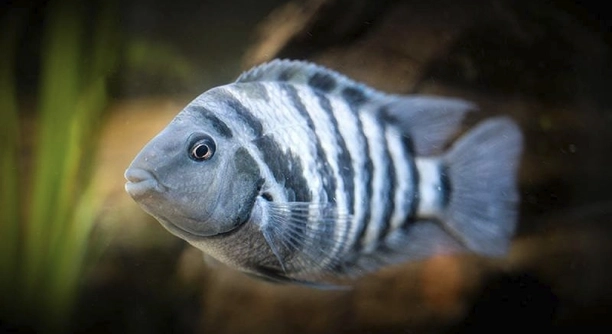
African cichlids are popular aquarium fish known for their vibrant colors and active behavior. Many new fishkeepers wonder about the best water conditions to keep these fish healthy. Understanding their needs is important for a thriving aquarium environment.
African cichlids can live in tap water if it is properly treated and adjusted to meet their specific water quality requirements. Key factors include maintaining appropriate pH, hardness, and removing harmful chemicals like chlorine and chloramine.
Proper care of tap water can create a safe habitat for African cichlids. Learning how to prepare their water will support their health and vibrant colors.
Understanding Tap Water Quality for African Cichlids
Tap water quality varies greatly depending on location, so it is important to know what is in your water before adding fish. African cichlids thrive in hard, alkaline water, with a pH between 7.8 and 8.6. Many municipal water supplies are treated with chlorine or chloramine to make it safe for humans but toxic to fish. Testing kits can help you check pH, hardness, and the presence of harmful chemicals. Using a water conditioner removes chlorine and neutralizes chloramine, making tap water safer for your fish. Additionally, some tap water may have heavy metals or other contaminants that can harm cichlids, so testing is essential. Adjusting the hardness with additives like crushed coral or baking soda helps replicate the natural habitat of these fish, supporting their health and coloration. Regular water changes with properly treated water are necessary to maintain a stable environment.
Proper testing and treatment of tap water are essential for creating a safe aquarium environment. Without these steps, fish health can decline quickly.
Knowing how to manage tap water helps ensure your cichlids remain active and vibrant. Consistent water quality will keep them healthy over time.
Common Mistakes When Using Tap Water for African Cichlids
Skipping water testing can lead to dangerous water conditions for African cichlids. It is common for new keepers to overlook pH and hardness levels, resulting in stress and illness for the fish.
African cichlids are sensitive to sudden changes in water chemistry, so stability is key. Adding untreated tap water directly can cause chlorine or chloramine poisoning. Some tap water may be too soft or acidic compared to their natural environment, causing weakened immune systems. Avoid using tap water that contains heavy metals or high levels of nitrates. Overlooking water conditioners or failing to acclimate fish properly to new water can cause shock. Regularly monitoring water parameters and making gradual adjustments prevents stress. Using a filter and biological media helps maintain water quality by breaking down harmful compounds. Proper water management, including conditioning and gradual changes, is essential for long-term cichlid health.
Maintaining good water quality by avoiding these mistakes will increase the lifespan and vibrancy of your African cichlids.
Preparing Tap Water for African Cichlids
Treating tap water before adding it to your aquarium is essential. Use a reliable water conditioner to remove chlorine and chloramine, which are harmful to fish. Testing your water’s pH and hardness ensures it matches the needs of African cichlids.
Adjusting tap water to suit African cichlids involves raising pH and hardness if necessary. Adding crushed coral or aragonite substrate can naturally buffer water, increasing alkalinity and hardness. Baking soda is another option to raise pH. Always make changes gradually to avoid shocking your fish. Regularly test water parameters to maintain stability. Proper preparation supports cichlid health, helping them thrive in your aquarium.
It is also important to let conditioned water sit for a few hours before use. This allows dissolved gases to escape and ensures the water is safe. Frequent water changes with treated tap water help keep the tank clean and balanced. Using a filter with biological media improves water quality by breaking down waste, reducing harmful compounds that can build up.
Monitoring Water Parameters Regularly
Consistent testing of water parameters keeps your aquarium environment stable. Testing kits for pH, hardness, ammonia, nitrites, and nitrates are necessary tools for any cichlid keeper.
Water parameters can change quickly, especially in new or heavily stocked tanks. Ammonia and nitrite spikes are toxic and can kill fish if not addressed. Maintaining proper pH and hardness supports cichlid health and coloration. Frequent testing allows early detection of problems, so corrective actions can be taken promptly. Keeping a log of water tests helps track trends and prevents surprises.
Using test results, you can adjust treatments as needed. If ammonia or nitrites rise, increase water changes and check your filter function. If pH drifts, adjust with buffering agents slowly. Stable water chemistry reduces stress, preventing disease and improving fish behavior. Regular monitoring is key to a thriving African cichlid aquarium.
Common Water Additives for Tap Water
Water additives help create the right conditions for African cichlids. Dechlorinators remove harmful chlorine and chloramine from tap water quickly.
Other additives can adjust pH and hardness. Use these carefully to avoid sudden changes that stress fish. Follow product instructions closely for safe use.
Signs Tap Water Is Not Suitable
Poor water quality can cause stress and illness in African cichlids. Signs include faded colors, lethargy, and unusual swimming patterns.
If you notice these symptoms, test your water immediately. Untreated tap water or improper adjustments are often the cause. Acting quickly can prevent long-term damage.
Benefits of Using Tap Water
Tap water is convenient and cost-effective for aquarium maintenance. When treated properly, it can provide a stable environment for African cichlids.
Using tap water reduces the need to buy bottled water or source water from elsewhere. It supports regular water changes, which are essential for fish health.
FAQ
Can African cichlids live directly in tap water without treatment?
African cichlids cannot live safely in untreated tap water because it often contains chlorine, chloramine, and fluctuating pH levels. These chemicals are toxic and can cause stress or death. Treating tap water with conditioners and adjusting its hardness and pH is necessary before introducing cichlids.
How do I remove chlorine and chloramine from tap water?
Chlorine is easily removed with standard water conditioners that neutralize it quickly. Chloramine is more stable and requires specific conditioners designed to break down both chlorine and ammonia components. Always check the label to ensure your conditioner treats chloramine as well.
What pH level is best for African cichlids?
African cichlids prefer a pH between 7.8 and 8.6, which is slightly alkaline. Tap water often has a lower or more neutral pH, so it may need adjusting. Raising pH gradually using natural buffers like crushed coral helps maintain stable conditions.
Can I use baking soda to adjust pH?
Yes, baking soda (sodium bicarbonate) can raise pH and alkalinity. However, changes should be made slowly and carefully to avoid shocking your fish. Frequent small adjustments are safer than one large dose.
Is hard water necessary for African cichlids?
Yes, hard water with adequate minerals mimics the natural environment of African cichlids. It supports their biological functions and vibrant coloration. Soft water can weaken their immune systems and cause health problems.
How often should I test tap water before adding it to the aquarium?
Testing tap water should be done regularly before water changes or adding new water. Weekly testing of pH, hardness, chlorine, and ammonia is recommended to ensure consistent quality.
Can I use tap water straight from the tap if I let it sit?
Letting tap water sit can help dissipate chlorine but will not remove chloramine. Since many water suppliers use chloramine, sitting alone is not enough. Using a proper water conditioner is necessary for safety.
What if my tap water has heavy metals?
Some tap water contains heavy metals like copper or lead, which are harmful to fish. Using a water conditioner that detoxifies metals or a filtration system designed to remove metals is important for safe water.
Can I mix tap water with bottled water for my aquarium?
Mixing tap water with bottled water is not usually recommended unless you test both and ensure parameters suit your cichlids. Bottled water often lacks necessary minerals, so it may dilute hardness and alkalinity.
How do I acclimate African cichlids to tap water?
Acclimate fish slowly by adding small amounts of conditioned tank water to their transport water over an hour or more. This gradual change reduces stress from sudden differences in water chemistry.
What problems arise from using untreated tap water?
Untreated tap water can cause poisoning from chlorine or chloramine, pH shock, and stress. Long-term exposure to improper hardness or contaminants weakens fish immune systems, causing disease and shortened lifespans.
Are water conditioners safe for all fish?
Most water conditioners are formulated to be safe for all freshwater fish when used as directed. Avoid overdosing, as excessive amounts can sometimes cause irritation.
How do I maintain stable water conditions using tap water?
Maintain stability by regularly testing water parameters, treating tap water properly, performing partial water changes, and avoiding sudden changes in pH or hardness. Stability reduces stress and keeps cichlids healthy.
Can I use tap water for breeding African cichlids?
Properly treated tap water can be used for breeding. Stable parameters and clean water encourage spawning and fry survival. Monitor water quality closely during breeding periods for best results.
What is the best way to prepare tap water for African cichlids?
Test the water, add a conditioner that removes chlorine and chloramine, adjust hardness and pH if needed, and let the water settle briefly before adding it to the tank. Consistency in preparation ensures a healthy environment.
How often should I change the water in an African cichlid tank?
Partial water changes of 20-30% weekly or biweekly help maintain water quality. Using treated tap water during changes replenishes minerals and keeps parameters stable.
These answers cover common concerns about using tap water with African cichlids. Proper treatment and monitoring ensure your fish remain healthy and vibrant over time.
African cichlids can live happily in tap water as long as it is properly prepared and maintained. The quality of tap water varies by location, so it is important to test the water before use. Many tap water supplies contain chemicals like chlorine and chloramine that are harmful to fish. These chemicals must be removed with a good water conditioner before the water goes into the aquarium. In addition, African cichlids prefer water that is hard and slightly alkaline, which means the pH should be above neutral. Sometimes tap water does not meet these conditions naturally, so adjustments are needed. Using natural materials like crushed coral or adding baking soda can help raise hardness and pH to suitable levels. Preparing the water properly helps create a stable and safe environment for the fish.
Maintaining consistent water quality is key to keeping African cichlids healthy over time. Regular testing of water parameters such as pH, hardness, ammonia, and nitrite is necessary to catch any changes early. Sudden shifts in water chemistry can stress fish and make them more vulnerable to disease. Frequent partial water changes with treated tap water remove waste and replenish minerals. It is important to make any changes slowly and carefully to avoid shocking the fish. A good filter system with biological media supports water quality by breaking down harmful substances. When tap water is properly treated and monitored, it can support a thriving cichlid tank without the need for expensive bottled or specialized water.
Using tap water for African cichlids is practical and cost-effective when done correctly. The convenience of tap water makes it easier to perform regular maintenance, which benefits the overall health of the aquarium. While tap water needs attention to detail for treatment and adjustments, it provides a reliable base once the right balance is achieved. Understanding how to prepare and care for tap water in your tank will ensure your African cichlids remain vibrant and active. Taking these steps will help you avoid common problems related to poor water quality and provide a comfortable home for your fish.

Hello,
If you enjoy the content that we create, please consider saying a "Thank You!" by leaving a tip.
Every little bit helps us continue crafting quality advice that supports the health, happiness, and well-being of pets around the world, for pets of all shapes, sizes, and species.
We really appreciate the kindness and support that you show us!